The Unspoken Code: Unlocking the Real Heart of a Destination
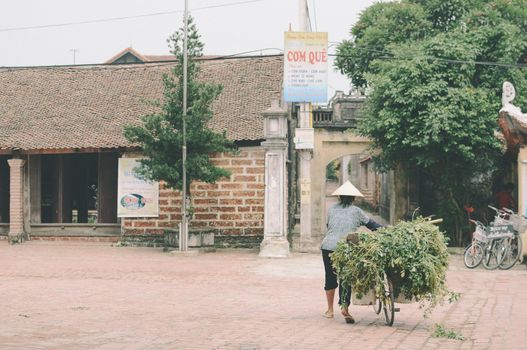
I’ll never forget the taste of that pho in Hanoi. It wasn't from a bustling restaurant on a main street, nor was it recommended by a guide book. It was from a tiny, unassuming stall down a narrow alleyway, tucked between two laundry shops. The only reason I found it was because a local friend, after much cajoling and a promise not to share the exact location publicly, scribbled down some directions on a crumpled napkin.
"This is where we eat," she whispered, a hint of playful conspiracy in her voice. "The tourists... they go elsewhere. But this? This is real."
And she was right. The broth was richer, the herbs fresher, the atmosphere buzzing with genuine local life. It was more than just a meal; it was an immersion. It was the moment I truly understood that some of the most profound travel experiences aren't found in glossy brochures, but in the places locals cherish and, sometimes, prefer to keep to themselves.
We, as travelers, often seek authenticity. We want to "live like a local," yet we frequently fall into the same well-trodden paths, ending up in tourist traps that offer a diluted, often overpriced, version of local culture. But what if I told you there's a whole other layer to every destination, a vibrant tapestry of small businesses that are the true lifeblood of a community? These are the places that offer genuine flavors, unique crafts, and heartfelt services, often run by generations of families. They are the spots that locals don't necessarily want tourists to know about because they value their authenticity, their community feel, and their fair prices.
But here at Tripsora, we believe in responsible, immersive travel. We believe that by respectfully seeking out and supporting these hidden gems, we not only gain richer experiences ourselves but also contribute directly to the sustainable growth and preservation of local cultures. It's about shifting from being a mere spectator to becoming an active participant, a guest who respects and uplifts.
So, buckle up, fellow adventurers. I’m about to pull back the curtain on the types of local businesses locals cherish, and how you can find and support them, transforming your next trip from a vacation into a true cultural exchange.
1. The Savory Secrets: Local Eateries & Street Food Stalls
Forget the fancy restaurants with English menus and Instagram models posing by the entrance. The real culinary magic often happens in the most unassuming places. These are the family-run trattorias in Italy, the bustling warungs in Indonesia, the hole-in-the-wall taquerias in Mexico, or those aforementioned pho stalls in Vietnam.
Why Locals Love Them:
They offer authentic, time-tested recipes, often passed down through generations. The ingredients are fresh, sourced locally, and the prices are incredibly fair. These aren't just places to eat; they're community hubs where neighbors catch up, news is exchanged, and the aroma of home-cooked goodness fills the air.
Why Tourists Should Support Them:
* Authenticity: You'll taste the true flavors of the region, unadulterated for the tourist palate.
* Value: Expect delicious meals at a fraction of the cost of tourist-centric establishments.
* Cultural Immersion: Eating where locals eat is a direct window into daily life. You'll observe customs, hear the local language, and feel the genuine rhythm of the city.
* Direct Impact: Your money goes directly to a local family, not a large corporation.
My Anecdote:
In a small fishing village on the coast of Portugal, I was directed by my guesthouse owner to a tiny, unmarked shack near the harbor. Inside, an elderly woman was grilling sardines over an open flame, the smoke mingling with the salty sea air. There was no menu, just "sardines or fish of the day." I chose the sardines, served simply with boiled potatoes and a crisp salad. It was the best meal of my trip – fresh, flavorful, and incredibly simple. Total cost? About €7, including a glass of local wine. The experience, however, was priceless.
How to Find Them:
* Ask Locals (Respectfully): Your guesthouse owner, a friendly shopkeeper, or even a taxi driver can be a goldmine of information. Phrase your question carefully: "Where do you eat dinner with your family?" or "Where's the best local spot for [specific dish]?" rather than "Where's good food?"
* Venture Off the Main Drag: Walk a few blocks away from the main tourist squares and attractions.
* Look for Queues: If locals are lining up, you've likely found a winner.
* Observe: Pay attention to places bustling with local chatter, not just quiet tables with tourists glued to their phones.
* Learn a Few Phrases: Even a simple "hello" (hola, xin chào, bonjour) and "thank you" (gracias, cám ơn, merci) can open doors and build rapport.
Instagram-Worthy Moment:
The vibrant colors of street food, the bustling energy of a local market, a simple yet perfectly plated dish, or the genuine smile of a proud chef.
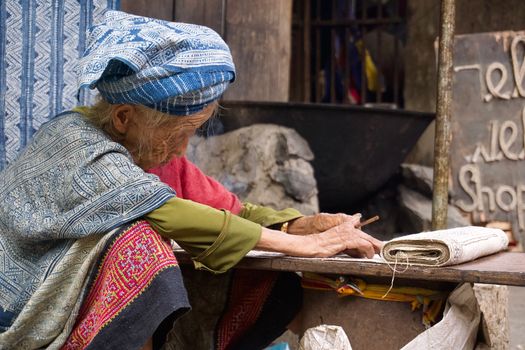
2. Artisan Workshops & Independent Boutiques: Souvenirs with Soul
When you buy a souvenir, do you want a mass-produced trinket or a piece of the destination's soul? Local artisans and independent shop owners pour their heart and skill into their creations, reflecting the unique culture and traditions of their home.
Why Locals Love Them:
These shops preserve traditional crafts, support local talent, and offer unique, high-quality goods that are often handmade. They are places where stories are told through art.
Why Tourists Should Support Them:
* Unique Souvenirs: Take home something truly special and authentic, not just another "I Heart [City]" t-shirt.
* Ethical Shopping: Your purchase directly supports the artisan and their family, empowering local economies and preserving cultural heritage.
* Higher Quality: Handcrafted items often boast superior quality and durability compared to factory-made goods.
* Storytelling: Each item comes with a story, a connection to the maker and the place.
My Anecdote:
In a small village in Oaxaca, Mexico, I stumbled upon a family workshop specializing in alebrijes – brightly painted wooden folk art sculptures. The grandfather, with calloused hands and a twinkle in his eye, showed me how he carved the whimsical creatures, a skill passed down from his own father. I bought a small, iridescent chameleon, not just for its beauty but for the story behind it and the direct connection to the artist. It cost a bit more than the tourist market versions, but it was worth every penny.
How to Find Them:
* Local Markets (Non-Tourist Specific): Seek out weekend markets or craft fairs that cater to residents.
* Hidden Alleys & Side Streets: Independent boutiques rarely occupy prime, expensive retail spaces.
* Ask for Recommendations: Inquire at your guesthouse or a local cafe for "artisan shops" or "places where locals buy gifts."
* Look for "Handmade" Signs: Many small shops will proudly display "hecho a mano" or "handmade" signs.
Practical Tip:
Don't be afraid to haggle respectfully in markets where it's customary, but also understand that you're supporting a local artisan's livelihood. A fair price for a handmade item is often more valuable than a deep discount.
Instagram-Worthy Moment:
A close-up of intricate handcrafted details, a vibrant display of local art, or a candid shot of an artisan at work.
3. Community-Run Experiences & Local Guides: Beyond the Bus Tour
The biggest tour operators often offer slick packages, but they rarely provide the intimate, authentic experiences that a local, independent guide can. From cooking classes in a family home to guided nature walks led by someone who grew up on the trails, these experiences offer unparalleled insight.
Why Locals Love Them:
They allow locals to share their passion, knowledge, and culture on their own terms, providing sustainable income and showcasing their home in an authentic light.
Why Tourists Should Support Them:
* Deeper Insights: Learn about local history, folklore, and daily life from someone who lives it.
* Tailored Experiences: Many independent guides offer customizable tours based on your interests.
* Access to Hidden Gems: They know the secret viewpoints, the best times to visit, and the stories behind the landmarks that no guidebook will tell you.
* Ethical Tourism: Your payment directly supports the individual and their family, fostering a more equitable tourism economy.
My Anecdote:
In a mountainous region of Nepal, instead of booking a trekking agency, I connected with a local villager who offered guided walks through his community. He led me through terraced fields, introduced me to his family, and shared stories of village life, pointing out medicinal plants and explaining local traditions. It wasn't a "tour" in the traditional sense; it was an invitation into his world, a truly transformative experience that cost me a fraction of what a large tour company would charge, and every penny went directly to him.
How to Find Them:
* Guesthouse Owners: Often have connections to local guides or can recommend community-based experiences.
* Local Community Centers or Cultural Organizations: Sometimes advertise small-group classes or tours.
* Word of Mouth: Ask other travelers you meet who seem to be having authentic experiences.
* Online Forums/Local Facebook Groups: Search for local community groups where independent guides might advertise.
Practical Tip:
Be clear about your interests and expectations. A good local guide will be thrilled to tailor the experience to you. Always agree on a price upfront.
Instagram-Worthy Moment:
A candid shot with your local guide, a unique activity (like making traditional crafts), or a stunning view from a secret spot only a local would know.
4. Independent Cafes & Bakeries: Your Daily Dose of Local Life
While international coffee chains might offer familiarity, local cafes and bakeries are often the beating heart of a neighborhood. They're where locals grab their morning brew, share gossip, and enjoy a sweet treat.
Why Locals Love Them:
They provide a comfortable, familiar space, often with a sense of history and community. The coffee is usually superior, the pastries baked fresh daily, and the prices reasonable.
Why Tourists Should Support Them:
* Authentic Atmosphere: Experience the daily rhythm of local life, away from tourist crowds.
* Superior Quality: Taste artisanal coffee, fresh bread, and pastries made with local ingredients and traditional methods.
* Support Local Suppliers: Many independent cafes source their beans, milk, and other ingredients from local farms and suppliers, creating a ripple effect of support.
* A Great Place to Observe: Grab a seat, order a coffee, and simply watch the world go by. It’s a perfect spot for people-watching and soaking in the local vibe.
My Anecdote:
In a charming district of Budapest, I found a tiny bakery, no bigger than a closet, tucked away on a residential street. The aroma of freshly baked kifli (a crescent-shaped roll) was intoxicating. An elderly woman behind the counter, speaking only Hungarian, beamed as I pointed to the pastries. With gestures and a few broken words, I managed to convey my delight. I left with a bag of warm, flaky pastries for about $2, feeling like I’d stumbled upon a cherished secret.
How to Find Them:
* Follow Your Nose: The smell of fresh bread or roasted coffee is an undeniable beacon.
* Look for "No English Menu" Signs: Or, more accurately, places where the menu is exclusively in the local language, indicating it caters primarily to locals.
* Observe Morning Commutes: Where do people stop for their morning coffee and pastry on their way to work?
* Google Maps "Coffee Shop" but Zoom In: Look for smaller, independent listings rather than chains. Check reviews for mentions of "local favorite" or "hidden gem."
Practical Tip:
If you don't speak the language, pointing and smiling works wonders. Most local proprietors appreciate the effort.
Instagram-Worthy Moment:
A beautifully crafted latte, a rustic display of freshly baked goods, or a cozy cafe interior bustling with local patrons.
5. Family-Run Guesthouses & Homestays: A Bed with a Story
While boutique hotels offer luxury, and hostels offer budget-friendly dorms, family-run guesthouses and homestays offer something truly unique: a personal connection and a glimpse into local domestic life.
Why Locals Love Them:
For the families who run them, it's often a vital source of income, allowing them to remain in their homes and communities while sharing their culture. It's also a way to preserve traditional architecture and hospitality.
Why Tourists Should Support Them:
* Authentic Hospitality: Experience genuine warmth and personal touches that large hotels can't offer.
* Insider Tips: Your hosts are your best resource for local recommendations – the best places to eat, hidden attractions, and cultural nuances.
* Cultural Exchange: You're not just a guest; you're often welcomed into the family's daily life, sharing meals and conversations.
* Direct Support: Your money directly benefits the host family and their community.
My Anecdote:
In a charming village in the Italian Dolomites, I booked a homestay through a local tourism board. My host, Maria, didn't just provide a clean room; she welcomed me with homemade strudel, shared stories of her family's history in the mountains, and even taught me a few basic Italian phrases over breakfast. She pointed me to a hiking trail that wasn't on any map, leading to a breathtaking viewpoint known only to locals. It felt less like a transaction and more like visiting a distant relative.
How to Find Them:
* Local Tourism Boards: Often list smaller, family-run accommodations that might not be on major booking sites.
* Specific Homestay Platforms: Websites like Airbnb also have homestay options, but look for listings where the host lives on-site and offers a more personal experience.
* Word of Mouth: Ask other travelers or locals for recommendations.
* Search for "Guesthouse," "Pension," or "Homestay" + [Destination Name]: Filter results carefully.
Practical Tip:
Be respectful of house rules and cultural norms. Offer to help with small tasks if appropriate, and always show gratitude.
Instagram-Worthy Moment:
A cozy room with traditional decor, a home-cooked breakfast spread, or a photo with your smiling host family.
6. Local Markets & Farmers' Markets: A Feast for the Senses
Beyond the tourist-oriented souvenir markets, true local markets are bustling hubs where residents buy their groceries, fresh produce, meat, and everyday goods. They are vibrant, noisy, and incredibly authentic.
Why Locals Love Them:
Fresh, seasonal produce, direct from farmers, at unbeatable prices. It's a social event, a place to catch up, haggle playfully, and find the best ingredients.
Why Tourists Should Support Them:
* Culinary Exploration: Discover new fruits, vegetables, spices, and local delicacies.
* Freshest Ingredients: If you have access to a kitchen (like in a homestay or Airbnb), buying from a local market is a must.
* Photographic Goldmine: The colors, textures, and energy of a local market are incredibly captivating.
* Community Connection: Engage with vendors, sample local treats, and absorb the vibrant atmosphere.
* Sustainable Choice: Supports local agriculture and reduces food miles.
My Anecdote:
In the bustling Mercado de San Juan in Mexico City, a local friend led me past the exotic meat stalls (though fascinating, not my cup of tea for purchase!) to a vibrant fruit section. He introduced me to mamey, a creamy, sweet fruit I'd never seen before. The vendor, a woman with a kind smile, patiently cut a slice for me to try, and the taste was an explosion of tropical sweetness. I bought a few, along with some incredibly fresh avocados, for just a few dollars. It was an adventure for my taste buds and a joy to witness the everyday bustle.
How to Find Them:
* Ask Your Host/Locals: "Where do you buy your groceries?" or "Is there a local farmers' market nearby?"
* Check Local Event Listings: Many cities have specific days for farmers' markets.
* Look for Signs of Fresh Produce: Even small street-side stalls are often locally sourced.
Practical Tip:
Go early for the best selection. Bring your own reusable bag. Don't be afraid to try samples (if offered).
Instagram-Worthy Moment:
A vibrant display of colorful fruits and vegetables, a candid shot of a vendor, or a unique local ingredient you discovered.
---
The Art of the Respectful Discovery: Your Guide to Unlocking Local Secrets
Now that you know what to look for, here's how to approach this quest respectfully and responsibly:
- Be Observant, Not Entitled: These are local spaces, not tourist attractions. Be mindful of your surroundings, keep your voice down, and don't block pathways for locals going about their daily lives.
- Learn Basic Phrases: Even "hello," "thank you," and "how much?" in the local language can make a huge difference in breaking down barriers and showing respect.
- Ask, Don't Demand: When asking locals for recommendations, be polite and understanding if they're hesitant to share. Frame it as "I'd love to experience [local dish/craft] where you enjoy it," rather than "Tell me your secrets!"
- Support, Don't Exploit: Always pay a fair price. Don't haggle aggressively, especially for handmade items where the artisan's livelihood is at stake. Your goal is to support, not to get the cheapest deal.
- Be Patient and Open-Minded: Service might be slower, communication might be challenging, and things might not be as "polished" as tourist-centric spots. Embrace the imperfections; that's where authenticity lies.
- Leave No Trace: Be a responsible traveler. Don't leave trash, be mindful of noise, and respect local customs and traditions.
- Share Responsibly: If you find a truly magical, hidden spot, consider the impact of sharing its exact location widely. Sometimes, a general description or a photo that captures the essence without giving away the precise address is more responsible. The goal is to inspire others to seek out similar experiences, not to overwhelm a small, local business with sudden tourist influx.
Your Next Adventure Awaits
Traveling isn't just about seeing famous landmarks; it's about connecting with people, understanding cultures, and supporting the communities you visit. By consciously seeking out and supporting these local businesses – the ones locals might prefer to keep secret – you're not just having a better trip; you're contributing to a more sustainable, equitable, and authentic travel ecosystem.
So, on your next journey, step off the well-worn path. Ask, observe, and engage. You might just discover the most memorable moments of your travels, tucked away in a tiny bakery, a bustling market, or a family-run guesthouse, waiting for you to find them.
What local secret have YOU discovered on your travels? Share your stories in the comments below! Let's inspire each other to travel deeper and support local, authentically.
---