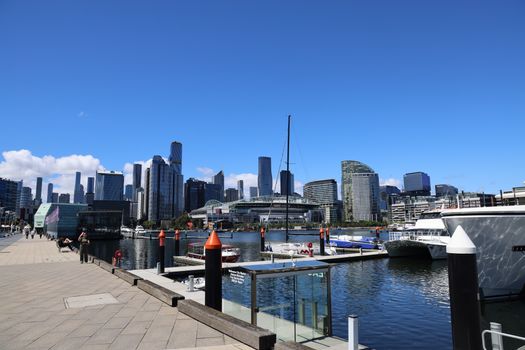
Planning a 7 days in Melbourne itinerary allows you to experience Australia's cultural capital at an ideal pace, combining urban exploration with world-class day trips. Known for its Victorian architecture, dedicated coffee culture, and thriving arts landscape, Melbourne also serves as the launchpad for iconic coastal drives and renowned wine valleys. This comprehensive guide details a balanced week that maximizes your time without rushing from place to place.
7 Days in Melbourne Itinerary at a Glance
| Day | Primary Focus | Key Highlights | Estimated Transit Time |
|---|---|---|---|
| Day 1 | Central Melbourne & Laneways | Flinders Street Station, Centre Place, Block Arcade, Southbank | Walking only (Free Tram Zone) |
| Day 2 | Cultural Enclaves & Heritage | Carlton Gardens, Melbourne Museum, Fitzroy street art, Lygon Street | 15–20 mins by tram |
| Day 3 | The Great Ocean Road | Torquay, Lorne, Great Otway National Park, Twelve Apostles | 8–10 hours total round-trip drive |
| Day 4 | Bayside & Coastal Charm | South Melbourne Market, Albert Park, St Kilda Pier, Acland Street | 20–25 mins by tram |
| Day 5 | Yarra Valley Wine & Fauna | Healesville Sanctuary, cool-climate vineyards, local dairies | 1 hour 15 mins drive each way |
| Day 6 | Markets & Sports Precinct | Queen Victoria Market, Melbourne Cricket Ground (MCG), Richmond | 10–15 mins by tram |
| Day 7 | Botanic Gardens & Riverbank | Royal Botanic Gardens, Shrine of Remembrance, Flinders Lane dining | Walking / 10 mins by tram |
Note: All prices mentioned are approximate estimates in GBP based on current exchange rates; please verify official booking sites for current rates before travelling.
Where to Stay in Melbourne
Choosing the right base simplifies your daily travel. Melbourne's accommodation options cluster into distinct neighbourhoods, each offering unique advantages:
- Central Business District (CBD): Ideal for first-time visitors. Staying here places you within the Free Tram Zone, within walking distance of major rail hubs, museums, and hundreds of dining options. Expect room rates of approx. £90–£220 per night.
- Southbank: Located just across the Yarra River from the CBD, Southbank offers scenic riverside walking promenades and immediate proximity to the Arts Centre Melbourne and the National Gallery of Victoria. Rates typically average approx. £110–£240 per night.
- Fitzroy and Collingwood: Positioned just northeast of the city centre, these suburbs suit travellers seeking independent boutiques, heritage terrace houses, and contemporary dining. Accommodation here consists largely of boutique properties and rental apartments, averaging approx. £85–£190 per night.
- St Kilda: A seaside suburb offering a relaxed coastal atmosphere, seaside paths, and heritage seaside dining. It connects to the city centre via a direct 25-minute tram ride. Room rates run approx. £75–£170 per night.
Getting Around Melbourne
Melbourne features an extensive, user-friendly public transport network comprising trams, trains, and buses operated by Public Transport Victoria (PTV).
Within the central city and Docklands, travel on trams is completely free inside the designated Free Tram Zone; you do not need to purchase a ticket or touch on with a transit card while travelling inside this boundary. To travel beyond the Free Tram Zone (such as to Fitzroy, St Kilda, or the sports precinct), you must purchase a physical myki smartcard or use a digital myki on compatible smartphones. A daily transport fare cap applies, typically around approx. £5.20 for unlimited travel across metropolitan zones.
For trips from Melbourne Airport (Tullamarine) to the city centre, the SkyBus express coach runs 24 hours a day to Southern Cross Station, taking around 25 to 35 minutes and costing approx. £12 one way. For regional excursions to the Great Ocean Road and the Yarra Valley, renting a vehicle or booking an organised small-group tour is recommended.
Day 1: Central Laneways, Arcades, and Riverside Dining
Morning
Start your day at Flinders Street Railway Station, Melbourne's most recognizable architectural icon. Cross the intersection to Degraves Street and Centre Place, narrow pedestrian alleys renowned for local cafe culture. Stop for a morning flat white and breakfast at one of the compact hole-in-the-wall cafes (expect approx. £3 for coffee and £9 for breakfast). Afterwards, stroll north into the 19th-century retail corridors of the Block Arcade and the Royal Arcade, admiring the historic mosaic tile floors and glass canopies.
Afternoon
Walk five minutes east to Federation Square. Explore ACMI (the national museum of screen culture), which offers free general admission. From there, cross the Princes Bridge over the Yarra River to the National Gallery of Victoria (NGV International) on St Kilda Road. Entry to the permanent international collection is free, featuring works from European masters, Asian antiquities, and modern installations.
Evening
Cross back toward the Southbank Promenade. Spend the evening strolling along the water as the gas-brigade flame towers near the riverbank ignite on the hour. Dine at one of the riverside restaurants along Southgate or Flinders Lane, where contemporary Australian and Pan-Asian menus are prevalent. A standard dinner with a beverage costs approx. £25–£45 per person.
Day 2: Fitzroy, Carlton, and Cultural Heritage
Morning
Take the Route 86 or 96 tram north from the CBD (approx. 15 minutes) to the Carlton Gardens. Walk the tree-lined paths toward the Royal Exhibition Building, a UNESCO World Heritage site completed in 1880. Directly behind it sits the Melbourne Museum, which houses the Bunjilaka Aboriginal Cultural Centre and extensive natural history galleries (entry is approx. £8 for adults).
Afternoon
Walk ten minutes east into Fitzroy, Melbourne's historic bohemia. Explore Brunswick Street and Gertrude Street, both filled with independent bookshops, vintage clothing stores, and commercial art spaces. Wander through the residential side streets off Rose Street to view celebrated street murals. For lunch, sample a regional Australian meat pie or a sourdough toastie at a local bakery (approx. £6–£10).
Evening
Walk west back toward Carlton along Lygon Street, the traditional heart of Melbourne's Italian migrant community. Choose a classic trattoria for wood-fired pizza, handmade gnocchi, and authentic gelato. Dinner on Lygon Street averages approx. £18–£35 per person.
Pro tip: Fitzroy's Rose Street Artists' Market operates on weekends from 10:00 AM to 4:00 PM, offering handmade jewellery, ceramics, and textiles directly from Victorian makers.
Day 3: The Great Ocean Road Coastal Drive
Morning
Set out early (around 7:00 AM) to experience one of the world's premier coastal drives. Drive southwest from Melbourne via the Princes Freeway (M1) to Torquay (approx. 1 hour 20 minutes), the gateway to the Great Ocean Road and home to Bells Beach. Continue along the coastal road through Anglesea toward Lorne, where the highway hugs steep cliffs alongside the Southern Ocean. Stop in Lorne for morning refreshments overlooking Louttit Bay.
Afternoon
Continue past Kennett River, where wild koalas frequently sleep in the roadside eucalyptus trees. Drive onward through Apollo Bay, a working fishing village suitable for a fresh fish and chips lunch (approx. £10–£14). Beyond Apollo Bay, the road winds inland through the lush temperate rainforest of Great Otway National Park before re-emerging at the Port Campbell National Park. Here you will reach the Twelve Apostles limestone stacks, standing dramatically in the ocean swell. Take the wooden boardwalks to view both the Apostles and nearby Loch Ard Gorge.
Evening
Begin the return journey using the inland route via the Colac and Princes Highways, which cuts travel time back to Melbourne down to roughly 3 hours. Arrive back in the city around 8:30 PM. For dinner, head into the CBD for a casual meal of Japanese ramen or Malaysian laksa along Russell Street (approx. £11–£15).
Day 4: South Melbourne and St Kilda
Morning
Board the Route 12 or 96 tram south to South Melbourne Market (approx. 15 minutes). Established in 1867, this market is celebrated for fresh produce and gourmet treats. Try the famous South Melbourne dim sims or visit the oyster bar for freshly shucked Pacific and Sydney rock oysters (approx. £1.30 per oyster). Browse the homewares and specialty tea stalls within the covered aisles.
Afternoon
Re-board the Route 96 tram toward the seaside suburb of St Kilda (approx. 15 minutes). Take a walk down Acland Street, known for its European cake shops showcasing traditional Polish and Jewish baking. Pick up a vanilla slice or cannoli, then walk to the foreshore to view the historic Luna Park amusement park entrance. Continue along the St Kilda Esplanade toward the St Kilda Pier, soaking in panoramic views across Port Phillip Bay.
Evening
Remain near the St Kilda breakwater until sunset. A resident colony of wild fairy penguins inhabits the rocks here and typically emerges from the ocean at dusk (viewing access may vary based on ongoing pier restoration works, so check local parks signage). Afterwards, enjoy dinner at an ocean-facing pub or bistro along Fitzroy Street or the Esplanade. A classic pub meal runs approx. £16–£28.
Day 5: Wine Tasting and Wildlife in the Yarra Valley
Morning
Travel approximately one hour northeast of the city to Healesville Sanctuary in the Yarra Valley. Managed by Zoos Victoria, this sanctuary focuses on native Australian wildlife conservation. Walk through bushland habitats to observe platypuses, Tasmanian devils, kangaroos, and wombats in natural settings. Entry costs approx. £24 per adult.
Afternoon
Spend your afternoon exploring the cellar doors of the Yarra Valley, internationally celebrated for cool-climate Chardonnay, Pinot Noir, and sparkling wine. Visit historic estates such as Yering Station (the site of Victoria's first vineyard, planted in 1838) or Domaine Chandon for sparkling tastings. Standard wine-tasting paddles range from approx. £8 to £16 per person. For lunch, stop at a vineyard restaurant or sample regional cheeses at the Yarra Valley Dairy (tasting platters approx. £12).
Evening
Drive back to central Melbourne (approx. 1 hour 15 minutes). For dinner, venture into Melbourne's historic Chinatown on Little Bourke Street, established during the Victorian Gold Rush of the 1850s. Enjoy handmade dumplings or Cantonese roast meats (approx. £12–£22 per person).
Day 6: Markets, Docklands, and Sports Culture
Morning
Start your morning at Queen Victoria Market, the southern hemisphere's largest open-air market, covering two city blocks. Walk through the heritage meat and cheese halls, and pick up hot jam doughnuts from the American Doughnut Kitchen van operating outside. Grab breakfast or a coffee at String Bean Alley (approx. £8–£12 total).
Afternoon
From the CBD, take the Route 70 or 75 tram east (approx. 10 minutes) into the Melbourne Sports Precinct. Melbourne is widely regarded as Australia's sporting hub. Take a behind-the-scenes guided tour of the iconic Melbourne Cricket Ground (MCG), accessing the player changerooms, Long Room, and the Australian Sports Museum (combined tour tickets cost approx. £22). The precinct also hosts the courts of the Australian Open tennis tournament at Melbourne Park.
Evening
Walk 15 minutes east from the sports grounds into the vibrant dining strip of Swan Street in Richmond. This neighbourhood features exceptional Greek tavernas, Vietnamese eateries, and restored historic pubs. Enjoy a casual dinner with craft beer brewed locally in Victoria (approx. £16–£30 per person).
Pro tip: Queen Victoria Market is closed on Mondays and Wednesdays. If your Day 6 falls on either of those days, swap Day 6 with Day 4 or Day 7 to ensure the market halls are open when you visit.
Day 7: Royal Botanic Gardens and Shrine of Remembrance
Morning
Spend your final morning visiting the Royal Botanic Gardens Victoria, encompassing 38 hectares of landscaped grounds along the south bank of the Yarra River. Walk the scenic perimeter known as The Tan, visit Guilfoyle's Volcano, and wander among the fern gullies and native collections. Admission to the gardens is completely free.
Afternoon
Adjoining the gardens sits the Shrine of Remembrance, Victoria's state war memorial. Ascend the stone steps to the external balcony for clear panoramic vistas across the Melbourne skyline and down St Kilda Road. Afterwards, walk back across the Princes Bridge to The Ian Potter Centre: NGV Australia at Federation Square, dedicated entirely to Australian art, including an outstanding permanent collection of Indigenous Australian works (free general admission).
Evening
Mark the end of your week with dinner at one of Flinders Lane's acclaimed basement or attic dining rooms. Melbourne's high-end culinary scene highlights local Victorian farm produce paired with regional wines. Book well in advance for signature multi-course degustation or sharing menus (approx. £50–£95 per person).
Common Mistakes to Avoid
- Forgetting to tap off with your myki: While trams inside the central Free Tram Zone do not require a card tap, travelling beyond that zone requires touching on. Forgetting to validate or failing to carry a valid ticket on outer routes can lead to on-the-spot transit fines.
- Rushing the Great Ocean Road: Attempting to drive all the way to the Twelve Apostles and back via the coastline in one day is exhausting. Always return via the inland highway (Colac/M1) to save nearly two hours of driving in the dark.
- Underestimating Melbourne's variable weather: Melbourne is famous for experiencing extreme weather changes within a single day. Always carry an umbrella and pack lightweight layers regardless of the forecast season.
- Skipping advance dining reservations: Melbourne's premier restaurants along Flinders Lane, Gertrude Street, and Southbank book out weeks in advance, especially for Friday and Saturday evenings.
- Driving inside the CBD: Driving in central Melbourne involves complex "hook turns" across tram tracks and expensive parking garages. Rely entirely on the city's tram and train system within urban zones.
Plan your trip
Creating an efficient route through Melbourne's diverse neighbourhoods and surrounding regions requires balanced timing and local insights. Use TripBuilder to create a custom day-by-day travel plan tailored to your personal interests, schedule, and preferred pace.
Frequently asked questions
Is 7 days enough time to visit Melbourne?
Yes, seven days provides enough time to see the central city's cultural sights and laneways while taking two full day trips to regional destinations like the Great Ocean Road and the Yarra Valley. This duration allows for a balanced trip without feeling rushed.
Do I need to rent a car for this Melbourne itinerary?
You do not need a car within Melbourne itself, as the tram and train networks are comprehensive and easy to use. A rental car is only recommended for regional day trips to the Great Ocean Road or the Yarra Valley, though guided small-group bus tours are readily available alternatives.
How does the Free Tram Zone work in Melbourne?
The Free Tram Zone covers the central business district and Docklands area, clearly marked by green signage at tram stops. Travel within this boundary is completely free and does not require a myki transit card, but you must touch on if your trip extends beyond the zone.
What is the best month to visit Melbourne?
The shoulder seasons of March to May (autumn) and September to November (spring) offer pleasant temperatures and moderate crowd levels. Summer (December to February) brings lively outdoor events and warm beach weather, though temperatures can occasionally exceed 35 degrees Celsius.
How much should I budget per day in Melbourne?
A mid-range traveller should anticipate spending approximately £80 to £160 per day, excluding regional excursions and car hire. This budget covers comfortable accommodation, public transit fares, entry tickets, cafe lunches, and standard restaurant dinners.