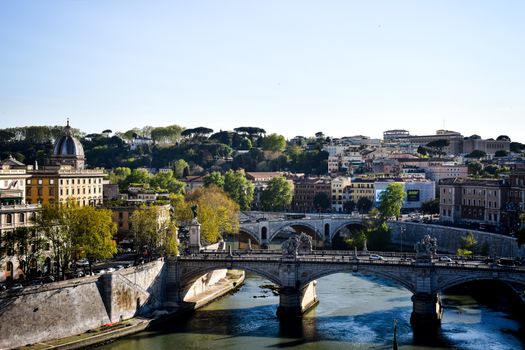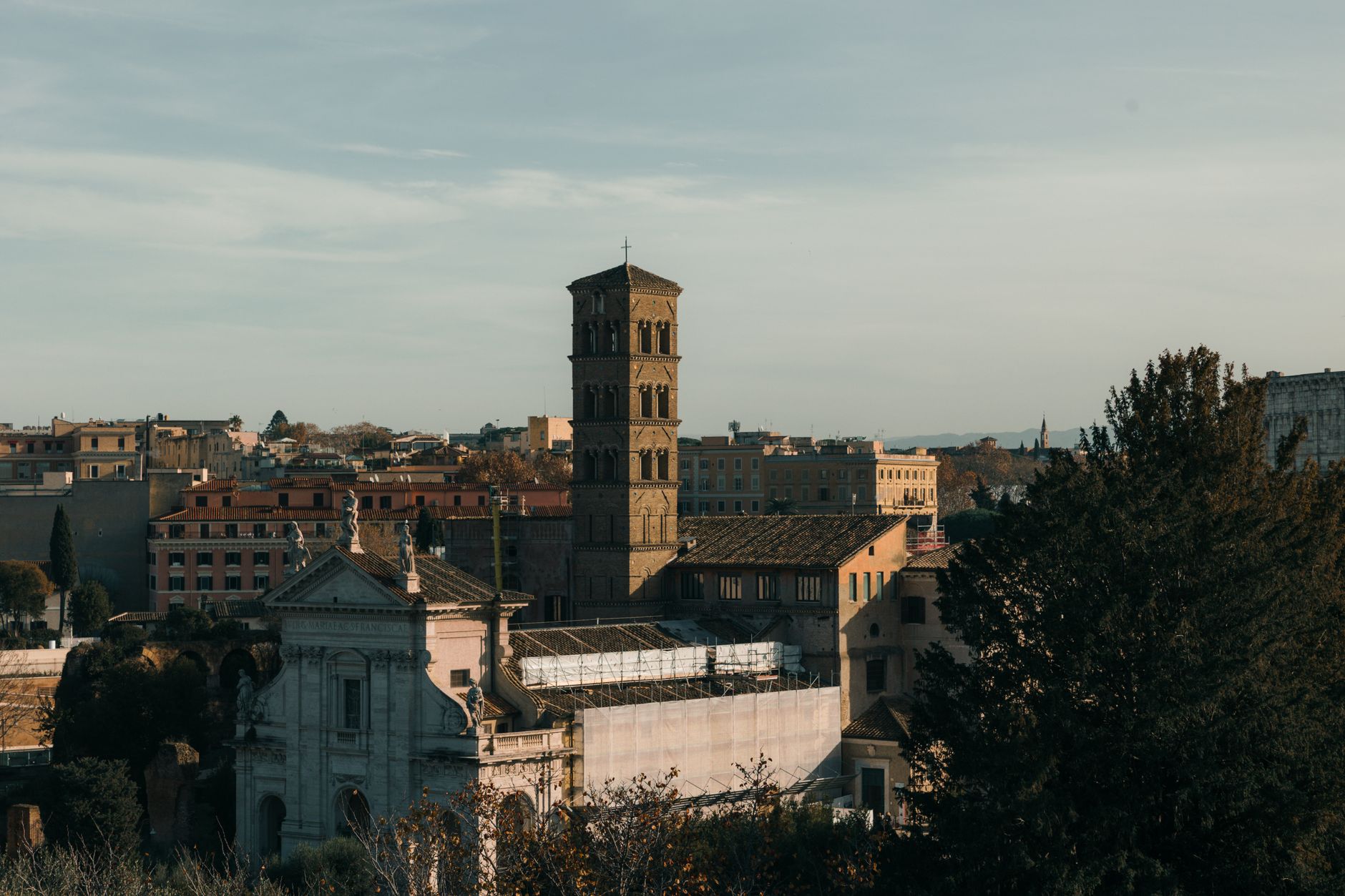
Deciding between Rome vs Stockholm comes down to whether you prefer southern European antiquity or Scandinavian waterside design. Rome offers two and a half millennia of monumental architecture, warm Mediterranean evenings, and deeply rooted culinary customs. Stockholm counters with fourteen islands connected by bridges, pristine waterways, cutting-edge contemporary culture, and exceptional public order. Both capitals rank among Europe's most rewarding destinations, but they deliver drastically different travel experiences.
| Factor | Rome, Italy | Stockholm, Sweden |
|---|---|---|
| Cost level | Moderate (£110–£180 approx. per day) | High (£150–£240 approx. per day) |
| Best for | Ancient history, art museums, street dining | Modern design, maritime views, nature access |
| Weather | Hot summers (30°C+), mild winters (8–13°C) | Mild summers (20–24°C), cold winters (-3 to 2°C) |
| Getting around | Walking, metro, tram, buses | Metro (Tunnelbana), ferries, commuter trains, walking |
| Crowds | Consistently heavy, peaking April to October | Moderate, peaking late June to August |
| Food style | Pasta, pizza, espresso, regional wines | New Nordic, seafood, meatballs, fika pastries |
| Nightlife | Piazza culture, wine bars, late dinner spots | Craft cocktail lounges, techno clubs, island brewpubs |
| Day trips | Ostia Antica, Tivoli, Orvieto | Drottningholm, Uppsala, Stockholm Archipelago |
| Recommended trip length | 4 to 5 days | 3 to 4 days |
Rome vs Stockholm: Atmosphere and Urban Character
The street rhythm of Rome feels dramatic, immediate, and sensory. The Italian capital is an open-air museum where everyday life plays out directly against crumbling imperial arches and Baroque fountains. Cobblestone alleys in neighbourhoods like Trastevere and Monti spill over with diners sitting elbow to elbow outside family-run trattorias. Motor scooters weave through narrow lanes, church bells chime constantly, and the sound of conversation echoes through broad squares like Piazza Navona and Campo de' Fiori. It is a city that rewards spontaneous wandering, though the sheer density of visitors and traffic can occasionally feel overwhelming.
Stockholm, by contrast, feels calm, spacious, and meticulously structured. Built across an archipelago where Lake Mälaren meets the Baltic Sea, water is a constant presence, bringing cool breezes and reflective light to every district. Gamla Stan (the Old Town) preserves narrow, mustard-coloured lanes dating to the medieval era, while neighbouring Södermalm features vintage shops, independent galleries, and functionalist architecture. Residents move about quietly on bicycles and public ferries. While Rome is warm, expressive, and historic, Stockholm is understated, clean, and forward-looking.
Sightseeing and Cultural Attractions
Rome provides arguably the most concentrated collection of world-defining monuments in Europe. A standard itinerary includes the Colosseum, the Roman Forum, the Pantheon, and the Vatican Museums, home to the Sistine Chapel and St. Peter's Basilica. Beyond these headliners, smaller institutions such as Galleria Borghese present masterworks by Bernini and Caravaggio in intimate gallery settings. The appeal of Rome lies in layers: a church basement often contains the foundations of a Roman temple built on top of Republican-era residential quarters.
Stockholm focuses more heavily on maritime history, royal heritage, and contemporary culture. Its standout attraction is the Vasa Museum on Djurgården, which houses an intact 17th-century warship salvaged from the seabed after 333 years underwater. Nearby, Skansen claims the title of the world's oldest open-air museum, showcasing traditional Swedish farmsteads and Nordic wildlife. Art and music enthusiasts can explore the Royal Palace, the modern photography museum Fotografiska, and ABBA The Museum. Stockholm's museums are uniformly modern in their curation, with multilingual displays and thoughtful interactive elements.
Pro tip: For major attractions in both cities, pre-booking entry tickets online several weeks ahead is essential. In Rome, Colosseum and Vatican slots often sell out a month in advance; in Stockholm, pre-booking timed slots for the Vasa Museum prevents waiting in outdoor queues during peak summer travel.
Food, Dining Culture, and Nightlife
Dining in Rome is centered around strict culinary traditions and regional ingredients. Meals revolve around four classic Roman pasta dishes: carbonara, cacio e pepe, amatriciana, and alla gricia. Street-food counters sell supplì (fried rice balls stuffed with mozzarella) and thin, crispy pizza al taglio by the slice. Dining happens late, with restaurants rarely opening their doors for dinner before 19:30, and peak seatings occurring around 21:00. Evening socialising typically begins with an aperitivo—an Aperol Spritz or glass of regional wine served with small snacks—in the piazzas of Monti, Testaccio, or Prati.
Stockholm approaches gastronomy through the lens of seasonal New Nordic cooking and heritage comfort food. Traditional dishes include Swedish meatballs served with pickled cucumbers, pressed lingonberries, and potato purée, as well as toast skagen (prawns in mayonnaise on butter-fried bread) and pickled herring. The city takes its fika ritual seriously: taking time each afternoon for black drip coffee and a fresh cardamom or cinnamon bun (kanelbulle). Stockholm nightlife spans sleek cocktail bars in Östermalm, electronic music clubs in Slakthusområdet, and neighbourhood craft beer bars across Södermalm.
Costs and Travel Budget
Budget differences between the two capitals are substantial. Rome is markedly cheaper for daily expenses, accommodation, and food, though premium museum admissions can add up. Stockholm ranks among the pricier European cities, particularly when dining out or ordering alcoholic drinks, which carry heavy national excise taxes.
Accommodation in Rome ranges from approx. £70 to £160 per night for a mid-range double room outside the peak summer weeks. In Stockholm, equivalent three- and four-star hotels generally run from approx. £90 to £200 per night. Short-term rentals follow a similar pricing pattern.
Daily meal costs highlight the contrast even further:
- Rome: An espresso at the bar costs approx. £1.10; a seated pasta lunch at a neighbourhood trattoria averages approx. £12 to £18; a carafe of house wine costs approx. £7 to £10.
- Stockholm: A coffee and pastry costs approx. £6 to £9; a weekday lunch special (dagens rätt) averages approx. £11 to £15; an evening two-course dinner at a casual bistro costs approx. £35 to £55; a single draft beer costs approx. £6.50 to £9.
Note: Prices are approximate estimates in GBP and fluctuate with exchange rates and inflation; always verify current rates on official venue and transport websites before travelling.
Pro tip: In Stockholm, take advantage of the weekday dagens lunch specials offered by high-end restaurants between 11:30 and 14:00. You will often receive a quality main course, salad buffet, bread, and coffee for a fraction of the evening à la carte price.
Getting Around and Day Trips
Both cities offer reliable transport networks, but Stockholm's public transit is noticeably cleaner, quieter, and simpler to navigate. The Stockholm metro (Tunnelbana) acts as an underground art installation, with over 90 of its 100 stations decorated with rock carvings, mosaics, and murals. The SL transport network covers metro lines, buses, trams, and public commuter ferries under a unified contactless payment system. An Arlanda Express train connects Arlanda Airport to the city centre in 18 minutes for approx. £25 single.
Rome is best explored on foot within the Centro Storico, where metro access is limited to preserve underground archaeological ruins. The city has two primary metro lines (A and B) that intersect at Termini Station, supported by an extensive network of buses and trams. Traffic congestion is common, making walking often faster than surface transit. The Leonardo Express train connects Fiumicino Airport to Rome Termini in 32 minutes for approx. £12 single.
For excursions outside the urban core, Rome offers easy rail access to ancient ruins at Ostia Antica (30 minutes) and the Renaissance water gardens of Villa d'Este in Tivoli (45 minutes). From Stockholm, classic day trips include taking a steam ferry to Drottningholm Palace (the royal residence on Lake Mälaren), riding the train to the historic university city of Uppsala (40 minutes), or cruising out into the Stockholm Archipelago to explore islands like Sandhamn or Grinda.
When to Visit: Weather and Seasons
Climate should play a decisive role in your choice between these two destinations. Rome experiences hot, dry Mediterranean summers and mild winters. July and August routinely see temperatures exceeding 34°C, which can make walking through exposed archaeological sites exhausting. The most comfortable periods for exploring Rome are spring (April to May) and autumn (late September to November), when daylight is generous and temperatures sit around 18°C to 23°C.
Stockholm experiences a northern maritime climate with extreme variations in daylight. Summer (late June through August) brings comfortable weather with daily averages of 20°C to 24°C and up to 18 hours of daylight, drawing locals outdoors onto café terraces and public docks. Autumn arrives early in October with crisp air and golden foliage. Winters (December to February) are cold and dark, with temperatures hovering around freezing and the sun setting before 15:00, though the city compensates with festive Christmas markets, outdoor ice rinks, and candlelit interiors.
How to Decide: Choose Rome or Stockholm
Choose Rome if:
- You prioritise ancient history, Renaissance artwork, and iconic architectural ruins.
- You prefer a warm, energetic street life where socialising takes place outdoors on public piazzas.
- You are travelling on a moderate budget and want affordable dining, coffee, and wine.
- You are planning a trip during the shoulder seasons of spring or autumn.
Choose Stockholm if:
- You appreciate contemporary Scandinavian design, clean aesthetics, and maritime landscapes.
- You prefer cooler summer weather over Mediterranean heat.
- You value efficient public transport, cashless convenience, and low noise levels.
- You want easy access to pristine nature, island-hopping, and peaceful waterside walking trails.
Common Mistakes to Avoid
- Trying to use cash in Stockholm: Sweden is virtually cashless; many restaurants, museums, and transit ticket counters refuse physical currency entirely. Ensure you have a fee-free card or mobile payment setup ready.
- Visiting Rome in August without heat precautions: Many smaller independent shops and restaurants close for summer holidays (Ferragosto), while high humidity and heat make midday sightseeing difficult.
- Taking taxis across central Rome: Traffic jams and narrow pedestrian zones mean you will often sit stationary while the meter runs. Walking or using the metro between hubs like the Colosseum and Spagna is usually quicker.
- Overlooking Stockholm's commuter ferries: Do not pay for expensive private boat tours without checking the SL public ferry lines first. Routes 80 and 82 are included in standard transit passes and offer panoramic waterfront views of the city.
Plan your trip
Ready to start organising your European getaway? Build a custom route tailored to your exact dates, travel style, and budget using TripBuilder to generate a seamless daily schedule.
Frequently asked questions
Which city is cheaper, Rome or Stockholm?
Rome is considerably cheaper for general travel expenses, including casual restaurant meals, house wine, and budget-to-midrange accommodation. Stockholm has higher average accommodation rates and substantial taxes on dining out and alcohol, making daily spending noticeably higher.
How many days do you need in Rome compared to Stockholm?
Rome typically requires at least four to five full days to cover major ancient sites, the Vatican, and distinct neighbourhoods without rushing. Stockholm can be comfortably explored in three to four days, which leaves sufficient time to see the Vasa Museum, Gamla Stan, and take an archipelago ferry trip.
Is Rome or Stockholm better for a summer holiday?
Stockholm is generally far more pleasant in July and August because temperatures average a comfortable 22°C with long daylight hours. Rome during midsummer often experiences intense heatwaves above 35°C, making walking tours and outdoor sightseeing physically demanding.
Which destination is more walkable, Rome or Stockholm?
Both cities are walkable, but they offer different experiences on foot. Rome's historic centre is compact but features uneven cobblestones, hills, and heavy vehicle traffic, whereas Stockholm provides flat, well-maintained pedestrian pathways, clean bridges connecting islands, and extensive waterfront promenades.
Can you visit Stockholm without speaking Swedish?
Yes, English proficiency in Stockholm is exceptionally high across transport staff, shopkeepers, and restaurant servers. In Rome, English is widely spoken in tourist zones, though basic Italian courtesy phrases are appreciated when visiting local neighbourhood shops and family-run trattorias.