The Ultimate Expert Guide: How to Travel Europe Entirely by Train (According to Recent Data)
I stepped off the train in Zurich, the crisp Alpine air carrying the faint scent of dark chocolate and damp earth. The rhythmic clickety-clack of the wheels still echoed in my ears, a comforting lullaby of movement. Sunlight, still soft from the morning’s embrace, glinted off the polished brass of the station clock, a gentle reminder that time, when traveling by rail, feels somehow more deliberate, more lived. This wasn't just a journey; it was an immersion. And you, my fellow adventurer, can experience this magic too.
Forget the frantic dashes through security, the cramped airplane seats, and the soul-crushing layovers. Traveling Europe entirely by train is not just a romantic notion; it's a practical, sustainable, and incredibly rewarding way to explore. Recent data confirms its rising popularity, and for good reason. It’s about the journey, not just the destination, and the unfolding landscape becomes your ever-changing backdrop.
1. The Allure of the Rails: Why Train Travel Reigns Supreme
In an era of hyper-connectivity, the slow, deliberate pace of train travel offers a refreshing antidote. It’s a chance to disconnect from the digital noise and reconnect with the world around you.
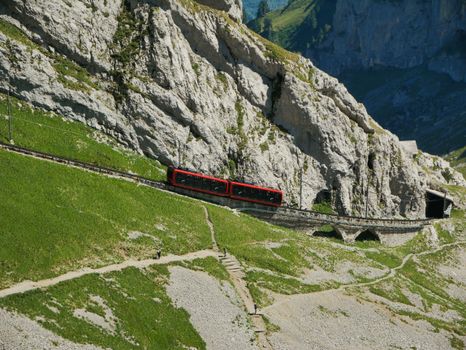
- Unrivaled Scenery: From the emerald valleys of Switzerland to the sun-drenched vineyards of Tuscany, train windows offer panoramic views that no airplane can match. You’ll witness the subtle shifts in architecture, the changing agricultural patterns, and the majestic sweep of coastlines as they unfold before your eyes.
- Seamless City-to-City Access: European train stations are typically located in the heart of cities, meaning you step directly into the vibrant pulse of your destination. No long airport transfers, no navigating unfamiliar suburbs.
- Sustainability Champion: Train travel boasts a significantly lower carbon footprint compared to flying. Choosing the train is a conscious decision for a more eco-friendly adventure. Recent studies from the European Environment Agency consistently highlight rail’s environmental benefits.
- Comfort and Freedom: Spread out in spacious seats, enjoy a leisurely meal in the dining car, or simply gaze out the window with a good book. You have the freedom to move around, stretch your legs, and truly relax.
- The Social Connection: Trains foster a unique sense of community. You’ll find yourself striking up conversations with fellow travelers, sharing tips, and even making lifelong friends.
2. Navigating the Network: Rail Passes vs. Individual Tickets
The big question for any aspiring rail traveler: pass or point-to-point? The answer, as with most things in life, depends on your itinerary and travel style.
Rail Passes: The Freedom to Explore
For those who crave flexibility and plan to cover a lot of ground, a rail pass is often the most economical and convenient option.
- Eurail Pass: Ideal for non-European residents, offering access to 33 European countries. Passes are available for consecutive days or flexible travel days within a month.
- Pro-Tip: The Eurail Mobile Pass is fantastic for managing your trips and reservations directly from your phone. Download it before you leave!
- Interrail Pass: The equivalent for European residents, covering the same extensive network.
- Pro-Tip: Check the specific country coverage for your pass. Some smaller countries might require additional supplements.
Individual Tickets: Precision Planning
If your itinerary is fixed with a few key destinations, booking individual tickets can sometimes be cheaper, especially if you book in advance.
- Booking Platforms:
- Omio: A great aggregator for comparing prices and booking trains, buses, and flights across Europe.
- Trainline: Another user-friendly platform that simplifies booking for many European rail operators.
- National Rail Operators: For specific countries, booking directly on their national railway website (e.g., Trenitalia for Italy, SNCF for France, Deutsche Bahn for Germany) can sometimes offer the best deals.
- Pro-Tip: Many high-speed and long-distance trains require seat reservations in addition to your pass. Factor this into your budget and planning, especially during peak season.
Quick Facts: The Nitty-Gritty
| Aspect | Estimated Cost (USD) | Best Time to Visit | How to Get There (from abroad) |
| :------------------ | :------------------- | :----------------- | :----------------------------- |
| Rail Pass (1 Month) | $500 - $1500+ | Spring (Apr-May), Autumn (Sep-Oct) | Fly into major international hubs (London, Paris, Amsterdam, Frankfurt) |
| Individual Tickets | Varies widely | Off-peak seasons | Fly into major international hubs |
| Seat Reservations | $5 - $30+ per journey | Book in advance | N/A |
| Overnight Trains | $50 - $200+ | Year-round | N/A |
3. Crafting Your Epic Itinerary: From Scenic Routes to City Hopping
Europe’s rail network is a masterpiece of connectivity. Here are some ideas to spark your imagination, blending iconic routes with local gems.
The Grand Tour: A Classic Route
This itinerary focuses on major capitals, offering a taste of diverse cultures and histories.
- Start: Paris, France. Arrive at Gare du Nord and feel the buzz.
- Must-do: Take a TGV to the Loire Valley for chateau hopping, or hop on a Thalys to Brussels.
- Next: Brussels, Belgium. A short hop away.
- Pro-Tip: Don't just stick to the Grand Place; explore the charming Sablon district for antique shops and delicious pralines.
- Then: Amsterdam, Netherlands. Another comfortable train ride.
- Insider Tip: Rent a bike from the station and cycle along the canals – it’s the most authentic way to see the city.
- Continue: Berlin, Germany. A longer, but scenic journey.
- Experience: The ICE (Intercity-Express) trains are sleek and efficient.
- Southward Bound: Prague, Czech Republic. A gem of Central Europe.
- Local Flavor: Try a Trdelník from a street vendor near the Charles Bridge.
- Finally: Vienna, Austria. Imperial grandeur awaits.
- Sensory Delight: The scent of Sachertorte wafting from a traditional Kaffeehaus.
- Pro-Tip: Consider an overnight sleeper train back to Paris for a unique experience.
The Scenic Sojourn: Nature's Masterpieces
For the nature lover, Europe’s railways offer breathtaking vistas.
- The Swiss Alps:
- Glacier Express (Zermatt to St. Moritz): Known as the "slowest express train in the world," this route is pure magic. Think panoramic windows, towering peaks, and turquoise lakes.
- Bernina Express (Chur to Tirano, Italy): A UNESCO World Heritage route that crosses dramatic viaducts and spirals through the mountains. The transition from Alpine snow to Italian sunshine is unforgettable.
- Pro-Tip: Book your Glacier Express and Bernina Express seats months in advance. They are incredibly popular.
- The Italian Riviera:
- Cinque Terre: While not a single train line, the regional trains connecting the five villages (Monterosso, Vernazza, Corniglia, Manarola, Riomaggiore) are frequent and offer stunning coastal views.
- Insider Tip: Purchase a Cinque Terre Treno Card for unlimited train travel between the villages and access to hiking trails.
- The Scottish Highlands:
- West Highland Line (Glasgow to Mallaig): Often cited as one of the most scenic train journeys in the world. You'll cross the Glenfinnan Viaduct (yes, that viaduct from Harry Potter) and pass through rugged, wild landscapes.
- Pro-Tip: The Jacobite Steam Train (operating seasonally) offers an even more iconic experience.
The Mediterranean Meander: Sun, Sea, and History
Embrace the warmth and charm of Southern Europe.
- The French Riviera:
- Nice to Monaco/Menton: A short, spectacular coastal train ride offering glimpses of turquoise waters and glamorous villas.
- The Spanish Coast:
- Barcelona to Valencia: The Euromed high-speed train offers a swift and comfortable journey along the Mediterranean coast.
- Insider Tip: Try a traditional Paella in Valencia – the birthplace of this iconic dish.
- The Italian Coast:
- Naples to Sorrento/Amalfi Coast: The Circumvesuviana line offers an affordable way to reach Sorrento, the gateway to the Amalfi Coast. While the train itself isn't luxurious, the views and access it provides are unparalleled.
- Pro-Tip: For the Amalfi Coast, once in Sorrento, consider local buses or ferries as the train line doesn't go directly along the coast.
4. Mastering the Art of Train Travel: Essential Pro-Tips
Having traversed countless miles by rail, I've gathered a few secrets to make your journey smoother, more enjoyable, and authentically European.
- Pack Light, Pack Smart: You'll be hauling your luggage on and off trains. A good quality backpack or a manageable suitcase is key. Pro-Tip: Invest in luggage straps to keep everything secure.
- Embrace the Dining Car (or Pack a Picnic): Some European trains have excellent dining cars offering local specialties. If not, a picnic from a local market is a delightful experience. Insider Tip: Grab a baguette, some local cheese, cured meats, and a bottle of wine for a memorable onboard feast.
- Understand Seat Reservations: As mentioned, many high-speed and long-distance trains require reservations. These can often be booked online, at the station, or through your rail pass provider. Pro-Tip: If traveling solo, consider booking a window seat for the best views.
- Learn Basic Phrases: A simple "Bonjour," "Grazie," "Danke," or "Hola" goes a long way in showing respect and can open doors to warmer interactions.
- Station Savvy: European train stations can be vast. Allow ample time to find your platform. Pro-Tip: Look for the departure boards that list train numbers, destinations, and platform numbers. They are usually updated about 15-20 minutes before departure.
- Overnight Trains: A Time-Saving Adventure: Sleeper trains are a fantastic way to cover long distances while saving on accommodation costs. You wake up in a new city, ready to explore. Insider Tip: Book a couchette (shared sleeping compartment) for budget travel or a private sleeper cabin for more comfort and privacy.
- Stay Connected (or Disconnect): Wi-Fi availability varies. Some trains offer it, others don't. Pro-Tip: Download offline maps and entertainment before you leave your accommodation.
- The Art of the Transfer: If you have a tight connection, don't panic. Look for signs indicating "Sortie" (Exit) or "Gare de Correspondance" (Connecting Station). Station staff are usually very helpful. Pro-Tip: If your connection is very short (under 10 minutes), head directly to your next platform.
5. Budgeting for Your European Rail Adventure
The cost of train travel in Europe can vary significantly based on your travel style, the countries you visit, and how far in advance you book.
- Rail Pass Costs: As mentioned, these can range from $500 for a few days to over $1500 for a month of unlimited travel.
- Individual Ticket Costs: A short intercity journey might cost $30-$70, while a long-distance high-speed route could be $100-$200 or more if booked last minute.
- Accommodation: Budget hostels can be $30-$60 per night, mid-range hotels $80-$150, and luxury hotels $200+. Overnight trains can save you one night's accommodation cost.
- Food: Eating local and picnicking can keep food costs down to $30-$50 per day. Dining in touristy restaurants will increase this significantly.
- Miscellaneous: Entrance fees, local transport, souvenirs, etc., will add to your budget.
Average Daily Budget (excluding rail pass/major tickets):
- Budget Traveler: $70 - $100 per day
- Mid-Range Traveler: $120 - $180 per day
- Luxury Traveler: $200+ per day
Pro-Tip:
Travel during the shoulder seasons (spring and autumn) to find better deals on accommodation and often on individual train tickets.
6. The Future of European Rail: Recent Data and Trends
Recent data from organizations like Eurostat and the Community of European Railway and Infrastructure Companies (CER) paint a promising picture for train travel.
- Increased Investment: The EU is heavily investing in high-speed rail networks and cross-border connectivity. Projects like the Brenner Base Tunnel and the Fehmarn Belt Fixed Link aim to streamline travel.
- Night Train Revival: There's a significant resurgence in overnight train services, driven by sustainability concerns and a desire for a more relaxed travel experience. Companies like Midnight Trains and Nightjet are expanding their routes.
- Digitalization: Booking platforms are becoming more sophisticated, and many railways are investing in apps for real-time updates, digital tickets, and easier reservation management.
- Focus on Sustainability: As environmental consciousness grows, train travel is increasingly positioned as the responsible choice for tourism.
Recent passenger numbers show a steady increase in rail travel, particularly for international journeys, indicating a strong shift away from short-haul flights. This trend is expected to continue, making the train your most reliable and enjoyable travel companion for years to come.
So, pack your bags, choose your route, and let the rhythmic charm of the European railways sweep you away. The adventure of a lifetime awaits, one scenic mile at a time.
---