The Unspoken Truth: Zero-Waste Travel Secrets Locals Wish You Knew
I remember standing on a pristine beach in Palawan, Philippines, the kind you see on postcards, and feeling a pang of guilt. Not because I’d done anything wrong yet, but because I saw a plastic bottle bobbing in the otherwise crystal-clear water. It wasn't mine, but it felt like a collective responsibility. Later that day, I watched a local woman effortlessly refill her battered aluminum canteen at a small shop, then pull out a mesh bag for her market purchases. No fuss, no fanfare – just a way of life. It was a quiet epiphany: the true secret to experiencing a place authentically wasn't just about finding the hidden gems; it was about traveling in a way that respected them.
We travel to explore, to connect, to escape the mundane. But too often, our pursuit of novelty leaves a trail of single-use plastics, wasted resources, and crowded landfills in its wake. The truth is, many locals quietly wish tourists would adopt more sustainable habits, not just for the environment, but because it fosters a deeper, more respectful connection. They won't always tell you directly, but they notice when you carry your own water bottle, when you refuse a plastic bag, when you choose to tread lightly.
This isn't about shaming; it's about empowering. It's about unlocking a level of travel that's not only better for the planet but also richer for you. Imagine saving money, packing lighter, and earning a silent nod of approval from a street vendor in Marrakech or a barista in Melbourne. That’s the magic of zero-waste travel. And today, I'm spilling the beans on the packing essentials that will transform your trips and make you an insider, not just another tourist.
1. The Hydration & Sustenance Revolution: Ditch the Disposables
This is arguably the easiest and most impactful step you can take. Plastic water bottles are an environmental nightmare, especially in places with limited recycling infrastructure. Locals know this, and they have their own systems.
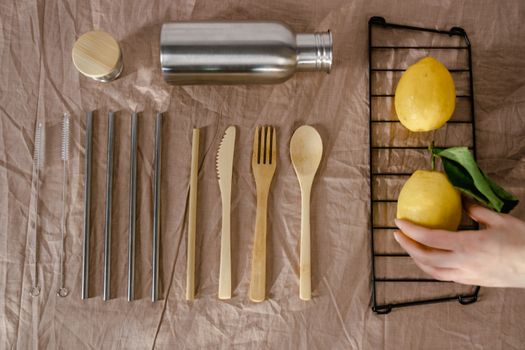
- Reusable Water Bottle: This is your non-negotiable MVP. I personally swear by my insulated Hydro Flask (around $30-45) for keeping water cold in scorching climates like Bangkok or hot on chilly treks in Patagonia. For space-saving, a collapsible silicone bottle like a Hydrapak Stash (around $20-30) is fantastic for backpacking.
- Pro Tip: Look for "refill stations" on apps like RefillMyBottle or simply ask cafes and hostels. Many places, especially in Europe (think free tap water in Rome or Paris), are happy to top you up. In some countries, like New Zealand or Canada, tap water is universally safe and delicious. In others, you might invest in a filter bottle (like a Lifestraw Go, $40-50) for peace of mind, allowing you to safely drink from questionable sources.
- Local Secret: By carrying your own bottle, you're not just saving plastic; you're saving money. Buying bottled water at tourist sites can quickly add up to significant savings over a long trip. Locals rarely buy bottled water unless absolutely necessary, and neither should you.
- Reusable Coffee Cup: For the caffeine connoisseur, a collapsible Stojo cup ($15-20) or a sleek KeepCup ($20-30) is a game-changer. Imagine strolling through a bustling market in Vietnam with your own cup, getting your cà phê sữa đá directly, or enjoying an espresso in Italy without the tiny, single-use plastic stirrer.
- Anecdote: In Melbourne, Australia, many cafes offer a small discount (10-50 cents) if you bring your own cup. Over a week, that’s not just eco-friendly, it's budget-friendly! A barista once gave me a knowing smile and an extra shot for being prepared. It felt like a secret handshake.
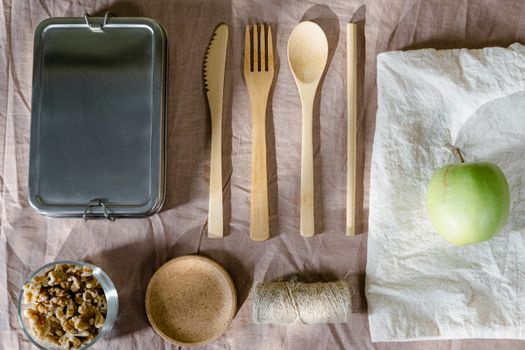
- Portable Cutlery Set & Straw: A lightweight bamboo or stainless steel set (around $10-20) tucked into a small pouch is invaluable. Think street food in Mexico, picnics in a Parisian park, or an impromptu meal on a train. Add a reusable straw (bamboo, metal, or silicone) if you're a straw-user.
- Personal Story: I was once offered a plastic fork with a delicious pad see ew from a street vendor in Chiang Mai. I proudly pulled out my bamboo fork, and the vendor, after a moment of surprise, gave me a thumbs-up and a little extra chili. It's those small interactions that make travel truly special.
- Snack Containers/Beeswax Wraps: A small, lightweight container (like a Stasher bag, $10-20, or a small Bento box) or a set of beeswax wraps (around $15-25) is perfect for leftovers, market finds, or packing your own snacks to avoid overpriced airport food.
- Local Secret: Locals often pack their own food for day trips, picnics, or long commutes. By doing the same, you blend in, save money, and avoid the packaged, often unhealthy, options aimed at tourists. Imagine buying fresh cheese and bread at a market in France and wrapping it in beeswax for a perfect picnic.
2. Bathroom Bliss, Zero Waste Style: Your Eco-Toiletries Kit
The bathroom is a major source of travel waste: tiny plastic bottles, disposable razors, plastic toothbrushes. This section is where you can make a huge impact on your luggage weight, space, and environmental footprint.
- Solid Shampoo, Conditioner, & Soap Bars: These are absolute game-changers. Brands like Ethique, Lush, or even local artisan soap makers offer fantastic options (around $10-20 per bar). They last much longer than liquid versions, don't leak, and are TSA-friendly.
- Practical Tip: Store them in a reusable tin or a breathable soap bag. I've used the same Ethique shampoo bar for a three-month trip through Southeast Asia, and it barely made a dent. No more worrying about exploding bottles in my backpack!
- Local Secret: In many developing nations, wastewater treatment isn't as robust. Using biodegradable solid toiletries means you're not introducing harsh chemicals into local water systems, which is something locals appreciate, even if they don't say it.
- Bamboo Toothbrush & Toothpaste Tabs/Powder: Ditch the plastic toothbrush for a biodegradable bamboo one (around $5-10). Pair it with toothpaste tabs (like from Bite or Lush, $10-15 per tin) or a toothpaste powder. These are compact, mess-free, and eliminate plastic tubes.
- Anecdote: My dentist in Berlin asked me about my bamboo toothbrush. When I told him I travel with toothpaste tabs, he was genuinely impressed, noting how many patients struggle with finding eco-friendly travel dental care.
- Menstrual Cup/Reusable Pads: For menstruating travelers, a menstrual cup (like DivaCup or LenaCup, $25-40) or reusable cloth pads are revolutionary. They save a huge amount of waste, are more comfortable, and mean you don't have to hunt for specific products in unfamiliar pharmacies.
- Personal Story: Using a menstrual cup completely changed my backpacking experience in remote parts of Peru. I didn't have to worry about finding tampons or disposing of waste responsibly, especially when trekking in areas with no facilities. It offered incredible freedom.
- Refillable Travel Containers: If you have a specific liquid product you can't live without, invest in high-quality, reusable silicone travel bottles. Buy your product in bulk at home and decant. This still reduces waste compared to buying travel-sized plastics.
3. Shop Smart, Not Wasteful: Your Eco-Shopping Arsenal
Shopping for souvenirs, groceries, or gifts is a big part of travel. But it often comes with a side of plastic bags and excessive packaging.
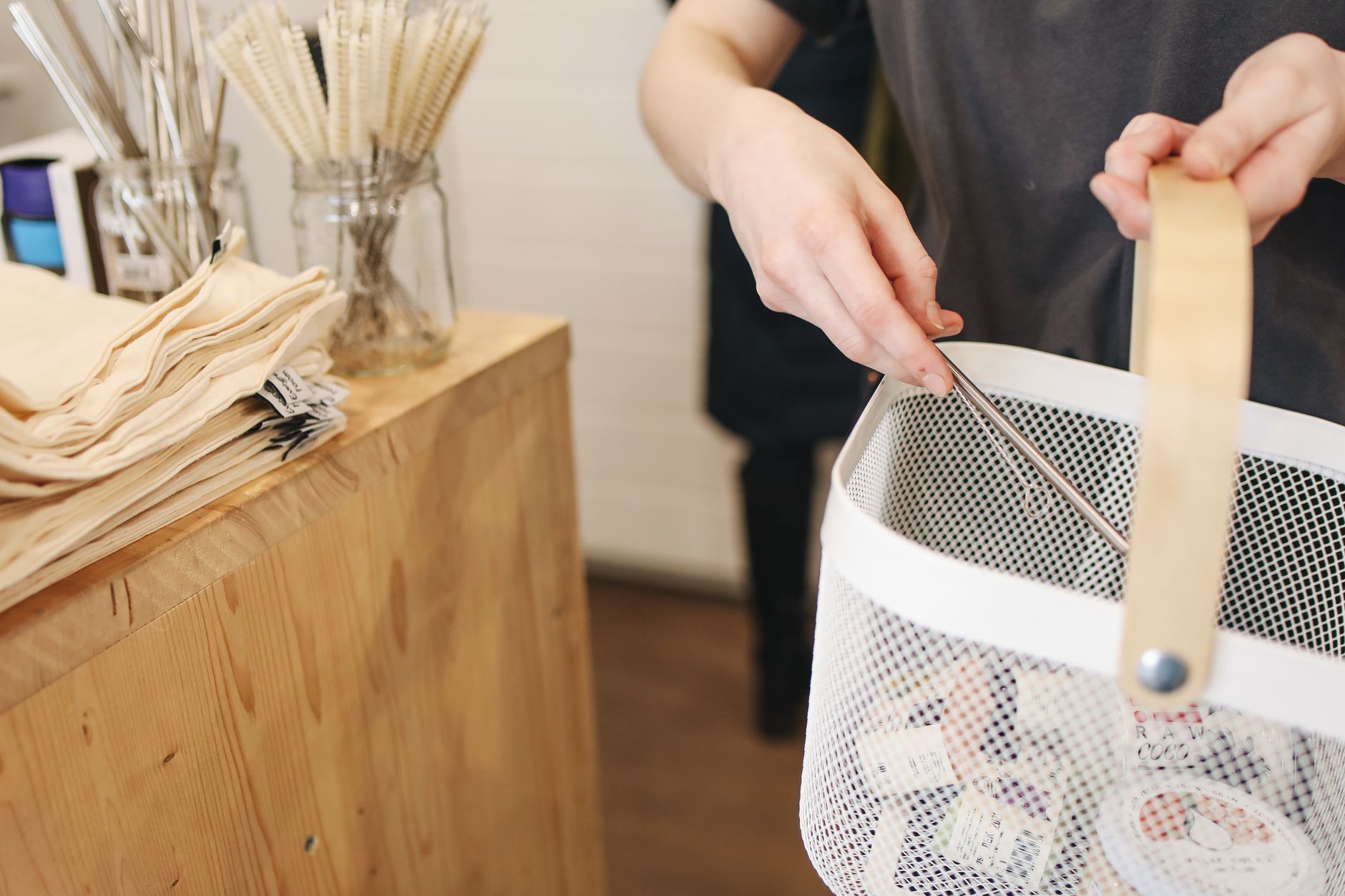
- Reusable Shopping Bag: This is another essential. A compact, foldable bag (like a Baggu, $12-16, or ChicoBag, $10-15) that fits in your pocket or daypack is perfect.
- Practical Tip: Always have it with you. You never know when you'll stumble upon a local market, need to carry groceries, or buy a last-minute souvenir.
- Anecdote: In a bustling souk in Marrakech, I bought some spices and a beautiful ceramic bowl. The vendor started to reach for a plastic bag, but I quickly presented my reusable one. He smiled, nodded, and even gave me a slight discount on the spices. It was a small gesture, but it felt like I'd earned a bit of local respect.
- Produce Bags (Mesh): For farmers' markets or grocery stores, these lightweight mesh bags (around $10-15 for a set) are fantastic for fruits, vegetables, and bulk items like nuts or dried fruit.
- Local Secret: In many cultures, going to the market is a daily ritual, and locals always bring their own baskets or bags. By doing the same, you're not just reducing waste; you're participating in a cultural norm, often leading to friendlier interactions with vendors.
4. Laundry & Wardrobe Wisdom: Travel Light, Live Clean
Packing light is a cornerstone of smart, sustainable travel. Less luggage means less fuel consumption if flying, easier mobility, and fewer items to potentially replace or discard.
- Minimalist, Versatile Clothing: Focus on quick-drying, versatile fabrics (merino wool, bamboo, technical synthetics) that can be mixed and matched. Think capsule wardrobe. Less clothing means less laundry, less water usage, and less baggage weight.
- Practical Tip: Pack for three days, wash one day. This is my golden rule. A quick-dry t-shirt and underwear can be washed in a sink and hung to dry overnight.
- Local Secret: Locals often have a practical wardrobe, especially in places with challenging climates. They prioritize comfort and durability over excessive fashion. Blending in with a practical wardrobe can make you less of a target for tourist scams and more approachable.
- Solid Laundry Bar: A small, solid laundry bar (like Dr. Bronner's or a local equivalent, $5-10) is perfect for hand-washing clothes in a sink. It's compact, won't leak, and is biodegradable.
- Anecdote: I once spent a month trekking through the mountains of Nepal. My solid laundry bar was a lifesaver, allowing me to wash essentials in guesthouse sinks, saving money on laundry services and ensuring I always had clean clothes, even in remote areas.
- Universal Drain Stopper: A simple, flat silicone drain stopper (around $5) is tiny but mighty. It ensures you can wash clothes in any sink, anywhere.
5. Beyond the Bag: Digital & Mindful Travel
Zero-waste travel isn't just about what you pack; it's about your mindset and how you interact with your destination.
- Digital Tickets, Guides, & Maps: Embrace your smartphone. Store all your boarding passes, hotel confirmations, maps (offline Google Maps is a lifesaver!), and guidebooks digitally.
- Personal Story: I used to carry heavy guidebooks. Now, with a few PDF downloads and offline maps, my phone is my entire travel library. In Kyoto, navigating the intricate bus system was a breeze with my digital map, and I felt less like a lost tourist clutching a paper map.
- Local Secret: Locals rely on digital tools for navigation and information. By doing the same, you appear more savvy, and you're not contributing to the piles of discarded paper maps and brochures that often end up in landfills.
- Refusing Flyers & Brochures: Politely decline promotional materials unless you genuinely need them. Most information is available online.
- Mindful Consumption: Before buying a souvenir, ask yourself: "Do I truly love this? Is it made locally? Will it bring me joy, or just clutter?" Support local artisans and businesses that use sustainable practices. This reduces demand for mass-produced, often plastic-heavy, tourist trinkets.
6. The Secret Sauce: Why Locals Appreciate Zero-Waste Travelers
This is the heart of the "secret" locals don't want you to know. It's not a malicious secret; it's an unspoken understanding that respectful travelers are a joy, not a burden.
- Environmental Empathy: When you reduce your waste, you're directly alleviating the pressure on local waste management systems, which are often rudimentary in popular tourist destinations. Locals see the overflowing bins, the plastic on their beaches, and the pollution in their air. Your actions speak volumes.
- Economic Integrity: By choosing to refill your water bottle, you're not sending money to a multi-national bottled water corporation. By bringing your own bag, you're not implicitly supporting businesses that contribute to plastic pollution. By choosing local, package-free goods, you're directly supporting the local economy and its people. This builds goodwill.
- Cultural Immersion: Locals are more likely to engage with travelers who show respect for their environment and culture. A simple nod of appreciation for using your own cup, a friendly exchange with a market vendor when you use your own bag – these are the moments that truly enrich travel. You become an "insider" rather than an "outsider."
- Avoiding Tourist Traps: Many tourist areas are designed to extract maximum money, often at the expense of local resources and sustainable practices (e.g., overpriced bottled water, cheap plastic souvenirs). By being zero-waste, you naturally sidestep many of these traps, saving money and having a more authentic experience.
- The Deeper Connection: Ultimately, zero-waste travel is about a deeper connection – to the planet, to the culture you're visiting, and to yourself. It's about being present, mindful, and responsible. And that, my friends, is the most profound travel secret of all.
---
Conclusion: Become the Traveler Locals Welcome Back
The journey towards zero-waste travel isn't about perfection; it's about progress. Every reusable item you pack, every plastic bag you refuse, every mindful choice you make is a step towards becoming a more responsible, respected, and deeply connected traveler.
Locals might not shout it from the rooftops, but they appreciate the traveler who understands the value of their pristine beaches, their clean rivers, and their vibrant communities. They appreciate the traveler who treads lightly and leaves only footprints, not waste.
So, next time you pack your bags, think beyond the checklist. Think about the impact you want to make, the stories you want to create, and the silent nods of approval you might just receive. Embrace these zero-waste essentials, unlock the secrets, and transform your adventures. Your next trip could be your most authentic, impactful, and unforgettable one yet.
Are you ready to join the movement? Share your favorite zero-waste travel tips in the comments below, and let's inspire each other to explore the world, beautifully and responsibly!
---