Remember that exhilarating feeling when you first discovered packing cubes and suddenly your suitcase made sense? Or the sheer bliss of noise-cancelling headphones on a long-haul flight, transforming chaos into calm? Get ready for that feeling again, but this time, it’s about doing good for the planet while you explore it.
Just a few years ago, I was on a dive trip in Raja Ampat, Indonesia – a place renowned for its pristine marine biodiversity. I surfaced from an incredible dive, surrounded by vibrant coral and schools of fish, only to see a plastic bottle bobbing next to our boat. Then another. And another. It hit me hard. Here I was, marveling at nature's wonders, yet contributing to its destruction with every single-use plastic item I consumed on my journey. My travel lifestyle, despite my best intentions, was part of the problem.
That moment was my wake-up call. I realized that sustainable travel wasn’t just about choosing eco-lodges or offsetting flights; it started with my backpack, my toiletry bag, and every single decision I made before and during a trip. Since then, I’ve been on a mission to uncover the ultimate zero-waste packing essentials – the game-changers, the future-proof items, the things that will soon be mainstream but you, dear reader, will already be rocking.
This isn't just about being trendy; it's about being responsible. It's about experiencing the world in a deeper, more meaningful way, knowing you're leaving a lighter footprint. So, ditch the disposables, embrace the reusables, and let's dive into the future of travel packing, one mindful choice at a time.
1. The Foundation: Reusable & Refillable Revolution
This is where your zero-waste journey truly begins. These are the everyday heroes that will drastically cut down your single-use plastic consumption from the moment you leave your doorstep.
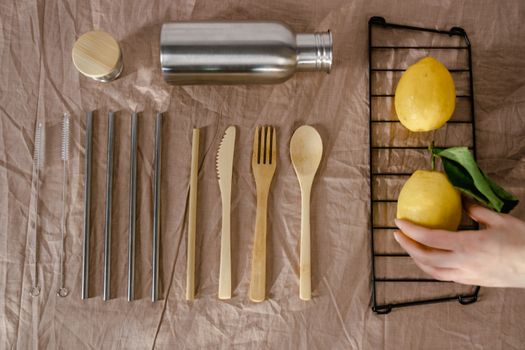
- The Unsung Hero: The Insulated Water Bottle. Forget those flimsy plastic bottles you buy at every airport or corner store. A high-quality insulated water bottle is your best friend. My personal favorite? A 32oz Hydro Flask (around $45 USD). It keeps water icy cold for 24 hours in the sweltering heat of Southeast Asia and piping hot for 12 in the chilly Andes. I've used mine everywhere, from refilling at cafes in Lisbon to finding water stations in national parks across the US (apps like RefillMyBottle or Tap can help you locate them). Not only do you save countless plastic bottles, but you also save a ton of money. I once calculated I saved over $100 on bottled water during a month-long trip through Thailand simply by refilling my Hydro Flask. Think of the savings you could put towards another adventure!
- Coffee & Tea on the Go: The Collapsible Cup. For the caffeine lovers (like me!), a collapsible coffee cup is a non-negotiable. My Stojo cup (around $15-20 USD) folds down to just 2 inches, easily slipping into my daypack. From a quick espresso in Rome to a large latte in a bustling Tokyo cafe, I've seen baristas' faces light up when I hand them my reusable cup. It's a small gesture that makes a big difference, and it’s a fantastic conversation starter. Plus, some cafes even offer discounts for bringing your own!
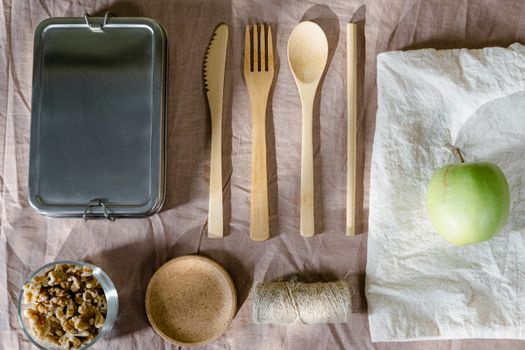
- Eating Clean: The Portable Utensil Set. How many times have you grabbed street food or a takeaway meal only to be handed flimsy plastic cutlery? Never again! A compact bamboo or stainless steel utensil set (my favorite is a bamboo set with a fork, spoon, knife, and chopsticks in a small fabric pouch, about $10-15 USD) is a game-changer. I vividly remember enjoying a delicious noodle soup from a street vendor in Hanoi, perfectly equipped with my own chopsticks, while others wrestled with plastic. It feels more civilized, more respectful, and certainly more sustainable.
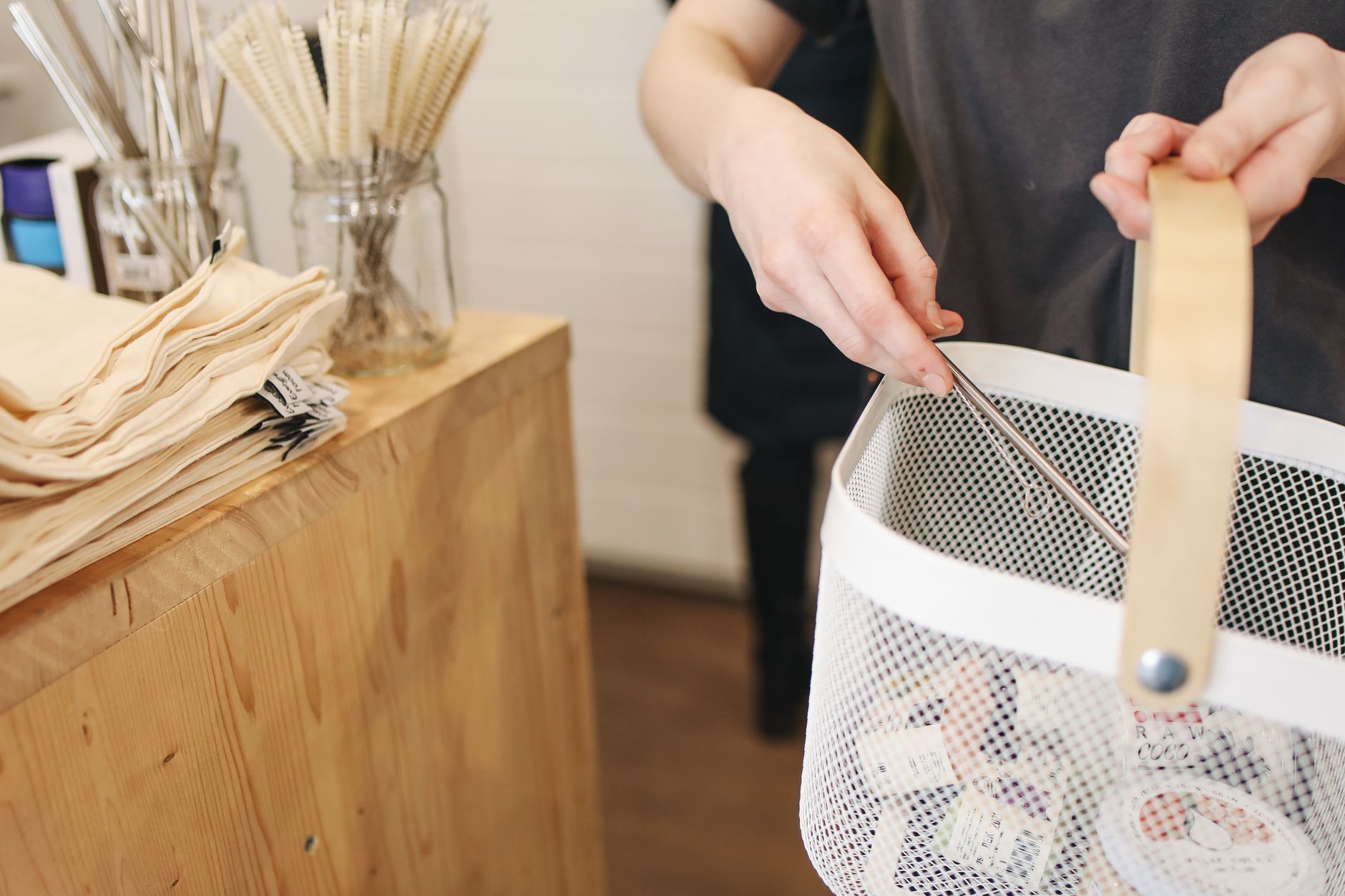
- Shopping Smarter: Reusable Produce & Shopping Bags. These are not just for your grocery runs at home. A couple of lightweight, foldable fabric bags (I love the Baggu brand, about $12-16 USD each) are indispensable for travel. They're perfect for picking up fresh fruit at a local market in Oaxaca, carrying souvenirs, or even as an impromptu laundry bag. I always keep one tucked into my purse, ready for any spontaneous shopping spree or farmers' market visit.
- The Refillable Toiletry Arsenal: This goes beyond just solid shampoo. Invest in high-quality, refillable silicone travel tubes (GoToob are my go-to, about $20-25 USD for a set of 3). Fill them with your favorite bulk shampoo, conditioner, body wash, or even lotion from a local refill store before you leave. In many cities, especially in Europe and North America, you can find bulk stores to top up on the go. This eliminates endless tiny plastic bottles and ensures you're using products you love.
2. Personal Care, Elevated: Beyond the Bar Soap
The bathroom is often the biggest culprit for single-use plastics. But with a few smart swaps, your personal care routine can be both luxurious and remarkably eco-friendly.
- The Power Duo: Solid Shampoo & Conditioner Bars. If you haven't made the switch, now is the time. Brands like Ethique and Lush (bars typically $12-18 USD) offer fantastic, concentrated formulas that last ages, take up minimal space, and glide through TSA with ease. My hair has never felt better since I switched to a solid shampoo bar. The trick is proper storage: a reusable tin or a breathable mesh bag will prevent them from getting mushy. I once traveled for two months through South America with just one shampoo bar and one conditioner bar – imagine the plastic bottles I avoided!
- Fresh Breath, Zero Waste: Toothpaste Tabs & Bamboo Brushes. Ditch the plastic toothpaste tube and opt for toothpaste tabs (Georganics, Bite, or Ethique offer great options, about $10-15 USD for a month's supply). They're mess-free, perfectly portioned, and come in recyclable packaging. Pair this with a compostable bamboo toothbrush (around $5-7 USD), and your oral hygiene routine is officially plastic-free.
- Deodorant that Delivers (and Disappears): Solid Sticks. Many brands now offer solid deodorant in compostable cardboard tubes (Meow Meow Tweet, Ethique, around $12-18 USD). They work just as well as their plastic counterparts, smell fantastic, and leave no trace behind. Plus, no worrying about liquid limits for carry-on!
- Makeup Removal & Menstrual Magic: Reusable Options. For makeup removal, invest in reusable cotton rounds (often sold in sets of 10-15 for $15-25 USD). They wash easily and eliminate hundreds of disposable wipes or cotton balls. For those who menstruate, a menstrual cup (DivaCup, LenaCup, around $25-40 USD) or reusable period underwear (Thinx, Knix, around $25-35 USD per pair) is an absolute game-changer, especially for longer trips or places with limited access to sanitary products. It’s a one-time investment that saves money, space, and a huge amount of waste. I can't stress enough how much freedom my menstrual cup has given me on treks and remote adventures.
- Sun Protection with a Conscience: Reef-Safe Sticks. When traveling to coastal areas, especially those with coral reefs (think the Maldives, the Great Barrier Reef, Hawaii), reef-safe sunscreen is paramount. Many brands now offer solid, plastic-free sunscreen sticks (Badger Balm, Raw Elements, around $15-20 USD) that are easy to apply and won't harm delicate marine ecosystems. It’s a small choice with a massive impact.
3. Wardrobe Wisdom: The Art of Mindful Minimalism
Packing light and packing sustainably go hand-in-hand. Your wardrobe choices can significantly reduce your environmental footprint while on the road.
- The Miracle Fibers: Merino Wool, Linen, and Tencel. These natural, high-performance fabrics are a sustainable traveler's dream. Merino wool (e.g., Icebreaker, Smartwool, shirts typically $80-120 USD) is naturally odor-resistant, temperature-regulating, and quick-drying. I've worn a single merino wool t-shirt for days on end during multi-day hikes in Patagonia without it smelling or feeling gross. Linen and Tencel are similarly breathable and durable, perfect for warmer climates. Investing in a few key pieces made from these materials means you pack less, wash less, and stay comfortable longer.
- Multi-Functional Marvels: The Versatile Sarong/Scarf. This isn't just a fashion statement; it's a Swiss Army knife of fabric. A large, lightweight sarong (around $15-30 USD) can be a beach towel, a modest covering for temples, a light blanket on a chilly bus, a headscarf, or even an impromptu tote bag. It's the ultimate minimalist accessory.
- The Tiny Lifesaver: A Travel Repair Kit. Accidents happen, especially on the road. A small sewing kit with a few needles, thread, and safety pins (easily found for under $10 USD) can save a favorite shirt from a tear or a pair of pants from a loose button. Repairing instead of replacing is a core tenet of zero-waste living and extends the life of your valuable travel gear. My tiny kit once saved my hiking shorts from unraveling mid-trek in the Dolomites!
- Packing Cubes (Still Relevant!): While not inherently zero-waste, packing cubes (I prefer ones made from recycled materials, around $30-50 USD for a set) help you organize your clothes, prevent overpacking, and keep your items in better condition, thus prolonging their lifespan. A well-organized bag encourages mindful consumption and packing.
4. Tech & Tools: Smart Solutions for a Lighter Footprint
Even our gadgets can be part of the zero-waste movement. It's about smart choices that reduce reliance on disposable power sources and paper.
- Power Up Sustainably: The Portable Solar Charger. For adventurers who venture off the grid, a portable solar charger (Anker, Goal Zero, around $40-80 USD) is invaluable. It can charge your phone, camera, or headlamp using the sun's energy, reducing your reliance on conventional power sources and preventing battery waste. I've relied on mine to keep my phone charged for navigation during a week-long trek in the Himalayas – it felt amazing to be self-sufficient.
- Digital Everything: Your Paperless Travel Companion. Embrace the digital age fully. Download all your boarding passes, hotel confirmations, guidebooks, and maps onto your phone or e-reader. An e-reader (like a Kindle Paperwhite, around $130 USD) can hold thousands of books, eliminating the need for bulky paperbacks and guidebooks. This not only saves paper but also lightens your load significantly.
- Water Freedom: The Portable Water Filter. For the truly adventurous, a personal water filter (Lifestraw, Sawyer Mini, around $20-30 USD) is a game-changer. It allows you to safely drink from virtually any freshwater source, eliminating the need for bottled water even in the most remote locations. I’ve used my Sawyer Mini to filter stream water in the Canadian Rockies, giving me complete independence and peace of mind.
- Cable Control: Reusable Cable Ties. Instead of disposable plastic ties or rubber bands, invest in a few reusable silicone cable ties (like Nite Ize Gear Ties, about $8-12 USD for a pack). They keep your charging cables and headphones neatly organized without creating waste.
5. The "Invisible" Essentials: Mindset & Planning
Zero-waste travel isn't just about what you pack; it's about how you approach your journey. Your mindset and planning are your most powerful tools.
- Research is Your Ally: Before you go, do a little digging. Are there bulk stores or refill stations in your destination? Does your accommodation offer filtered water or have a strong recycling program? Websites like Zero Waste Map or apps like RefillMyBottle can point you in the right direction. Knowing these things in advance makes your zero-waste efforts much easier. I always check for local farmers' markets or package-free grocery stores – it’s a fun way to explore a new place and support local businesses.
- The Power of "No, Thank You": This is perhaps the simplest yet most effective zero-waste tool. Politely refuse plastic bags, straws, unnecessary packaging, and freebies you don't need. It might feel awkward at first, but with a smile and a clear "No straw, please!" or "No bag, I have my own," you'll find most people are accommodating. I've learned that a polite refusal often sparks curiosity and even appreciation from locals.
- Support Local, Embrace Slow: Choosing local eateries, markets, and artisanal shops often means less packaging and a more authentic experience. Opt for experiences over material goods. Consider slow travel – longer stays in fewer places – to reduce your carbon footprint from transportation and allow you to immerse yourself more deeply.
- Borrow, Don't Buy (or Buy Secondhand): Do you really need that specialized hiking pole for one trip? See if you can borrow it from a friend or rent it. If you do need to buy something new, consider secondhand shops or online marketplaces. Extend the life of existing items and reduce demand for new production.
6. Real-World Application & Overcoming Challenges
Let's be real: zero-waste travel isn't always easy. It's a journey, not a destination, and there will be bumps in the road.
- Progress, Not Perfection: Don't get discouraged if you slip up. My first attempts at zero-waste travel were far from perfect. I forgot my reusable bag, accepted a plastic straw out of habit, or couldn't find a refill station. The goal isn't to be 100% waste-free on every trip (though that's an admirable aspiration!), but to continuously improve and make more conscious choices. Every small step counts.
- Navigating Cultural Differences: In some cultures, refusing an item or packaging might be seen as rude. Learn a few key phrases in the local language ("no plastic bag, please," "no straw, thank you") and approach situations with respect and a friendly demeanor. Sometimes, simply having your own reusable items visible (like your water bottle or coffee cup) will prompt the vendor to understand.
- Availability Varies: While zero-waste options are growing globally, some destinations are further along than others. A trip to Japan, for instance, where packaging is an art form, presents unique challenges compared to, say, Berlin, which has many bulk stores. Be prepared to adapt and do your best with what's available.
- Initial Investment vs. Long-Term Savings: Many zero-waste essentials have a higher upfront cost (e.g., a menstrual cup, a high-quality water bottle). However, these items are designed to last for years, saving you money on disposables in the long run. Think of them as an investment in both your travel future and the planet's health.
- Connect with the Community: The zero-waste travel community is vibrant and supportive! Follow other zero-waste travelers on Instagram, join Facebook groups, and share your tips and challenges. You'll find a wealth of knowledge and inspiration. Use hashtags like #TripsoraZeroWaste to connect!
Your Journey Starts Now
The world is calling, and it's asking us to travel differently. To leave only footprints, not trash. To connect with cultures and landscapes without leaving a detrimental mark. These zero-waste packing essentials are more than just items; they are tools for a more mindful, enriching, and responsible travel experience.
Imagine the feeling of cruising through airport security with no liquids to declare, knowing your bag is light, efficient, and filled with items that align with your values. Imagine sipping coffee from your reusable cup while gazing at a breathtaking vista, knowing you're part of the solution, not the pollution.
So, what's your first zero-waste swap going to be? Is it a sleek water bottle, a vibrant shampoo bar, or a handy utensil set? Start small, be consistent, and watch how these simple changes transform not just your packing, but your entire travel philosophy.
Be a pioneer. Be a change-maker. Your adventures can leave only footprints, not trash. Share your zero-waste travel tips and favorite essentials with us using #TripsoraZeroWaste – let's inspire each other to build a better future for travel, one conscious choice at a time!
---