The Hook: When the Dust Settles, the Magic Begins
I stepped off the Metrocable in Comuna 13, Medellín, and the first thing that hit me wasn’t the heat—it was the smell of cinnamon-dusted buñuelos and the rhythmic, aggressive bass of a local hip-hop battle. Twenty years ago, this specific hillside was a tactical battleground. Today, the only "conflict" I witnessed was two teenagers arguing over who had the better breakdance transition.
There is a specific, electric energy in a place that has reclaimed its soul. You can feel it in the way locals look you in the eye—not with suspicion, but with a fierce, hospitable pride. According to the latest Global Peace Index (GPI) and World Bank tourism growth indicators, we are witnessing a historic shift. "High-risk" labels are peeling off, revealing destinations that offer more authenticity and raw beauty than any over-touristed European capital ever could.
1. The Data Behind the Renaissance: Why Now?
Before we dive into the "where," let's talk about the "why." Geopolitical stabilization isn't just a buzzword; it’s measurable. Recent data from the Institute for Economics & Peace shows that while global peace is fluctuating, specific pockets—particularly in Sub-Saharan Africa and Southeast Asia—have seen a 15-20% improvement in internal safety metrics over the last decade.
Tourism is often the first "peace dividend." When a region stabilizes, infrastructure follows. We’re seeing a rise in "Intentional Travel"—a movement where travelers seek out these recovering zones to ensure their dollars support local reconciliation and economic growth.
2. Colombia: Beyond the Narcos Narrative
For decades, Colombia was synonymous with cartels. But look at the data: since the 2016 Peace Agreement, international arrivals have surged by over 300%.
The Vibe:
It’s no longer about hiding; it’s about exploding with color. Medellín, once the most dangerous city on earth, is now a global hub for digital nomads and urban planners.
* H3: The Transformation of Medellín
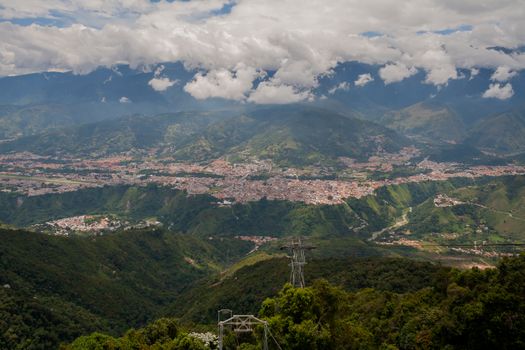
The city’s "Social Urbanism" project used architecture to heal. They built libraries and parks in the poorest neighborhoods and connected them with cable cars.
* Pro-Tip: Don't just do the "Graffiti Tour." Take the Metrocable to the very end of the line at Parque Arví. It’s a massive nature reserve that feels worlds away from the city grit.
* The Hidden Entrance: In Cartagena, skip the main clock tower gate. Enter the walled city through the Baluarte de San Salvador at sunset for a view of the skyline that most tourists miss.
3. Rwanda: The "Singapore of Africa"
If you’re looking for the gold standard of stabilization, it’s Rwanda. Thirty years after the 1994 genocide, Rwanda is consistently ranked as one of the safest and cleanest countries globally. Recent data from the World Travel & Tourism Council (WTTC) highlights Rwanda as a leader in luxury eco-tourism.
The Vibe:
Immaculate. I’m not joking—on the last Saturday of every month (Umuganda), the entire country stops to clean the streets.
* H3: Gorillas and Beyond
While the mountain gorillas of Volcanoes National Park are the main draw, the real stabilization story is in Akagera National Park. Once decimated by poaching and refugee resettlement, it is now a Big Five safari destination thanks to a massive reintroduction program.
* Pro-Tip: Visit the Kigali Genocide Memorial first. It provides the necessary context to appreciate the magnitude of the country’s current peace.
* Insider Language: Use the word "Muraho" (Hello) with a wide smile. The locals value politeness above all else.
4. Northern Ireland: 25 Years of the "Good Friday" Glow
Belfast used to be a city of checkpoints and "The Troubles." Today, it’s a city of Michelin-starred restaurants and the world’s largest Titanic museum. The Northern Ireland Statistics and Research Agency (NISRA) reported record-breaking tourism numbers in late 2023.
The Vibe:
Witty, resilient, and unapologetically industrial-chic.
* H3: The Murals of West Belfast
The "Peace Walls" still stand, but they are now canvases for world-class street art.
* Pro-Tip: Take a Black Taxi Tour. The drivers are often people who lived through the conflict; their stories are raw, biased, and utterly fascinating.
* The Secret Spot: Grab a pint at The Duke of York. It’s tucked down a narrow alleyway (Commercial Court) covered in flowers and fairy lights. It’s the soul of the city.
5. Vietnam: From War Zone to Tech Hub
Vietnam’s stabilization is so complete we often forget it was once the epicenter of global Cold War tension. Recent data shows Vietnam as one of the fastest-growing economies in Asia, with a tourism sector that has pivoted from "backpacker trail" to "high-end luxury."
The Vibe:
A frenetic, beautiful chaos balanced by deep spiritual calm.
* H3: The Central Highlands
While everyone flocks to Ha Long Bay, the Central Highlands (Da Lat and Kontum) offer a look at the "Real" Vietnam. This region was heavily contested during the war but is now a lush paradise of coffee plantations and indigenous culture.
* Pro-Tip: Rent a motorbike in Hoi An, but skip the tailor shops for a day. Ride out to the My Son Sanctuary at 6:30 AM. You’ll beat the tour buses and see the Champa ruins in the morning mist.
* The Flavor: Ask for "Cà Phê Muối" (Salt Coffee) in Hue. It sounds weird; it tastes like salted caramel heaven.
6. Sri Lanka: The Resilient Teardrop
Sri Lanka has faced a double-whammy: a 26-year civil war that ended in 2009, followed by recent economic instability. However, 2024 data shows a massive stabilization in the exchange rate and a 106% year-on-year increase in tourist arrivals.
The Vibe:
Lush, slow, and deeply aromatic.
* H3: The Jaffna Peninsula
The North was off-limits for decades. Now, the train to Jaffna is open. It feels different from the South—more Hindu temples, flatter landscapes, and a distinct Tamil culture.
* Pro-Tip: The Pekoe Trail is a new 300km hiking network through the tea country. Section 10 is the sweet spot for views without the crowds.
* Quick Fact: Sri Lanka is one of the few places where you can see a Blue Whale and a Leopard on the same day.
7. The Budget & Logistics: Planning Your Comeback Tour
| Destination | Est. Daily Cost ($) | Best Time to Visit | How to Get There |
| :--- | :--- | :--- | :--- |
| Colombia | $40 - $70 | Dec - March | Fly into MDE or BOG. |
| Rwanda | $100 - $250* | June - Sept | Fly into KGL (Kigali). |
| Belfast | $90 - $150 | May - Sept | Fly into BHD or BFS. |
| Vietnam | $30 - $60 | March - May | Fly into SGN or HAN. |
| Sri Lanka | $35 - $65 | Jan - April | Fly into CMB (Colombo). |
\*Note: Rwanda costs are higher due to permit fees for gorillas.
The Ethics of "Peace Tourism"
Traveling to regions stabilizing after conflict requires a different mindset. You aren't just a consumer; you're a witness.
1. Hire Local: Always prioritize local guides over international agencies.
2. Ask, Don't Assume: Some people want to talk about the past; others want to move on. Follow their lead.
3. Respect the Sites: Former prisons or battlefields aren't "Instagram backdrops." Treat them with the solemnity they deserve.
The Verdict:
These regions aren't just "safe enough" to visit; they are some of the most rewarding places on the planet. The data proves the stabilization is real. The question is: are you bold enough to see it for yourself?
---