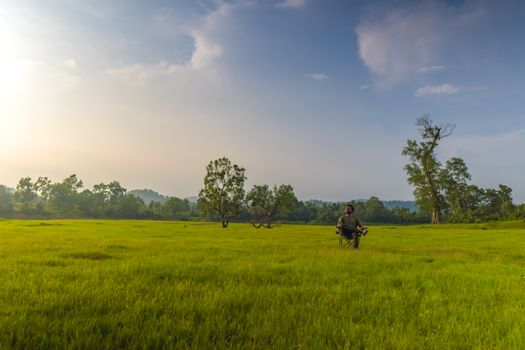
The Hook: A Breath of Wild Air
I stepped off the local sleeper train in the Cairngorms, and the air didn’t just hit me—it bit me. It smelled of damp peat, crushed pine needles, and that sharp, metallic tang of an incoming Highland storm. But beneath the cold, there was something else: a silence that felt heavy and expectant. I wasn’t here to bag another Munro or snap a photo of a Highland cow. I was here because, for the first time in centuries, the fences were coming down.
I spent that afternoon knee-deep in a bog, planting a row of spindly birch saplings. It wasn’t glamorous. My boots were ruined, and my fingers were numb. But as I looked across the glen, I realized I was standing in a literal bridge—a corridor of life being stitched back together by hand. This is the new frontier of travel. We aren’t just observers anymore; we are the menders.
1. The Caledonian Revival: Scotland’s Affric Highlands
The "Big Picture" in Scotland has shifted from keeping sheep in to letting the wild back out. The Affric Highlands project, which gained massive momentum late last year, is officially the UK’s largest rewilding landscape. It’s a 30-year vision to connect over 500,000 acres of land, allowing species like the pine marten and the elusive Scottish wildcat to roam freely.
The Role for You:
While much of the work is high-level land management, the "Trees for Life" initiative is where travelers get their hands dirty. You can join "Conservation Weeks" where you’ll live in a remote bothy, plant native trees, and remove redundant fencing that acts as a death trap for woodland birds like the Capercaillie.
- Pro-Tip: Don’t just stick to the main trails. Head to the Dundreggan Rewilding Centre at 8:30 AM before the tour buses arrive. There’s a "hidden" trail behind the main education building that leads to a viewpoint where you can see the exact line where the old grazing land meets the new, vibrant forest.
2. The Path of the Tapir: Costa Rica’s Osa Peninsula
In Costa Rica, the "Paso de la Danta" (Path of the Tapir) is an emerging biological corridor connecting the highlands of the Talamanca Range to the lowland rainforests of the Osa Peninsula. This is the "Amazon of Central America," and it’s currently being stitched back together to allow jaguars and tapirs to migrate without crossing deadly highways.
The Role for You:
Stay at eco-lodges like Lapa Rios, which are active participants in the Osa Conservation project. You can assist in "Citizen Science" walks, using the iNaturalist app to document species sightings that help researchers map animal movements within the corridor.
- Pro-Tip: The best wildlife sightings happen at the "Blue Bridge" near the Carbonera school. It’s a nondescript spot, but it’s a known bottleneck for spider monkeys crossing between forest fragments. Go at dawn and bring high-quality binoculars; the canopy is dense.
3. The Terai Arc: Nepal’s Tiger Superhighway
Nepal is quietly becoming a world leader in conservation. The Terai Arc Landscape (TAL) is a massive corridor project spanning the border between Nepal and India. It’s designed to connect 16 protected areas, allowing tigers and rhinos to move across the landscape. This year, new "community-managed forests" are opening up for limited, high-impact tourism.
The Role for You:
Look for "Homestay" programs in the Buffer Zones of Bardia National Park. Your tourism dollars directly fund the "Community Forest Coordination Committees" (CFCCs), which pay for anti-poaching patrols and the maintenance of "bio-fences" (thorny hedges that keep rhinos out of crops without hurting them).
- Pro-Tip: Skip the crowded Jeep safaris in Chitwan. Head west to Bardia. The "hidden entrance" to the most active tiger-sighting area is via a small dugout canoe crossing at the Babai River. Ask for a guide named "Dilli"—he knows the tiger pugmarks better than anyone in the valley.
4. The European Green Belt: The Iron Curtain to Green Ribbon
What was once the most militarized border on Earth—the Iron Curtain—has become one of the world’s most significant wildlife corridors. Stretching from the Barents Sea to the Adriatic, this "Green Belt" is a sanctuary for wolves, bears, and lynx. This year, the focus is on the Balkan Green Belt, specifically the border between Albania, Montenegro, and Kosovo.
The Role for You:
You can participate in "Trans-border Trekking" tours that support local mountain huts and guides. By hiking these trails, you prove to local governments that a living corridor is more profitable than a hydroelectric dam or a mine.
- Pro-Tip: In the Accursed Mountains (Prokletije), the local "spice blend" used in mountain stews is a mix of wild oregano and dried juniper berries. It’s the taste of the corridor. Buy a jar from the guesthouse in Theth—the proceeds go toward trail maintenance.
5. The Great Limpopo: Africa’s Fence-Free Future
The Great Limpopo Transfrontier Park is a gargantuan effort to link Kruger (South Africa), Limpopo (Gaza, Mozambique), and Gonarezhou (Zimbabwe). It’s about removing the colonial-era fences that disrupted ancient elephant migration routes. Emerging this year are new "corridor camps" that focus on the Mozambique side, where the rewilding is most active.
The Role for You:
Join a "Wilderness Trail" with the Peace Parks Foundation. These aren’t traditional safaris; they are multi-day walking expeditions where you learn the art of tracking and assist in "Bio-Blitz" surveys to record bird and insect life in newly opened areas.
- Pro-Tip: The border crossing at Giriyondo is for tourists only and is much quieter than the main gates. Have your papers ready, and arrive exactly at 8:00 AM. The drive from there into the Mozambique side offers a raw, rugged look at what Africa looks like when the fences come down.
The Budget & Logistics: Quick Facts
| Destination | Est. Cost (Weekly) | Best Time to Visit | How to Get There |
| :--- | :--- | :--- | :--- |
| Scottish Highlands | $1,200 - $1,800 | May - September | Fly to Inverness; Rent an EV. |
| Costa Rica (Osa) | $1,500 - $2,500 | Jan - April (Dry Season) | Domestic flight from San Jose to Puerto Jimenez. |
| Nepal (Bardia) | $600 - $1,000 | Oct - Nov or March - April | Fly to Nepalgunj; 2-hour drive to the park. |
| Balkan Green Belt | $800 - $1,200 | June - September | Fly to Tirana; Local "Furgon" (minibus) to Theth. |
| Great Limpopo | $2,000 - $3,500 | June - August (Dry/Cool) | Fly to Hoedspruit; 4x4 vehicle required. |
Authenticity: The Insider’s Perspective
When you’re in these corridors, don’t look for the "perfect" landscape. A true wildlife corridor is often messy. It’s a mix of old-growth forest, scrubby "buffer zones," and community farms. In the Scottish Highlands, you’ll see "deadwood"—fallen trees left to rot. To the untrained eye, it looks untidy. To an insider, that’s the smell of a healthy ecosystem. That rotting log is a skyscraper for beetles, which feed the birds, which feed the pine martens.
When you sit down at a local tavern in the Balkans or a tea house in Nepal, ask the locals about the animals. Don't ask "Where can I see a tiger?" Ask "How has the forest changed since your grandfather's time?" That’s how you get the real stories—the ones about the night the elephants walked through the village for the first time in forty years, or the return of the eagles to the glen.
Why This Matters Now
We are currently losing species at 1,000 times the natural extinction rate. Isolated "islands" of national parks aren't enough; animals need to move to survive climate change and maintain genetic diversity. By choosing to visit and support these emerging corridors, you aren't just a tourist. You are the financial and social engine that keeps the fences down and the trees growing.
Pack your boots, download your tracking apps, and get ready. The wild is calling, and this time, it needs your help to stay connected.
---