Volunteer travel, often called voluntourism, combines travel with unpaid work that is intended to benefit a community. Some programs make a lasting difference by responding to needs identified by local people and by employing trained staff. Others provide little value to residents, disrupt existing services or create dependency. Because the sector is loosely regulated, the quality of programs varies widely, and attractive marketing can obscure the realities. This guide explains how to evaluate volunteer programs, what questions to ask and how to recognize work that genuinely helps communities.
Why the design of a program matters
Many volunteer projects are built around the wishes of the visitor rather than the needs of the host community. A short stay of a few days may not allow volunteers to learn local languages, understand context or sustain relationships. Unskilled labor on construction tasks can take work from local tradespeople, and building projects may be left unfinished or require repairs once volunteers leave. Programs that bring children into close contact with short-term visitors can also raise safeguarding concerns. Recognizing these patterns is the first step to choosing better options.
Look for programs where local people set priorities, lead the work and decide how it is evaluated. Community-owned organizations, local NGOs and schools often have a clearer understanding of what is needed than external agencies.
Questions to ask before you commit
A few direct questions can reveal a great deal. Ask who identified the need for the project and how that was decided. Ask whether local staff or community members lead the work and whether they are paid fairly. Ask how the program fits into longer-term plans, and what happens after volunteers leave. Inquire about the skills required and whether training will be provided. Ask how the organization protects children and vulnerable people, and what safeguarding policies it applies to volunteers.
Finally, ask about costs. Some programs charge substantial fees, and it is reasonable to know what share goes to the community project, accommodation, transport and organizational overheads. Clear financial reporting is a good sign.
Common red flags
Be cautious with programs that promise quick transformation, that focus heavily on photographs of volunteers with children, or that sell placements without explaining the work involved. Programs that do not require any relevant skills for roles that clearly need them may not be well designed. Organizations that cannot name their local partners, or that refuse to share outcomes, deserve further scrutiny. Watch for offers that encourage unsupervised contact with children, or that describe unregistered orphanages as attractions.
Also consider whether the timing is appropriate. Projects that rely on constant rotation of short-term volunteers can disrupt continuity for residents, particularly in education or health care.
Matching skills and interests with real needs
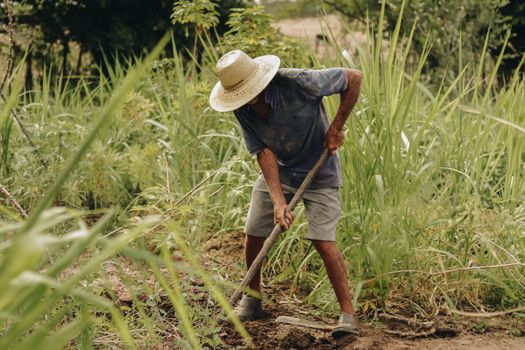
The most useful volunteer work usually draws on specific skills and sustained commitment. Teaching English, for example, can be valuable when the local school requests it and when volunteers plan a consistent schedule with teachers. Health-related work should be guided by qualified professionals and should respect local systems. Environmental and agricultural projects often benefit from longer involvement and training. If you have professional skills, consider offering them through a program that can use them, or ask whether remote support is more appropriate.
Be honest about what you can offer. A few weeks of enthusiasm may not match a project that requires months of commitment, and a realistic plan serves both you and the community better.
Being a respectful guest
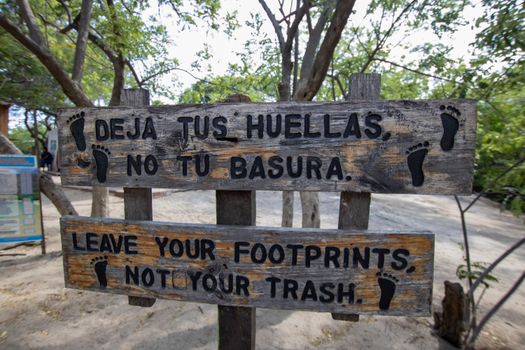
Whatever program you choose, behave as a respectful guest. Learn local customs, greetings and etiquette, and dress appropriately. Follow the rules set by the host organization, including those about photography and contact with children. Avoid giving money or gifts directly to individuals outside the program, since this can create unhelpful expectations. Consider local purchases and accommodation that supports families and small businesses. Reflect on your experience with humility, recognizing that your understanding is limited.
Alternatives that can deliver similar benefits
Not every way of helping requires travel. Donating to vetted community organizations, supporting fair-trade purchasing, or offering professional expertise remotely can all make a meaningful difference. Some volunteer roles can be done online, such as translation or mentoring. If you do travel, consider longer placements with established partners, or paid work with local organizations where appropriate and legal.
Practical tips
Research the organization independently, including reviews from former volunteers and local partners. Check safeguarding policies and ask how they are enforced. Confirm what is included in the fee and how the money is used. Prepare with language basics and an understanding of the community's history. Keep your commitment realistic and communicate clearly with the host. Follow up after your trip by sharing feedback honestly with the organization, and consider continued support if it is appropriate.
Voluntourism can help communities when it responds to their priorities, uses qualified people and builds lasting capacity. Careful questions, honest self-assessment and respectful conduct are the best guides to finding work that genuinely helps.