Voluntourism That Actually Helps: Your Definitive Guide to Impactful Travel in 2024
I stepped off the rickety bus, the scent of roasting plantains and damp earth thick in the air. The late afternoon sun, a molten gold, painted the adobe walls in hues of ochre and rose. Children, their laughter echoing like wind chimes, chased a worn-out soccer ball down a dusty lane. This wasn't a postcard; this was the vibrant, living pulse of a community I was about to become a small, yet hopefully significant, part of. For years, the word "voluntourism" has conjured a mixed bag of images: well-intentioned but often misguided efforts, and sometimes, outright exploitation. But this year, a seismic shift is happening. Emerging destinations and seasoned organizations are redefining what it means to travel with purpose, focusing on genuine empowerment and long-term sustainability. This is the new wave of voluntourism, and it’s absolutely transformative.
The Evolution of "Doing Good": Beyond the Orphanage Visit
Let's be frank. The days of a week-long orphanage visit, however heartfelt, are being scrutinized – and rightly so. While the intention is noble, the reality can sometimes be disruptive to children's stability and can create a dependency rather than fostering local capacity. Today's most effective voluntourism models are built on principles of collaboration, skill-sharing, and long-term partnership. They recognize that local communities possess immense knowledge and agency, and that true impact comes from amplifying their existing strengths, not imposing external solutions.
We're talking about initiatives that:
- Empower local artisans by connecting them to global markets and fair trade practices.
- Support sustainable agriculture through knowledge exchange and the development of eco-friendly farming techniques.
- Foster educational opportunities that are designed and led by local educators, building on indigenous knowledge.
- Invest in infrastructure projects that are identified, prioritized, and maintained by the community itself.
This isn't about being a tourist who happens to volunteer; it's about being a traveler who actively contributes to a community's self-determined development.
Hidden Gems: Emerging Destinations Redefining Impact
While established voluntourism hubs exist, the real excitement this year lies in the emerging destinations. These are places where your contribution can have a magnified effect, where the need for skilled volunteers is high, and where the cultural immersion is profound and authentic.
1. The Andean Highlands of Ecuador: Sustainable Farming & Cultural Preservation
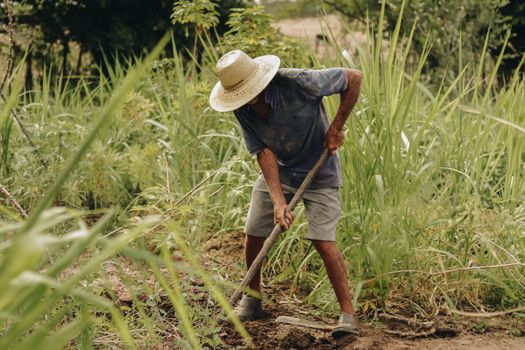
I spent a memorable fortnight in a small Quechua village nestled high in the Andes. The air was thin and crisp, carrying the scent of eucalyptus and woodsmoke. My role? Assisting a local cooperative in developing a more efficient irrigation system for their quinoa and potato crops, using traditional techniques combined with some modern, low-impact engineering principles.
- The Vibe: Serene, deeply spiritual, and incredibly resilient. The people here have a profound connection to the land and a rich cultural heritage that they are fiercely proud of.
- The Impact: By working alongside local farmers, we helped implement a gravity-fed system that reduced water waste and increased yields, directly benefiting their livelihoods. We also participated in workshops documenting traditional weaving techniques, ensuring their preservation for future generations.
- Pro-Tip: Learn a few basic Quechua phrases. Even a simple "Alli puncha" (Good day) will open doors and hearts. The local market in Otavalo (Saturdays are best) is a must-visit for vibrant textiles and crafts.
2. The Coastal Villages of Ghana: Marine Conservation & Eco-Tourism Development
The salty tang of the Atlantic mingled with the aroma of grilled fish as I walked along the beach in a fishing village in the Volta Region. My project focused on supporting a local initiative to combat plastic pollution and develop sustainable eco-tourism experiences that directly benefit the fishing community.
- The Vibe: Lively, communal, and deeply connected to the ocean. The rhythms of the sea dictate life here, and the community spirit is palpable.
- The Impact: Volunteers helped organize beach clean-ups, conducted workshops on waste management for local schools, and assisted in developing guided nature walks and responsible fishing tours. This diversifies income beyond traditional fishing, which is increasingly threatened by overfishing and climate change.
- Pro-Tip: Visit during the Fetu Afahye festival in Cape Coast (early September) for a spectacular cultural immersion. Engage with local fishermen; their knowledge of the ocean is unparalleled.
3. Rural Communities in Northern Thailand: Livelihood Diversification & Digital Literacy
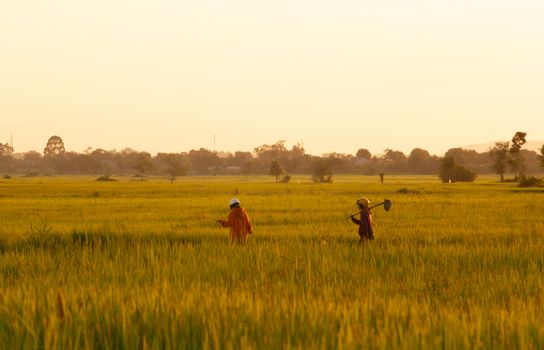
The emerald rice paddies stretched as far as the eye could see, punctuated by the gentle sway of bamboo. Here, in a community bordering a national park, my focus was on empowering local women to develop new income streams through handicraft production and teaching basic digital literacy skills to young entrepreneurs.
- The Vibe: Tranquil, artistic, and forward-thinking. There's a strong emphasis on preserving traditional crafts while embracing modern opportunities.
- The Impact: We helped refine product designs for handcrafted goods, enabling them to be marketed more effectively online. We also ran workshops on using social media and e-commerce platforms to reach a wider customer base, fostering economic independence.
- Pro-Tip: Explore the Doi Inthanon National Park for stunning waterfalls and diverse flora. Seek out local cooking classes for an authentic taste of Northern Thai cuisine.
The Pillars of Ethical Voluntourism: What to Look For
Choosing the right program is paramount. Not all "voluntourism" is created equal. Here are the non-negotiables for ensuring your efforts are genuinely beneficial:
- Community-Driven Needs: Does the project address a need identified and prioritized by the local community? Look for organizations that partner with locals, not just in them.
- Local Leadership & Employment: Are local people in leadership roles? Are they being paid fair wages for their work? A truly ethical program will prioritize local employment and capacity building.
- Skill-Based Contributions: Are you being asked to contribute skills that are genuinely needed and that you possess? Avoid programs that simply want cheap labor for tasks locals can do.
- Transparency & Accountability: Does the organization have clear financial reporting and impact assessments? Are they transparent about where your money goes?
- Cultural Sensitivity Training: Does the program provide training on cultural norms, etiquette, and historical context? Respecting local traditions is key.
- Long-Term Sustainability: Is the project designed to be self-sufficient in the long run, or does it rely perpetually on external volunteers?
Quick Facts: Planning Your Impactful Journey
| Feature | Andean Highlands, Ecuador | Coastal Ghana, Volta Region | Northern Thailand, Rural |
| :---------------- | :------------------------ | :-------------------------- | :----------------------- |
| Estimated Cost ($) | $800 - $1500 (2 weeks) | $600 - $1200 (2 weeks) | $700 - $1400 (2 weeks) |
| Best Time to Visit | Dry Season (June-Sept) | Dry Season (Oct-Mar) | Dry Season (Nov-Feb) |
| How to Get There | Fly to Quito (UIO), then bus to Otavalo region. | Fly to Accra (ACC), then bus to Volta Region. | Fly to Chiang Mai (CNX), then bus/private transfer. |
| Typical Projects | Sustainable agriculture, cultural preservation, education support. | Marine conservation, waste management, eco-tourism development, education. | Handicraft development, digital literacy, sustainable tourism, education. |
Pro-Tip for Budgeting:
Factor in flights, visa fees (if applicable), travel insurance, and personal spending money. Many reputable organizations also have a program fee that directly supports their work.
Insider Language: Speaking the Local Dialect of Impact
When you're researching programs, listen for these cues that indicate a genuine commitment to impactful voluntourism:
- "Capacity building" rather than "aid."
- "Empowerment" and "self-sufficiency" as core objectives.
- "Partnership" and "collaboration" with local entities.
- "Skill-sharing" and "knowledge transfer" as primary volunteer roles.
- Emphasis on "cultural exchange" and "mutual learning."
Avoid organizations that solely focus on "giving back" without detailing how that giving is sustainable and locally driven.
Your Toolkit for Transformation: Essential Resources
- Idealist.org: A fantastic platform for finding volunteer opportunities worldwide, with filters for ethical and impactful programs.
- Voluntary Service Overseas (VSO): Focuses on long-term placements for skilled professionals.
- WWOOF (World Wide Opportunities on Organic Farms): For those interested in sustainable agriculture and living with host families.
- Local NGOs: Do your research on grassroots organizations in your destination country. Often, they have the most direct and authentic impact.
- Tripsora's curated list of ethical travel partners: (Coming soon!) We're building a directory of organizations that meet our stringent impact criteria.
The Ripple Effect: Your Journey Beyond the Trip
The beauty of true voluntourism is that the impact doesn't end when you leave. You return with a deeper understanding of global challenges, a renewed sense of purpose, and the invaluable experience of having contributed to something meaningful. You become an advocate, a storyteller, and an ambassador for the communities you’ve supported.
This year, let's move beyond the superficial. Let's embrace voluntourism that genuinely empowers, sustains, and transforms. Your next adventure can be more than just a trip; it can be a catalyst for positive change.