The Tide is Turning: Destinations That Pay You to Clean Beaches
I stepped off the ferry onto the sun-drenched island of Flores, Indonesia, and the scent hit me first – a heady mix of salt spray, blooming frangipani, and something… less pleasant. A faint, plastic tang. It was a stark contrast to the postcard-perfect turquoise waters and powdery white sand that stretched before me. I’d come for the legendary Komodo dragons, but a deeper calling had also drawn me here: the chance to participate in a new wave of travel, one where exploration and environmental stewardship aren't mutually exclusive. In fact, in some truly incredible corners of the globe, they’re intertwined. Forget just visiting pristine places; these destinations are actively rewarding travelers for helping keep them that way.
The Rise of the 'Eco-Paid' Traveler
The concept sounds almost too good to be true, right? Destinations paying tourists to clean beaches. But as I’ve delved deeper into the world of sustainable travel, I’ve discovered a burgeoning movement. It’s not about large corporations footing the bill for your holiday; it’s about local communities, passionate NGOs, and forward-thinking governments recognizing the immense value of hands-on conservation. They understand that a tourist with a trash bag can be a powerful force for good, and they’re incentivizing this participation. This isn't just voluntourism; it's a symbiotic relationship where your desire to explore fuels their mission to preserve.
1. Portugal's Algarve Coast: Where Sun, Sea, and Sustainability Collide
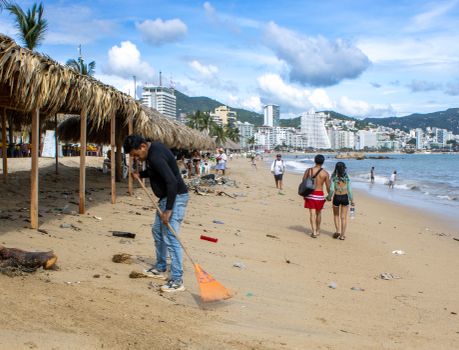
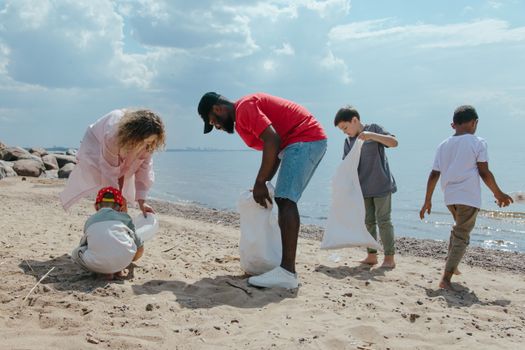
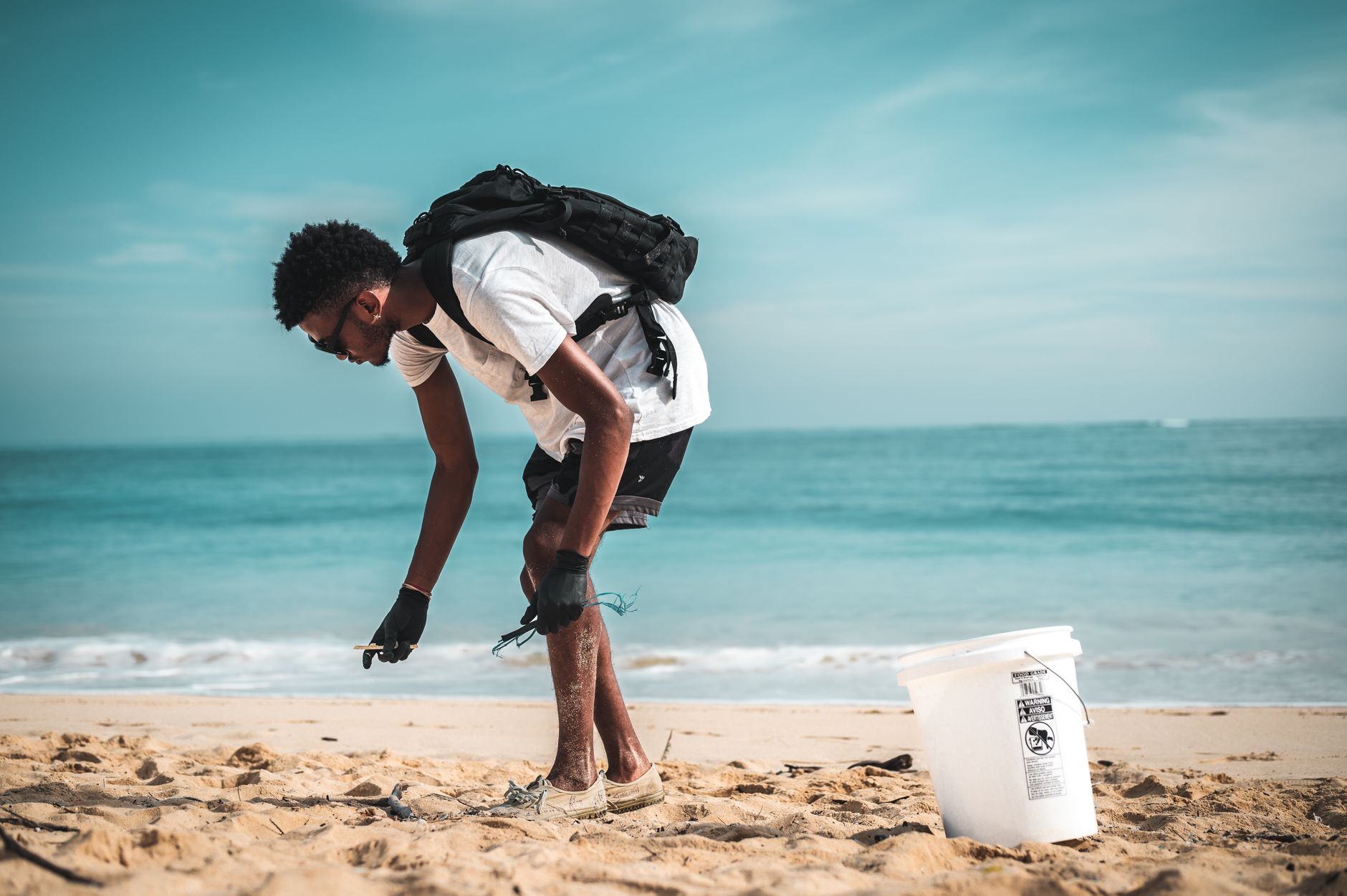
My first real encounter with this phenomenon was on a windswept afternoon in the Algarve. I’d heard whispers of a program in Lagos, a charming coastal town known for its dramatic sea caves and golden beaches. I found myself joining a small, dedicated group armed with gloves and biodegradable bags. The initiative, spearheaded by a local eco-tourism collective, offered participants a daily stipend and a voucher for a local seafood restaurant in exchange for a few hours of beach combing.
Pro-Tip:
Most cleanup events are organized through local surf schools or dive centers. Sign up a day in advance to secure your spot. The best time to join is often in the early morning, as the sun begins to warm the sand, before the beachgoers arrive.
The feeling was incredible. As I meticulously collected plastic bottles and discarded fishing nets, the usual tourist guilt – the nagging sense of leaving a footprint – was replaced by a profound sense of contribution. The reward wasn't just the small financial incentive, but the genuine appreciation from locals and the visible difference we were making. The salty air felt cleaner, the laughter of children playing nearby more joyous.
Quick Facts: Algarve Eco-Cleanup
- Estimated Daily Payout: €20-€40 (depending on the program and duration)
- Best Time to Visit: April to June and September to October (pleasant weather, fewer crowds)
- How to Get There: Fly into Faro Airport (FAO), then take a bus or train to Lagos.
2. The Galapagos Islands: Protecting Paradise, One Piece of Plastic at a Time
This UNESCO World Heritage site is a dream destination for wildlife enthusiasts. But its delicate ecosystem is under constant threat from marine debris. Several conservation organizations have partnered with local authorities to offer paid opportunities for travelers to participate in beach and coastal cleanups. These aren't your typical beach holidays; they often involve more rigorous fieldwork, but the rewards are unparalleled.
Insider Scoop:
Some programs offer accommodation and meals in exchange for a longer commitment (e.g., two weeks). These are often run by smaller, community-based initiatives. Look for them on specialized eco-travel job boards.
I spoke with a marine biologist who explained the critical importance of these efforts. "Every piece of plastic we remove," she told me, her eyes scanning the horizon, "is a potential threat avoided for sea turtles, marine iguanas, and countless other species. When tourists actively participate, they become ambassadors for our islands." The payout here might be less about direct cash and more about subsidized tours or discounted accommodation, but the knowledge that you're directly contributing to the survival of these unique creatures is priceless.
Quick Facts: Galapagos Conservation Corps
- Estimated Compensation: Often includes subsidized accommodation, meals, and discounted guided tours. Direct payment is less common but can be found in specific project roles.
- Best Time to Visit: December to May (warm season, good for diving and snorkeling), June to November (cool season, ideal for observing marine life).
- How to Get There: Fly into Baltra Airport (GPS) or San Cristóbal Airport (SCY) from mainland Ecuador (Quito or Guayaquil).
3. Costa Rica's Pacific Coast: Pura Vida with a Purpose
Costa Rica, synonymous with 'Pura Vida' (pure life), is a pioneer in ecotourism. Along its stunning Pacific coastline, from the Nicoya Peninsula to the Osa Peninsula, various eco-lodges and conservation projects actively recruit travelers to help with beach cleanups and habitat restoration. These initiatives often go beyond just trash removal, involving mangrove planting and sea turtle nest monitoring.
Pro-Tip:
Many eco-lodges offer package deals that include accommodation, meals, and participation in their conservation programs. Look for lodges that are certified by the Costa Rican Tourism Board (ICT) for their sustainability practices.
I spent a week at a small lodge near Manuel Antonio National Park. My days were a blissful rhythm of exploring lush rainforests teeming with monkeys and sloths, and afternoons spent combing the shoreline. The lodge compensated participants with free accommodation and hearty, locally sourced meals. The local chef, a woman named Elena with a smile as warm as the tropical sun, would often share stories of the ocean’s bounty and the importance of protecting it. Her gallo pinto (rice and beans) was legendary, and knowing it was earned through my efforts made it taste even better.
Quick Facts: Costa Rican Eco-Retreats
- Estimated Compensation: Primarily includes free accommodation and meals. Some projects may offer a small stipend.
- Best Time to Visit: December to April (dry season), May to November (green season, lush landscapes, fewer crowds).
- How to Get There: Fly into Juan Santamaría International Airport (SJO) near San José or Daniel Oduber Quirós International Airport (LIR) in Liberia. Then take a shuttle, bus, or rental car.
4. The Maldives: Luxury Meets Legacy in a Coral Paradise
While often perceived as a high-end honeymoon destination, the Maldives is also on the front lines of climate change. Rising sea levels and coral bleaching pose significant threats. Several luxury resorts and local island communities are now offering unique programs where guests can contribute to marine conservation efforts, including beach cleanups and coral reef restoration projects, in exchange for significant discounts on their stay or even complimentary excursions.
Insider Scoop:
Some of the more remote atolls have community-led initiatives. Reach out directly to island councils or local NGOs to inquire about opportunities. These often offer a more authentic cultural experience.
Imagine snorkeling through vibrant coral gardens one day and then spending the next morning meticulously removing plastic debris that has washed ashore. The payout here is often tied to the luxury experience itself – a significant reduction in the hefty price tag, allowing you to experience paradise while actively contributing to its preservation. The sheer beauty of the underwater world here is breathtaking, and the knowledge that you're helping protect it adds an immeasurable layer of fulfillment.
Quick Facts: Maldivian Conservation Stays
- Estimated Compensation: Discounts on accommodation (up to 50%), free diving trips, or complimentary spa treatments.
- Best Time to Visit: December to April (dry season, calm seas, excellent visibility).
- How to Get There: Fly into Velana International Airport (MLE) near Malé. Then take a seaplane or speedboat transfer to your chosen island resort.
5. The Philippines: Island Hopping for a Cleaner Future
The Philippines, an archipelago of over 7,000 islands, boasts some of the most biodiverse marine environments on Earth. However, plastic pollution is a growing concern. Initiatives in areas like Palawan and Siargao are emerging, where local communities and dive resorts are partnering to offer incentives for tourists who participate in beach and underwater cleanups.
Pro-Tip:
Look for dive centers that actively promote responsible diving practices and often organize cleanup dives. They are usually well-connected with local conservation efforts.
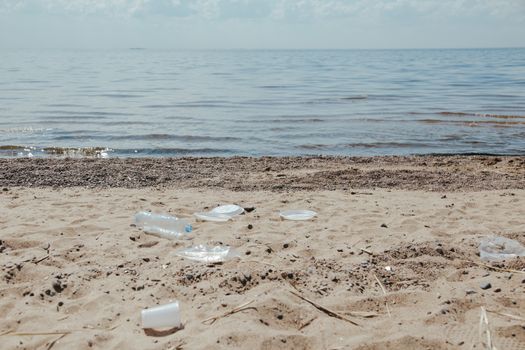
I remember a particularly rewarding cleanup dive off the coast of Coron. The visibility was astonishing, revealing a kaleidoscope of marine life. Yet, scattered amongst the coral formations were plastic bags and discarded fishing gear. Our group, a mix of seasoned divers and enthusiastic travelers, worked diligently. The dive center rewarded us with a complimentary sunset cruise and a delicious kinilaw (Filipino ceviche). The feeling of contributing to the health of such a vibrant ecosystem while enjoying the unparalleled beauty of the Philippines was truly unforgettable.
Quick Facts: Philippine Eco-Adventures
- Estimated Compensation: Free diving trips, discounted accommodation, and local delicacies.
- Best Time to Visit: November to May (dry season, ideal for island hopping and diving).
- How to Get There: Fly into Ninoy Aquino International Airport (MNL) in Manila or Mactan-Cebu International Airport (CEB) and then take domestic flights to your desired island destination.
Beyond the Payout: The True Reward
While the financial incentives and discounted experiences are fantastic, the real magic of these destinations lies in the profound sense of purpose they offer. You're not just a passive observer; you're an active participant in safeguarding the planet's most precious natural wonders. You're connecting with local communities on a deeper level, understanding their challenges and contributing to their solutions.
The smell of the ocean, once tinged with the artificial scent of pollution, now carries the pure, invigorating aroma of salt and freedom. The sound of the waves crashing on the shore is a reminder of nature’s power, and your small contribution to its preservation. These aren't just holidays; they are journeys of impact, where your wanderlust fuels positive change.
So, are you ready to trade your typical beach vacation for an adventure that nourishes your soul and helps heal the planet? These destinations are waiting, ready to welcome you with open arms – and a trash bag.