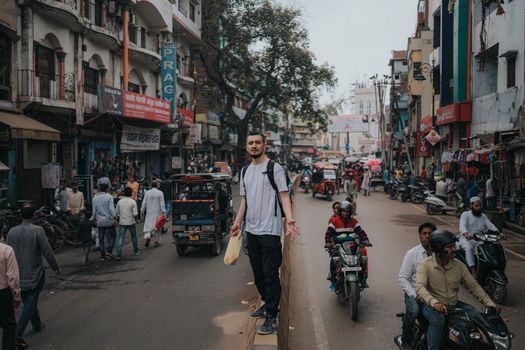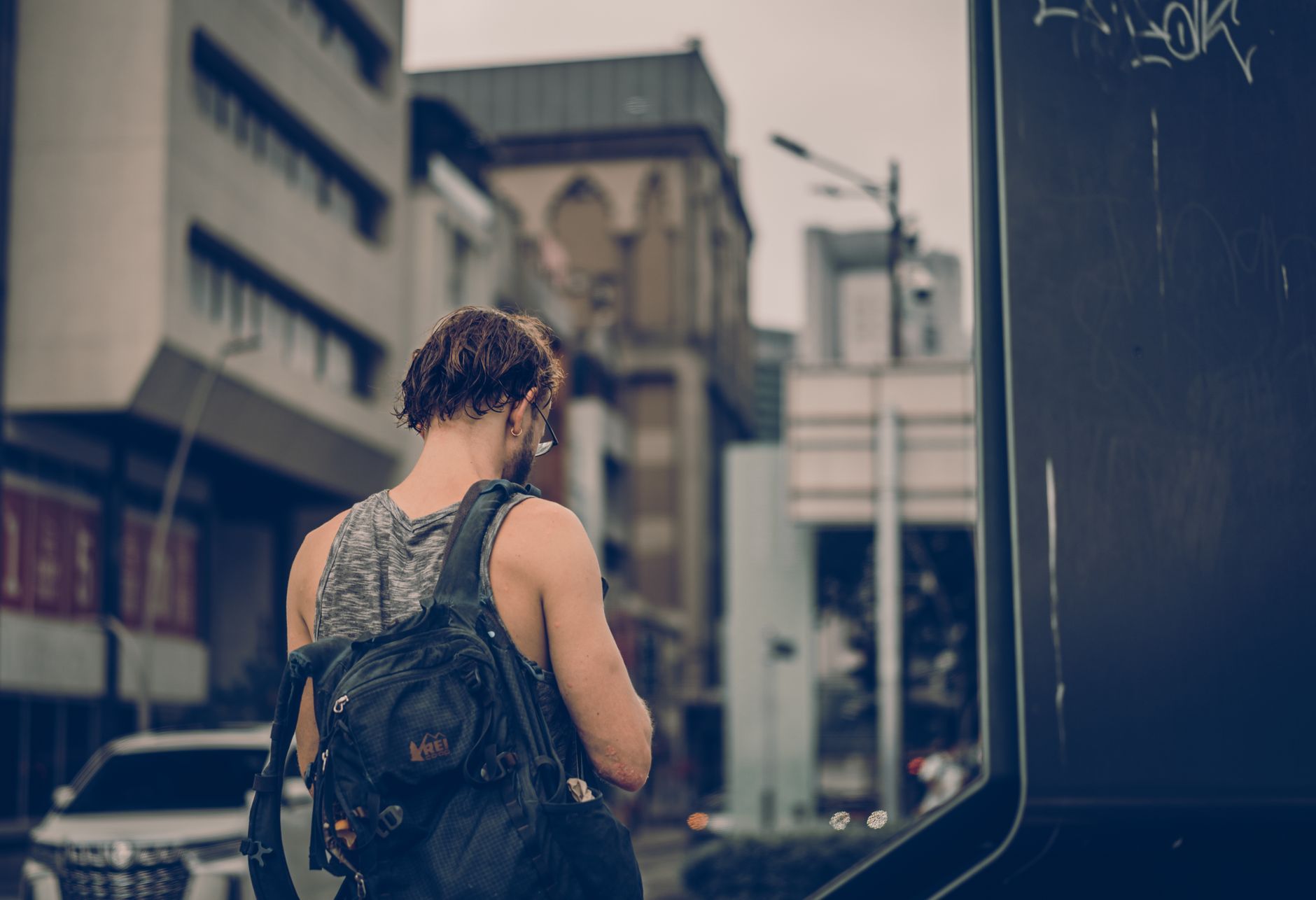
The Hook: A Symphony of Forgotten Echoes
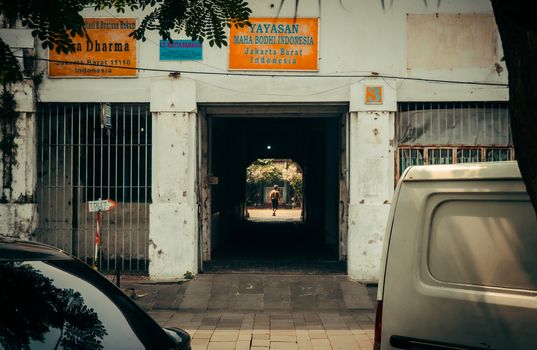
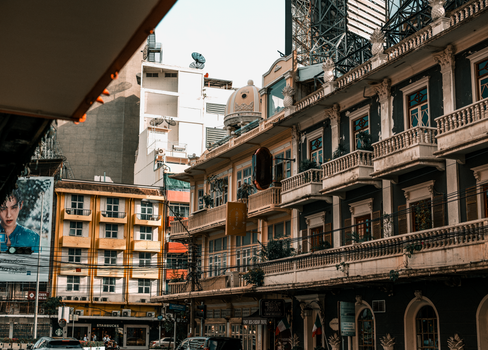
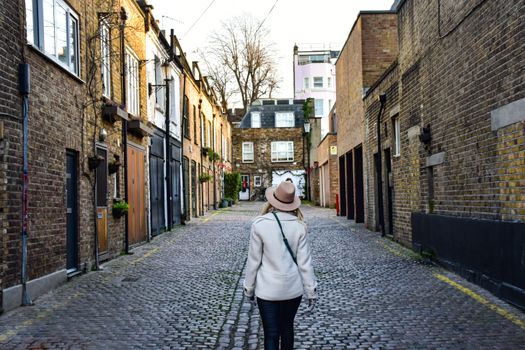
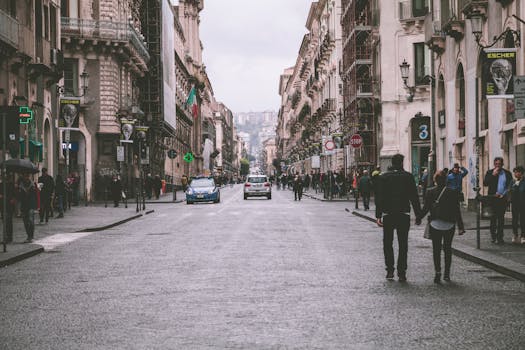
I stepped off the late-night train, the usual city hum a familiar lullaby. But tonight, something was different. A crisp autumn air, tinged with the faint, sweet decay of fallen leaves and the distant, metallic tang of industry, beckoned me away from the well-trodden paths. The streetlights cast long, dancing shadows, transforming the mundane into the mysterious. I wasn't looking for the iconic landmarks everyone else chased; I was hunting for the whispers, the echoes of a city that had lived and breathed before me, its stories etched into peeling paint and crumbling brick. This is the thrill of urban exploration – finding the extraordinary in the ordinary, the adventure that lies just beyond your doorstep.
Beyond the Postcards: Unveiling Your City's Soul
We often think of adventure as a passport stamp, a distant shore. But the truth is, our own cities are vast, untapped reservoirs of intrigue. From the hushed grandeur of forgotten theaters to the vibrant chaos of hidden street art alleys, there’s a world waiting to be discovered, often just a bus ride or a brisk walk away. Urban exploration isn't about trespassing or vandalism; it's about respectful curiosity, about seeing the familiar with fresh eyes, and about uncovering the layers of history and human stories that shape our urban landscapes.
1. The Grandeur of Decay: Abandoned Theaters and Ballrooms
Pro-Tip:
Always research the history of the building. Knowing its past life – who performed there, what events were held – adds an incredible layer of depth to your exploration. Look for old playbills or newspaper clippings online.
There's a haunting beauty to spaces that once thrummed with life and are now silent. Abandoned theaters, with their velvet seats ripped and dusty, their ornate plasterwork crumbling like ancient frescoes, are cathedrals of forgotten performances. I once stumbled into an old ballroom, the parquet floor warped and stained, but I could almost hear the phantom waltz, feel the rustle of long-gone gowns. The air hung thick with the scent of old wood and a profound stillness. It’s in these spaces that the past feels most palpable, whispering tales of roaring applause and hushed secrets.
- Sensory Details: The musty smell of decay, the creak of floorboards underfoot, the way dust motes dance in the slivers of light piercing through broken windows, the faded grandeur of peeling gold leaf.
- Architectural Wonders: Look for Art Deco flourishes, intricate proscenium arches, or the ghosts of chandeliers.
2. Rooftop Reverie: A New Skyline Perspective
Pro-Tip:
Safety first! Always assess structural integrity. If it feels unstable, don't go up. Best times are dawn or dusk for incredible light and fewer eyes.
The city, from above, is a different beast entirely. Climbing to a rooftop – a legitimate, accessible one, of course! – offers a perspective that ground-level can never provide. You see the intricate web of streets, the hidden courtyards, the surprising patches of green. It’s a chance to feel like a secret observer, to watch the city breathe and pulse beneath you. The wind whips around you, carrying the distant sirens and chatter, and for a moment, you’re above it all, a silent guardian of the urban sprawl.
- Visual Feast: The geometric patterns of buildings, the twinkling lights of the evening, the vastness of the sky meeting the concrete jungle.
- Insider Tip: Many modern office buildings have accessible roof terraces for employees. Befriend someone who works there, or look for buildings with public viewing decks that are less known.
3. The Art of the Alley: Street Art Sanctuaries
Pro-Tip:
Go after a fresh rain. The colors of the murals pop, and the puddles create interesting reflections. Be respectful of the artists' work; don't touch or deface.
Alleys are the unsung arteries of the city, often overlooked but brimming with character. Forget the grime; many of these narrow passages have been transformed into vibrant canvases by talented street artists. The spray paint, still smelling faintly chemical, bursts with color against the weathered brick. You’ll find everything from intricate portraits to bold, abstract designs. It’s a living gallery, constantly evolving, a testament to the city’s creative pulse.
- Local Flavor: Look for tags and signatures that are unique to your city's graffiti scene. Some murals might even tell stories about local history or social issues.
- Best Kept Secrets: Explore industrial districts or areas undergoing gentrification – these are often hotspots for emerging street art.
4. Echoes of Industry: Abandoned Factories and Warehouses
Pro-Tip:
Wear sturdy, closed-toe shoes and long pants. Some floors might be uneven, and there could be sharp debris. Bring a powerful flashlight; you’ll need it.
The skeletal remains of industrial giants are often the most poignant reminders of a city's past economic backbone. Rusting machinery, vast, empty halls, and the lingering scent of oil and metal tell tales of hard work and innovation. These spaces, though often imposing, possess a stark, raw beauty. The light filtering through broken panes of glass creates dramatic shafts, illuminating the ghosts of a bygone era. It’s a powerful reminder of how cities evolve and transform.
- Industrial Aesthetics: The beauty of peeling paint, the geometric patterns of old machinery, the texture of concrete and steel.
- Historical Significance: These sites are often key to understanding your city's development and the lives of its working-class communities.
5. Hidden Courtyards and Secret Gardens
Pro-Tip:
Many historic buildings have small, unassuming courtyards that are open to the public during business hours. Look for signs that indicate public access.
Tucked away behind imposing facades or down unassuming staircases, these pockets of tranquility offer a welcome respite from the urban hustle. A secret garden, perhaps with an ancient fountain or a quirky sculpture, can feel like stepping into another world. I once found a tiny courtyard with a single, ancient olive tree, its gnarled branches reaching towards the sky, a silent sentinel in the heart of the city. These spaces are often meticulously maintained by local residents or community groups, a labor of love for all to enjoy.
- Atmospheric Charm: The gentle sound of trickling water, the scent of blooming flowers, the dappled sunlight filtering through leaves.
- Local Touch: Keep an eye out for unique architectural details, historical plaques, or community art installations.
Quick Facts: Your Urban Exploration Toolkit
| Aspect | Details |
| :--------------- | :------------------------------------------------------------------------------------------------------- |
| Estimated Cost | $0 - $50 (Primarily transportation, potential small entry fees if guided) |
| Best Time to Visit | Weekdays for fewer crowds, dawn/dusk for atmospheric light. Weather dependent. |
| How to Get There | Public transport (bus, train, subway), bicycle, walking. Most spots are accessible within city limits. |
| Gear Essentials | Comfortable walking shoes, camera, water bottle, small backpack, flashlight, basic first-aid kit. |
| Safety Focus | Never explore alone, inform someone of your plans, be aware of your surroundings, respect private property. |
The Spirit of Discovery: Embracing the Local Odyssey
Urban exploration is more than just seeing new places; it’s about a mindset. It’s about embracing curiosity, challenging your perceptions, and finding the extraordinary in the everyday. It’s about connecting with your city on a deeper level, understanding its past, and appreciating its present. The best part? This adventure requires no expensive plane ticket or lengthy planning. It’s an invitation to be a tourist in your own town, to unearth the hidden narratives that make your city unique.
So, the next time you have a free afternoon or a weekend to spare, resist the urge to scroll through endless travel blogs for faraway destinations. Look around. Your city is calling. It’s time to answer.