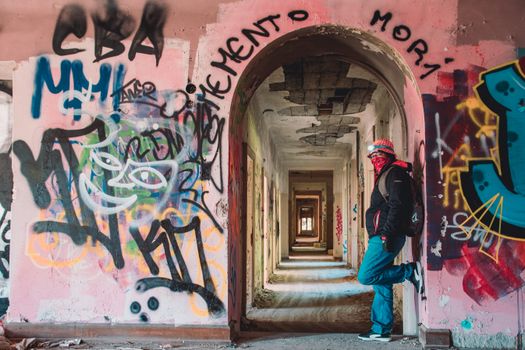
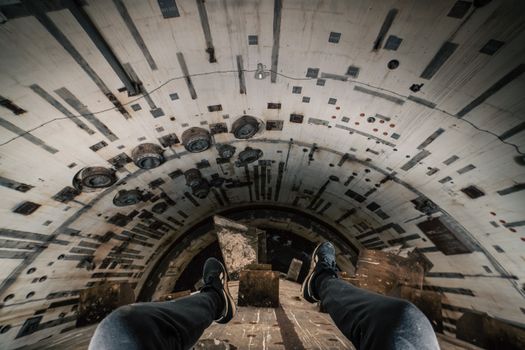
The Hook: A Midnight Rendezvous with the Past
I stepped off the cold iron rung of the maintenance ladder and into a silence so absolute it felt heavy. Above me, through a rusted steel grate, the muffled hum of midnight city traffic hummed like a distant baseline. Below me lay a decommissioned 1920s transit tunnel, untouched for half a century. The air tasted of damp limestone, oxidized copper, and the unmistakable metallic tang of old railway grease.
With a flick of my headlamp, the darkness peeled back to reveal vaulted brick arches and hand-painted mosaic tiles directing passengers to a platform that no longer existed on any modern transit map.
I didn't fly across the world to find this. I didn't spend thousands on a remote jungle trek. I simply walked three blocks from my apartment, bypassed a loose chain-link fence behind a dry cleaner, and claimed my city's forgotten history.
```
____________________________________________________
/ \
| "The real voyage of discovery consists not in |
| seeking new landscapes, but in having new eyes." |
| - Marcel Proust |
\____________________________________________________/
```
May is the absolute golden window for urban exploration (urbex). The harsh winter chill is gone, the suffocating humidity of summer hasn't yet settled in, and the spring foliage is actively reclaiming concrete ruins, creating a stunning visual contrast between the organic and the industrial.
If you think your city is boring, you’re looking at it from the wrong angle. Here is how to rewrite your relationship with the concrete jungle this May 2026.
---
1. The Art of Psychogeography: Rewiring Your Brain
Before you put on your boots, you have to change how you think. Most of us navigate our cities on autopilot—moving from Point A (home) to Point B (work) via the most efficient path. This is functional, but it’s the enemy of adventure.
To become an urban explorer, you must practice psychogeography—the study of how the geographical environment acts on the minds and emotions of individuals.
How to Practice the "Dérive" (The Drift)
* Ditch the Map: Set aside three hours on a Saturday afternoon. Turn off your GPS.
* The Rule of Alternation: Walk down your street. Take the first left, then the first right, then the first left. Force yourself into alleys you’ve driven past a thousand times but never entered.
* Follow the Light: Walk only toward interesting architectural features, shadows, or sounds. If you see a towering 19th-century brick chimney behind a modern glass condo, make it your North Star.
By breaking your daily transit patterns, you’ll begin to notice the anomalies: forgotten alleyways, abandoned carriage houses, and bizarre architectural retrofits that tell the true story of your city's evolution.
---
2. Subterranean Secrets: Decoding the Underworld
Every major city sits on a labyrinth of forgotten infrastructure. From old utility tunnels and abandoned subways to vaulted storm drains built during the Victorian era, the underworld is the holy grail of urbex.
```
[Street Level: Modern Bustle]
|
======|=================================== (Asphalt & Sidewalks)
| [Utility Lines & Fiber Optics]
|-- [Decommissioned 1950s Civil Defense Bunkers]
|---- [Victorian Brick Storm Drains]
|------ [Abandoned Subway Platforms & Rail Spurs]
```
Navigating the Sub-Surface
Exploring underground requires caution and deep respect for the environment. You are looking for historical architecture, not active utility lines.
- The Clues: Look for heavy, unmarked iron grates, old coal chutes on the sides of pre-war buildings, or sudden drops in street level that suggest subterranean hollows.
- The Architecture: In older cities, look for corbelled brickwork and vaulted stone ceilings. These structural elements were built to withstand immense pressure and have survived decades of neglect.
> Pro-Tip: Never enter storm drains or subterranean waterways if there is even a 10% chance of rain in the forecast. Flash floods underground are lethal, and water levels can rise from ankle-deep to ceiling-high in less than three minutes.
---
3. Vertical Horizons: Rooftop Hacking
If the underworld is about history, the rooftops are about perspective. Rooftop hacking (or "rooftopping") offers a bird’s-eye view of the city that is usually reserved for penthouse owners and drone pilots.
Finding the Access Points
You don’t need to scale sheer walls like a superhero. Most vertical access is surprisingly mundane.
- Parking Garages: The easiest way to get high-altitude views. Look for older, multi-story concrete garages. Take the stairs to the absolute top floor. Often, there is an unlocked maintenance door or a low wall that offers an unobstructed view of the skyline.
- Mixed-Use Pre-War Buildings: These buildings often have external fire escapes. While you should never trespass on private residential property, public commercial buildings often have accessible fire stairwells that lead directly to the roof.
- The Golden Hour Window: Aim to reach your vantage point by 7:15 AM in May. The morning light hits the glass facades of skyscrapers at a sharp angle, creating a spectacular reflection show without the evening security sweeps.
---
4. Industrial Ruins: The Beauty of Rust and Ivy
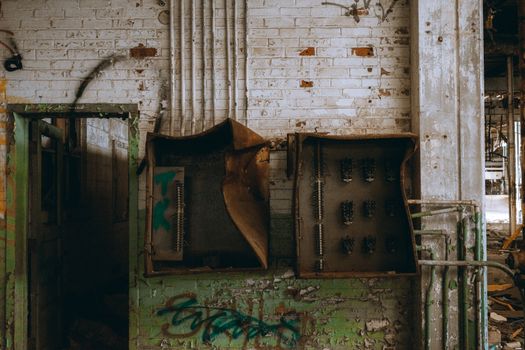
The post-industrial landscape is a playground of textures. Decommissioned breweries, abandoned rail yards, empty power plants, and silent textile mills are monuments to a bygone era of manufacturing.
```
.---.
/ \
| | [The Anatomy of an Industrial Ruin]
|_____| - Look for oxidized steel window frames (early 20th century).
_.-' '-._ - Note the encroachment of ivy (nature reclaiming concrete).
.' '. - Search for hand-painted safety signs and machinery plates.
/ \
```
What to Look For
* Brutalist Concrete: Look for heavy, geometric concrete structures from the 1960s and 70s. The way spring rain darkens the raw, textured concrete creates an incredibly moody aesthetic for photography.
* Oxidized Metal: The deep oranges and reds of rusting iron beams contrast brilliantly with the bright green of fresh May foliage.
* The "Blue Door" Rule: Many abandoned industrial sites have a complex web of buildings. The most interesting historical artifacts (logbooks, old control panels, vintage tools) are usually found in the administrative offices, which are traditionally located near the front entrance, often marked by heavy, reinforced doors.
---
5. The Culinary Subculture: Dining in the Shadows
Urban exploration isn't just about empty buildings; it’s about the human subcultures that thrive in the city’s hidden pockets. After a day of exploring, skip the chain restaurants and seek out the culinary underground.
- The Vending Machine Speakeasy: Look for unmarked doors disguised as vintage Coca-Cola machines, bookshelves, or janitor closets in trendy neighborhoods.
- Alleyway Markets: In cities with diverse immigrant populations, the best food is often found in the interstitial spaces—micro-bakeries operating out of residential basement windows or illegal taco setups in industrial parking lots.
- The Spice Sensation: Seek out places that smell of roasted cumin, charred scallions, and damp woodsmoke. These sensory markers point to authentic, hyper-local culinary operations that don't advertise on Yelp.
---
6. The Urbex Toolkit: Gear, Safety, and Ethics
To execute a successful urban exploration run in May 2026, you need the right gear. This isn't about looking tactical; it's about utility, safety, and blending in.
```
+-------------------+--------------------------------------------------+
| Gear Item | Why You Need It |
+-------------------+--------------------------------------------------+
| Sturdy Boots | Protects against rusty nails, broken glass, and |
| | slick mud. Vibram soles are highly recommended. |
+-------------------+--------------------------------------------------+
| Dual Light Source | A high-lumen headlamp keeps your hands free, |
| | while a pocket flashlight offers directional beam|
| | control for photography. |
+-------------------+--------------------------------------------------+
| Respirator Mask | Essential for older buildings with airborne mold,|
| | asbestos, or heavy dust. |
+-------------------+--------------------------------------------------+
| External Battery | Your phone is your lifeline, flashlight backup, |
| | and camera. Cold/damp drains drain batteries fast|
+-------------------+--------------------------------------------------+
```
The Golden Rules of Urbex
1. Take nothing but pictures, leave nothing but footprints. Never vandalize, spray paint, or break locks. If a door is locked, it’s locked. Find another way, or move on to a different site.
2. Never go alone. Always explore with at least one trusted partner. If you fall or get injured, you need someone who can call for help or guide emergency services to your location.
3. Check your legal boundaries. Understand the difference between a public easement, a civil infraction for trespassing, and a criminal break-and-enter. Know your rights and always be polite, respectful, and honest if stopped by security or property owners.
---
Quick Facts & Logistics
- Estimated Cost: $0 - $30 (mainly for transit and a post-exploration street-food meal).
- Best Time to Visit: Early mornings (5:30 AM – 8:00 AM) for empty streets and soft light; late evenings (9:00 PM – Midnight) for subterranean scouting.
- How to Get There: Use public transit to reach the oldest, most historic district of your city, then proceed entirely on foot.
- Difficulty Rating: 2/10 to 7/10 (depending on whether you stick to public alleyways or venture into complex industrial ruins).
---
Conclusion: The City is Your Museum
The greatest travel experiences aren't sold in brochures. They are waiting in the quiet, overlooked corners of the places we call home. This May, challenge yourself to see your city not as a grid of commutes, but as a living, breathing museum of human history, architectural ambition, and natural reclamation.
Put on your boots, pack your headlamp, and go find what the rest of the world has forgotten.
---