Advice about "the next Barcelona" usually arrives as a single ranked list, as if every traveller wanted the same thing. In reality, people love Barcelona for different reasons. One person remembers the beach and the sunshine, another the market and the late dinners, another the architecture, and another the sense that a big city could still feel walkable and creative.
This guide takes a different approach. Instead of listing cities in order, it matches them to traveller types. Find yourself in one of the profiles below and you will get a shortlist that suits your priorities. No city can promise to become the next Barcelona, and nobody can honestly predict which place will take off, so the focus here is on what each city is actually like and who it suits. As always, check current transport, prices, opening hours and entry rules before booking.
For the Beach-and-City Combiner
If your perfect trip involves a morning of sightseeing and an afternoon swim, look for cities with beaches close to the centre.
Valencia, Spain
A broad city beach, a seafront promenade, plenty of cycling and a strong food scene make Valencia the closest match for many people. Try the central market, take a walk along the old riverbed gardens and sample paella in the nearby rice-growing region.
Cadiz, Spain
Small, historic and surrounded by water on a peninsula, Cadiz has beaches within walking distance of its old town. It is known for fried fish, lively bars and a relaxed pace. Summer can be hot and busy, so spring and autumn are good alternatives.
Split, Croatia
A Roman palace at the heart of the old town, with a waterfront promenade and nearby swimming spots. Summer crowds are large, so consider visiting in late spring or early autumn.
Tips for this group
Check water conditions and local advice on swimming. Beach access, sunbed fees and the presence of lifeguards vary widely.
For the Food-First Traveller
If your trip is organised around meals, pick cities with serious local food traditions and good markets.
Bologna, Italy
Often described as a food capital of Italy, Bologna is known for fresh pasta, cured meats, cheeses and a covered-arcade old town. It is compact and student-filled, so it feels lively without being overwhelming.
Naples, Italy
The birthplace of pizza has a raw, energetic character and a wealth of street food and bakeries. It is intense and busy, and may not suit everyone, but food lovers often find it unforgettable. Stay alert in crowded areas and follow local safety advice.
San Sebastian and the Basque Country, Spain
Pintxos bars, fine dining and a beautiful bay combine in a small city that is popular with food-minded travellers. Because it is well known, it can be busy in high season.
Tips for this group
Eat at local mealtimes, make reservations where necessary and try regional specialities. Ask about allergies and dietary requirements early.
For the Architecture and Culture Seeker
If you travel to see buildings, museums and history, consider cities with distinctive architecture and layered pasts.
Seville, Spain
Moorish palaces, a huge cathedral, flamenco culture and orange-lined streets give Seville a strong sense of place. It is extremely hot in summer, so spring and autumn are more comfortable.
Porto, Portugal
Tiled facades, iron bridges and a hillside old town overlooking the Douro River. Walk slowly and look up.
Ljubljana, Slovenia
A compact capital with a riverside old town, bridges and architecture shaped by the architect Joze Plecnik. It is easy to walk and makes a good base for trips to lakes and mountains.
Tips for this group
Check opening days and ticketing arrangements for major sites, as some require advance booking in busy seasons. Consider guided walks for context.
For the Remote Worker or Long-Stay Traveller
Some travellers want a city where they can stay for several weeks, work with a laptop and still enjoy daily life.
Lisbon, Portugal
Better known than the others, but still worth mentioning because it is popular with digital workers. Hilly streets, cafes and sea access are part of the appeal. It has become busier and more expensive in some areas, so look at neighbourhoods beyond the most touristed ones.
Valencia and Alicante, Spain
Reliable infrastructure, plenty of coworking options and a strong daily routine of markets and cafes.
Tbilisi, Georgia
A distinctive city with old wooden balconies, sulphur baths and a growing creative scene. Check visa and residency rules for your nationality before planning a long stay.
Tips for this group
Verify visa and tax rules in your own country and your destination, as these can be complex. Look for accommodation with a reliable internet connection and a quiet workspace. This is general information, not legal or financial advice.
For the Budget-Conscious Traveller
If cost matters, look for places where everyday expenses are often lower than in the most popular Western European cities. Prices change, so check current figures.
- Krakow, Poland. A beautiful old town, a rich history and a wide range of affordable eating options.
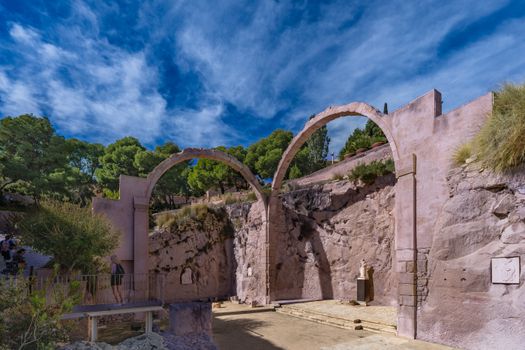
- Sofia or Plovdiv, Bulgaria. Plovdiv in particular has a Roman theatre, an old town and a creative quarter.
- Thessaloniki, Greece. A lively waterfront city with generous food portions and plenty of bakeries.
- Valparaiso, Chile. Colourful hill neighbourhoods, a port atmosphere and street art. Take care with safety in certain areas.
Tips for this group
Eat set lunches, use public transport, stay slightly outside the centre, and consider shoulder seasons. Cheap does not always mean good value, so read recent reviews.
For Families
Families often need space, easy transport and things children will enjoy.
- Valencia. Parks, a science museum and an aquarium, plus cycling routes.
- Ljubljana. Car-light centre, castle, river cruises and lakes nearby.
- Copenhagen, Denmark. Harbour swimming spots in summer, parks and an amusement park in the centre, though prices are generally high.
- Seville. Fun for children who love palaces, though summer heat is a challenge.
Tips for this group
Choose accommodation near parks or playgrounds, check pushchair access in old towns and plan for midday rest. Pace is everything.
For the Traveller Who Wants Fewer Crowds
If your main aim is peace, think about timing and neighbourhood as well as city choice.
- Travel in shoulder seasons. Spring and autumn often offer good weather with fewer visitors.
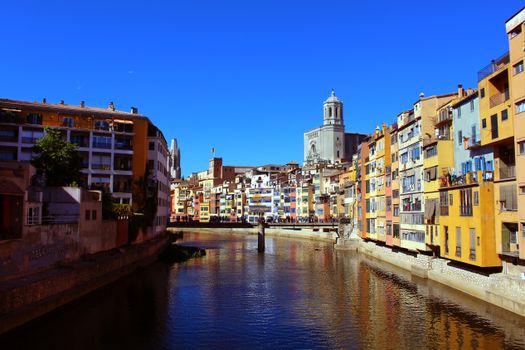
- Pick smaller cities. Cadiz, Trieste, Evora or Girona (in Catalonia) offer atmosphere without the scale.
- Stay in residential districts. You often get quieter evenings and better local food.
- Visit major sights early or late. Crowds tend to peak in the middle of the day.
- Mix a famous city with a lesser-known base. Use a smaller city as your base and take day trips.
Comparing Your Options Quickly
If you are still undecided, ask yourself these questions.
- What matters most: sea, food, architecture, price or peace?
- How many days do you have? Smaller cities suit short breaks.
- What season are you travelling in? Heat can limit sightseeing in Seville or Naples in midsummer.
- How easy is the journey? Direct flights and rail links shape the experience.
- What kind of accommodation do you prefer? Apartments, hotels or guesthouses vary by city.
- How comfortable are you with busy streets and noise?
Pick the two cities that fit best and compare current transport costs and accommodation availability. A shortlist of two is easier to decide on than a list of ten.
Travelling Thoughtfully
Cities that are less visited are often more fragile. Support local businesses, avoid contributing to noise and crowding in residential streets and follow local rules on short-term rentals and tourist taxes. Learning a few words of the local language, using public transport and respecting local customs all help you be a good guest.
Sample Three-Day Plans
A short plan can help you picture how a stay works. These are flexible outlines, not fixed itineraries.
A food-led long weekend
On day one, visit the main market in the morning and build a picnic of local bread, cheese, fruit and cured meats. Spend the afternoon walking the old centre, and book a table for an evening meal of regional dishes. On day two, join a cooking class or a guided food walk, then rest and have a lighter evening with snacks at a bar. On day three, take a short trip to a nearby town known for a particular product, such as wine, cheese or seafood.
A culture and architecture weekend
On day one, orient yourself with a walking tour of the historic core, then visit one major monument in the late afternoon when queues often ease. On day two, choose one or two museums and leave the rest of the day open for neighbourhoods you notice. On day three, look for modern or lesser-known buildings away from the centre, then finish with a long lunch.
A slow beach-and-city weekend
Spend mornings on foot in the old town, afternoons at the beach or on a seafront promenade and evenings at a terrace with local snacks. Add a bike ride or boat trip if conditions allow. Keep the schedule loose and check weather and swimming conditions each day.
In each case, check opening days, booking requirements and transport schedules shortly before you go, and leave space for the unexpected.
A Few Common Mistakes When Choosing an Alternative City
- Expecting a copy of Barcelona. Every city has its own rhythm, so enjoy it for what it is.
- Ignoring the season. A coastal city in winter, or a southern city in midsummer, can feel very different from the brochure.
- Underestimating travel time. A cheaper city with a long, awkward journey may not be better value.
- Overpacking the schedule. Smaller cities reward slow exploring.
- Skipping local advice. Hosts, shopkeepers and guides know what is happening this week.
Frequently Asked Questions
Which city is the closest match to Barcelona overall?
Many travellers point to Valencia because of its beach, food and architecture, but it has its own character. Matching a city to your priorities works better than looking for a copy.
Are these cities safe?
Most are popular with visitors and generally welcoming, but like any city they have petty crime in busy areas. Check current official travel advice, keep valuables secure and use common sense.
How many days do I need?
Two to four days is enough for a first visit to most of the cities described here. Add time for day trips if you wish.
Do I need to book far ahead?
For popular seasons, festivals and top attractions, booking ahead can help. In shoulder seasons you may have more flexibility.
Summary
The best underrated city depends on what you love about travel. Beach lovers can look at Valencia, Cadiz or Split, food-focused travellers at Bologna, Naples or San Sebastian, culture seekers at Seville, Porto or Ljubljana, remote workers at Valencia, Lisbon or Tbilisi, and budget travellers at Krakow, Plovdiv or Thessaloniki. Families and crowd-avoiders will find good options by choosing the right season and neighbourhood. No one can promise which city will be the next big thing, so pick a place that fits your own priorities, check current conditions and travel considerately.