The Moment the Spell Broke
I stepped off the train at Estació del Nord, and it hit me before I even saw the skyline. It wasn't the smell of diesel or the rush of commuters; it was the scent of orange blossoms and toasted saffron wafting from a nearby mercado. I’d spent a decade chasing the high of my first trip to Barcelona in 2008—that feeling of a city that never sleeps, never stops eating, and never compromises on its aesthetic. But lately, Barcelona feels like a theme park.
In this new city, however, the streets were wide, the locals were actually smiling at me, and I could see the horizon without a forest of selfie sticks. I realized then that the "Barcelona vibe" hadn't died; it had just moved house.
If you’re looking for the next great urban love affair, these are the five underrated cities becoming the next Barcelona right now.
---
1. Valencia, Spain: The "Grown-Up" Barcelona
If Barcelona is the rebellious art student, Valencia is the sophisticated older sibling who actually knows how to run a city. It has the same DNA—Gothic quarters, sprawling beaches, and a obsession with food—but it’s executed with a breathable, green-focused urbanity.
The Vibe:
Valencia’s masterstroke was turning a diverted riverbed into the Jardín del Turia, a 9-kilometer ribbon of parkland that snakes through the city. Imagine biking through a lush forest to get from a 13th-century cathedral to the futuristic City of Arts and Sciences. It’s jarring, brilliant, and utterly unique.
The "Barcelona" Element:
The Ruzafa neighborhood is the new Gràcia. Once a gritty district, it’s now the epicenter of Valencian cool, packed with vintage bookstores, craft breweries, and art galleries.
- Pro-Tip: Skip the "tourist paella" on the beach. Real Valencians eat paella at lunch, never dinner. Head to Casa Carmela and book days in advance. The rice is cooked over orange wood fires, giving it a smoky depth you won’t find elsewhere.
- The Hidden Entrance: Find the Portal de la Valldigna, a small 15th-century archway in El Carmen that leads to a tiny, silent plaza where the first printing press in Spain once stood.
---
2. Marseille, France: The Gritty-Chic Rebel
For years, Marseille was the "dangerous" port city you bypassed on your way to the lavender fields of Provence. Big mistake. Marseille is currently undergoing a creative renaissance that mirrors Barcelona’s pre-Olympic transformation. It’s raw, multicultural, and fiercely proud.
The Vibe:
It’s a salty, sun-drenched chaos. The Vieux Port is the heart, where fisherman sell their catch directly off the boats every morning. But head uphill to Le Panier, the oldest district, and you’ll find narrow alleys draped in laundry and street art that rivals anything in El Raval.
The "Barcelona" Element:
The Corniche Kennedy is Marseille’s answer to the Barceloneta boardwalk. It’s a stunning coastal road where locals dive off limestone cliffs into the turquoise Mediterranean.
- Pro-Tip: Take the navette (water taxi) from the Vieux Port to Les Goudes at the edge of the Calanques National Park. It feels like the end of the world, but with better wine.
- Insider Language: Don’t just ask for a drink; ask for a "Pastis" (anise-flavored spirit). Drink it slowly as the sun sets over the MuCEM museum.
---
3. Thessaloniki, Greece: The Gastronomic Powerhouse
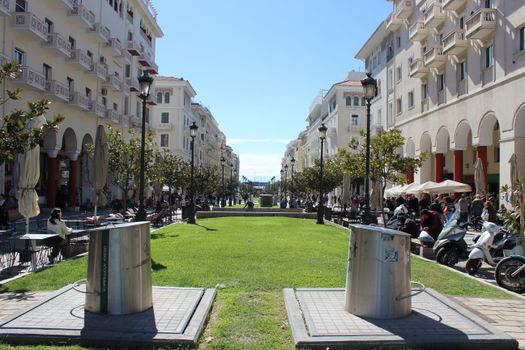
If your favorite part of Barcelona is the food scene, Thessaloniki is your new Mecca. Often overshadowed by Athens and the islands, this northern Greek port city has more cafes per capita than any other city in Europe.
The Vibe:
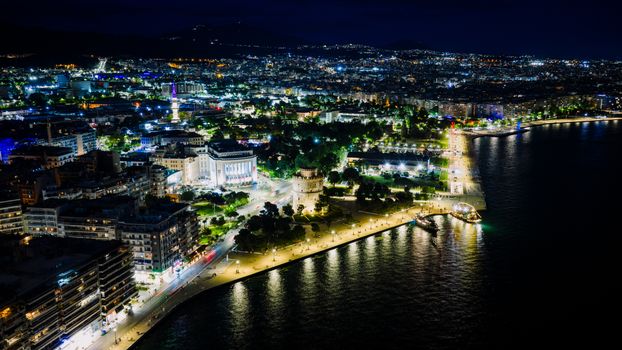
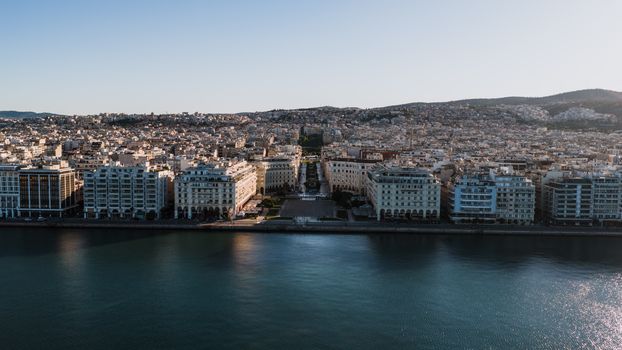
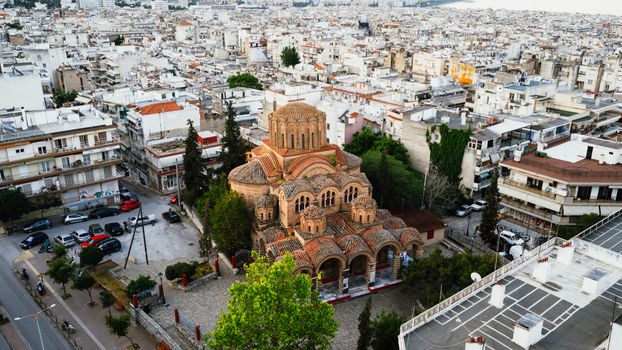
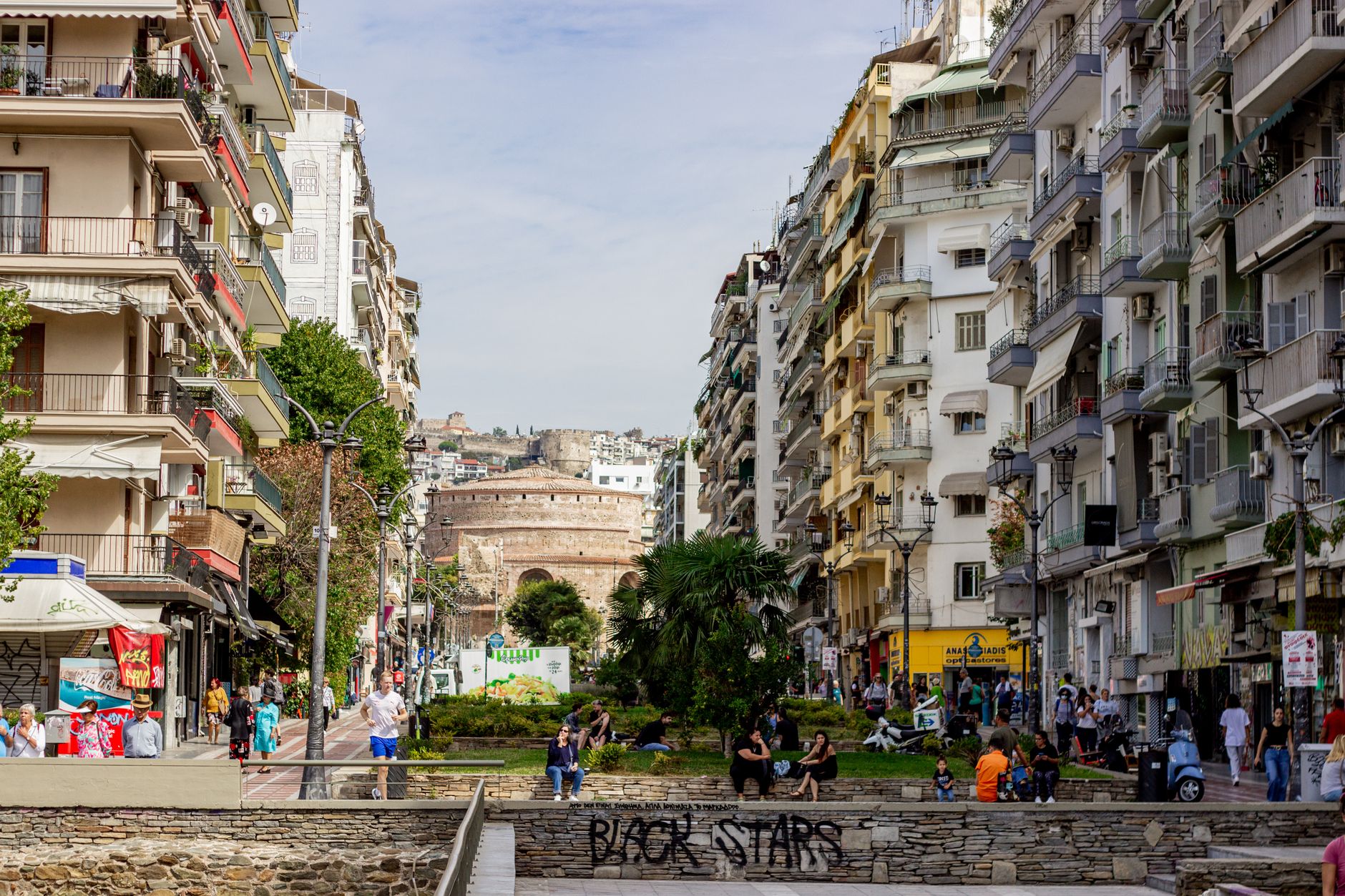
It’s a layered cake of history. You’ll be walking past a modern H&M, look down, and realize you’re standing over a 3rd-century Roman Agora. The waterfront is a 5-kilometer social stage where the entire city congregates at sunset.
The "Barcelona" Element:
The Ladadika district. Once a wholesale oil market, it’s now a pedestrianized labyrinth of tavernas and bars. It has the same energy as the Gothic Quarter but with a distinctly Balkan-Ottoman twist.
- Pro-Tip: You haven't lived until you've tried Bougatsa (custard-filled phyllo pastry) from Bougatsa Bantis. Ask for extra cinnamon.
- The Hidden View: Hike up to the Ano Poli (Upper Town) at 7:00 PM. The Byzantine walls offer a panoramic view of the Thermaic Gulf that will make your Instagram followers weep.
---
4. Palermo, Sicily: The Baroque Soul
Palermo is what Barcelona would be if it were filtered through a fever dream of Italian Baroque and North African grit. It is intense, loud, and heartbreakingly beautiful.
The Vibe:
It’s a city of "decaying grandeur." One street looks like a bombed-out palace from 1943, and the next is a gleaming marble piazza. The street markets—Ballarò and Il Capo—are visceral experiences of shouting vendors, dangling swordfish heads, and the smell of fried chickpea fritters (panelle).
The "Barcelona" Element:
The sheer density of public life. Like Barcelona, life in Palermo happens in the squares. Piazza Pretoria (the "Piazza of Shame") is a masterclass in urban sculpture that rivals the works of Gaudí in its sheer audacity.
- Pro-Tip: Visit the Santa Caterina Monastery. Not only is the church stunning, but the cloistered nuns still sell traditional Sicilian pastries through a small window.
- Logistics: The city is best explored on foot, but beware: the "Palermo sidewalk" is often just a suggestion. Stay in the Kalsa district for the best mix of safety and soul.
---
5. Porto, Portugal: The Atlantic’s Answer
While Lisbon gets the hype, Porto is the city that actually captures the intimate, artistic spirit of Barcelona. It’s a vertical city, a tumble of azulejo-tiled houses spilling down to the Douro River.
The Vibe:
Melancholic yet vibrant. It’s the home of "Saudade." But don't let the old-world charm fool you; the contemporary art scene here, centered around Rua Miguel Bombarda, is world-class.
The "Barcelona" Element:
The Ribeira district is the spiritual twin of Barcelona’s El Born. It’s ancient, narrow, and packed with wine bars where the Port flows like water.
- Pro-Tip: Skip the line at Livraria Lello (the "Harry Potter" library) unless you’re a die-hard fan. Instead, head to Serralves Museum for incredible contemporary art and a pink Art Deco villa that will blow your mind.
- The Secret Spot: Cross the Dom Luís I Bridge on the lower level and walk to the Jardim do Morro for the "Golden Hour." It’s the best sunset spot in Europe, period.
---
Quick Facts & Logistics
| City | Vibe | Est. Daily Cost ($) | Best Time to Visit | How to Get There |
| :--- | :--- | :--- | :--- | :--- |
| Valencia | Green, Modern, Sunny | $80 - $120 | March (Fallas) or Sept | 1.5h Train from Madrid |
| Marseille | Gritty, Artistic, Coastal | $90 - $130 | May - June | 3h TGV from Paris |
| Thessaloniki | Foodie, Historic, Social | $60 - $90 | May or October | Direct flights from London/Berlin |
| Palermo | Intense, Baroque, Raw | $50 - $80 | April - May | Flight to PMO; 1h shuttle |
| Porto | Romantic, Tiled, Hilly | $70 - $110 | June - August | Direct flights from most EU hubs |
---
Why These Cities, Why Now?
The travel world is reaching a tipping point. We are moving away from "Checklist Tourism" (did I see the Sagrada Família?) toward "Vibe Tourism" (how did the city make me feel?).
These five cities are the next Barcelona because they offer authenticity over artifice. In Valencia, you aren't a "visitor"; you're someone sharing a park with a local family. In Thessaloniki, the waiter doesn't give you a laminated menu in six languages; he tells you what his mother cooked that morning.
The "Next Barcelona" isn't a place that looks like Barcelona. It’s a place that feels like the discovery of Barcelona once did.
My final expert advice?
Go now. Before the cruise ships find the secret harbors and the blue doors get repainted for a Netflix backdrop. The magic of a city is a fragile thing—catch it while it's still breathing.
---