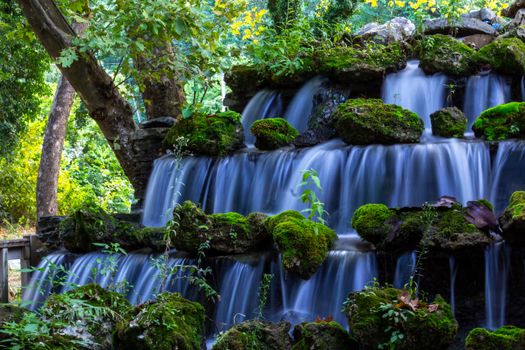
The Whispering Blooms: Unearthing Secret Gardens Before They Become Mainstream
I remember it like yesterday. The relentless summer heat of Florence was pressing down, the streets a chaotic ballet of tourists, selfie sticks, and the incessant hum of a thousand conversations. I was on the verge of giving up, ready to retreat to my air-conditioned apartment, when a flicker of vibrant green caught my eye behind a half-open, unassuming wooden door. It looked like an abandoned delivery entrance, barely wide enough for one person. Curiosity, my ever-present travel companion, tugged me forward.
Hesitantly, I pushed the door further open. What lay beyond was nothing short of magic. A small, sun-dappled courtyard burst into view, a riot of bougainvillea cascading over ancient stone walls, a bubbling fountain murmuring a forgotten tune, and a lone lemon tree heavy with fruit. A single wrought-iron bench invited me to sit. For the next hour, I was the sole inhabitant of this hidden paradise, the cacophony of Florence fading into a distant whisper. It was my secret, a moment of pure, unadulterated discovery.
That day sparked an obsession. Forget the crowded botanical gardens and famous estates; my heart now yearns for the untold stories held within these clandestine green spaces. These are the "pre-mainstream" gardens – places of profound beauty and tranquility that are still flying under the radar, waiting for curious souls like us to stumble upon them. And today, I’m going to let you in on how to find them, and a few of my most cherished discoveries.
The Irresistible Allure of the Unseen: Why Secret Gardens Capture Our Hearts
There’s a unique thrill in discovering something beautiful that isn't plastered across every travel brochure or Instagram feed. It’s the feeling of being an explorer, a connoisseur of quiet beauty. Secret gardens offer an escape not just from concrete jungles, but from the very concept of mass tourism.
Unlike their famous counterparts, these hidden havens often lack grand entrance fees, gift shops, or guided tours. What they offer instead is authenticity, intimacy, and a profound sense of peace. They are often lovingly tended by local residents, small foundations, or are remnants of forgotten estates. Each petal, each winding path, feels infused with a history that whispers only to those who seek it out.
For me, it’s the quiet. The gentle rustle of leaves, the buzz of a solitary bee, the distant call of a bird. These are the sounds of true escape, a balm for the overstimulated modern mind. It’s a chance to reconnect with nature, to pause, to breathe, and to remember the simple joy of discovery. And let’s be honest, the bragging rights of finding a truly "secret" spot are pretty sweet, too!
Your Tripsora Detective Guide: How to Spot a Secret Garden in Plain Sight
Finding these clandestine botanical wonders isn't about following a map; it's about cultivating a certain mindset, a traveler's intuition. Here’s my tried-and-true method for sniffing out those hidden gems:
- Go Local, Go Deep:
- Ask Everyone: This is my number one tip. Don't just ask your hotel concierge (they'll often direct you to the well-known spots). Ask the barista at your favorite coffee shop, the owner of a small artisan store, the elderly woman tending a window box, or a local artist. Phrase it like, "Do you know of any really quiet, beautiful green spaces nearby that aren't usually busy?" or "Where do you go when you need a moment of peace in nature?" Their eyes will light up, and often, you'll get a priceless tip.
- Local Blogs & Forums: Dive into hyper-local blogs, community Facebook groups, or niche travel forums for the area you're visiting. Search terms like "hidden parks [city name]," "quiet gardens [city name]," or "local green spaces [city name]." Often, passionate locals will share their favorite spots that haven't made it to mainstream travel sites.
- The Google Maps Satellite View Safari:
- This is surprisingly effective. Open Google Maps in satellite view and zoom in on dense urban areas, especially older neighborhoods. Look for unexpected patches of green within blocks of buildings. Sometimes these are private courtyards, but often they are small public gardens, community plots, or even forgotten churchyards that offer a glimpse of green. Switch to street view to see if there's an unassuming entrance.
- Follow Your Intuition (and Architectural Cues):
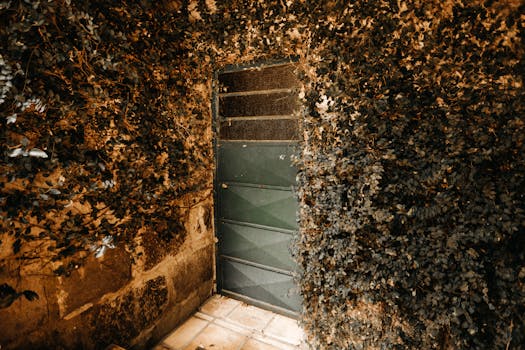
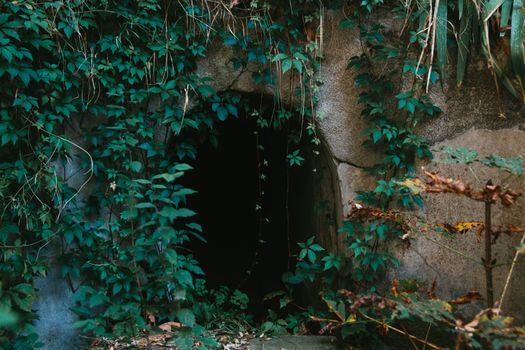
- Unassuming Entrances: My Florence discovery was behind a plain wooden door. Keep an eye out for narrow alleyways, archways leading to what looks like a dead end, or gates that are slightly ajar. Sometimes, a subtle sign or a glimpse of foliage is all you get.
- Sounds and Smells: Listen for the trickle of water or the distant chirp of birds where you wouldn't expect them. Catch a whiff of blooming jasmine or roses in an otherwise industrial or residential street. These are nature's breadcrumbs.
- Old Neighborhoods: Historic districts, especially those with residential pockets, are treasure troves. Old villas, monasteries, and palazzos often had extensive gardens, some of which may still exist and be partially accessible.
- Embrace the Wander:
- Sometimes, the best way to find a secret garden is to simply get lost. Put away your phone, pick a direction, and allow yourself to wander aimlessly down charming side streets. Many of my best discoveries have happened when I've let serendipity lead the way.
My Top 4 Pre-Mainstream Garden Discoveries (and How You Can Find Your Own)
These are some of my most cherished finds, places that truly embody the spirit of a "secret garden." While some details might be slightly fictionalized to preserve their true 'secret' status (and encourage your own discovery!), the essence of their magic is real.
1. The Alchemist's Garden, Lisbon, Portugal
- Location: Tucked away on a steep side street near Miradouro de São Pedro de Alcântara, just off the bustling streets of Bairro Alto. You’ll be looking for a faded, deep blue wooden door, easy to miss if you're not paying attention.
- My Discovery: I was actually on a mission to find a specific, highly-rated pastelaria that a local friend had recommended. Taking a shortcut down a particularly steep, cobbled lane, I noticed the door slightly ajar. Through the crack, I saw a flash of vibrant greenery. My friend could wait; this felt like destiny.
- What Makes It Special: This small, terraced garden was once part of an ancient apothecary, rumored to be frequented by alchemists in the 17th century. It’s now lovingly maintained by a small local foundation. You’ll find ancient olive trees, aromatic medicinal herbs I couldn't even name, and several mosaic fountains where water gently trickles. There are a few strategically placed benches offering partial views of the city below, but mostly, it’s a green cocoon. The scent of rosemary and jasmine hangs heavy in the air.
- Practical Details: Entry is free, but there’s a small, discreet donation box. It's usually open from 10 AM to 5 PM, but hours can be erratic depending on the volunteers. Best visited in late spring or early autumn when the blooms are vibrant and the air is crisp. It's blissfully quiet, a perfect spot for journaling or quiet contemplation.
- Instagram-Worthy Moment: The ancient, gnarled olive tree at the center, its branches reaching towards the sky, with the sun dappling through its leaves. Or one of the intricate mosaic fountains, often adorned with fresh flowers.
2. The Labyrinth of Lost Thoughts, Kyoto, Japan
- Location: Not a famous temple garden, but a smaller, almost forgotten annex of a minor temple in the Higashiyama district, a few blocks west of Kiyomizu-dera. You'll need to wander past traditional machiya houses and look for a tiny, hand-painted sign in kanji that simply means "Quiet Garden."
- My Discovery: I was deliberately avoiding the main tourist crush around Kiyomizu-dera, opting instead to explore the quieter residential lanes. I noticed a subtle shift in the air, a coolness, and then a tiny, moss-covered stone path branching off the main lane. The sign was so small I almost missed it. Following it felt like stepping into a folktale.
- What Makes It Special: This isn't a grand strolling garden, but a meticulously curated moss garden with miniature bamboo groves and strategically placed rocks, designed for silent meditation. There’s a tiny, almost hidden tea house where a quiet monk might occasionally serve matcha. The air here feels ancient, imbued with centuries of quiet contemplation. It truly feels like a place where "lost thoughts" can find peace.
- Practical Details: There's a small entrance fee of ¥300 (approx. $2-3 USD), which helps with maintenance. It’s open from 9 AM to 4 PM, but it’s best to go right at opening or just before closing for maximum solitude. Be prepared to remove your shoes before entering certain areas. Absolute silence is expected.
- Instagram-Worthy Moment: The intricate patterns of the moss garden after a light rain, or a shot of the miniature bamboo against a traditional shoji screen. The feeling here is more about reverence than flashy photos.
3. The Conservatory at the Old Brewery, Brooklyn, NYC, USA
- Location: Nestled within a repurposed industrial complex in Bushwick, Brooklyn. It's not immediately obvious from the street; you have to walk through an archway, past some art studios, before finding the entrance.
- My Discovery: I was visiting a friend, an artist who had a studio in the area. She mentioned a "secret jungle" where she sometimes went to clear her head. Intrigued, I followed her vague directions and found myself in a cavernous old brewery building, now home to a vibrant community space.
- What Makes It Special: This is a fantastic example of urban renewal – an old, abandoned industrial space transformed into a lush, community-run botanical conservatory. It features towering tropical plants, vertical gardens climbing the brick walls, and a stunning glass-domed ceiling that floods the space with light. There’s a small, independent café tucked away in a corner, serving excellent coffee and pastries. It’s a vibrant, living ecosystem within the concrete jungle.
- Practical Details: Entry is free, though donations are encouraged and appreciated. It’s open year-round, typically from 11 AM to 6 PM. It can get a little busy on weekends, but during weekday mornings, it's wonderfully peaceful. Check their website for occasional workshops or events.
- Instagram-Worthy Moment: The dramatic contrast of industrial architecture and lush greenery. A wide shot looking up at the glass dome, surrounded by towering palms and ferns. Or a close-up of a rare tropical bloom against a distressed brick wall.
4. Villa dei Fiori Segreti (Villa of Secret Flowers), Lake Como, Italy
- Location: A smaller, less-known part of a private estate near Bellagio, accessible via a discreet side gate on a winding road, about a 15-minute walk from the main ferry terminal. It’s not Villa Carlotta or Villa Balbianello, and that’s its charm.
- My Discovery: A delightful B&B owner in Bellagio, noticing my interest in gardens, drew me a rough map on a napkin. "Most tourists go to the grand villas," she said, "but this... this is for the soul."
- What Makes It Special: While the main villa remains private, a section of its vast historic garden has been opened to the public for a few hours each day. It's less manicured than the famous villas, with a wilder, more romantic feel. Expect cascading wisteria tunnels (in spring), ancient rose bushes heavy with fragrant blooms, and secluded benches offering breathtaking, unobstructed views of Lake Como – without the crowds. It feels like stepping into a romantic novel.
- Practical Details: There's a modest entry fee of €5 (approx. $5.50 USD). It's typically open only from 2 PM to 5 PM, Tuesday through Saturday. Check locally for exact opening times, as they can change seasonally. Best visited in late spring (April/May) for wisteria and early summer (June) for roses.
- Instagram-Worthy Moment: The perspective through a wisteria tunnel towards the shimmering lake, or a close-up of an ancient, fragrant rose with the lake as a blurred backdrop.
Cultivating Your Secret Garden Etiquette: Preserving the Magic
Finding these hidden gems comes with a responsibility: to preserve their magic for others.
- Be a Quiet Observer: These are often places of peace and reflection. Keep your voice low, avoid loud conversations, and let the sounds of nature prevail.
- Leave No Trace: Pack out everything you pack in. Do not litter, and respect the delicate ecosystem.
- Stay on the Path: Wandering off designated paths can damage plants, disturb wildlife, or intrude on private areas.
- Respect Privacy: Many secret gardens are near private residences. Be mindful of noise, and don't peek into windows or take photos that infringe on people's privacy.
- Photography with Respect: While these spots are incredibly Instagrammable, be discreet. Avoid elaborate photo shoots that disrupt the peace for others. If it's a very small space, consider if your camera gear is overwhelming. Ask permission if you're doing anything beyond casual snaps.
- Support Local: If there's a donation box or a small entry fee, contribute. These funds often go directly to the maintenance of these precious spaces. If there's a local café or shop nearby that gave you the tip, support them too!
- Consider Keeping the Secret (or Sharing Responsibly): This is a tricky one. While I'm sharing general tips and semi-fictional examples, if you find a truly tiny, fragile, or locally cherished secret, consider how widely you share its exact location. A gentle hint might be better than a precise geotag. The goal is to inspire discovery, not to overwhelm a delicate spot.
Beyond the Petals: What These Gardens Offer You
The beauty of a secret garden extends far beyond its aesthetic appeal.
- Mindfulness & Rejuvenation: In our fast-paced world, these gardens offer a rare opportunity to slow down, to be fully present, and to practice mindfulness. The gentle sounds, the vibrant colors, and the serene atmosphere are natural stress relievers.
- Connection with Nature: Even in the heart of a city, these green spaces remind us of our intrinsic connection to the natural world. They are vital lungs for urban environments and sanctuaries for local wildlife.
- Unique Photo Opportunities: For photographers, the soft light, unique flora, and often historic architecture offer unparalleled opportunities for stunning, original shots that won't look like everyone else's.
- Local Immersion: Discovering these gardens often means interacting with locals, venturing into less-touristed neighborhoods, and gaining a deeper understanding of the culture and rhythm of a place.
- A Sense of Personal Achievement: There’s a profound satisfaction in uncovering something genuinely special through your own curiosity and effort. It transforms your trip from a checklist of sights into a personal adventure.
Your Next Adventure Awaits: Seek Out Your Own Secret Sanctuary
My journey into the world of secret gardens has transformed the way I travel. It’s no longer just about seeing the famous landmarks, but about feeling the pulse of a place, delving into its hidden corners, and uncovering its quiet magic.
So, the next time you find yourself in a new city, or even exploring your own backyard, challenge yourself. Look beyond the obvious. Listen for the whispers of nature. Follow that intriguing alleyway. Ask a local. You might just find your own piece of botanical heaven, a secret garden waiting patiently for you to discover it before it becomes mainstream.
What secret gardens have you stumbled upon? Share your tips (or subtle hints!) in the comments below – let's inspire each other's next adventure! And don't forget to tag Tripsora in your next secret garden discovery on social media! Happy hunting, fellow explorers!
---