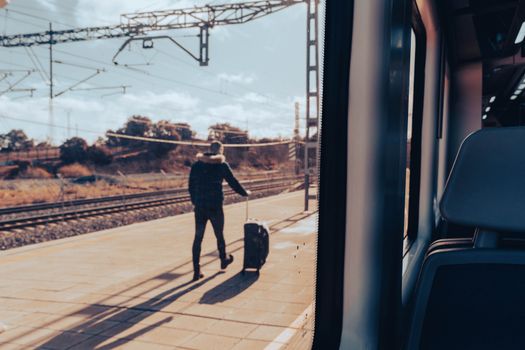
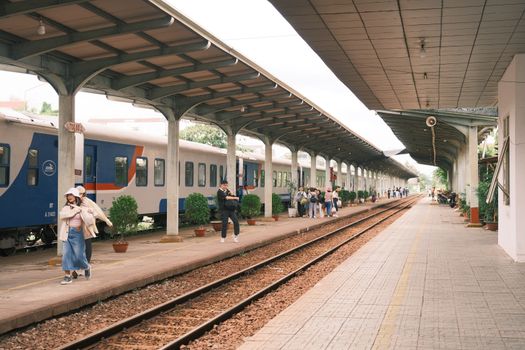
There is something freeing about leaving work on a Friday and stepping straight onto a train. No airport security, no car park, no long drive after a long week. The journey itself becomes the start of the weekend: a window seat, a book, a drink from the buffet car and a destination that changes with each hour.
But a Friday evening train escape only works if you plan it well. Tired commuters, crowded carriages and tight timing can turn a pleasant idea into a stressful one. This guide gives you a step-by-step framework to plan a trip that starts calmly and ends well. It focuses on how to decide, not on one list of destinations, so you can apply it wherever you live. Schedules and fares change, so check operators for current information.
Step 1: Decide How Far Is Worth It
The core question is how long you are willing to spend on the train after work. The sweet spot depends on your energy and your weekend length.
- Up to about two hours: Easy and low-risk. You arrive with the evening still ahead. Good for a first attempt.
- Two to four hours: A solid option for a full weekend. You arrive tired but with time to settle, eat and sleep.
- Four hours or more: Possible with a sleeper train or a relaxed evening. Consider a long weekend so the journey is balanced by more time away.
Add the time to get from your work or home to the station, and from the arrival station to your accommodation. A two-hour train that requires an hour on each end is really a four-hour trip.
A useful rule of thumb is to avoid arriving after the point where you would be too tired to enjoy dinner. If the train is late, you will be glad of the margin.
Step 2: Choose Your Destination Type
Friday evening trips suit certain kinds of places better than others. Consider what you want from the weekend.
- A walkable historic town or city where you can step off the train and walk to a hotel. This avoids extra transport.
- A coastal town for sea air and a gentle morning walk.
- A countryside or small-town base with trails nearby.
- A city with a strong evening scene, so Friday night is part of the fun.
- A quiet retreat where the point is doing very little.
Think about the arrival night. If you will arrive late, you want somewhere with food available and a simple hotel check-in, not a village where everything closes at eight.
Step 3: Study the Timetable Honestly
Look at actual departure and arrival times, not just journey length.
- Find the realistic departure time. If you finish work at five and need an hour to reach the station, a five-thirty train is unrealistic.
- Compare two or three options. Check one earlier and one later train in case of delays.
- Check the last trains. Know what happens if you miss yours.
- Look for direct trains. Each change adds risk and effort on a Friday evening.
- Note engineering works. Weekend maintenance can change timetables, particularly on Saturdays and Sundays. Check the operator's website for planned disruptions.
- Check the return. Sunday evening trains can be packed, so reserve if possible.
If you are crossing borders, check passport and entry requirements with official sources.
Step 4: Book Smartly
Fares and rules differ widely, but some principles apply.
- Book in advance where it is cheaper, though keep an eye on flexibility. Advance tickets are usually fixed to a particular train.
- Reserve seats on busy routes, especially for Friday evenings and Sunday returns.
- Consider first class or a quiet carriage if you want space to unwind, and compare the cost with the comfort.
- Check railcards and passes. Some countries offer discounts for off-peak travel, groups, couples or young adults. Compare with the cost of simple tickets.
- Compare total cost, including station transfers and local transport.
- Read the change and refund terms before you pay.
Friday-evening peak times can be more expensive. If you can leave a little later or take an earlier train, you might save money.
Step 5: Book Accommodation Near the Station
Staying near the station reduces stress on the first night and the last morning.
- Look for hotels, guesthouses or apartments within a short walk of arrival.
- Confirm late check-in. Many small properties need advance notice if you arrive after a certain time.
- Ask whether they provide luggage storage on Sunday, useful if your return train is in the evening.
- Check whether breakfast is included and what time it starts.
If you are staying in a quieter area, look at taxis or buses from the station, and note the last service.
Step 6: Pack Light and Smart
A Friday train escape rewards a small bag.
- A single carry-on or backpack is easier on busy platforms and stairs.
- Layers for changeable weather.
- Comfortable shoes for walking.
- A power bank and cable.
- A reusable bottle and snacks, in case the buffet is closed or crowded.
- A paper or offline copy of your ticket, in case of phone problems.
- A small travel kit with toiletries, medication and a lightweight towel if needed.
If you work in smart clothes, pack something comfortable to change into on the train or on arrival.
Step 7: Make the Train Part of the Trip
The journey can be the first pleasure of the weekend.
- Choose a seat on the side of the train with the best view, if you know the route.
- Download films, music or podcasts, since signal can be patchy.
- Bring a book or notebook.
- Pick up a good snack or meal before boarding, because Friday evening trains can be packed and onboard catering can sell out.
- Use the time to decompress, instead of continuing to work.
Some travellers set a simple ritual: a favourite playlist, a small treat and switching off work notifications as the train pulls out.
Step 8: Arrive Well
The first hour in a new place sets the tone.
- Walk to your accommodation if safe and practical.
- Check in, drop your bag and refresh.
- Eat nearby, simply. A first-night dinner does not need to be the best of the trip.
- Take a short evening stroll to get your bearings.
- Go to bed at a reasonable time, so you can enjoy Saturday.
Keep Saturday morning relaxed. If the weather is good, a sunrise walk or a long breakfast gives the weekend a gentle start.
Choosing Your Seat and Staying Comfortable
Friday evening trains can be busy, so a little strategy helps. If you can reserve, choose a table seat if you plan to read or use a laptop, and a window seat if you want to enjoy the view. Quiet carriages, where available, are good for anyone who wants to switch off. Put your bag on the rack above, keep valuables with you, and keep your ticket and phone easy to reach for inspections. If the train is crowded, arriving early at the platform gives you the best chance of finding luggage space near your seat.
Eat before or soon after you board. Station shops and bakeries often sell good snacks, and a simple sandwich and fruit keep you comfortable until late arrival. If you plan to have a drink on the train, follow the operator's rules and enjoy it in moderation, remembering that you may still have to walk to your hotel in an unfamiliar town.
Ideas for the Weekend Itself
Once you arrive, keep the plan loose. A good Friday-evening weekend has one anchor activity each day and plenty of space around it.
- Saturday: A morning walk or market visit, a leisurely lunch, an afternoon museum, castle, beach or hike, and an unhurried dinner.
- Sunday: A late breakfast, a last stroll or swim, then lunch before heading back. Avoid cramming a major sight into the last hour.
If the weather turns, have a plan B such as a museum, a spa, a covered market or a cosy café. Weekend trips are short, so flexibility keeps them enjoyable.
Sample Timeline
Here is a sample timeline for a roughly three-hour train.
- 17:00 Leave work, grab a snack.
- 17:45 Arrive at the station, find the platform, board by 18:15.
- 18:30 Depart. Settle in, put on headphones, read.
- 21:30 Arrive. Walk to the hotel.
- 22:00 Check in, light late dinner.
- 23:00 Sleep.
Change the details to suit your schedule. The point is to leave margin for delays.
What If Things Go Wrong?
- Delays: Check the operator's app and station announcements. Some operators have compensation schemes for delays, so keep your ticket and look up the rules.
- Missed connection: Ask staff at the station about the next service. Keep your tickets.
- Cancellation: Contact the operator or check for replacement buses.
- Late arrival: Tell your accommodation as early as possible.
- Overbooked trains: Arrive early to claim luggage space and a seat. Have a backup plan.
Consider travel insurance if the trip is expensive or involves cross-border tickets, reading the terms carefully.
Frequently Asked Questions
Is a Friday evening train trip worth the effort?
For many people, yes, especially for journeys of two to four hours. You gain a full Saturday and Sunday in a new place without using precious holiday days.
How early should I book?
Where advance fares exist, book as soon as your plans are firm. Peak Friday evening and Sunday evening trains can sell out.
Should I choose a direct train or a cheaper one with changes?
On a Friday evening, a direct train usually reduces stress. If you choose a connection, leave a comfortable buffer.
What if I work late?
Pick a train later in the evening, or choose a flexible ticket. Alternatively, travel early on Saturday morning and make the most of the weekend.
Summary
A Friday evening train escape works best with a clear plan: choose a sensible distance, pick a destination that suits an evening arrival, study the timetable realistically, book flexibly and stay near the station. Pack light, treat the journey as part of the pleasure, and keep Saturday morning gentle. Check the operator's website for current timetables, fares and disruptions, and leave margin for delays. With a little preparation, the weekend begins the moment the train pulls out of the station.