I stepped off the train in Florence, the scent of roasting chestnuts and ancient stone mingling in the crisp autumn air. The rumble of the locomotive faded, replaced by the distant chime of church bells and the murmur of Italian voices. This, I thought, is how travel is supposed to feel – a gentle immersion, not a frantic dash. For years, I’d chased the thrill of European cities, often sacrificing the journey for the destination. Then, I discovered the magic of train travel, and my entire perspective shifted. It’s not just about getting from A to B; it’s about the unfolding landscape, the unexpected conversations, the sheer romance of it all.
This isn't your grandma's train trip. This is about experiencing Europe with intention, with insider knowledge, and with a sense of wonder that only the rails can provide. Forget the stress of airport security and the carbon footprint of flying. Experts agree: traveling Europe entirely by train is the most sustainable, scenic, and soul-stirring way to explore this incredible continent. And I’m here to show you exactly how to do it.
The Allure of the Rails: Why Experts Swear by Train Travel
Why do seasoned travelers, from seasoned globetrotters to eco-conscious adventurers, champion train travel across Europe? It boils down to a few irresistible factors:
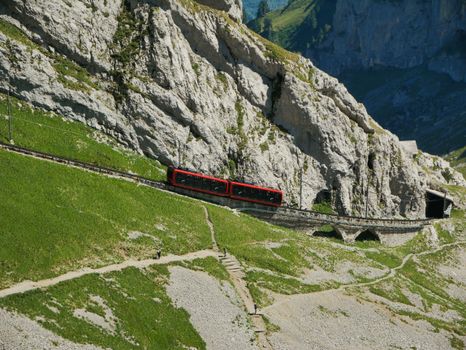
- Unparalleled Scenery: As you glide through the countryside, you're treated to vistas that simply aren't visible from 30,000 feet. Think rolling vineyards in France, dramatic fjords in Norway, sun-drenched coastlines in Spain, and the majestic peaks of the Alps. It’s a moving postcard, a constant feast for the eyes.
- Seamless City-to-City Connectivity: European rail networks are legendary. Trains often arrive and depart from city centers, meaning you’re steps away from your hotel or the next attraction, not miles from an airport. This saves precious time and eliminates costly transfers.
- Sustainability: Train travel is demonstrably more eco-friendly than flying. By choosing the rails, you're actively reducing your carbon footprint, a choice that resonates deeply with conscious travelers.
- The Joy of the Journey: There’s a certain romance to train travel that’s hard to replicate. The gentle sway, the rhythmic clickety-clack, the opportunity to relax, read, work, or simply gaze out the window – it’s a chance to truly disconnect and be present.
- Authentic Encounters: Strike up a conversation with a local on your way to Vienna, share a picnic lunch with fellow travelers in a scenic carriage, or simply observe the local life unfolding outside your window. These are the moments that define true travel.
Mastering the Network: Your Blueprint to Effortless European Rail Adventures
So, how do you actually do this? It’s less daunting than you might think, and with the right approach, it becomes an exhilarating part of your adventure.
1. Navigating the Pass Maze: Eurail vs. Interrail and Beyond
The first big question: which pass is right for you?
- Eurail Pass: This is your golden ticket if you are not a resident of Europe. It covers a vast network of countries and offers flexibility. You can choose consecutive day passes (e.g., 10 days within 2 months) or flexi passes (e.g., 7 travel days within 1 month).
- Pro-Tip: Always compare the cost of individual tickets versus a pass for your planned itinerary. For shorter, more direct routes, individual tickets might be cheaper.
- Interrail Pass: This is exclusively for European residents. The logic and coverage are similar to Eurail.
- Insider Lingo: Many seasoned travelers opt for a "Global Pass" which offers the most comprehensive country coverage.
Beyond the Passes:
- Country-Specific Passes: For deeper dives into a single country (like Switzerland or Italy), dedicated passes can offer excellent value and often include local transport.
- Point-to-Point Tickets: For very specific, non-flexible routes, booking individual tickets in advance can sometimes be the most economical option, especially on high-speed lines.
2. Crafting Your Dream Itinerary: The Art of the Scenic Route
The beauty of train travel is its flexibility. You can craft a journey that perfectly suits your pace and interests. Here are a few expert-recommended routes that consistently earn rave reviews:
- The Alpine Majesty:
- Route: Zurich (Switzerland) to Innsbruck (Austria) via the Bernina Express or the Glacier Express.
- Why it's iconic: These are not just trains; they are panoramic viewing platforms on wheels. Expect jaw-dropping vistas of snow-capped peaks, turquoise lakes, and charming alpine villages. The Bernina Express, in particular, is a UNESCO World Heritage site.
- Pro-Tip: Book seats in the panoramic carriages well in advance, especially during peak season. Pack a good camera – you’ll need it.
- The Italian Riviera & Tuscan Charm:
- Route: Milan to Florence, then to Cinque Terre (via La Spezia), and onwards to Rome.
- Why it's iconic: From the Renaissance art of Florence to the colorful cliffside villages of Cinque Terre and the ancient wonders of Rome, this route offers a taste of Italy's diverse beauty. The coastal train rides between the Cinque Terre villages are breathtaking.
- Insider Lingo: For Cinque Terre, the regional train is your best friend. It's frequent and connects all five villages. Avoid driving; parking is a nightmare.
- The Romantic Rhine Valley:
- Route: Cologne (Germany) to Mainz (Germany).
- Why it's iconic: This stretch of the Rhine is dotted with medieval castles perched on vine-covered hillsides, charming villages, and dramatic river bends. It feels like stepping into a fairytale.
- Pro-Tip: Sit on the left side of the train traveling south from Cologne for the best castle views. Consider breaking up the journey in towns like Koblenz or Rüdesheim.
- The Parisian Gateway to the Alps:
- Route: Paris (France) to Geneva (Switzerland).
- Why it's iconic: A smooth, comfortable journey that transitions you from the urban elegance of Paris to the natural splendor of the Swiss Alps. The TGV Lyria high-speed trains are a marvel of efficiency and comfort.
- Data: This journey takes approximately 3 hours and 10 minutes.
- The Iberian Sun-Drenched Explorer:
- Route: Barcelona (Spain) to Madrid (Spain) via high-speed AVE train.
- Why it's iconic: Experience the efficiency and comfort of Spain's high-speed rail network, connecting two of its most vibrant cities in under three hours. The landscape shifts from Mediterranean coast to rolling plains.
- Pro-Tip: Book AVE tickets several months in advance for the best prices. Look for "Promo+" fares.
3. The Art of Booking and Reservations: Beyond the Click
While passes offer flexibility, some trains require reservations, especially high-speed and overnight services. This is where strategic booking pays off.
- High-Speed Trains (TGV, ICE, Eurostar, AVE): These often have mandatory reservations. Book these as far in advance as possible (often 3-6 months) to secure your spot and get the best fares.
- Overnight Trains (Nightjet, Thello): Essential for covering long distances efficiently. These range from couchettes (shared sleeping compartments) to private sleeper cabins. Reservations are mandatory and often sell out.
- Pro-Tip: For overnight trains, a sleeper cabin is a splurge worth considering for a truly restful journey. It allows you to arrive at your next destination refreshed.
- Scenic Trains (Bernina Express, Glacier Express): These are popular tourist routes and almost always require a seat reservation, even if you have a pass.
- The Hidden Gem: Some routes have a "regular" train service that follows a similar path but doesn't require the premium reservation fee of the dedicated scenic express. Do your research!
Where to Book:
- Rail Europe: A great resource for comparing passes and booking individual tickets across many countries.
- Omio: Another excellent platform for comparing train, bus, and flight options.
- Directly with National Rail Companies: For specific countries (e.g., SNCF for France, Trenitalia for Italy, SBB for Switzerland), booking directly can sometimes yield better prices.
4. Packing Smart for the Rails: Less is More, More is Comfort
Train travel demands a different packing strategy than flying. You'll be handling your own luggage more frequently.
- Ditch the Giant Suitcase: Opt for a sturdy, but manageable, suitcase or backpack. Think "easy to lift onto racks."
- Layers are Key: Temperatures can vary significantly between carriages and during different times of day.
- Comfortable Shoes: You’ll be doing a lot of walking at stations and in cities.
- Entertainment: Books, e-readers, downloaded podcasts, and music are your best friends for longer journeys.
- Snacks & Water Bottle: While many trains have dining cars, bringing your own provisions is economical and convenient. Look for water refill stations at major stations.
- Power Bank: Essential for keeping your devices charged on the go.
- Eye Mask & Earplugs: For a more comfortable sleep on overnight journeys or for light sleepers.
5. Station Savvy: Navigating the Hubs Like a Local
European train stations are often bustling hubs of activity, architectural marvels in themselves.
- Arrive Early (But Not Too Early): Aim for 20-30 minutes before departure for domestic trains, and 45-60 minutes for international or overnight journeys. This gives you time to find your platform without rushing.
- Platform Announcements: Pay attention to platform changes. They can and do happen!
- Station Layouts: Most major stations have clear signage. Look for "Gleis" (platform in German), "Voie" (platform in French), "Binario" (platform in Italian).
- Food & Drink: Stations often have excellent bakeries, cafes, and supermarkets for grabbing a quick, delicious meal or picnic supplies.
- Pro-Tip: The bakeries in French and Swiss stations are usually top-notch for a croissant and coffee before an early departure.
- Luggage Storage: If you arrive early or need to store luggage for a day trip, most major stations offer secure luggage lockers.
6. The Etiquette of the Carriage: Being a Good Rail Citizen
Traveling with others requires consideration.
- Noise Levels: Keep conversations at a reasonable volume. Use headphones for music or videos.
- Seat Reservations: Always double-check your ticket for your assigned seat. Don't assume you can sit anywhere.
- Food Smells: Be mindful of strong-smelling foods, especially in enclosed compartments.
- Cleanliness: Dispose of your trash properly.
- Respecting Personal Space: Be aware of your surroundings and avoid encroaching on others' space.
Quick Facts: Your Essential Train Travel Cheat Sheet
| Aspect | Details | Estimated Cost ($) | Best Time to Visit | How to Get There |
| :-------------- | :---------------------------------------------------------------------- | :----------------- | :----------------- | :--------------------------------------------------- |
| Passes | Eurail/Interrail Global Pass (e.g., 15 days within 2 months) | $500 - $1000+ | Spring/Autumn | Purchase online from official sites or authorized resellers. |
| Accommodation | Hostels, budget hotels, Airbnb | $50 - $150/night | Year-round | Book online via booking platforms. |
| Food | Mix of supermarket picnics, local eateries, occasional restaurant meals | $40 - $80/day | Year-round | Explore local markets and casual cafes. |
| Train Tickets | Point-to-point, high-speed, scenic (can vary greatly) | $30 - $200+/journey | Book 3-6 months out | Book online via Rail Europe, Omio, or national sites. |
| Reservations | Mandatory for many high-speed & overnight trains | $10 - $50+ per train | Book early | Book with your pass or ticket. |
| Best Time | Spring (April-June) & Autumn (September-October) | N/A | N/A | N/A |
| Getting There | Fly into major European hubs (London, Paris, Amsterdam, Rome, etc.) | Varies | N/A | Book flights well in advance. |
Pro-Tip:
Many train stations have free Wi-Fi, but it can be spotty. Download offline maps and essential information before you leave your accommodation.
The Final Whistle: Your European Rail Adventure Awaits
The rhythmic pulse of the train, the ever-changing tapestry of landscapes, the quiet moments of reflection – this is the essence of truly experiencing Europe. By embracing train travel, you're not just getting from place to place; you're embarking on an adventure that nourishes the soul, respects the planet, and connects you deeply with the continent’s rich heritage. So, pack your curiosity, your sense of wonder, and your favorite travel journal. The rails are calling, and an unforgettable European journey awaits.