The Hook: A Breath of Fresh, Modern Air in Kigali
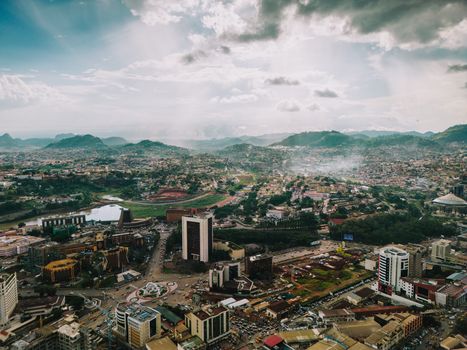
I stepped off the plane in Kigali, Rwanda, and it wasn't the humid warmth I expected, but a crisp, clean breeze that hit me first. Then came the quiet hum. Not the chaotic cacophony of many capital cities, but a controlled, efficient energy. The airport was sleek, modern, and remarkably organized. As my taxi glided along wide, immaculately clean roads, lined with lush greenery, I saw it: a city that felt… ahead of the curve. This wasn't just another African capital; this was a testament to vision, planning, and a relentless drive for progress. And it made me question everything I thought I knew about urban development and where the world's most exciting cities were truly emerging.
Beyond the Headlines: Rethinking African Urban Prowess
For too long, the narrative surrounding African cities has been one of struggle and underdevelopment. But recent data and on-the-ground realities paint a dramatically different picture. While Europe boasts centuries of established infrastructure and economic power, a new wave of African metropolises are not just catching up; they are innovating, leapfrogging traditional development models, and creating urban environments that are increasingly efficient, sustainable, and, dare I say, more developed in key areas than many European counterparts. This isn't about dismissing Europe; it's about celebrating the incredible, often overlooked, progress happening across the African continent.
The Urban Renaissance: What "Developed" Really Means Today
When we talk about "developed" cities, we're not just talking about skyscrapers and paved roads anymore. In the 21st century, development is about:
- Smart Infrastructure: Integrated technology, efficient public transport, and sustainable energy solutions.
- Digital Connectivity: Widespread internet access, thriving tech ecosystems, and a digitally-empowered populace.
- Quality of Life: Green spaces, public safety, access to healthcare and education, and a vibrant cultural scene.
- Economic Dynamism: Innovation hubs, thriving entrepreneurship, and attractive investment environments.
- Environmental Sustainability: Green building practices, waste management, and a commitment to combating climate change.
It's in these crucial, forward-looking metrics that several African cities are not just holding their own, but shining brightly.
The Powerhouses: Cities Leading the Charge
Based on recent indices focusing on smart city initiatives, infrastructure investment, economic diversification, and quality of life indicators, these African cities are making waves:
1. Kigali, Rwanda: The Green Lung of East Africa
Kiganda is, quite simply, a revelation. The cleanliness is legendary – no litter in sight, thanks to a mandatory monthly community clean-up day called Umuganda. This isn't just about aesthetics; it's a profound civic engagement that fosters pride and responsibility.
- Smart City Initiatives: Kigali is a leader in implementing smart city solutions. Think solar-powered streetlights, integrated waste management systems, and a growing network of public Wi-Fi hotspots. The government's commitment to technology is palpable.
- Green Spaces: Parks and tree-lined avenues are everywhere. The city actively promotes urban forestry, creating a refreshing and healthy environment.
- Safety and Order: Kigali consistently ranks as one of Africa's safest cities. The streets are well-lit, and public order is maintained efficiently.
- Infrastructure: Roads are smooth, well-maintained, and often feature dedicated lanes for motorcycles and bicycles. Public transport is organized and increasingly integrated.
Pro-Tip:
Visit the Kigali Genocide Memorial early in the morning (around 8 AM) to experience its profound impact with fewer crowds and a more contemplative atmosphere.
Quick Facts: Kigali
| Category | Estimated Cost (USD) | Best Time to Visit | How to Get There |
| :---------------- | :------------------- | :----------------- | :-------------------------------------------------- |
| Accommodation | $50 - $200/night | Dry Season (June-Aug, Dec-Feb) | Kigali International Airport (KGL) |
| Food | $20 - $50/day | | Major international airlines connect through hubs like Doha, Dubai, Amsterdam. |
| Local Transport | $5 - $15/day | | |
| Key Highlight | Unparalleled Cleanliness & Safety | | |
2. Nairobi, Kenya: The Silicon Savannah
Nairobi is a city that buzzes with entrepreneurial spirit. It’s nicknamed the "Silicon Savannah" for a reason. The proliferation of mobile money (M-Pesa), a vibrant tech startup scene, and a growing number of venture capital firms make it a hub of innovation.
- Tech Ecosystem: Nairobi is a leading African hub for tech startups, fintech, and mobile innovation. Co-working spaces are abundant, and the energy is infectious.
- Connectivity: Internet penetration is high, and the city is rapidly deploying 5G networks. Mobile technology is deeply embedded in daily life.
- Infrastructure Development: Significant investment is going into expanding and modernizing infrastructure, including the new Nairobi Expressway, which has dramatically reduced travel times.
- Green Initiatives: While a bustling metropolis, Nairobi boasts impressive green spaces like Karura Forest, a vital urban lung.
Insider Lingo:
You’ll hear about "hustle culture" and "innovation hubs" everywhere. Don't be surprised by the sheer number of young entrepreneurs pitching their next big idea.
Pro-Tip:
To experience the true pulse of Nairobi's tech scene, attend a meetup or conference at one of the many innovation hubs like iHub or Nairobi Garage.
Quick Facts: Nairobi
| Category | Estimated Cost (USD) | Best Time to Visit | How to Get There |
| :---------------- | :------------------- | :----------------- | :-------------------------------------------------- |
| Accommodation | $60 - $250/night | Dry Season (June-Oct, Jan-Feb) | Jomo Kenyatta International Airport (NBO) |
| Food | $25 - $60/day | | Direct flights from major European, Middle Eastern, and Asian cities. |
| Local Transport | $10 - $20/day | | |
| Key Highlight | Thriving Tech Scene & Mobile Innovation | | |
3. Lagos, Nigeria: The Resilient Megacity
Lagos is a city of contradictions, a sprawling, energetic titan that never sleeps. While facing challenges inherent to any megacity of its size, its sheer dynamism, economic power, and relentless drive for modernization are undeniable. Recent infrastructure projects are transforming its landscape.
- Economic Engine: Lagos is the economic powerhouse of Nigeria and a major financial center in Africa. Its port is one of the busiest in Africa.
- Infrastructure Boom: The Lekki Deep Sea Port, the ongoing rail network expansion, and new road projects are significantly improving connectivity and logistics.
- Cultural Hub: Lagos is a global leader in music (Afrobeats!), film (Nollywood), and fashion. The creative energy is unparalleled.
- Digital Adoption: Mobile internet penetration is high, and digital services are rapidly expanding, from e-commerce to ride-sharing.
Authenticity Check:
Forget sterile business districts. Lagos's development is fueled by grassroots innovation. Explore markets like Balogun or Computer Village to see commerce in its rawest, most vibrant form. The aroma of suya grilling and the vibrant chatter are intoxicating.
Pro-Tip:
To beat the notorious Lagos traffic, utilize the growing network of ride-sharing apps and consider water taxis for certain routes, especially around the islands.
Quick Facts: Lagos
| Category | Estimated Cost (USD) | Best Time to Visit | How to Get There |
| :---------------- | :------------------- | :----------------- | :-------------------------------------------------- |
| Accommodation | $70 - $300/night | Dry Season (Nov-Mar) | Murtala Muhammed International Airport (LOS) |
| Food | $30 - $70/day | | Frequent flights from Europe, the US, and other African nations. |
| Local Transport | $15 - $30/day | | |
| Key Highlight | Unmatched Economic Dynamism & Cultural Output | | |
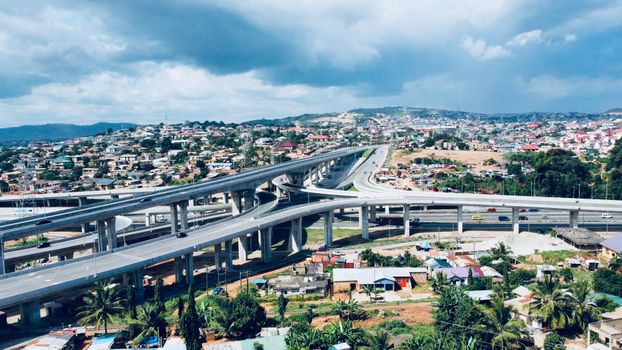
4. Accra, Ghana: The Gateway to West Africa
Accra is a city that perfectly balances its rich history with a forward-looking vision. It's a melting pot of cultures, a hub for business, and increasingly, a center for technological advancement.
- Strategic Location: As the capital of Ghana, Accra is a key trading and transit point in West Africa.
- Infrastructure Upgrades: Significant investments have been made in roads, public transportation, and digital infrastructure, including widespread fiber optic networks.
- Growing Tech Scene: Accra is fostering a burgeoning tech ecosystem with incubators and accelerators supporting startups in various sectors.
- Quality of Life: The city offers a good quality of life with vibrant nightlife, diverse culinary experiences, and a generally friendly atmosphere.
Pro-Tip:
For an authentic taste of Accra, head to the Jamestown fishing community at dawn to witness the bustling return of the fishing boats. The smoky aroma of grilled fish is unforgettable.
Quick Facts: Accra
| Category | Estimated Cost (USD) | Best Time to Visit | How to Get There |
| :---------------- | :------------------- | :----------------- | :-------------------------------------------------- |
| Accommodation | $50 - $180/night | Dry Season (Nov-Mar) | Kotoka International Airport (ACC) |
| Food | $20 - $50/day | | Direct and connecting flights from Europe, North America, and other African cities. |
| Local Transport | $5 - $15/day | | |
| Key Highlight | Strategic Trade Hub & Emerging Tech Scene | | |
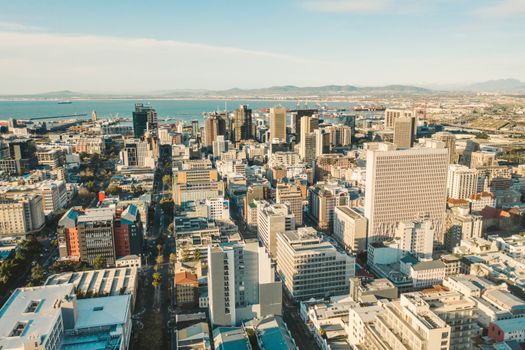
5. Cape Town, South Africa: The Jewel of the South
While often categorized differently due to its historical context, Cape Town's modern development, particularly in terms of infrastructure, tourism, and quality of life, places it firmly in contention. It’s a city that seamlessly blends natural beauty with sophisticated urban living.
- World-Class Infrastructure: Cape Town boasts excellent roads, reliable utilities, and a sophisticated public transport system (though still developing).
- Tourism Powerhouse: Its stunning natural beauty, vibrant culture, and excellent hospitality sector make it a global tourism magnet, driving significant economic activity.
- Innovation & Entrepreneurship: The city is a hub for tech startups, creative industries, and renewable energy initiatives.
- Quality of Life: Consistently ranks high for livability, offering a superb lifestyle with beaches, mountains, and a thriving culinary scene.
Insider Lingo:
You'll hear about "the Mother City" and its famous "Cape Doctor" (a strong southeaster wind). Embrace the laid-back yet sophisticated vibe.
Pro-Tip:
For breathtaking panoramic views without the crowds, take the cable car up Table Mountain just after sunrise. The golden light on the city is magical.
Quick Facts: Cape Town
| Category | Estimated Cost (USD) | Best Time to Visit | How to Get There |
| :---------------- | :------------------- | :----------------- | :-------------------------------------------------- |
| Accommodation | $70 - $300/night | Shoulder Seasons (Spring: Sep-Nov, Autumn: Mar-May) | Cape Town International Airport (CPT) |
| Food | $30 - $80/day | | Direct flights from Europe, the Middle East, and other African cities. |
| Local Transport | $10 - $25/day | | |
| Key Highlight | Exceptional Quality of Life & Natural Beauty | | |
The Data Doesn't Lie: A New Era of African Urbanism
It's crucial to understand that "development" is a multifaceted concept. While European cities often lead in historical infrastructure and established economic models, African cities are demonstrating remarkable agility and innovation in areas that define the future of urban living. Factors like rapid technological adoption, ambitious infrastructure projects, and a young, dynamic population are creating urban centers that are not just surviving, but thriving.
- Leapfrogging Technology: Many African cities have skipped the landline era and gone straight to mobile, leading to rapid adoption of mobile banking, e-commerce, and digital services.
- Youthful Demographics: A large, educated youth population fuels innovation and entrepreneurship, driving demand for modern services and infrastructure.
- Strategic Investment: Governments and private sectors are making significant investments in infrastructure, renewable energy, and technology, creating a tangible impact on urban environments.
Planning Your Journey: The Tripsora Advantage
For the discerning traveler, these cities offer an unparalleled opportunity to witness development in action, experience vibrant cultures, and engage with forward-thinking communities. Forget dusty guidebooks; the real story is unfolding now.
Pro-Tip:
Embrace local transport where feasible. Ride-sharing apps are common, and in cities like Kigali, the moto-taxis offer an exhilarating way to see the city. Always agree on a price beforehand!
The Future is African
The narrative is shifting. African cities are not just emerging; they are leading. They are vibrant, innovative, and increasingly developed in ways that matter for the 21st century. So, pack your bags, open your mind, and get ready to explore the urban frontiers that are redefining what it means to be a truly "developed" city. The future of travel is here, and it's electrifyingly African.