The Hook: Salt, Sulfur, and Silence
I stepped off the rickety wooden pier in West End, Roatán, and the first thing that hit me wasn't the heat—it was the smell of damp hibiscus mixed with the metallic tang of scuba tanks. My hair was already stiff with salt, and the only sound was the distant, rhythmic thwack-thwack of a ceiling fan from a nearby dive shop.
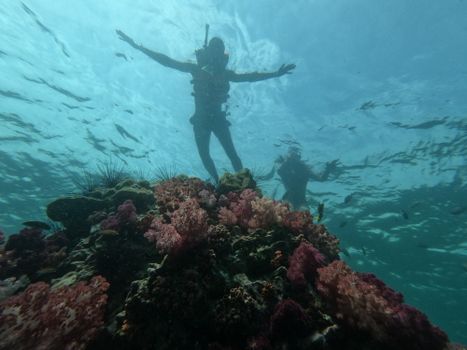
A decade ago, I would have told you the Great Barrier Reef was the undisputed heavyweight champion of the underwater world. But as I descended into the "Hole in the Wall"—a jagged fissure in the reef that spits you out into the deep blue abyss—I realized something the industry has been whispering for years. Australia has the name recognition, but Central American diving beating Australia travel advisors suggest is the reality on the ground (or under the waves).
The water wasn't just clear; it was invisible. I watched a hawksbill turtle crunching on a sponge three inches from my mask, oblivious to the fact that I hadn't paid $400 for a day trip to see him. This is the Mesoamerican Renaissance.
1. The Great Barrier Reef’s Mid-Life Crisis vs. The Mesoamerican Rise
Let’s be blunt: Australia’s Great Barrier Reef (GBR) is struggling. Between mass bleaching events and the sheer logistical nightmare of reaching the "good" outer reefs, the experience has become increasingly sanitized and expensive.
In contrast, the Mesoamerican Barrier Reef—stretching from Mexico down to Honduras—is pulsing with life. Because the reef sits much closer to the shore, you aren't spending four hours on a nauseating catamaran just to get to the dive site. In places like Cozumel or Belize, the drop-off is often just a five-minute boat ride away. Travel advisors are now steering high-end clients away from the Cairns crowds and toward the boutique, conservation-focused lodges of the Caribbean coast.
2. Belize: The Blue Hole is Just the Appetizer
Most people know Belize for the Great Blue Hole. It’s iconic, yes, but insiders know it’s actually a "bucket list" check-mark that pales in comparison to the Turneffe Atoll.
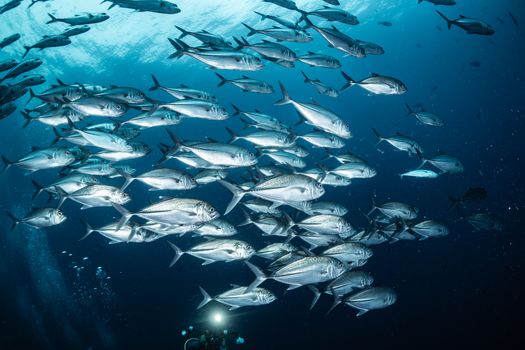
While the Blue Hole is a dark, prehistoric stalactite graveyard (cool, but eerie), Turneffe is a kaleidoscope. I spent sixty minutes at a site called "The Elbow" surrounded by thousands of schooling snappers and permit fish so thick they blocked out the sun.
Pro-Tip:
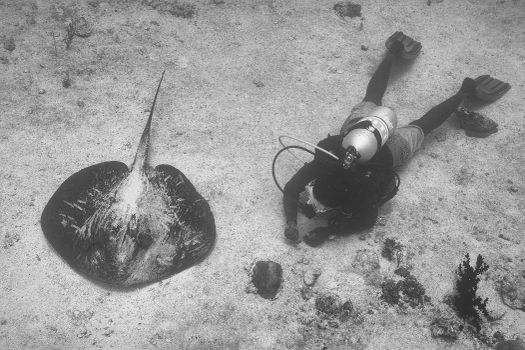
Don't stay in the middle of San Pedro if you want the best diving. Head to the smaller "Caye Caulker" and book with a shop that visits the Esmeralda Canyons. You’ll see more nurse sharks and stingrays in one dive than you’ll see in a week in Queensland.
3. Roatán and Utila: The Yin and Yang of Honduras
If you want to understand why Central American diving is beating Australia travel advisors suggest, look at the Bay Islands.
- Roatán: This is the land of dramatic topography. The reef here is defined by "swim-throughs"—underwater tunnels and cracks in the coral that make you feel like an aquatic Indiana Jones.
- Utila: This is the budget capital of the world, but with a high-class secret. It is one of the few places on Earth where you can consistently encounter whale sharks.
Insider Language:
Ask your divemaster about the "Black Hills" seamount in Utila. It’s an underwater mountain rising from the depths, swarming with pelagic life. It’s a "washing machine" dive (strong currents), but the payoff is legendary.
4. Mexico: Drift Diving and the Spirit World
Cozumel offers something Australia simply can’t compete with: the high-speed drift. You don't swim in Cozumel; you fly. The current picks you up at Palancar Reef and carries you past towering coral pinnacles while you simply hover and watch the show.
Then, there are the Cenotes. These are freshwater sinkholes in the Yucatan jungle, leading to the world's largest underwater cave systems.
* The Experience: Diving in Dos Ojos or The Pit is a religious experience. The halocline (where salt and fresh water meet) creates a shimmering optical illusion, and the beams of sunlight piercing through the jungle canopy—known as "God-light"—are a photographer's dream.
5. The Corn Islands: Nicaragua’s Final Frontier
If you want to go where the crowds aren't, the Little Corn Island is your destination. There are no cars here. No paved roads. Just a tiny island surrounded by a fringing reef that sees perhaps ten divers a day.
The diving here is "raw." You’ll find massive nurse sharks sleeping under ledges and eagle rays gliding past in formation. It feels like the Caribbean did fifty years ago.
Pro-Tip:
The hidden entrance to the best shore snorkel is behind the "blue door" of a local guesthouse on the island’s north side. Walk through the palm grove, and you’re on a reef that rivals most paid boat trips.
6. The Math: Why Your Wallet Prefers the Caribbean
Let’s talk logistics. A liveaboard in Australia can easily run you $3,000 for a week, plus the flight to a remote regional airport.
In Central America, your dollar stretches into a different dimension.
| Destination | Avg. Cost per Dive | Best Time to Visit | Primary Draw |
| :--- | :--- | :--- | :--- |
| Roatán, Honduras | $35 - $45 | March - August | Wall dives & Macro life |
| Cozumel, Mexico | $50 - $70 | Year-round | High-speed drift diving |
| Belize (Atolls) | $80 - $120 | April - June | Whale sharks & Coral health |
| Little Corn, Nic. | $40 - $50 | Feb - September | Untouched reefs & Solitude |
How to get there:
Major hubs like Cancun (CUN), Belize City (BZE), and Roatán (RTB) are easily accessible via direct flights from Miami, Houston, or Los Angeles, often for under $400 round-trip.
7. Authenticity: The "Post-Dive" Vibe
In Australia, the post-dive experience is often a burger at a franchise pub. In Central America, it’s a plate of baleadas (thick flour tortillas with beans and cream) and a cold Salva Vida beer while sitting in a hammock.
There is a soul to Central American diving that the GBR has lost to over-commercialization. It’s the sound of Reggaeton drifting across the water, the taste of fresh lime on ceviche caught that morning, and the fact that your dive guide is likely the owner of the shop who knows every crevice of the reef by heart.
The Verdict
The data is clear, and the travel advisors are right. For biodiversity that hasn't been bleached into oblivion, for costs that don't require a second mortgage, and for an adventure that feels genuinely "undiscovered," Central America is the new gold standard.
Stop following the 1990s travel brochures. The Mesoamerican Reef is calling, and it’s much louder than the Great Barrier Reef's fading echo.
---