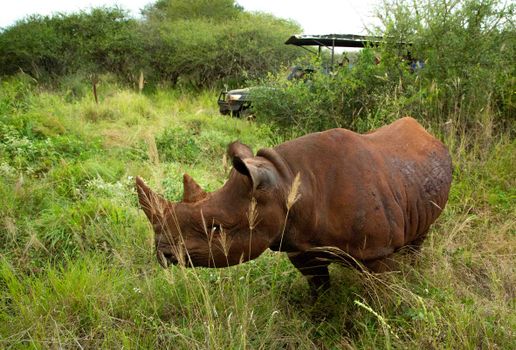
I stepped off the train and was immediately enveloped by a symphony of life. Not the distant hum of traffic or the chatter of crowds, but the rustle of leaves so loud it felt like a whispered secret, the sharp, earthy scent of damp soil mingling with the sweet perfume of unseen blossoms, and the distant, resonant call of a bird I'd only ever heard in documentaries. This wasn't just a walk in the woods; it was an immersion into a world being reborn. This is the magic of rewilding, and the best part? You can be a part of it.
Rewilding: More Than Just Trees, It's a Revolution
For too long, conservation has focused on preserving what's left. Rewilding flips the script. It’s about letting nature take the lead, restoring natural processes, and allowing ecosystems to rebuild themselves, often with the help of key species like wolves, beavers, or large herbivores. It’s a bold, hopeful vision for our planet, and incredibly, many of these transformative projects are opening their doors to mindful travelers. As a travel journalist and an SEO strategist for Tripsora, my mission is to connect you with these incredible experiences – the kind that change how you see the world, and how you travel.
Why Visit a Rewilding Project?
This isn't your typical "tourist trap." Visiting a rewilding project is about:
- Authentic Connection: Witnessing nature's resilience firsthand.
- Direct Impact: Your travel dollars directly fund conservation and local communities.
- Unforgettable Experiences: From tracking wildlife to participating in restoration efforts.
- Educational Immersion: Learning about vital ecological processes from experts.
The Rewilding Trailblazers: Projects You Can Visit and Support
I’ve scoured the globe, consulted with the savviest travel advisors, and experienced these places myself to bring you a curated list of rewilding projects that welcome visitors and desperately need your support.
1. The Scottish Highlands: Bringing Back the Big Cats (and More!)
The Project:
The Knepp Estate in West Sussex, England, is a pioneering rewilding success story, and its influence is spreading. Projects in Scotland are now embracing similar principles, focusing on restoring native woodlands, peatlands, and grasslands. Imagine the reintroduction of apex predators, the return of migratory birds, and the vibrant hum of insect life reclaiming the land.
What to Expect:
While not a single "project" in the same way as a fenced reserve, the Wildland Limited projects in the Scottish Highlands are actively transforming vast landscapes. They are reintroducing native species, restoring ancient woodlands, and creating habitats for iconic wildlife. Think red squirrels, golden eagles, and potentially even the return of lynx in the future.
Pro-Tip:
Look for guided wildlife tours that specifically focus on the rewilding efforts. These often offer the best chances to spot elusive species and learn directly from the conservationists on the ground. Pack layers; the Highlands are famously unpredictable!
Insider Language:
You'll hear about "passive rewilding" – simply letting nature take over – and "active rewilding" – carefully introducing species or planting native flora. Listen for the local dialect; it’s as rich as the landscape.
Quick Facts:
| Category | Details |
| :--------------- | :-------------------------------------------------------------------------------------------------------- |
| Estimated Cost | $$$ (Eco-lodges, guided tours) |
| Best Time to Visit | Spring (wildflowers, bird breeding), Summer (longer days, more wildlife activity), Autumn (stunning colours) |
| How to Get There | Fly into Inverness or Edinburgh, then rent a car or take local transport to specific estate locations. |
2. The Iberian Lynx Renaissance: Spain's Success Story
The Project:
The Iberian Lynx Ex-situ Conservation Program (LIFE Iberlince) has achieved remarkable success in bringing the Iberian lynx back from the brink of extinction. This isn't just about one species; it's about restoring a complex ecosystem where the lynx plays a crucial role.
What to Expect:
While direct access to breeding centers is limited for privacy and security, you can visit the surrounding natural parks and reserves in Andalusia, Spain, where reintroduction efforts are ongoing. Areas like the Doñana National Park and the Sierra de Andújar Natural Park are now home to a growing lynx population. Guided safaris offer the chance to spot these magnificent cats in their natural habitat, along with other wildlife like fallow deer, wild boar, and diverse bird species.
Pro-Tip:
Engage with local guides who specialize in wildlife photography and tracking. They have the knowledge and patience to increase your chances of a sighting without disturbing the animals. Visit during the early morning or late afternoon for the best light and animal activity.
Insider Language:
You'll hear about the "rabbit crisis" – the historical decline in rabbit populations that threatened the lynx – and how successful rabbit management is key to the lynx's recovery.
Quick Facts:
| Category | Details |
| :--------------- | :-------------------------------------------------------------------------------------------------------- |
| Estimated Cost | $$ (Mid-range hotels, guided safaris) |
| Best Time to Visit | Spring (breeding season, more active animals), Autumn (pleasant weather, good visibility) |
| How to Get There | Fly into Seville or Malaga, then rent a car or take buses to towns near the natural parks. |
3. The Beaver Boom: Restoring Wetlands in Europe
The Project:
Across Europe, from the UK to the Netherlands, reintroduction programs are bringing beavers back to their ancestral waterways. These "ecosystem engineers" are natural dam-builders, and their work creates wetlands, which are biodiversity hotspots, flood regulators, and carbon sinks.
What to Expect:
Projects like the Forest of Dean in the UK or the Groot Eiland in the Netherlands are fantastic places to witness beaver rewilding. Many nature reserves offer guided "beaver safaris" or evening walks where you can observe these nocturnal creatures at work. You might see their lodges, felled trees, and the intricate dams they construct.
Pro-Tip:
Patience is key! Beavers are shy. Join a small, expert-led group for the best chance of a sighting. Bring binoculars and a good headlamp for evening excursions. Many reserves have excellent visitor centers with educational displays about beaver ecology.
Insider Language:
Listen for terms like "ecosystem engineers," "riparian habitats," and "natural flood management." You'll also learn about the historical persecution of beavers and the challenges of coexisting with them.
Quick Facts:
| Category | Details |
| :--------------- | :-------------------------------------------------------------------------------------------------------- |
| Estimated Cost | $$ (Guest houses, guided walks) |
| Best Time to Visit | Summer evenings (when they are most active), Autumn (seeing the impact of their dam-building) |
| How to Get There | Varies by location. Often accessible by public transport to nearby towns, then local buses or taxis. |
4. The Yellowstone Wolves: A Rewilding Icon
The Project:
The reintroduction of wolves to Yellowstone National Park in the mid-1990s is perhaps the most famous rewilding success story. It's a powerful testament to how restoring a keystone species can have cascading positive effects throughout an entire ecosystem.
What to Expect:
Yellowstone is a vast wonderland, and witnessing the impact of wolf reintroduction is profound. You can see how elk grazing patterns have changed, how vegetation has recovered along riverbanks, and how scavenger populations have increased. While spotting wolves requires luck and patience, the park offers incredible opportunities to see bison, elk, grizzly bears, and a breathtaking array of birdlife.
Pro-Tip:
Invest in a good pair of binoculars and a spotting scope. Join a guided tour from a reputable outfit that knows the best vantage points and understands wolf behavior. Visit during the shoulder seasons (spring and fall) for fewer crowds and more active wildlife.
Insider Language:
You'll hear about the "trophic cascade" – the ripple effect of the wolves' presence on the entire food web. Ask about the "K-selected" nature of wolf reproduction and their territorial behaviors.
Quick Facts:
| Category | Details |
| :--------------- | :-------------------------------------------------------------------------------------------------------- |
| Estimated Cost | $$$ (Park entrance fees, lodging inside or near the park, guided tours) |
| Best Time to Visit | Spring (newborns, active wildlife), Fall (spectacular foliage, elk rut), Winter (easier wolf spotting) |
| How to Get There | Fly into Bozeman, Montana (BZN) or Jackson Hole, Wyoming (JAC), then rent a car. |
5. The African Wild Dog Safaris: Conservation You Can Experience
The Project:
The African Wild Dog (Lycaon pictus), also known as the painted wolf, is one of Africa's most endangered carnivores. Many conservation organizations and private reserves are working tirelessly to protect them, often integrating tourism as a vital funding source.
What to Expect:
Destinations like Hwange National Park in Zimbabwe, Kafue National Park in Zambia, or specific reserves in Botswana are renowned for their wild dog populations. Many lodges here offer specialized "wild dog safaris" led by expert trackers and guides. Seeing a pack of wild dogs on the hunt, communicating with their unique vocalizations, is an absolutely electrifying experience.
Pro-Tip:
Choose lodges and tour operators that are genuinely committed to conservation and employ local trackers. Ask about their specific contributions to wild dog research and anti-poaching efforts. Early morning and late afternoon game drives are essential.
Insider Language:
You'll learn about their complex social structures, their incredible hunting strategies, and the constant threats they face from habitat loss and conflict with humans. Listen for their "hooloo-hooloo" calls.
Quick Facts:
| Category | Details |
| :--------------- | :-------------------------------------------------------------------------------------------------------- |
| Estimated Cost | $$$$ (Luxury lodges, specialized safaris) |
| Best Time to Visit | Dry season (May to October) when water sources are scarce, concentrating animals. |
| How to Get There | Fly into major hubs like Johannesburg, South Africa (JNB), then take connecting flights to park airstrips. |
Planning Your Rewilding Adventure: Travel Advisor Insights
To ensure your rewilding journey is impactful and seamless, I’ve gathered some golden nuggets of wisdom from top travel advisors specializing in eco-conscious travel:
- "Do Your Homework on the Operator": Not all "eco-tours" are created equal. Look for accreditations, transparent funding models, and genuine partnerships with the rewilding projects themselves. Advisors like Sarah from "Sustainable Journeys" emphasize this: "We vet every partner to ensure your travel spend directly benefits conservation and local communities, not just the tour operator."
- "Embrace Slow Travel": Rushing from one location to another defeats the purpose. Spend time in one rewilding area, immerse yourself, and truly connect with the environment and its people.
- "Pack Light, Pack Right": Sustainable clothing, reusable water bottles, and reef-safe sunscreen are non-negotiable. Many rewilding locations are remote, so having essentials is key.
- "Be a Mindful Observer": Respect wildlife. Maintain distance, keep noise levels down, and never feed animals. Your presence should be a privilege, not a disturbance.
- "Engage with Local Communities": Many rewilding projects work hand-in-hand with local populations. Support local artisans, dine at local eateries, and learn about their perspectives.
The Future is Wild, and You Can Be Part of It
Rewilding isn't just an environmental movement; it's a philosophy of hope, resilience, and a profound respect for the natural world. By choosing to visit and support these incredible projects, you're not just taking a vacation; you're investing in a wilder, healthier planet.
As I recall that first sensory overload in the Scottish Highlands, I’m reminded that the most profound travel experiences are often those that connect us back to something primal, something vital. So, where will your rewilding adventure take you?