I stepped off the train in Gruyères, Switzerland, and the crisp February air immediately carried a hint of something deeper, something more profound than just winter chill. It was the unmistakable, comforting, and utterly intoxicating scent of aging cheese. Not just any cheese, mind you, but the soul of a region, nurtured in the cool, quiet embrace of the earth. This, my friends, is the magic of cheese caves, and I’m about to take you on a journey to the most extraordinary ones you can visit and taste in February 2026.
February might seem like an odd time for a cheese pilgrimage, but trust me, it’s a secret sweet spot. The winter crowds have thinned, the air is bracingly clean, and there's a cozy intimacy to exploring these subterranean wonders. Plus, the cheeses themselves are often at their peak, having spent months, even years, developing their complex personalities in the dark.
The Allure of the Underground: Why Cheese Caves Captivate
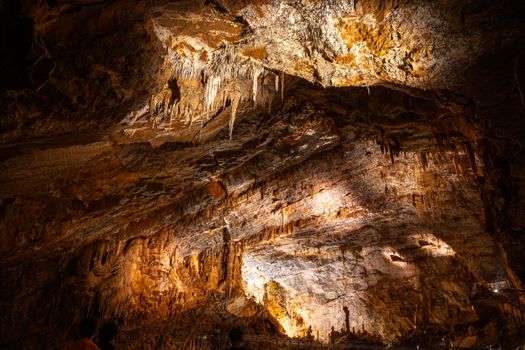
There’s an ancient wisdom to aging cheese underground. It’s not just about temperature and humidity control, though that’s crucial. It’s about the very earth itself imparting its essence. The porous stone walls, the constant, cool dampness, the absence of light – these are the elements that transform simple milk into edible art.
Think of the sounds: the gentle dripping of condensation, the soft rustle of straw or wooden shelves, the almost imperceptible sigh of a cheese rind breathing. It’s a sensory symphony, a stark contrast to the bustling world above. And the smell? Oh, the smell! It’s a complex bouquet of ammonia, mushroom, hay, nuts, and sometimes even a hint of the wild herbs that might have grazed the cows centuries ago. It’s the perfume of patience, of time, of pure, unadulterated flavor.
Beyond the Brine: The Science and Soul of Cave Aging
Cheese caves aren't just damp holes in the ground. They are meticulously managed ecosystems. The natural microflora present in the cave environment plays a vital role in developing the rind and flavor profile of the cheese. Different caves, with their unique mineral compositions and microbial populations, will impart subtly different characteristics to the same cheese. It’s this terroir, this sense of place, that makes cave-aged cheese so special.
When you taste a cheese that has been aged in a cave, you're not just tasting milk and rennet. You're tasting the history of the land, the dedication of the cheesemaker, and the slow, deliberate dance of time and nature.
5 Must-Visit Cheese Caves for Your February 2026 Culinary Adventure
This isn't an exhaustive list, but rather a curated selection of places that offer an unparalleled experience for the discerning cheese lover. We're talking about places where you can not only see the magic happen but also taste the fruits of this ancient labor.
1. The Gruyères Cheese Cellars, Switzerland: A Swiss Icon Deep Dive
The Hook:
My first true "wow" moment with cave-aged cheese happened in Gruyères. Descending into the Maison du Gruyère's aging cellars, the air was thick with that nutty, slightly sweet aroma that defines its namesake cheese. Seeing the enormous wheels, some taller than my waist, resting on wooden shelves, felt like stepping into a cheese cathedral.
The Maison du Gruyère offers a fascinating journey through the cheese-making process, culminating in a guided tour of their impressive aging cellars. Here, you'll witness the traditional methods used to mature the iconic Gruyère AOP. The sheer scale of the operation, combined with the intimate atmosphere of the caves, is truly captivating.
Insider Tip:
Book your tour in advance, especially if you're traveling during a weekend in February. The 7 AM tour often offers a quieter, more personal experience. Don't miss the tasting session afterward; you'll learn to discern the subtle differences between young and mature Gruyère.
Quick Facts - Gruyères Cheese Cellars:
* Estimated Cost: €15-€25 per person for cellar tour and tasting.
* Best Time to Visit (February): Weekday mornings for fewer crowds.
* How to Get There: Train to Gruyères station, followed by a short walk. Easily accessible from Geneva and Bern.
2. Comté Caves of the Jura Mountains, France: A Symphony of Terroir
The Hook:
The Jura region of France is a treasure trove of cave-aged cheeses, and the Comté caves are legendary. I remember standing in a vast, cool cavern, the air alive with the earthy scent of Comté, imagining the generations of cheesemakers who had tended these wheels. The sheer volume of cheese, stacked high and breathing slowly, was awe-inspiring.
The Jura Mountains are dotted with numerous affineurs (cheese agers) who utilize natural caves and purpose-built cellars to mature Comté. Each affineur has their own unique approach, and visiting several will reveal the incredible diversity within this single cheese. Look for affineurs like Marcel Petite or Fort des Rousses, which are renowned for their exceptional aging environments.
Insider Tip:
Many affineurs offer guided tours and tastings. Ask about their "fruitière" tours, where you can see the cheese being made before it's brought to the cave. The caves themselves can be quite chilly, so pack an extra layer!
Quick Facts - Comté Caves (Jura Region):
* Estimated Cost: €10-€30 per person for tours/tastings, depending on the affineur.
* Best Time to Visit (February): Mid-week afternoons offer a good balance of accessibility and fewer visitors.
* How to Get There: Drive is recommended for exploring multiple affineurs. Nearest major airports are Lyon (LYS) or Geneva (GVA).
3. The Roquefort Papillon Caves, France: A Blue Cheese Mecca
The Hook:
Stepping into the Roquefort Papillon caves felt like entering another world. The cool, damp air was tinged with the distinctive, pungent aroma of Roquefort. The natural blue veins within the cheese seemed to mirror the veins of minerals in the cave walls. It was a raw, powerful sensory experience.
Roquefort is one of the world's most famous blue cheeses, and its aging process is intrinsically linked to the natural Combalou caves in the Aveyron region of France. These caves, carved by natural geological forces, provide the ideal conditions for the Penicillium roqueforti mold to develop the cheese's characteristic marbling and sharp, tangy flavor. Papillon is a particularly good producer to visit for its educational focus and accessible cellars.
Insider Tip:
The temperature in the Roquefort caves is a constant 10-12°C (50-54°F) year-round. Wear sturdy, non-slip shoes as the floors can be damp. The tasting at the end is crucial for appreciating the nuances of different aging periods.
Quick Facts - Roquefort Papillon Caves:
* Estimated Cost: €8-€15 per person for a guided tour and tasting.
* Best Time to Visit (February): Any weekday is generally good; check their website for specific tour times.
* How to Get There: Nearest major airport is Toulouse (TLS). A car is highly recommended for this region.
4. The Cheddar Gorge Caves, England: A Historic British Gem
The Hook:
For a taste of British tradition, the Cheddar Gorge caves offer a unique experience. Descending into the Gough's Cave or Cheddar Gorge Caves, you're not just seeing cheese aging; you're walking through ancient geological formations where the original Cheddar cheese was first matured. The sheer history embedded in these walls is palpable.
The Cheddar Gorge Cheese Company matures its famous Cheddar cheese in the natural caves of Cheddar Gorge. The constant temperature and humidity provide an ideal environment for developing a rich, complex flavor profile that is distinct from conventionally aged cheddar. It’s a tangible link to centuries of cheesemaking heritage.
Insider Tip:
Combine your cheese tasting with exploring the spectacular stalactites and stalagmites of the caves themselves. The guided tours often highlight the historical significance of the caves for cheese production.
Quick Facts - Cheddar Gorge Caves:
* Estimated Cost: £15-£25 per person for cave entry and cheese tasting.
* Best Time to Visit (February): Weekends can be busier, but weekdays offer a more relaxed exploration.
* How to Get There: Train to Weston-super-Mare or Bristol, then a bus or taxi to Cheddar. Driving is also a good option.
5. The Stilton Cheesemakers' Caves, UK: A Noble Blue's Lair
The Hook:
Discovering the secrets of Stilton cheese in its natural aging environment was a revelation. The cool, earthy air of the disused mines and purpose-built cellars where this 'King of Cheeses' matures is steeped in tradition. The distinctive blue veins seemed to glow in the dim light, promising a taste of true British excellence.
While Stilton is typically aged in controlled environments now, some producers still utilize traditional methods or have access to historic aging spaces that evoke the spirit of cave aging. Look for opportunities to visit producers like Colston Bassett Dairy or Long Clawson Dairy, who offer insights into the meticulous process. While not always deep underground caves in the same vein as Roquefort, these aging environments are crucial for developing Stilton's unique texture and flavor.
Insider Tip:
Many Stilton producers offer visitor centers and tours. Inquire specifically about their aging rooms and the conditions that contribute to Stilton's signature taste. A tasting session is essential to appreciate the creamy texture and complex, savory notes.
Quick Facts - Stilton Cheesemakers (UK):
* Estimated Cost: £10-£20 per person for tours and tastings.
* Best Time to Visit (February): Weekdays are best to avoid weekend tour groups.
* How to Get There: Varies by producer. Many are located in rural Leicestershire, Nottinghamshire, or Derbyshire. Driving is highly recommended.
Planning Your February 2026 Cheese Cave Expedition
February is a fantastic time to embark on your cheese cave adventure. The weather can be crisp and invigorating, perfect for exploring and then warming up with a delicious tasting.
Pro-Tips for Your Trip:
- Book Ahead: Even in the shoulder season, popular tours and tastings can fill up. Always check the venue's website and book online in advance.
- Pack Smart: Caves are naturally cool and often damp. Layers are your best friend, along with comfortable, non-slip walking shoes.
- Embrace the Aroma: Don't be put off by strong smells! It's part of the authentic experience.
- Learn the Lingo: Familiarize yourself with terms like "affineur" (cheese ager), "terroir" (sense of place), and "rind development."
- Go with an Open Palate: Be adventurous! Try different ages and types of cheese. You might discover a new favorite.
- Consider a Guided Tour: These often provide invaluable insights into the history, science, and art of cheese aging.
- Check Opening Hours: February can mean slightly reduced hours for some attractions. Always verify before you travel.
The Budget Breakdown: What to Expect
While specific costs vary, here’s a general idea of what you might spend on a cheese cave tour and tasting experience:
| Item | Estimated Cost (per person) | Notes |
| :------------------------ | :-------------------------- | :---------------------------------------------------------------------- |
| Cheese Cave Tour | $10 - $30 | Varies greatly by location and duration. |
| Cheese Tasting | $10 - $25 | Often included with tours, but can be separate. |
| Transportation | $50+ (daily) | Depends on your mode of transport (car rental, public transport). |
| Accommodation | $80 - $200+ (per night) | Varies by region and comfort level. |
| Food & Drink | $40 - $80+ (daily) | Includes meals and any additional cheese purchases! |
| Souvenirs/Cheese | $20+ | Don't forget to buy some of your favorites to take home! |
Total Estimated Daily Budget (excluding flights):
$200 - $400+ per person
Getting There: Logistics for the Dedicated Foodie
- Europe is Key: Most of the world's most famous cheese caves are concentrated in Europe, particularly France, Switzerland, and the UK.
- Fly into Major Hubs: Consider flying into major airports like Geneva (GVA), Zurich (ZRH), Lyon (LYS), Paris (CDG), or London (LHR).
- Car Rental is Often Best: For exploring regions like the Jura Mountains or the French countryside, renting a car offers the most flexibility.
- Trains are Scenic: For destinations like Gruyères, Switzerland, the train system is excellent and offers stunning views.
- Local Buses: In some areas, local bus services can connect smaller towns, but they may be less frequent in February.
Beyond the Caves: Making it a Culinary Journey
A cheese cave visit is more than just a stop; it's an experience that can be woven into a larger culinary adventure.
- Pairing Perfection: Many tours conclude with tastings. Learn about ideal wine, beer, or cider pairings for the cheeses you've sampled.
- Local Markets: Visit local markets to discover other regional specialties and chat with producers.
- Farm-to-Table Restaurants: Seek out restaurants that highlight local, artisanal cheeses in their dishes.
- Cheese Shops: Indulge your inner cheese monger and pick up some of your favorites to enjoy later.
February 2026 is calling, and it's whispering promises of earthy aromas, complex flavors, and unforgettable memories. So, pack your bags, sharpen your palate, and get ready to descend into the delicious heart of cheese. Your taste buds will thank you.
---