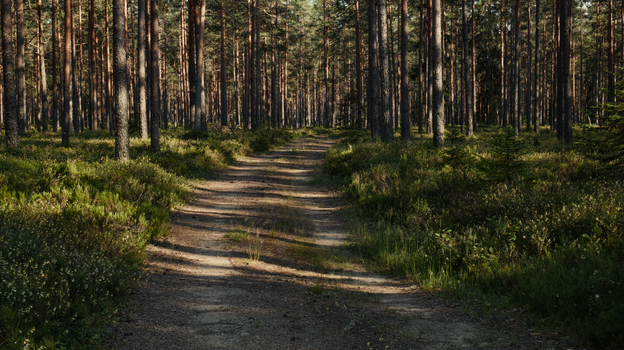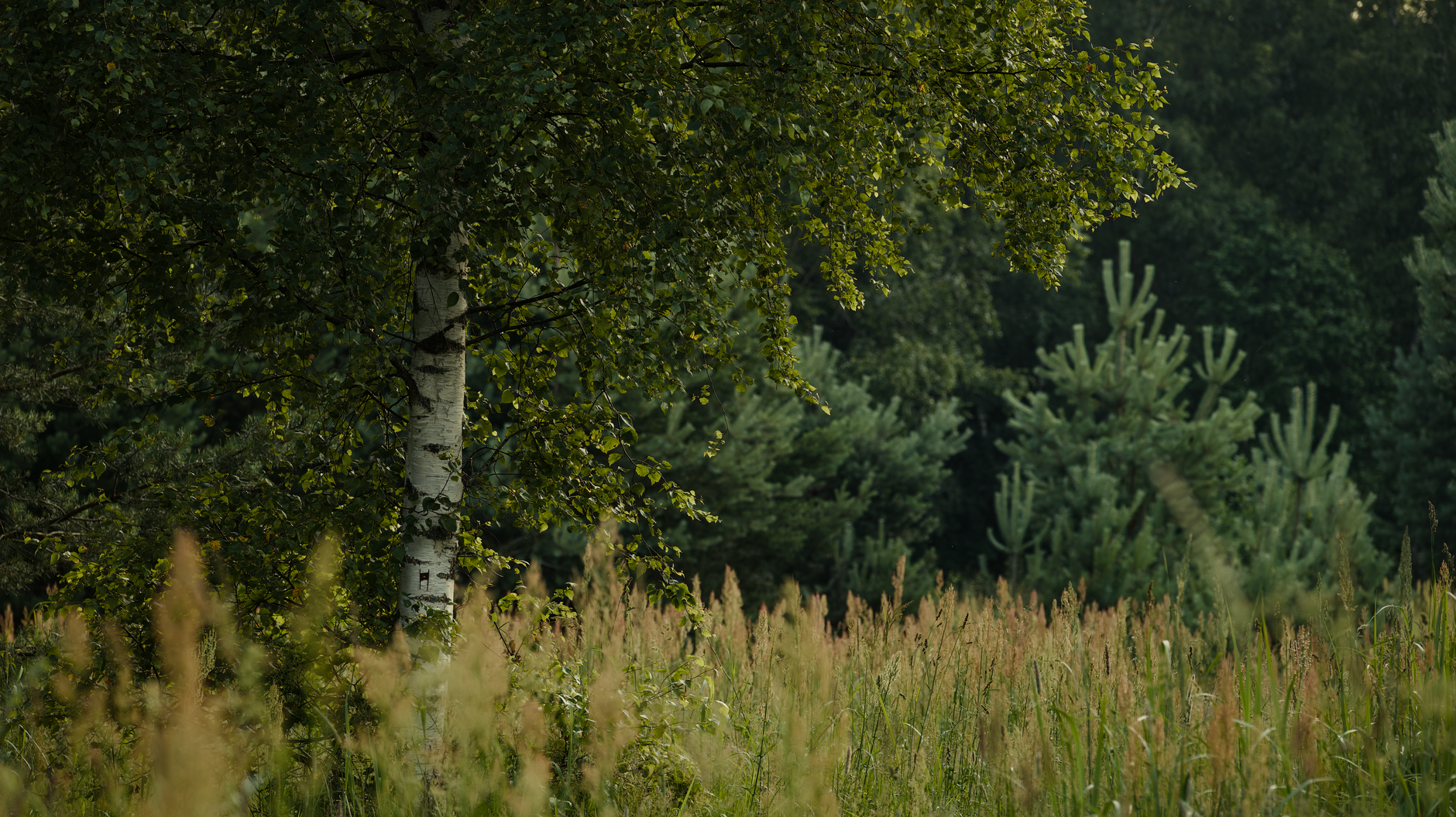
Rewilding is a conservation approach that aims to restore natural processes to landscapes that have been heavily altered by farming, forestry or development. In practice, it can involve reintroducing native species, reconnecting river systems, allowing woodland to regenerate or reducing the intensity of land management. Many projects are working on large areas over long timescales, and some welcome visitors who want to see the results or take part in practical work. The field is also debated, and projects differ in their goals, methods and the way they involve local communities. This guide explains what rewilding involves, how to find projects you can visit and how to support them thoughtfully.
What rewilding involves
Rewilding is often described as a shift from managing nature to letting natural processes take a larger role. Projects may restore wetlands, plant native trees, allow grazing patterns to change or reintroduce species that have disappeared from an area. The aim is typically to create more self-sustaining ecosystems with greater biodiversity.
Approaches vary considerably. Some projects focus on a single species, others on habitat connectivity, and some on the wider landscape and its economy. Read a project's stated objectives and monitoring methods to understand what it is trying to achieve and how progress is measured.
Finding projects you can visit
Start with the project's website, which often lists visitor information, guided walks, viewing points and events. Many projects operate reserves or partner with national parks, nature trusts or regional authorities, so check those organizations as well. Local tourism offices can also point to sites that are open to the public.
Before travelling, confirm access rules. Some areas are sensitive to disturbance, and visits may be restricted to certain paths, seasons or groups. Opening arrangements can change, so verify current information directly with the organization.
Volunteering responsibly
Volunteering can offer hands-on experience, from tree planting and habitat surveys to fencing, litter collection and monitoring. Look for projects that explain how volunteers are trained and supervised, what skills are needed and what the commitments are in terms of time and physical effort.
Consider the impact of your involvement. Short-term volunteer groups can be valuable, but they require organizers to plan and supervise tasks, so projects may prefer longer commitments. Ask about insurance, accommodation, travel costs and whether any fees you pay go towards conservation work. Be wary of programs that charge large fees without clear information about how the money is used.
Supporting projects from home
Not everyone can travel, and financial support is another way to contribute. Donations, membership schemes and adopting a habitat area can help fund ongoing work. Check whether the organization is registered as a charity or recognized non-profit in its country, and review its published accounts and annual reports where available.
Ask how funds are allocated between land acquisition, staff, monitoring and community engagement. Clear reporting and independent evaluation are good signs of a well-run project. If you have a particular interest, such as a species or a region, choose a project that has demonstrated progress in that area.
Respecting wildlife and landscapes
Visitors to rewilding areas should follow the same principles as in other conservation settings. Keep to marked routes, keep dogs under control or leave them at home where this is required, and do not disturb wildlife or nests. Avoid using lights or sounds that might disrupt animals, particularly at dawn and dusk.
Respect the local community as well. Many rewilding projects work with farmers, landowners and residents, and their cooperation is essential. Listen to concerns, avoid trespassing on private land and speak positively about the work when it is done well.
Understanding the debates
Rewilding is not without controversy. Some people raise concerns about changes to land use, livestock management, property rights or the economic effects on rural areas. Others question how quickly ecosystems will recover or how the success of projects should be judged.
Engaging with these debates can help you form a balanced view. Read material from different perspectives, including academic research, project reports and local voices, and recognize that results are often complex and vary by site.
Practical tips
- Check the project's website for visitor information, guided walks and access rules.
- Confirm whether a site has seasonal restrictions or requires advance booking.
- For volunteering, ask about supervision, training, insurance and fee use.
- Review a charity's annual report to see how donations are spent.
- Keep to marked paths and avoid disturbing wildlife, nests or livestock.
- Respect the views and rights of local landowners and residents.
Rewilding projects offer a chance to see landscapes in transition and to contribute to their recovery. Choose organizations that are transparent about their goals and results, visit with care and support the work in ways that suit your circumstances. Informed visitors and supporters help these projects succeed over the long term.