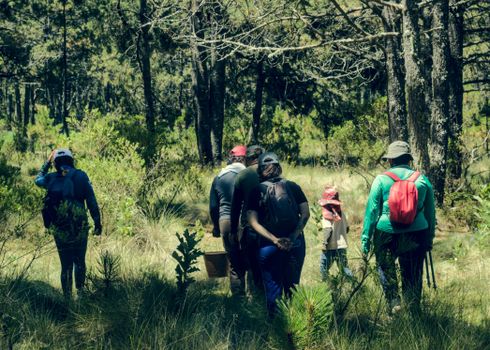
The Morning the Wilderness Woke Up
I stepped off the damp grass path at 5:15 AM, my boots sinking two inches into dark, worm-rich soil that smelled sharply of wet oak bark and wild mint. Around me, the dawn chorus wasn't just a faint backdrop of songbirds—it was a roaring, dizzying wall of sound. A nightingale blasted its liquid notes from a thicket of blackthorn so dense you couldn't drive an elbow through it. Thirty yards ahead through the ground fog, a 300-pound Tamworth sow grunted, churning up iron-rich mud with her snout while two white storks clattered their bills high atop a dead ash tree snag.
Ten years ago, this land in Sussex was an intensive arable farm: dead dirt kept alive on a mechanical diet of chemical fertilizers and fungicides. Today, it is Knepp—one of the world's most famous private rewilding initiatives.
Travel is shifting. We no longer just want to "leave no trace." The sharpest trend this summer is regenerative rewilding travel: visiting landscapes where human hands have stepped back to let natural processes, keystone herbivores, and top predators re-stitch broken ecosystems.
If you want your travel dollars to actively pull carbon into the dirt and carve out space for endangered species, put these five trending rewilding projects at the very top of your summer itinerary.
---
1. Knepp Wildland: The Lowland Scrub Revolution (Sussex, UK)
The Vision
Once an intensive 3,500-acre agricultural estate yielding poor profits, Knepp turned off its tractors in 2000. Instead of planting trees, owners Charlie Burrell and Isabella Tree introduced free-roaming proxy megafauna: Longhorn cattle, Exmoor ponies, Tamworth pigs, and fallow deer. The animals root, browse, crush, and dung, creating a dynamic mosaic of thorn, scrub, and wood pasture.
```
+-----------------------------------------------------------------------+
| "Scrub isn't messy—it's the nursery of biodiversity." |
+-----------------------------------------------------------------------+
```
What You’ll Experience
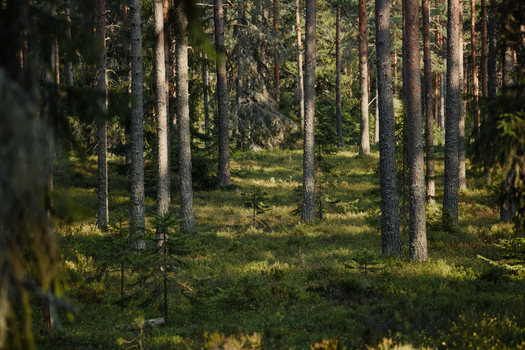
Walking through Knepp feels like stepping into a medieval countryside landscape. Purple emperor butterflies—Britain’s second-largest butterfly—glide through the sallow canopy. Nightingales, turtle doves, and all five British owl species nest here in densities unseen anywhere else in the UK.
Pro-Tips from the Field
* The Golden Hour Walk: Enter through the public footpath gate off the B2135 near Dial Post at 05:30 AM. Walk north toward Green Lane; this scrub corridor is where nightingales hold territories until mid-July.
* The Hidden Viewpoint: Head to the wildlife viewing platform near the northern pond (Grid Ref: TQ 148 221). Bring an 8x42 pair of binoculars to catch green sandpipers feeding on the mudflats created by free-ranging Tamworth pigs.
* Avoid the Crowds: The campsite gets busy on summer weekends. Book mid-week stays in the yurt village or bring a lightweight bivvy for their pitch-your-own wildflower meadow field.
---
2. Greater Côa Valley: Mediterranean Forest Corridor (Northern Portugal)
```
[ Iberian Lynx Corridor ]
Coa River Basin ---> Wild Horses & Tauros
|
v
Natural Regeneration of Cork & Holm Oak
```
The Vision
In the rugged highlands of Western Iberia, depopulation left behind abandoned farmlands and degraded pastures. Rewilding Portugal is restoring a 120-kilometer ecological corridor along the Côa River. By introducing native grazers like Sorraia horses and Tauros (a back-bred proxy for the extinct Aurochs), they are reducing devastating wildfire risks and preparing the habitat for the natural return of the Iberian lynx and Iberian wolf.
What You’ll Experience
You’ll hike past ancient granite boulders and through scented open forests of cork oak and rockrose (Cistus ladanifer). The air smells intensely resinous in the summer heat. Vultures—both Griffon and Cinereous—soar on hot thermal updrafts above deep river gorges while herds of semi-wild Sorraia horses gallop across yellow plains.
Pro-Tips from the Field
* Best Wildlife Spotting: Book an early morning tracking tour through Vale de Madeira. Local guides can spot wild boar, red deer, and fresh sign of Iberian wolves using thermal imaging monoculars.
* The Secret Swim: Take the unmarked dirt path down from the village of Algodres to the river bed at 40°51'12.3"N 7°04'44.1"W. You can swim in cold, crystal-clear river pools surrounded by dragonflies and river otters.
* Local Flavor: Eat at O Curral in Figueira de Castelo Rodrigo. Order the wild herbs pie and local almond cake paired with organic wines produced right within the rewilding zone.
---
3. The Southern Carpathians: The Bison Renaissance (Romania)
The Vision
European bison (Bison bonasus) were driven to extinction in Romania over 200 years ago. Since 2014, Rewilding Europe and FCC (Fundația Conservation Carpathia) have re-introduced more than 100 bison into the Făgăraș and Țarcu Mountains. The goal is to build a wild population of over 500 individuals, turning the Southern Carpathians into "Europe's Yellowstone."
What You’ll Experience
This is wild, primordial forest travel. You will walk beneath ancient beech and silver fir trees whose trunks are rubbed smooth by brown bears. Tracking bison on foot through virgin mountain pastures feels completely removed from modern Europe.
Pro-Tips from the Field
* The Tracking Protocol: Always hire a local ranger through the Bisons Hillock project in Armeniș. Bison are peaceful, but they are 1,000-kilogram megafauna; staying downwind and keeping a 50-meter distance is mandatory.
* Where to Stay: Book a night at the Comşuța Huts or the Bison Cabin. The revenue directly funds ranger patrols and anti-poaching units across the Țarcu mountain range.
* Logistics Secret: Take the sleeper train from Bucharest to Caransebeș, then arrange a local 4x4 transfer to Armeniș to keep your trip carbon-neutral.
---
4. Affric Highlands: Restoring the Caledonian Forest (Scotland)
The Vision
The ancient Caledonian Pinewoods once covered most of Scotland. Centuries of overgrazing by unnaturally dense red deer populations left behind a barren landscape of wet heather and dying trees. Trees for Life launched the 30-year Affric Highlands initiative—a massive 500,000-acre rewilding landscape stretching from Loch Ness to the West Coast.
```
HISTORICAL FOREST DEGRADATION:
Ancient Forest ---> Overgrazing by Deer ---> Barren Moorland
REWILDING RECOVERY:
Fencing/Culling ---> Regeneration of Scots Pine/Rowan ---> Return of Red Squirrels & Beaver
```
What You’ll Experience
Instead of sheep-shorn hills, Glen Affric presents a vibrant green wilderness of native Scots pine, rowan, birch, and aspen. The forest floor is thick with blaeberry bushes and sphagnum moss. Red squirrels leap through the canopy, and golden eagles hunt over regenerating mountain woodlands.
Pro-Tips from the Field
* The Hidden Grove: Skip the main tourist car park at Loch Affric. Drive to the smaller pull-off at Dog Falls and hike the river trail up to the hidden gorge. Look out for wood ant nests—some are three feet tall and anchor the entire forest floor nutrient cycle.
* Dundreggan Rewilding Centre: Visit the world’s first specialized rewilding center at Dundreggan. Their native plant nursery raises rare mountain scrub species like dwarf willow (Salix herbacea) that can survive above the tree line.
* Best Time for Photography: Early August, when the heather blooms purple along the edges of the dark, regenerating Scots pine stands. Shoot at 9:00 PM for northern latitude golden hour light.
---
5. Tompkins Conservation: Patagonia National Park (Chile)
The Vision
In one of the most ambitious private conservation projects in history, Kristine and the late Douglas Tompkins bought millions of acres of overgrazed cattle ranches in Chilean Patagonia, removed hundreds of miles of livestock fencing, and donated the restored lands back to the Chilean state.
What You’ll Experience
Patagonia National Park (Chacabuco Valley) is a sweeping canvas of golden steppe, turquoise rivers, and glaciated peaks. Guanaco herds graze unbothered by human presence, while puma populations have staged a spectacular recovery. Flamingos filter-feed in high-altitude lagoons where sheep once drained the soil nutrients.
```
+-------------------------------------------------------------------------+
| "Removing sheep fences allowed the Andean condor and puma to rebuild |
| natural predator-prey dynamics across millions of steppe acres." |
+-------------------------------------------------------------------------+
```
Pro-Tips from the Field
* Puma Spotting Secret: Hike the Laguna Tamanguito trail starting at 06:00 AM from the West Entrance camp. Bring high-powered optics; pumas often rest on the rocky outcrops above the guanaco grazing meadows.
* Eco-Lodge vs. Camping: Sleep at Camping Alto Valle for an authentic starlit experience, or stay at the eco-lodge built from locally quarried stone and recycled wood.
* Transport Hack: Fly into Balmaceda Airport (BBA), rent a 4x4, and drive south along the Carretera Austral (Route 7). The road requires high clearance and slow driving—budget six hours to enjoy the dramatic landscape shifts.
---
Quick Logistics & Budget Comparison Matrix
| Project Location | Best Time to Visit | Estimated Daily Budget ($) | Primary Transport Access | Top Keystone Species |
| :--- | :--- | :--- | :--- | :--- |
| Knepp Estate (England) | May – August | $80 – $250 | Train to Horsham + local taxi/bike | Nightingales, Tamworth Pigs |
| Greater Côa Valley (Portugal) | June – September | $60 – $180 | Fly to Porto + rental car | Sorraia Horses, Vultures |
| Southern Carpathians (Romania) | June – October | $50 – $150 | Night train to Caransebeș + local 4x4 | European Bison, Brown Bear |
| Affric Highlands (Scotland) | July – September | $90 – $220 | Train to Inverness + local bus/car | Red Squirrel, Scots Pine |
| Patagonia Park (Chile) | November – March | $120 – $350 | Fly to Balmaceda + 4x4 vehicle | Guanaco, Puma, Huemul Deer |
---
The Ethical Traveler’s Code for Rewilding Sites
Rewilding landscapes are living ecological recovery zones, not pristine manicured resorts. To ensure your visit leaves a net-positive impact:
- Stick to Designated Access Corridors: Ground-nesting birds like nightjars, woodlarks, and curlews are easily spooked by off-trail hiking during late summer breeding seasons.
- Keep Dogs strictly Leashed: Free-ranging pigs, wild horses, and bison do not perceive domestic dogs as pets—they view them as apex predators or threats. Keep your pets under tight control or leave them at home.
- Buy Local, Eat Local: Rewilding projects only succeed long-term if nearby rural communities thrive. Spend money at village bakeries, hire local wildlife guides, and buy meat or produce harvested directly from sustainable landscape management schemes.
- Embrace the Scrub: Rewilding often looks messy to eyes trained on lawns and industrial crops. Thorny thickets, fallen deadwood, and muddy tracks are not signs of neglect—they are the dynamic engines of wild life.
---
FEATURED_IMAGE_PROMPT
A wide-angle, cinematic photograph taken during golden hour over a wild, regenerating European landscape. In the foreground, a small herd of wild Konik horses and heavy-bodied European bison graze peacefully among knee-high wildflowers, purple heather, and sprawling thickets of hawthorn and young birch. Warm sunbeams flare through low-hanging morning mist over dark, rolling green hills in the background. Photorealistic style, natural color saturation, captured on 35mm lens, atmospheric lighting, high detail, conservation photography aesthetic.
---
TAGS:
Rewilding, Regenerative Travel, Ecotourism, Sustainable Summer Travel, Wildlife Holidays, Eco Safari, Nature Restoration, Conservation Travel, Europe Travel, Outdoor Adventures.