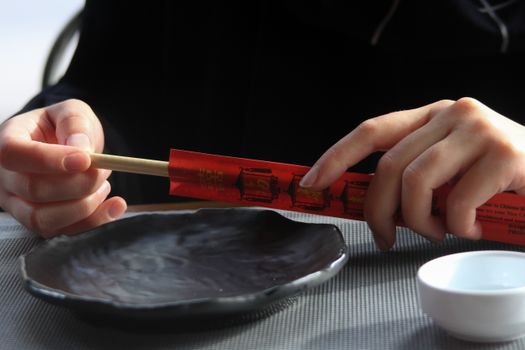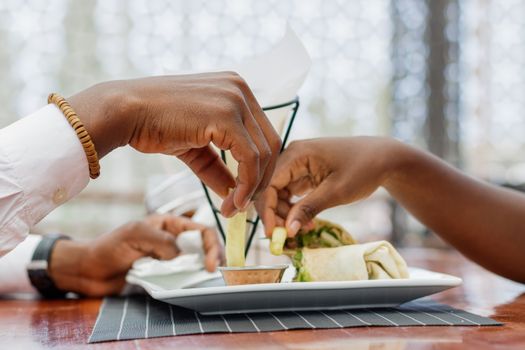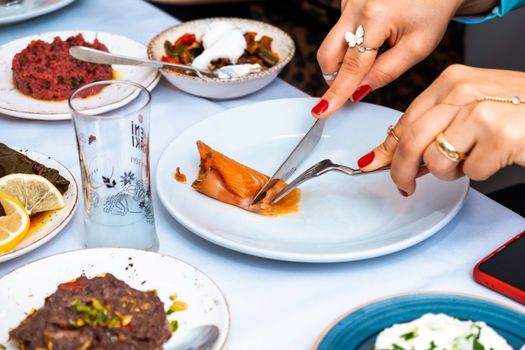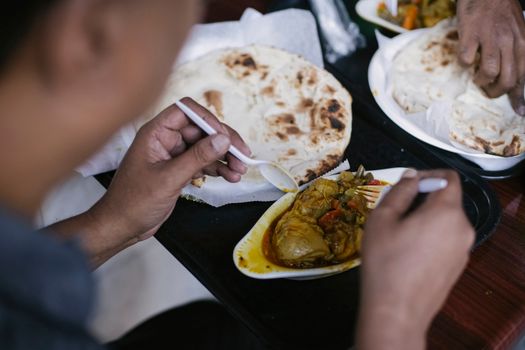
The year was 2018. I was a fresh-faced backpacker in Manila, utterly convinced I knew a thing or two about food. Then, a local friend dragged me to a "boodle fight." I watched, bewildered, as a massive spread of grilled meats, seafood, rice, and fresh fruit was laid directly onto banana leaves covering a long table. No plates. No cutlery. Just hands. My initial apprehension quickly melted into pure, unadulterated joy as I learned to scoop, tear, and savor alongside a dozen new friends. It wasn't just a meal; it was a sensory explosion, a cultural immersion, and honestly, one of the most liberating dining experiences of my life.
Fast forward to November 2025, and that memory still sparks a hunger for connection, for authenticity, for food that demands you get a little messy. In a world increasingly obsessed with sterile perfection, there's a profound beauty in returning to the basics – in feeling your food, in sharing it directly, in engaging all your senses. This isn't just about convenience; it's about tradition, community, and experiencing flavors in their truest form.
So, if you're ready to break free from the shackles of silverware and embark on an unforgettable culinary adventure, here are 7 exceptional restaurants and dining styles around the globe where eating with your hands isn't just allowed, it's celebrated. Get ready for November 2025 to be your most delicious and tactile travel month yet!
1. Ethiopian Feasts: The Communal Art of Injera & Wot
Imagine a sprawling, soft, spongy flatbread, slightly sour, acting as your plate and your utensil all at once. Welcome to the world of Ethiopian cuisine, where injera is king, and communal eating is the heart of the experience. Rich, aromatic stews known as wot – whether spicy doro wot (chicken), savory shiro wot (chickpea), or various lentil and vegetable dishes – are artfully arranged on a large injera platter. You tear off pieces of injera and use them to scoop up the flavorful goodness.
This isn't just about sustenance; it's about sharing, conversation, and connection. The act of sharing from a common platter, often with friends or family, fosters a unique bond. It’s an intimate dance of flavors and textures, where every bite is a mini-adventure.
Where to Go in November 2025:
- Abyssinian Spice House, Washington D.C., USA: D.C. boasts one of the largest Ethiopian diasporas, and this spot is a local gem. Located in the bustling U Street Corridor, "Abyssinian Spice House" offers a vibrant atmosphere and some of the most authentic kitfo (minced raw beef) and beyaynetu (vegetarian sampler) I've ever tasted outside of Addis Ababa. Their tibs (sautéed meat) platter is a must-try. Expect to pay around $20-35 per person for a generous, shareable meal. Reservations are highly recommended for weekend evenings in November.
- The Blue Nile, London, UK: Tucked away near King's Cross, The Blue Nile offers a cozy, inviting ambiance perfect for a chilly November evening. Their meat and veggie combo is legendary, allowing you to sample a bit of everything. The injera here is exceptionally fresh. Prices range from £18-£30 per person.
My Anecdote:
My first Ethiopian meal was a revelation. I was initially awkward, trying to precisely tear my injera, but my host, sensing my hesitation, gently showed me how to scoop with confidence. The flavors exploded – the earthy lentils, the fiery berbere spice, the cooling tang of the injera. It felt so incredibly natural, so human, to just eat.
Practical Tip:
Always wash your hands thoroughly before and after. Use your right hand only out of respect for tradition. Don't be afraid to mix and match the different wots on your injera – that's half the fun!
2. Indian Thali & Coastal Delights: A Handful of Flavor
Indian cuisine is a symphony of spices, textures, and aromas, and in many regions, especially the South, eating with your hands is the traditional and preferred method. A thali is a perfect introduction: a round platter laden with small bowls (katoris) of various curries, dals, vegetables, yogurt, pickles, and a generous portion of rice or bread (roti/naan). The idea is to mix and match, creating your own perfect bite.
The tactile experience of kneading rice with a bit of curry, scooping up a lentil dal with a piece of roti, or breaking off a piece of crispy dosa with your fingers enhances the flavors and allows you to truly connect with your food.
Where to Go in November 2025:
- Curry Leaf Kitchen, Chennai, India: For an authentic South Indian experience, Curry Leaf Kitchen in Chennai is unparalleled. Their banana leaf meals are legendary. For around ₹300-₹600 ($4-8 USD), you get an endless parade of sambar, rasam, poriyal, kootu, and more, all served on a fresh banana leaf. The waiters will keep refilling until you can't eat another bite. It’s a vibrant, bustling experience that perfectly captures the spirit of South Indian dining.
- Saravana Bhavan (Global Chain): While a chain, Saravana Bhavan consistently delivers excellent, authentic South Indian vegetarian food globally. Check their branches in New York, London, or Singapore for a reliable, delicious hand-eating experience. Their ghee roast dosa and various thalis are fantastic. Prices vary by location but are generally very reasonable ($10-25 USD).
My Anecdote:
I remember sitting cross-legged on the floor at a small eatery in Kerala, a banana leaf spread before me. The waiter, with practiced ease, ladled different curries onto my leaf. I watched the locals, then tentatively started mixing. The warmth of the rice, the slight grit of the lentils, the smoothness of the yogurt – it was an entirely new way to appreciate the complexity of Indian flavors. My fingers became extensions of my palate.
Practical Tip:
Again, right hand only. Break off a small piece of roti or naan, or use your fingers to gently mix rice with a bit of curry. Don't worry about being perfectly clean; that’s what the finger bowls and napkins are for!
3. Filipino Boodle Fights: The Ultimate Kamayan Experience
Remember my Manila story? That was a boodle fight, or kamayan (meaning "with hands"). It’s a military-style feast where food is piled high on banana leaves, often covering an entire table, and diners eat communally with their bare hands. It's a celebration of abundance, camaraderie, and Filipino hospitality.
Expect mountains of rice, grilled pork belly (liempo), chicken skewers (inihaw na manok), fried fish, shrimp, lumpia, fresh tomatoes, salted eggs, and various dipping sauces (vinegar, soy sauce, chili). The sheer visual spectacle alone is Instagram gold, but the act of sharing and digging in together creates an unforgettable bond.
Where to Go in November 2025:
- Kamayan Kainan, Quezon City, Philippines: This spot is a local favorite for its authentic boodle fight experience. They offer various themed boodle sets (seafood, meat lovers, mixed) that cater to different group sizes. The atmosphere is boisterous and joyful, perfect for a family gathering or a group of friends. Expect to pay around PHP 800-1500 per person ($15-28 USD), but it's often more economical per head for larger groups. Book in advance, especially for November weekend evenings.
- Barrio Fiesta, Los Angeles, USA: For those outside the Philippines, Barrio Fiesta in the LA area is a fantastic option. They're renowned for their traditional Filipino dishes and offer excellent boodle fight packages. It's a great way to experience this cultural feast without crossing the Pacific. Prices typically range from $30-50 per person for a boodle fight setup.
My Anecdote:
The first time I joined a boodle fight, I was mesmerized by the sheer volume of food. My friend showed me how to gather a small mound of rice, top it with a piece of grilled pork, and dip it in the spicy vinegar. The flavors were incredible, but it was the laughter, the shared experience, the feeling of being truly present with everyone around me that made it so special. My hands were messy, but my heart was full.
Practical Tip:
Wash your hands thoroughly before and after. Don't be shy; dig in! It's all about sharing and enjoying the bounty together. Don't forget to try a little bit of everything.
4. Moroccan Tagines & Tangiers Treats: Breaking Bread, Literally
Moroccan cuisine is a feast for the senses, known for its aromatic spices, slow-cooked tagines, and the central role of bread. While cutlery might be offered in tourist-focused restaurants, the traditional way to enjoy many Moroccan dishes, especially communal tagines or couscous, is by using pieces of khobz (Moroccan bread) to scoop up the food.
A tagine, cooked in its iconic conical clay pot, features tender meats (lamb, chicken, beef), vegetables, and fruits, all infused with spices like saffron, ginger, and turmeric. Breaking off a piece of warm, crusty bread and using it to soak up the rich sauces and scoop up succulent pieces of meat and vegetables is an incredibly satisfying experience.
Where to Go in November 2025:
- Riad al-Fassi Dining, Fes, Morocco: For an authentic experience, look for a traditional Riad that offers dining. Many Riads in Fes, like "Riad Fes – Relais & Châteaux" or smaller, family-run establishments, offer exquisite multi-course Moroccan meals, often served in a communal style. You'll be presented with a steaming tagine, and a basket of fresh khobz. Prices range from MAD 250-500 ($25-50 USD) for a full dinner experience. The ambiance of dining in a beautifully restored Riad courtyard in November is magical.
- Chez L'Africain, Tangier, Morocco: A beloved institution in Tangier, Chez L'Africain is famous for its fresh seafood. While they do offer cutlery, many locals still prefer to eat their grilled fish and salads with bread, soaking up the delicious juices. It’s a bustling, no-frills spot with incredible flavors. Expect to pay around MAD 100-200 ($10-20 USD) per person.
My Anecdote:
I remember sitting on low cushions in a cozy riad courtyard in Fes, the scent of spices wafting through the cool November air. A lamb tagine with prunes and almonds arrived, bubbling gently. My host showed me how to tear the warm khobz and use it to scoop up the tender lamb and sweet sauce. It felt like an ancient ritual, connecting me to centuries of Moroccan hospitality.
Practical Tip:
Use your right hand. Tear off a small piece of bread (khobz) and use it as your scoop. It's perfectly fine to dip the bread directly into the tagine. Don't be afraid to ask for more bread!
5. American South: BBQ Ribs & Seafood Boils, No Forks Allowed
When it comes to finger-licking good food, the American South knows how to deliver. From sticky, smoky BBQ ribs to overflowing seafood boils, these are meals designed to be enjoyed with your hands, napkins be damned!
Think tender pork ribs slathered in tangy sauce, falling off the bone, or a massive pile of shrimp, crab, corn, and potatoes drenched in spicy Cajun seasoning, dumped directly onto a newspaper-covered table. These aren't just meals; they're events, often loud, messy, and incredibly satisfying.
Where to Go in November 2025:
- Franklin Barbecue, Austin, Texas, USA: If you're serious about BBQ, a pilgrimage to Franklin Barbecue is a must. While you'll need to queue for hours (even in November!), their legendary brisket and ribs are worth every minute. Eating their perfectly smoked ribs with your bare hands is the only way to truly appreciate the bark, the tenderness, and the incredible flavor. Expect to pay $30-60+ per person, depending on how much meat you can devour.
- The Crab Shack, Tybee Island, Georgia, USA: For a quintessential Lowcountry seafood boil, The Crab Shack is an institution. Their "Low Country Boil" is a glorious mess of shrimp, crawfish, sausage, corn, and potatoes, all seasoned and piled high. It's served on paper-covered tables, and you're encouraged to crack, peel, and eat with your hands. The atmosphere is casual, lively, and perfect for a group. Prices for a large seafood platter range from $30-50 per person.
My Anecdote:
My first seafood boil in Charleston was an absolute riot. They brought out a bucket of ice-cold beer and then dumped a steaming pile of shrimp, crab legs, and corn onto our table. My friends and I spent the next hour laughing, peeling, cracking, and getting gloriously messy. It was pure, unadulterated fun – a true communal feast where everyone was equally covered in butter and Old Bay seasoning.
Practical Tip:
Wear clothes you don't mind getting a little messy. Ask for extra napkins (you'll need them!). Don't be shy about getting in there and using your hands to tear, crack, and pull. This is a judgment-free zone of deliciousness.
6. Brazilian Rodizio & Churrascaria: The Art of the Skewer (and the Hand)
While not strictly a "no cutlery" experience, the Brazilian churrascaria (steakhouse) and rodizio (all-you-can-eat) style of dining often involves using your hands to handle the glorious parade of meats. Skewers of various cuts – picanha, filet mignon, lamb, chicken – are brought directly to your table by passadores (meat carvers). They slice off portions onto your plate, and while you'll use a knife and fork for the initial cut, you'll often find yourself picking up smaller pieces of succulent meat directly with your fingers.
The focus here is on the quality of the grilled meats, often seasoned simply with rock salt, allowing the natural flavors to shine. It's a carnivore's dream, a theatrical dining experience where the food comes to you.
Where to Go in November 2025:
- Fogo de Chão (Global Chain): Fogo de Chão offers a consistently high-quality churrascaria experience worldwide. Their locations in São Paulo, Rio de Janeiro, New York, or London will provide an excellent taste of Brazilian hospitality. The "Full Churrasco Experience" includes a vast salad bar and continuous service of various prime cuts of meat. Expect to pay $50-90+ per person.
- Assador Rio's, Rio de Janeiro, Brazil: For an authentic experience with a view, Assador Rio's in Flamengo Park in Rio offers stunning vistas of Sugarloaf Mountain. Their rodizio is exceptional, featuring a wide array of meats and a fantastic buffet. It's a memorable experience, especially as the sun sets over Guanabara Bay. Prices are around R$ 150-250 ($30-50 USD) per person.
My Anecdote:
At a churrascaria in São Paulo, I remember a passador offering me a piece of grilled linguicinha (pork sausage). Without thinking, I reached out and took it directly from the skewer, the warmth and slight crispness a perfect prelude to the juicy interior. It felt so natural, so immediate, to just grab and eat. It wasn't just about the meat; it was about the continuous flow, the interaction, the sheer abundance.
Practical Tip:
Don't be afraid to use your hands to pick up smaller pieces of meat, especially from the ends of the skewers. Pace yourself; there's always more meat coming! Use your green/red card system wisely.
7. Korean BBQ Wraps: The Art of Ssam
Korean BBQ is a social, interactive, and incredibly delicious way to eat, and a significant part of the experience involves eating with your hands. After grilling various cuts of marinated meats (pork belly, bulgogi, galbi) at your table, you create custom "ssam" (wraps) using fresh lettuce leaves or perilla leaves.
You take a leaf, add a piece of grilled meat, perhaps some grilled garlic or kimchi, a dab of ssamjang (spicy dipping sauce), and maybe some rice, then wrap it all up and pop the entire delicious bundle into your mouth. It's a customizable, hands-on flavor explosion that's incredibly satisfying.
Where to Go in November 2025:
- Kang Ho Dong Baekjeong, Los Angeles, USA (Koreatown): This is one of the most famous and beloved Korean BBQ spots, known for its lively atmosphere and high-quality meats. Expect a wait, even in November, but the experience is worth it. Their beef combo is fantastic, and the side dishes (banchan) are endless. Prices are typically $40-70 per person.
- Maple Tree House, Seoul, South Korea: For an upscale yet authentic experience in Seoul, Maple Tree House offers prime cuts of meat in a sophisticated setting. Their hanwoo (Korean beef) is exceptional, and the service is impeccable. It's a great place to experience the full ritual of Korean BBQ. Prices are on the higher side, around KRW 50,000-100,000 ($35-75 USD) per person.
My Anecdote:
The first time I tried Korean BBQ, I was overwhelmed by the array of banchan (side dishes) and the sizzling grill. My Korean friend patiently taught me the art of the ssam. "Don't make it too big!" she laughed, as I tried to cram everything into one lettuce leaf. The combination of smoky meat, crisp lettuce, pungent garlic, and spicy ssamjang was a perfect symphony of flavors and textures. Every bite was an adventure.
Practical Tip:
Don't be afraid to experiment with different combinations of meat, kimchi, garlic, and sauce in your ssam. Make sure to eat the entire wrap in one bite if possible – it's part of the tradition!
General Tips for Your Hand-Eating Adventures in November 2025
- Hygiene is Key: Always, always wash your hands thoroughly before and after your meal. Many restaurants provide handwashing stations or wet wipes.
- Embrace the Mess: Part of the fun is getting a little messy. Don't be self-conscious. That's why napkins exist!
- Observe and Learn: If you're unsure of the etiquette, watch how the locals eat. Most people are happy to guide you.
- Right Hand Rule: In many cultures (especially in parts of Asia, Africa, and the Middle East), it's customary to eat only with your right hand. Be respectful of this tradition.
- Ask Questions: Don't hesitate to ask your server or host about the best way to enjoy the meal. They'll appreciate your interest.
- Share the Experience: These types of meals are often communal. Engage with your dining companions, share stories, and savor the connection.
Conclusion: A Taste of True Connection
In a world that often rushes us through experiences, taking the time to truly feel our food, to engage with it directly, is a powerful act. Eating with your hands isn't just a dining preference; it's a journey back to basics, a celebration of culture, and a profound way to connect with your food, your companions, and the rich tapestry of human tradition.
So, as November 2025 approaches, I challenge you: step out of your comfort zone. Ditch the polite cutlery. Get a little messy. Seek out these incredible hand-eating experiences, and I promise, you'll discover a joy and authenticity that a fork and knife simply can't deliver.
Which hand-eating adventure will you embark on first? Share your plans and past experiences in the comments below! And don't forget to tag #TripsoraHandsOnEats and #November2025Foodie on your Instagram snaps! Happy (barehanded) travels!
---