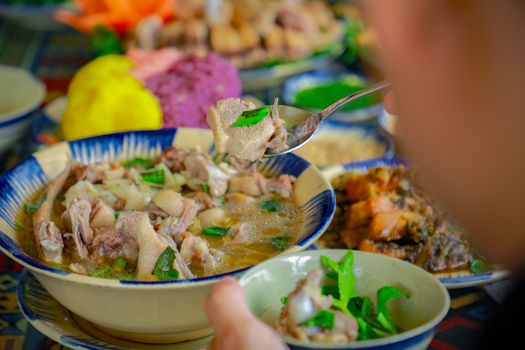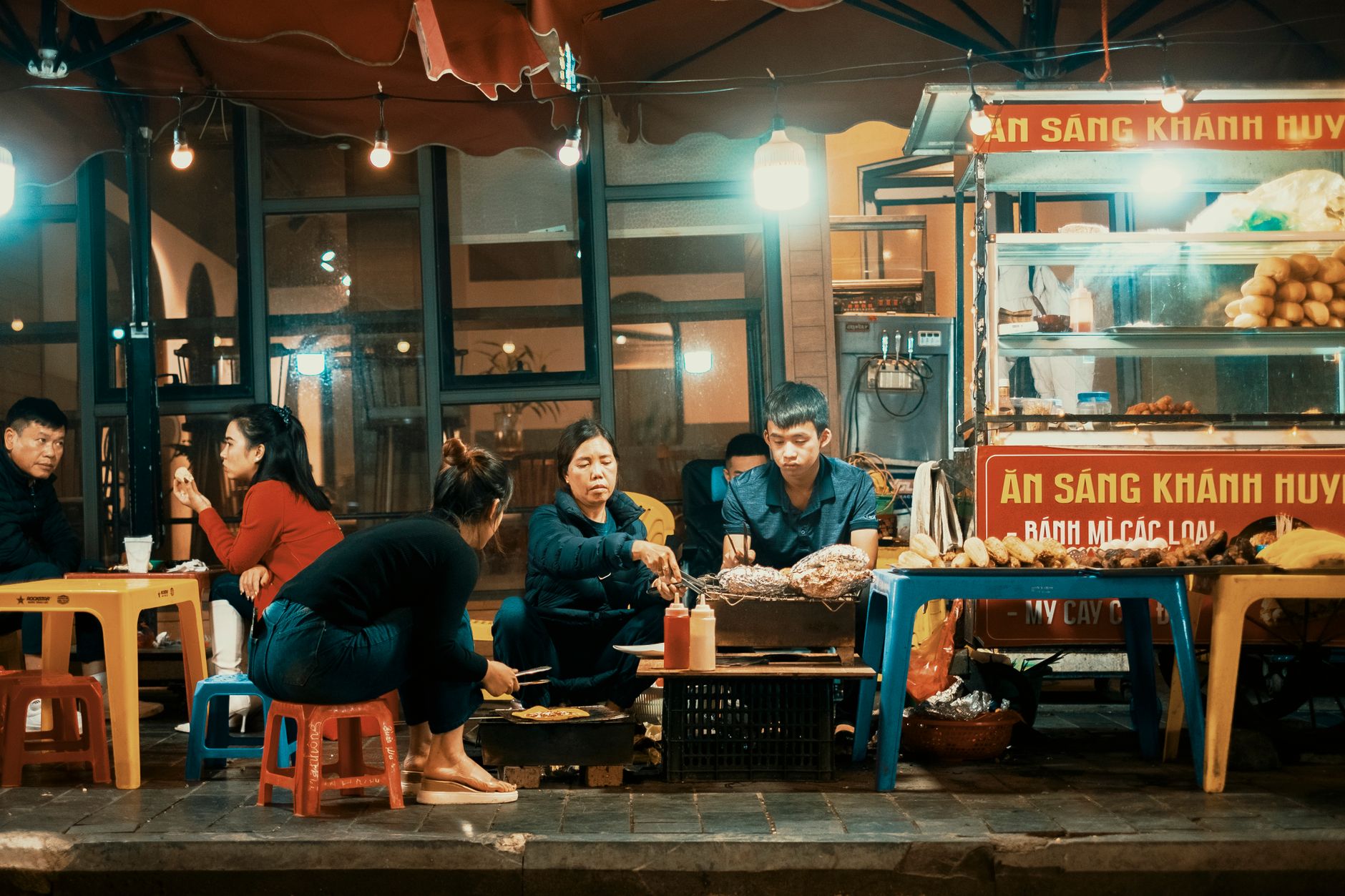
The clink of cutlery, the polite silence, the pristine napkin… For years, that was my definition of a "fine dining experience." Then, a few years ago, I found myself in a bustling alleyway in Addis Ababa, Ethiopia, staring at a massive platter of injera and vibrant stews. My host, a kind-faced local named Alem, gestured for me to dig in. With my hands. My right hand, specifically. My Western-conditioned brain went into immediate panic mode. Hygiene? Etiquette? How do I even pick up that saucy lentil stew without making a complete mess?
Alem simply smiled, tore a piece of the spongy injera, expertly scooped up some shiro wot, and popped it into her mouth. "It's better this way," she said, her eyes twinkling. "You feel the food. You connect."
And she was right. That first hesitant bite, a messy but exhilarating explosion of flavor, was a revelation. It wasn't just a meal; it was an initiation. It was a doorway into a culture, a tradition, a way of life that no fork or knife could ever provide. It was the moment I realized that some of the world's most authentic, soul-stirring culinary experiences happen when you ditch the utensils and truly feel your food.
This isn't about tourist traps offering a "cultural experience" for a marked-up price. This is about the gritty, real-deal, hole-in-the-wall eateries where locals gather, laugh, and eat with their hands because that’s how it’s always been done. These are the places that often fly under the radar, the ones locals might prefer to keep to themselves. But I’m here to let you in on the secret. Prepare to get messy, make memories, and taste the world in a way you never thought possible.
The Unwritten Rules of the Hand-Eating Table: Your Essential Guide
Before we dive into specific destinations, let’s lay down some ground rules. Eating with your hands isn't just about ditching the fork; it’s about embracing a different kind of table etiquette, one steeped in tradition and respect.
- The Right Hand Rule is Real: In many cultures, particularly across Africa, the Middle East, and parts of Asia, the left hand is considered unclean. Always, always use your right hand for eating, passing food, or greeting. If you're left-handed, it might feel awkward at first, but it’s a sign of respect.
- Cleanliness is Key (Yours!): Wash your hands thoroughly before and after the meal. Many local eateries will provide a small basin, pitcher of water, or even a server with a kettle to pour water over your hands. Use it!
- Scoop, Don't Grab: The goal isn't to shovel food. Learn to use bread, injera, or a small portion of rice as your primary "utensil." Use your thumb and first two fingers to scoop, tear, or pinch.
- Mind Your Manners (and Your Mess): Try to keep your eating area relatively tidy. Avoid letting food drip onto the communal platter or making loud slurping noises.
- No Double-Dipping (Unless Gursha): Generally, once your hand has touched your mouth, try not to put it back into the communal serving dish. The exception is the "gursha" in Ethiopian dining, where you feed a choice bite to a friend or elder – a beautiful gesture of love and respect.
- Observe and Learn: If you're unsure, watch what the locals are doing. They are your best teachers. A polite smile and an attempt to follow suit will always be appreciated.
- Embrace the Experience: It will be messy. You will feel a bit awkward at first. But let go of your inhibitions. This is about connection, flavor, and cultural immersion. The best bites are often the ones you earn with a little effort!
Now, let's get down to some specific, drool-worthy destinations where you can put these tips into practice and discover truly hidden culinary treasures.
Ethiopia: The Communal Magic of Injera & Wot in Addis Ababa
My first hand-eating experience remains one of my most cherished. In Addis Ababa, escaping the polished hotels and tourist-centric restaurants is surprisingly easy. Just ask a local where they go for a "good injera." You’ll likely be pointed down a side street to a bustling, no-frills establishment – perhaps a "bet" (house) or a simple eatery with plastic tables and chairs.
The star of the show is injera: a spongy, sourdough-risen flatbread with a unique, slightly tangy flavor. It serves as both your plate and your utensil. On top of it, you’ll find an array of vibrant wots (stews) – spicy chicken (doro wot), savory beef (key wot), mild lamb (alicha wot), and a glorious variety of vegetarian lentil and vegetable stews, especially popular on fasting days.
One place I stumbled upon, simply called "Tsehay's Place" (though the name might change, the experience is universal), was tucked away near my guesthouse. It was packed with families and friends, all sharing from giant platters. The aroma of berbere spice and coffee filled the air. For less than $5, I got a massive platter for two. Alem, my guide, taught me the delicate art of tearing off a piece of injera, using it to scoop up a mouthful of stew, and then enjoying the complex flavors. The gursha (feeding someone else a bite) was a moment of pure cultural connection, a silent language of care. It’s an incredibly social way to eat, fostering conversation and camaraderie. Don't be surprised if curious locals strike up a chat, delighted to see a "ferenji" (foreigner) embracing their traditions.
Tripsora Tip:
Look for places bustling with locals, especially at lunchtime. Don't be afraid to point at what others are having if you're unsure what to order. A communal platter for two can easily feed three or four people!
India: The Banana Leaf Bounty of a South Indian Thali in Chennai
Stepping into a local South Indian eatery, especially in a city like Chennai, is an assault on the senses in the best possible way. The air hums with conversation, the clatter of steel plates, and the intoxicating scent of curry leaves, mustard seeds, and freshly ground spices. Here, the traditional meal is often a thali – a vibrant, ever-refilling spread served on a fresh banana leaf. And yes, you eat it all with your hands.
My first thali experience was at a tiny, perpetually crowded spot called "Murugan Idli Shop" (which, despite its name, serves fantastic thalis) in Chennai. As soon as I sat down, a server deftly laid a large, green banana leaf in front of me. Within seconds, a flurry of servers descended, ladling out small portions of rice, sambar (lentil stew), rasam (tamarind soup), various vegetable curries, pachadi (yogurt-based dish), a pickle, and a sweet. It was a kaleidoscope of flavors, textures, and aromas.
The art here is mixing. You take a little rice, add a dollop of sambar, a spoonful of curry, and gently mix it with your right hand, forming a small, palatable ball. The warmth of the food, the feel of the rice, the burst of spices – it’s an incredibly intimate and grounding experience. The servers are constantly circling, ready to refill any empty spot on your leaf with a fresh ladle of curry or a mound of rice. It’s an all-you-can-eat feast for typically under $3-5.
Tripsora Tip:
Don't hesitate to ask for more of your favorite dish! It's expected. Also, try to finish everything on your leaf as a sign of respect. When you're done, fold your banana leaf inwards (towards you) to signal you're finished – a small but significant gesture of appreciation.
Malaysia: The Diverse Delights of Nasi Padang in Kuala Lumpur
While Malaysia is famed for its hawker centers, there’s a specific hand-eating experience that often goes unnoticed by tourists: Nasi Padang. Originating from Indonesia, this style of dining has found a loving home in Malaysia, particularly in cities like Kuala Lumpur. It’s a feast for the eyes and the palate, and it's all about choice.
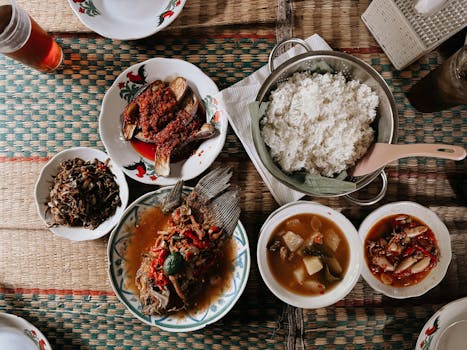
Imagine walking into a restaurant where the entire counter is laden with dozens of dishes – curries, grilled fish, fried chicken, sambals, vegetables, and more. This is Nasi Padang. You sit down, and without ordering, a server brings you a plate of plain rice. Then, they’ll bring out a selection of small plates, each with a different dish, and arrange them around your rice. You only eat (and pay for) what you touch.
My favorite Nasi Padang spot in KL was a humble, bustling place called "Restoran Sari Ratu" on Jalan Tuanku Abdul Rahman. The sheer variety was overwhelming – from fiery beef rendang to crispy fried eggplant, succulent grilled fish with sambal, and various curries I couldn't even name. I remember hesitantly picking a few dishes, then watching a local next to me expertly mix a bit of everything with his rice, his fingers stained with rich curry. I followed suit, and the explosion of flavors – spicy, savory, tangy, sweet – was incredible. Each bite was a unique combination, and the simple act of mixing with my fingers somehow enhanced the taste.
Tripsora Tip:
Don't be intimidated by the sheer number of dishes. Pick a few that look appealing. Prices are usually per dish, so be mindful of how many you choose. It’s an amazing way to sample a wide array of Malay and Indonesian flavors in one sitting.
Morocco: Breaking Bread and Barriers with Tagine & Tanjia in Marrakech
Morocco, with its vibrant souks and aromatic spices, offers a deeply communal hand-eating experience centered around bread. While you might find cutlery in more touristy restaurants, head to a local eatery, particularly one specializing in tagine (a slow-cooked stew named after the conical clay pot it’s cooked in) or tanjia (a Marrakchi specialty, cooked in an amphora-like pot in a communal oven), and you’ll quickly realize bread is your primary utensil.
In the labyrinthine alleyways of Marrakech’s Medina, away from the main square of Jemaa el-Fnaa, I discovered a tiny eatery known only by its vibrant blue door. Inside, locals huddled around low tables, sharing large, steaming tagines. I ordered a chicken tagine with preserved lemons and olives. When it arrived, piping hot, the server also brought a basket of freshly baked khobz (Moroccan round bread).
The ritual is simple yet profound: tear off a piece of khobz, use it to scoop up a mouthful of the tender meat, vegetables, and rich sauce. The bread, slightly crusty on the outside and soft within, is perfect for soaking up every last drop of the flavorful broth. Sharing a tagine with friends, passing the bread, and dipping into the same pot creates an incredible sense of connection. It’s an intimate act, and it’s how families and friends have eaten for centuries. The earthy flavors, the warmth of the food, and the shared experience make it truly unforgettable. A hearty tagine can cost as little as $5-8.
Tripsora Tip:
Seek out places where you see only locals gathered. Don't be afraid to ask for extra bread – it’s essential! And remember, the bread is not just for eating; it's your scoop, your sponge, your connection to the meal.
Beyond the Plate: The Deeper Connection
These hand-eating experiences are more than just meals; they are profound cultural immersions. They strip away the formality of dining, allowing for a more primal, sensory connection to your food and, crucially, to the people around you. When you eat with your hands, you’re not just tasting the food; you’re feeling its texture, smelling its full aroma, and participating in a centuries-old tradition.
You break down barriers. You signal respect for local customs. You open yourself up to conversations, shared smiles, and genuine human connection that often eludes tourists sticking to their comfort zones. These aren't just restaurants; they're classrooms, community centers, and portals to understanding.
The next time you travel, challenge yourself. Step away from the glossy guidebooks and the English menus. Ask a local where they eat. Look for the places bustling with authentic energy. And when the food arrives, don't reach for a fork. Wash your hands, take a deep breath, and dive in.
Go Forth, Explore, and Get Your Hands Dirty!
The world is full of incredible flavors and heartwarming traditions waiting to be discovered. These hand-eating restaurants are just a few examples of the authentic culinary adventures that lie beyond the tourist trail. So, pack your bags, leave your inhibitions (and your cutlery) behind, and prepare for some of the most memorable meals of your life.
Have you discovered a secret hand-eating spot? Share your stories and photos with us! Tag #TripsoraHandEaters on Instagram and let's inspire more travelers to truly connect with the world, one delicious, hand-fed bite at a time.
---