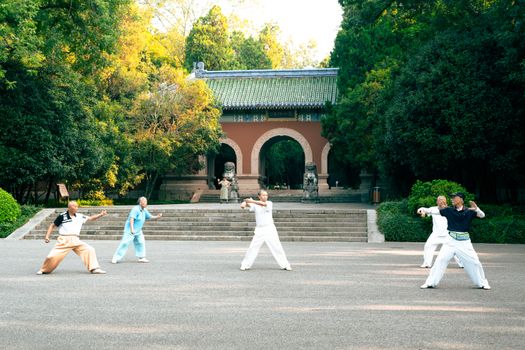
Qi Gong is a practice of coordinated breathing, slow movement, and focused attention that has developed over many centuries in China. Its forms range from gentle health routines performed in parks to demanding training connected to martial arts and medical traditions. Many people who become interested in the practice want to learn from a teacher in its country of origin, and a number of schools, institutes and retreat centers do accept international students. Finding the right fit takes research, because the quality of instruction, the clarity of lineage, and the level of English or other language support can differ considerably. This guide offers a framework for that search.
Understand the different styles
Qi Gong is not a single system. Some forms emphasize health and relaxation, with simple sequences practiced by older adults in public spaces. Others are rooted in martial arts, combining internal strength training with partner work and forms. Medical styles focus on therapeutic goals and are often linked to traditional Chinese medicine. Before contacting any school, decide what you want to learn. A health-oriented class will differ greatly from an intensive martial programme, and choosing the wrong one can lead to disappointment on both sides.
Research lineage and credentials
Many traditional schools trace their teaching through a lineage of masters. Lineage matters to students who want continuity with a particular tradition, but it is also easy to overstate. Ask how a school describes its teaching line, which teachers have trained its instructors, and whether it can explain its methods clearly. Look for evidence of ongoing practice, such as performances, published teaching materials, or participation in recognized associations. Be cautious of claims that cannot be checked, including promises of rapid results or cures for serious conditions. Credible teachers usually describe their work with modesty.
Check language and teaching format
Language is often the biggest practical barrier. Some schools offer instruction in English or have bilingual assistants, while others teach primarily in Chinese. Ask in advance whether classes are available in your language, whether written materials are provided, and whether translation is included in the fee. Teaching formats also differ. Some schools run group classes that are open to drop-in students, while others require a fixed enrollment period, a minimum stay, or a placement interview. Confirm the format before arranging travel.
Consider where and how to study
Qi Gong is taught in parks, temples, dedicated training halls, universities, and retreat centers. Mountain and rural settings are popular for longer courses because they offer quiet surroundings and a slower pace. Urban schools may be more convenient for short classes. Some programmes combine teaching with accommodation and meals, which simplifies planning. Ask what the daily schedule involves, how much time is spent on practice compared with theory, and whether you will be assessed or expected to perform.
Approach the practice respectfully
Studying abroad is also a cultural exchange. Arrive with a willingness to follow instructions, observe etiquette such as punctuality and polite greetings, and respect the customs of the school. Dress appropriately for training, and ask before taking photographs of teachers or other students. Recognize that some traditions place strong emphasis on discipline and hierarchy, and that the teacher's guidance should be followed even when it differs from what you expected. Respect also means not presenting yourself as a master of a system after brief study.
Prepare physically and financially
Qi Gong often looks gentle, but intensive training can be physically demanding, particularly for those new to standing postures or breath-linked movement. Consult a health professional if you have a medical condition, and begin conditioning before departure. Budget carefully: course fees, accommodation, meals, and transport can vary widely, and some schools request payment in advance. Confirm refund and cancellation terms in writing, and keep records of all communication.
Practical tips
Contact schools several weeks ahead and ask specific questions about schedule, language, class size, and any requirements. Check whether the school has a verifiable address, a named instructor, and clear contact details. Ask current students or alumni about their experience, if you can reach them through reputable channels. Learn a few basic phrases in the local language, including greetings and thanks. Keep a simple practice diary to track progress, and remember that visa rules for study or training differ by country, so confirm what permission you need before you travel.
Common mistakes to avoid
A frequent mistake is expecting quick results or dramatic changes after a short course. Qi Gong is usually practised over long periods, and progress tends to be gradual and personal. Another error is choosing an intensive programme without trying a class first, which can lead to exhaustion or disappointment. Some students focus on collecting certificates or titles rather than on consistent practice. Others arrive with a fixed idea of what the lessons should look like, and become frustrated when the teacher's approach differs. People also sometimes overlook the daily schedule, which may begin very early or include long periods of standing. Asking for a sample timetable, speaking with current students where possible and setting modest goals can make the experience more satisfying.
Who this suits and who it doesn't
Qi Gong study abroad may suit people who have time for sustained practice, enjoy structured learning and are comfortable adapting to a different teaching culture. Those interested in gentle health routines may prefer shorter classes, while those drawn to martial or medical traditions may want a more demanding course. It is less suitable for people who need consistent medical supervision, cannot manage physical activity, or expect a fast result without commitment. A short taster class is often a useful first step before arranging a longer stay.
How to decide: a simple checklist
Consider these questions before choosing a school:
- Do I want health-oriented, martial or medical training?
- Can I follow instructions in the teaching language I will actually use?
- Have I confirmed the schedule, accommodation and refund terms in writing?
- Am I ready for long, repetitive practice rather than quick results?
- Can I manage the physical demands of the course?
If most answers are yes, a longer course may be worthwhile. If not, begin with a short class to test the fit.
Learning Qi Gong abroad can be deeply rewarding when approached with patience and good information. The most useful outcome is often a stronger personal practice that continues after you return home. Take time to find a teacher whose methods, communication and values suit you, and treat the process as a long-term relationship rather than a single trip.