Plastic waste is one of the most visible environmental costs of travel. Bottled water, single-use cutlery, takeaway containers, and small toiletry packets add up quickly, especially on trips where you eat on the go and move between hotels. The good news is that a plastic-free approach does not require a heavy pack or an expensive wardrobe of gear. A focused set of reusable items, combined with a few habits, can remove most of the disposable plastic a typical traveler generates. This guide walks through the essentials, explains what each one replaces, and offers practical ways to keep the kit light.
Start with a reusable bottle and filter
Water is usually the largest source of plastic on a trip. A durable, insulated or stainless steel bottle lets you refill at taps, filtered dispensers, and water stations, which are common in many cities and along trails. Check whether tap water is safe to drink at your destination before relying on it. Where it is not, a bottle with a certified filter or purification method can reduce the need for bottled water, although it will not make unsafe water safe on its own in every case. Some travelers also carry a collapsible bottle, which saves space in a suitcase and folds flat when empty.
Carry a compact cutlery and cup set
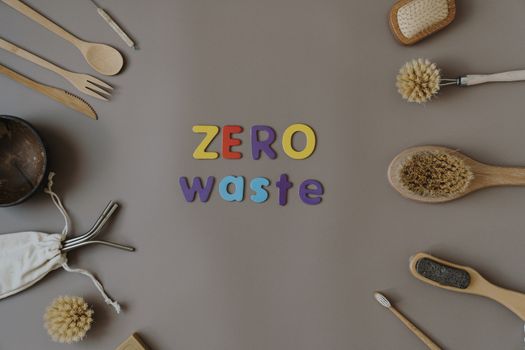
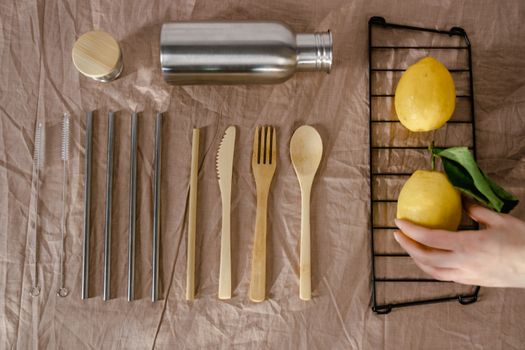
Disposable forks, spoons, and cups are easy to avoid once you carry your own. A lightweight set made of stainless steel, bamboo, or sturdy polymer fits inside a small pouch. A folding cup or a simple mug can handle coffee, tea, and soup from street stalls. Many travelers keep a set in a daypack so it is always available. If you prefer to skip the cutlery, most markets and cafes will accept a container you bring from home, which is a useful option when you are buying takeaway.
Pack reusable bags and food containers
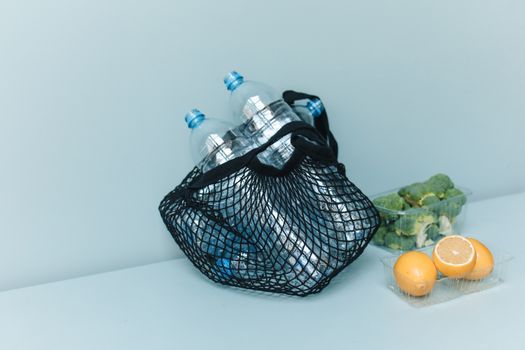
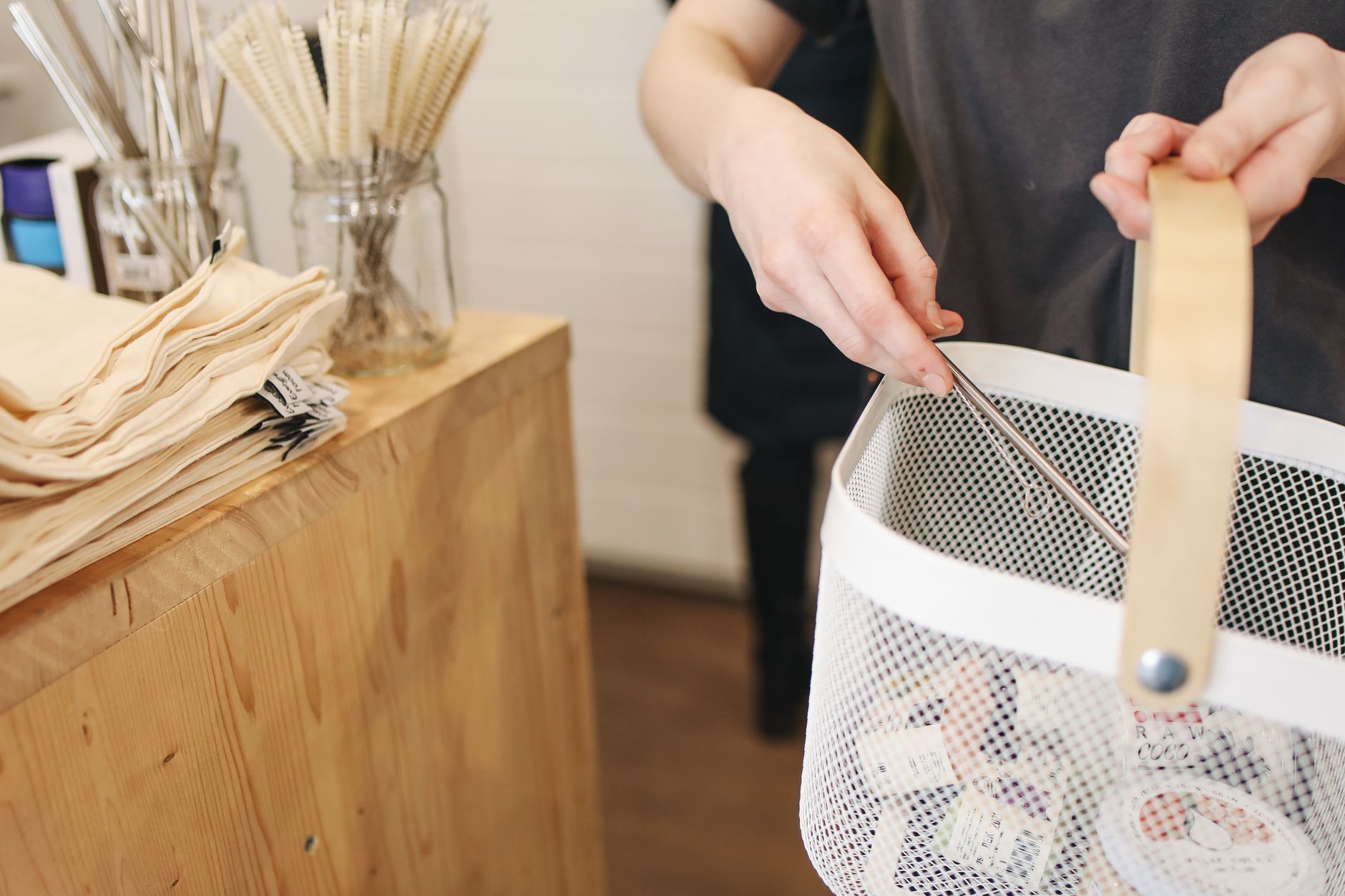
A foldable tote, a mesh produce bag, and a few reusable containers handle most shopping and picnic needs. Stacking containers or silicone food bags keep leftovers and market purchases from turning into plastic wrap. Mesh bags are useful for fruit and vegetables and reduce the need for the thin bags that supermarkets often offer. Bags also come in handy when you need to carry laundry, wet swimwear, or souvenirs, so they earn their space in most packing lists.
Switch to solid and refillable toiletries
Toiletries are a major source of small plastic items. Solid shampoo bars, conditioner bars, and bar soap replace liquid products in plastic bottles and pass most airport liquid rules. Refillable travel bottles, which you can fill from a larger container at home, reduce waste compared with buying miniature products. Check the current liquid restrictions for your flights before you pack, since rules differ by airport and airline. Many people find that a small toiletry set of solid products is both lighter and less messy than a full bag of liquids.
Choose items that last
A plastic-free kit is most effective when it uses durable materials. Cheap reusable items can break and end up in the bin, which defeats the purpose. Look for stainless steel, glass with protective sleeves, natural fibers, and well-made fabrics. A high-quality cloth towel that dries quickly, a reusable sleep mask, and a rechargeable power bank can reduce disposable items such as single-use towels and batteries. Buying fewer, better pieces is usually more sustainable than accumulating many inexpensive ones.
Practical tips
Make a short list before you leave and pack only what you will use. Keep your kit in one pouch so nothing gets forgotten at a hostel or restaurant. Ask for drinks without a straw or lid when you order, and decline single-use items you do not need. Look for refill stations, bulk shops, and farmers markets, which often sell local produce with minimal packaging. Check what your accommodation provides, since some hotels offer large refillable dispensers instead of miniature bottles. Finally, dispose of any plastic you do encounter using local recycling systems, and note that recycling rules vary widely between cities.
Common mistakes to avoid
A common mistake is buying a large number of new items for a single trip, which adds weight and can create waste rather than reducing it. Another is choosing cheap reusable products that break quickly and end up in the bin. Travelers also sometimes carry solid toiletries without considering their own skin reactions or the size needed for the length of their journey. Some people forget to check whether tap water is safe to drink, and then rely on a bottle that cannot filter what they need. Finally, many travelers pack reusable bags but leave them at home, so it can help to keep one folded in a daypack where it is always to hand.
Who this suits and who it does not
A plastic-free kit tends to suit people who travel on foot, use public transport, stay in one place for several days, or cook with local produce. It can suit those who enjoy simple routines and who are happy to ask for drinks without lids or straws. It may be less suitable for travelers on very short trips who cannot find refill points, or for those with specific medical needs that depend on disposable products. Families can adapt the approach too, though children's items and medication may need separate planning and should be packed first.
A packing checklist
- A reusable bottle, with a filter only where your water source requires one.
- Compact cutlery, a cup and a small container for takeaway food.
- A foldable tote and a mesh produce bag.
- Solid shampoo or soap in a small tin or box.
- A quick-drying cloth towel, if your accommodation does not provide one.
A plastic-free trip is less about perfection than about making a few reliable choices. Most travelers find that once they have a compact kit and a few routines, the extra effort becomes automatic. The result is less waste on the road and often a more comfortable journey, since the items you carry are the ones you actually like using.