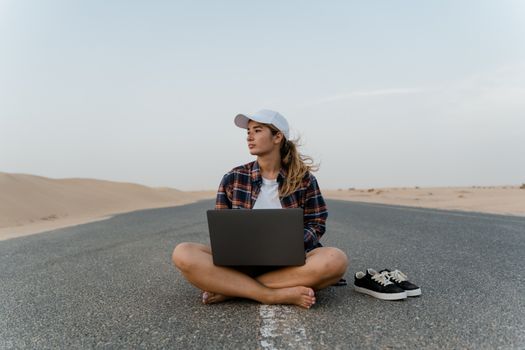
Remember that feeling? The one where you’re scrolling through Instagram, seeing friends living their best lives in far-flung locales, and a little voice whispers, "I could never afford that." For years, I believed that long-term, immersive travel was reserved for the trust-fund babies or the lucky few who’d won the lottery. My own budget, a modest freelancer's income, felt like a golden handcuff, chaining me to my desk while the world beckoned.
Then, a few years ago, after a particularly grueling project, I decided enough was enough. I crunched numbers, devoured travel blogs, and spoke to seasoned wanderers. What I discovered blew my mind: the myth of expensive travel was just that – a myth. With smart choices, a dash of courage, and a love for local experiences, it was entirely possible to live like a king (or queen!) on a pauper's budget. In fact, for around $1000 a month, not only could you survive, but you could thrive, truly live, in some of the most incredible, trending destinations on the planet.
Fast forward to today, and I've spent months exploring these budget paradises, sipping $1 coffees, feasting on street food for pennies, and waking up to views that belong on postcards. The world has shifted, too. The rise of remote work and a collective yearning for authentic, slow travel experiences means these destinations aren't just cheap; they're buzzing hubs for digital nomads, culture seekers, and adventure enthusiasts.
So, pack your bags (lightly, of course!), because I'm about to unveil the top 5 trending countries where your $1000 will stretch further than you ever imagined, complete with my personal tips, hidden gems, and real-world costs.
1. Vietnam: A Symphony of Sights, Sounds, and Sensations
Why it's Trending:
Vietnam is an absolute darling of the budget travel scene, but it's currently experiencing a renaissance. Its incredible food culture is gaining global recognition, its digital nomad infrastructure is rapidly improving, and the sheer diversity of its landscapes, from the misty mountains of Sapa to the emerald waters of Ha Long Bay, continues to draw travelers seeking both adventure and tranquility. It's affordable, safe, and utterly captivating.
My first trip to Vietnam felt like stepping into a vibrant, chaotic dream. The smell of pho broth, the cacophony of motorbikes, the kaleidoscope of colors in every market – it was sensory overload in the best possible way. I spent a month exploring, starting in Hanoi, moving down to Hoi An, and finishing in Da Lat, and my wallet barely felt a thing.
The $1000 Breakdown:
* Accommodation ($150-300): You can snag a clean, comfy private room in a guesthouse or a bed in a top-rated hostel for $5-10 a night. For longer stays, look for monthly rentals on Facebook groups for $150-250 for a basic studio. I once scored a charming room in Hoi An with a balcony for $200 for a month!
* Food ($150-250): This is where Vietnam shines. A bowl of steaming pho or bun cha from a street stall will set you back $1-2. A delicious banh mi is often under $1. Even a sit-down meal at a local restaurant rarely exceeds $5. My daily food budget was often $5-8, and I ate like royalty.
* Transportation ($50-100): Local buses are incredibly cheap. For longer distances, overnight sleeper buses are a budget traveler's best friend ($10-20 for a 10-hour journey). In cities, ride-hailing apps like Grab (motorbike taxis are even cheaper!) are pennies. Renting a scooter for local exploration is about $5-7 a day.
* Activities & Sightseeing ($50-150): Many temples and markets are free. Entry fees for major attractions like Ha Long Bay tours or historical sites are usually $10-30. Budget for a cooking class ($20-30) – a must-do!
Personal Tip:
Embrace the street food culture! Don't be shy; point to what looks good. It's not just cheap, it's an authentic culinary adventure. Also, get a local SIM card (Viettel or Mobifone) immediately upon arrival – they're dirt cheap ($5-10 for unlimited data).
Instagram-Worthy:
The lanterns of Hoi An at night, a bowl of colorful pho, the karst landscapes of Ha Long Bay, the vibrant markets of Hanoi.
2. Northern Thailand: The Land of Smiles, Mountains, and Mochis
Why it's Trending:
While Bangkok and the southern islands can be pricier, Northern Thailand, particularly Chiang Mai and Pai, remains a magnet for budget travelers and digital nomads. It offers a perfect blend of ancient temples, lush mountains, vibrant markets, and a thriving expat community, all with that famous Thai hospitality and incredible affordability. It's a sanctuary for those seeking a slower pace of life without breaking the bank.
Chiang Mai was my first true taste of digital nomad life, and it set the bar incredibly high. I remember waking up to the sound of temple bells, grabbing a fresh fruit smoothie from the market, and then settling into a co-working space, feeling productive and utterly content. The pace of life is slower, the air is cooler, and the smiles are infectious.
The $1000 Breakdown:
* Accommodation ($180-350): Guesthouses and hostels in Chiang Mai are abundant, with private rooms starting at $8-15 a night. For a month, you can find a comfortable studio apartment for $180-300, especially if you book directly with owners or through local rental groups.
* Food ($150-250): Street food stalls and local restaurants offer incredible value. A delicious Pad Thai or Khao Soi (Northern Thai curry noodle soup) is often $1.50-3. Fresh fruit shakes are $1. My daily food budget was consistently under $10, and I rarely cooked.
* Transportation ($40-80): Red songthaews (shared taxis) are the main mode of transport in Chiang Mai, costing around $1-2 per ride. Renting a scooter for the month (essential for exploring outside the city) is $60-100. Long-distance buses to Pai or other towns are $5-10.
* Activities & Sightseeing ($50-100): Many temples are free to enter. Elephant sanctuaries ($50-80 for ethical ones), cooking classes ($25-40), and exploring waterfalls are popular activities. Massages are incredibly affordable, starting at $6-8 for an hour.
Personal Tip:
Learn a few basic Thai phrases like "Sawasdee ka/krap" (hello) and "Khop khun ka/krap" (thank you). Locals genuinely appreciate the effort. Also, explore beyond the Old City; areas like Nimmanhaemin offer trendy cafes and co-working spaces.
Instagram-Worthy:
Wat Phra That Doi Suthep at sunset, colorful food markets, lush rice paddies, ethical elephant encounters.
3. Colombia: The Jewel of South America's Revival
Why it's Trending:
Colombia has shed its troubled past and is now one of the most exciting and vibrant destinations in South America. Its incredible natural beauty (Caribbean coastlines, Andean mountains, Amazon rainforest), rich cultural heritage, and warm, welcoming people are drawing travelers seeking adventure, salsa, and genuine connection. Medellin, in particular, has become a digital nomad hotspot, celebrated for its eternal spring climate and innovative spirit.
My first impression of Colombia was the vibrant energy of Medellin. From the moment I stepped off the plane, I was captivated by the rhythm of salsa, the scent of fresh coffee, and the genuine warmth of the Paisas. It felt like a country reborn, bursting with optimism and ready to share its magic with the world. I spent a month split between Medellin, the colorful town of Guatapé, and the coffee region of Salento, and my budget stretched remarkably far.
The $1000 Breakdown:
* Accommodation ($200-400): Hostels are excellent, with dorms for $7-12 and private rooms for $15-25. For a month, you can find a comfortable Airbnb studio or a room in a shared apartment for $250-400 in cities like Medellin or Bogota, especially in neighborhoods like Laureles or Envigado.
* Food ($150-250): Local "menu del día" (set lunch menus) are your best friend, offering a soup, main dish, and drink for $3-5. Arepas, empanadas, and fresh fruit juices are ubiquitous and cheap ($1-2). Groceries are also very affordable if you enjoy cooking.
* Transportation ($60-120): City buses and the Medellin Metro are very efficient and cheap ($0.70 per ride). Ride-sharing apps like Uber/Didi are also budget-friendly for shorter trips. Long-distance buses between cities are affordable, typically $15-30 for a 6-8 hour journey.
* Activities & Sightseeing ($50-150): Many museums offer free entry on certain days. Hiking in Salento's Cocora Valley is free (minus a small jeep fee). Salsa classes ($5-10/hour), coffee farm tours ($10-20), and exploring colorful towns like Guatapé ($5 bus ride from Medellin) are all budget-friendly.
Personal Tip:
Embrace the local culture by trying a "tinto" (small black coffee) from a street vendor and learning some basic Spanish. Colombians are incredibly friendly and appreciate the effort. Also, always negotiate taxi fares outside of ride-sharing apps.
Instagram-Worthy:
The colorful streets of Guatapé, the lush Cocora Valley with its wax palms, the vibrant street art of Medellin's Comuna 13, a fresh fruit juice from a local market.
4. Indonesia (Beyond Bali's Bustle): Island Hopping on a Budget
Why it's Trending:
While Bali continues to be a magnet for digital nomads and wellness seekers, the savvy traveler is now looking beyond its most crowded spots. Indonesia offers an archipelago of thousands of islands, many of which are incredibly affordable, utterly stunning, and trending for their untouched beauty, surf breaks, and rich cultural experiences. Think Lombok, Java, Flores, or even quieter parts of Bali like Munduk or Amed.
My Indonesian adventure started in the bustling Canggu, but my budget truly thrived when I ventured to the lesser-known parts of Bali and then to Lombok. I remember riding a scooter through emerald rice paddies in Munduk, stumbling upon hidden waterfalls, and feeling a profound sense of peace. That's when I realized Indonesia's true magic lies in its diversity and willingness to explore beyond the main tourist hubs.
The $1000 Breakdown:
* Accommodation ($200-400): In places like Ubud (Bali), Lombok, or Java, you can find charming guesthouses or homestays with private rooms and often a pool for $10-20 a night. Monthly rentals for a private villa or apartment can be found for $250-450, especially if you're willing to stay slightly outside the main tourist centers.
* Food ($150-250): Local "warungs" (small family-owned restaurants) serve delicious Indonesian staples like Nasi Goreng or Mie Goreng for $2-4. Fresh juices are $1-2. Even Western food can be found for $5-8. Groceries are also very cheap.
* Transportation ($50-100): Renting a scooter is the most common and cheapest way to get around ($4-7 a day, or $60-100 a month). Gojek and Grab (ride-hailing apps) are also very affordable for short distances. Ferries between islands are incredibly cheap, ranging from $1-10 depending on the distance.
* Activities & Sightseeing ($50-150): Many beaches and rice paddies are free to explore. Temple entry fees are usually $1-3. Surf lessons ($20-30), snorkeling trips ($15-30), and volcano treks (like Mount Batur, around $30-50 with a guide) are popular.
Personal Tip:
Download the Gojek or Grab app – it's not just for transport, but also food delivery, grocery shopping, and even massages! It's a lifesaver for convenience and sticking to a budget. Also, always carry small denominations of Rupiah.
Instagram-Worthy:
Tegalalang Rice Terraces (Bali), Pink Beach (Lombok), stunning sunsets over the ocean, colorful offerings at local temples.
5. Mexico (Cultural Hubs): A Fiesta for Your Senses and Wallet
Why it's Trending:
Beyond the resort towns, Mexico's rich cultural heartland is booming with travelers seeking authentic experiences, incredible food, and vibrant traditions. Cities like Oaxaca, San Cristobal de las Casas, and even parts of Puebla offer an astonishingly low cost of living, a thriving arts scene, and a deep dive into Mexican heritage. It's trending for foodies, culture vultures, and those looking for a truly immersive Latin American experience.
My time in Oaxaca was a revelation. I'd always thought Mexico was about beaches and tequila shots, but Oaxaca introduced me to a world of ancient ruins, intricate handicrafts, and a culinary scene that could rival any global capital, all without emptying my wallet. I spent my days exploring bustling markets, taking mezcal tours, and learning about Zapotec culture, feeling completely immersed in the magic of Mexico.
The $1000 Breakdown:
* Accommodation ($200-400): Hostels offer dorms for $8-15 and private rooms for $20-30. For a month, you can easily find a charming Airbnb studio or a room in a shared house for $250-400 in cities like Oaxaca or San Cristobal, especially if you book in advance or look for longer-term deals.
* Food ($150-250): Street tacos are legendary and cost as little as $0.50-$1 each. "Comida corrida" (set lunch menus) are common and offer a multi-course meal for $4-6. Fresh juices, tamales, and tlayudas are incredibly cheap and delicious. My daily food budget was often $7-10, and I ate like a king.
* Transportation ($50-100): Local buses are very cheap (around $0.50 per ride). Colectivos (shared taxis/vans) are also a budget-friendly way to travel between towns ($2-5). For longer distances, ADO buses are comfortable and affordable ($15-30 for a 4-6 hour journey).
* Activities & Sightseeing ($50-150): Many markets and plazas are free to explore. Entry to archaeological sites like Monte Alban is around $4-5. Cooking classes ($30-50), mezcal tastings ($10-20), and exploring local artisan workshops are popular and affordable.
Personal Tip:
Dive into the local markets! They're not just for shopping; they're cultural hubs. Try every street food you can, and don't be afraid to practice your Spanish – locals appreciate it immensely. Oaxaca is known for its mole, so try as many varieties as you can!
Instagram-Worthy:
The vibrant colors of Oaxaca's streets, ancient ruins of Monte Alban, intricate alebrijes (folk art sculptures), a steaming cup of champurrado.
Making Your $1000 Last: The Art of Slow Travel
The secret to making $1000 last a month isn't just about picking the right country; it's about embracing a mindset. Here are my top tips for extending your budget and enriching your experience:
- Embrace Slow Travel: Instead of rushing through multiple cities, pick one or two areas and settle in for a few weeks. This allows you to get better deals on accommodation, find local eateries, and truly connect with the community.
- Eat Like a Local: Street food, local markets, and "menu del día" are your best friends. Not only is it cheaper, but it's often the most authentic and delicious food you'll find.
- Cook Your Own Meals: Even if it's just breakfast or a simple dinner, buying groceries from local markets will save you a ton. Hostels and guesthouses often have communal kitchens.
- Utilize Public Transport: Skip the taxis. Local buses, trains, and ride-sharing apps (Grab, Gojek, Didi) are incredibly affordable and offer a glimpse into local life.
- Free Activities are Your Friend: Spend your days exploring parks, hiking, visiting free museums or temples, enjoying local festivals, or simply people-watching in a bustling plaza.
- Bargain (Respectfully): In markets, it's often expected. Start with a polite lower offer and work your way up. Always keep a smile on your face.
- Long-Term Accommodation Deals: Many guesthouses and Airbnb hosts offer significant discounts for weekly or monthly stays. Don't be afraid to ask!
- Get a Local SIM Card: Data is cheap, allowing you to use maps, translation apps, and stay connected without expensive roaming charges.
- Travel Insurance is Non-Negotiable: Even on a budget, don't skimp on this. World Nomads is a popular choice for adventurous travelers.
Why Now? The Trending Factor Explained
These countries aren't just budget-friendly; they're trending. The global shift towards remote work has created a new wave of "digital nomads" seeking affordable, inspiring places to live and work. Travelers are also increasingly prioritizing authentic cultural immersion over luxury resorts, seeking destinations where their presence feels more integrated and less isolated. These countries offer:
- Excellent Value: Your money goes further, allowing for richer experiences.
- Growing Infrastructure: Reliable internet, co-working spaces, and welcoming communities for long-term visitors.
- Authentic Experiences: Rich cultures, stunning natural beauty, and a chance to truly live like a local.
- Community: Thriving expat and digital nomad communities make it easier to connect and feel at home.
Your Adventure Awaits!
The dream of long-term travel, of truly immersing yourself in a new culture, is no longer a distant fantasy. With a smart approach and a willingness to embrace local life, $1000 can absolutely be your passport to a month of unforgettable adventures in these incredible, trending destinations.
So, which country is calling your name? Are you ready to trade your daily commute for a scooter ride through rice paddies, or your takeout for a plate of authentic street food? The world is waiting, and it's far more affordable than you think.
Tell me in the comments below: Which of these trending destinations would you explore first with your $1000 budget? Share your best budget travel hacks!
---