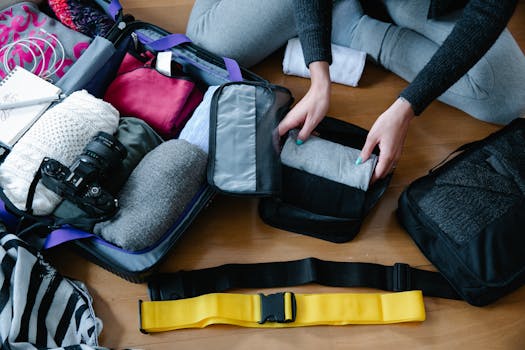
There is no secret that experienced travellers keep from tourists. What they do have is a habit of packing for the trip they are actually taking, rather than for every situation they can imagine. The result is a lighter bag, fewer fees, and far less stress at airports, train stations and cobbled streets.
This guide gathers practical packing strategies that work for most trips, from a weekend city break to a month on the road. You will find ways to choose a bag, build a small wardrobe, handle laundry, organise toiletries and keep your valuables safe. Airline baggage rules, security regulations and fees differ by carrier and country, and they change, so check the official rules for each flight before you pack.
Start with the bag, not the clothes
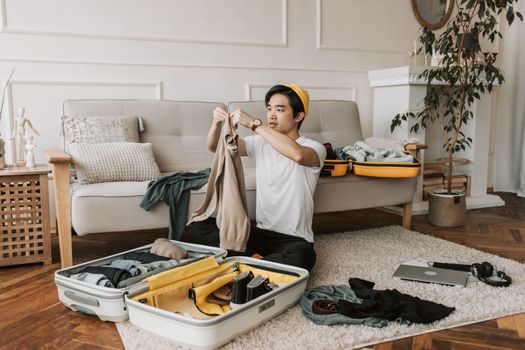
Most people pick clothes first and then hunt for a bag that fits them. Reverse it. Choose the bag, then let its size set your limit.
- Carry-on size. Many airlines allow a small cabin bag plus a personal item, but dimensions and weight limits vary a lot, especially on low-cost carriers. Check your airline's current rules, and measure your bag with its pockets full.
- Backpack versus wheeled case. A backpack handles stairs, cobblestones and crowded buses better. A wheeled case is gentler on your back in airports and on smooth pavements. Think about where you will walk.
- Soft-sided bags squeeze into overhead bins and under seats more easily than rigid ones.
- A good personal item. A small backpack or tote that fits under the seat holds your documents, electronics, snacks and a layer of clothing.
Once the bag is chosen, resist the urge to buy more space. A larger bag is an invitation to fill it.
Build a small, flexible wardrobe
A capsule wardrobe is a small group of clothes that mix and match. The idea is simple: every top should work with every bottom, and every item should work for more than one situation.
A starting formula for a week or more:
- Three to four tops in colours that go together.
- Two bottoms, such as one pair of trousers and one pair of shorts or a skirt, depending on climate.
- One warm layer, such as a fleece or light jumper.
- One light waterproof or windproof jacket.
- Underwear and socks for four to five days.
- One outfit that is slightly smarter, for dinners or visiting religious sites where modest clothing is expected.
- Sleepwear that doubles as lounge wear.
- Swimwear if the destination suits it.
Choose fabrics that dry quickly and resist wrinkles. Merino wool, technical synthetics and blends of cotton with synthetics are common choices. Heavy denim and thick cotton take up space and dry slowly, so many travellers leave them at home.
Think in layers
Rather than packing a bulky coat, pack a few thin layers. A base layer, a mid layer and a shell give you flexibility across a wide range of temperatures. This approach works for a trip that crosses climates, such as a city break in autumn followed by a mountain day.
Choose by colour
Pick a palette of two or three neutral colours plus one accent. That keeps outfits coordinated and lets you wear items in different combinations. Photos will look better too.
Pack for the length of your laundry cycle, not your trip
The common mistake is to pack for the full duration. For a two-week trip, you do not need fourteen outfits. You need enough for one week and a plan to wash.
Ways to handle laundry on the road:
- Sink wash. Use a small amount of travel detergent or a bar of soap. Rinse well, roll in a towel to remove water, and hang to dry. Quick-dry fabrics will be ready by morning.
- Self-service laundrettes. These exist in many cities and can be a cheap way to reset your wardrobe. Look for one near your accommodation and bring coins or a card if required.
- Hotel or hostel laundry. Convenient but often pricier. Ask about prices before handing clothes over.
- Laundry services. Some places charge by the kilo and return clothes folded. Compare prices, and check how they handle delicate items.
Some accommodation does not allow washing lines on balconies or windows, so check house rules.
Master the packing order
How you pack matters nearly as much as what you pack.
- Heavy items near your back in a backpack, close to the spine, to keep the weight balanced.
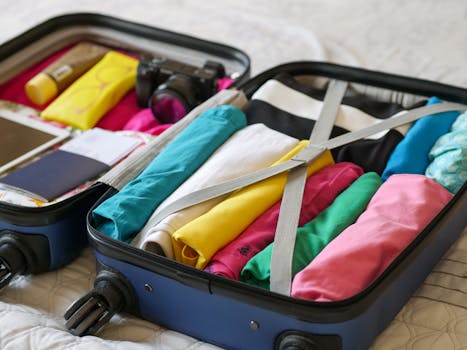
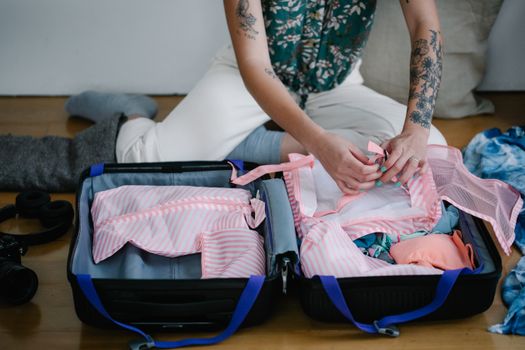
- Rolled or folded clothes in packing cubes or simple bags. Cubes keep order and compress soft items. If you prefer, use ordinary zip bags.
- Shoes at the bottom, soles facing the outside, and use the inside of shoes for socks or small items.
- Frequently used items on top, such as a rain jacket, snack and charger.
- Documents and valuables in your personal item, never in checked luggage.
A practical test: could you carry your bag on your back for an hour? If not, it is too heavy.
Shoes: the part most people get wrong
Shoes are heavy and bulky, so keep them to a minimum.
- One pair of comfortable walking shoes that you wear on the plane.
- One pair of lighter shoes or sandals, depending on climate.
- Hiking boots only if you really plan to hike, and wear them while travelling instead of packing them.
Break in any new shoes before the trip. Blisters can change the entire experience.
Toiletries without the bulk
Liquids are the main source of weight and security problems.
- Check your airline and airport rules about liquid limits and container sizes. They differ between regions and can change.
- Use solid alternatives where you can, such as shampoo bars, solid deodorant and toothpaste tablets.
- Decant liquids into small, leak-proof bottles. Seal them in a zip bag.
- Buy bulky items like sunscreen, shampoo and toothpaste at your destination if they are easy to find.
- Bring a small first-aid kit with plasters, pain relief, any regular medication, and items for stomach upsets. Keep medication in original packaging and carry a copy of prescriptions if needed. Check the rules for medication in the countries you are visiting, since some drugs that are common at home are restricted elsewhere.
Tech and gadgets: edit hard
Electronics are heavy and valuable. Be selective.
- Phone and charger. The core of most travel needs, including maps, tickets and translation.
- Power bank. Useful for long days, but carry it in your cabin bag, since airlines generally require spare lithium batteries to travel in the cabin. Check current airline rules.
- Universal adaptor. One adaptor that covers several plug types is better than a handful of single ones.
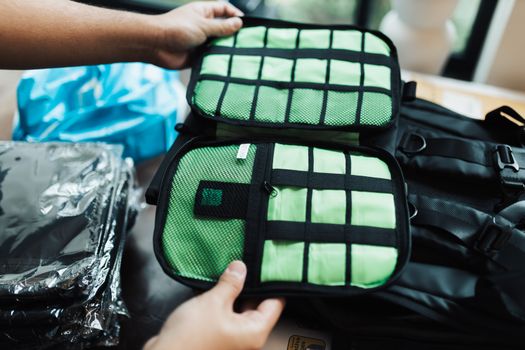
- Cables. Bring only what you need. A short multi-cable can replace three separate ones.
- Headphones. Noise-cancelling or earplugs make buses and dorms easier.
- Camera or laptop. Only if you will use them. A phone camera is enough for many trips.
- E-reader. Replaces a stack of books.
Back up photos and documents to a cloud service or another drive regularly.
Keep your documents and valuables safe
- Carry your passport, cards and key documents close to your body.
- Make digital copies of your passport, insurance and tickets, stored securely online and offline.
- Split your money and cards across different places, so a loss does not leave you stranded.
- Use a lock for your bag in hostels, or a bag that closes securely.
- Be aware of your surroundings in busy tourist spots and transport hubs, where pickpocketing occurs.
Save money with smart packing
Packing affects your budget in more ways than baggage fees.
- Avoid checked bag fees by travelling carry-on only, where it suits you.
- Bring a refillable water bottle. In places with safe tap water it saves a lot of purchases. Check local advice on water safety.
- Pack snacks for travel days, to avoid airport prices.
- Carry a small day bag that folds flat, useful for shopping and day trips.
- Bring a travel towel for hostels and beaches, which usually dries faster than a standard towel.
- Pack a spork or small cutlery if you plan to eat from markets and supermarkets.
- Avoid buying souvenirs you will need to carry, and choose small, flat or consumable gifts instead.
Pack for the destination, not for fear
Many travellers over-pack because of "just in case" thinking. A better approach is to ask what is easy to buy on arrival. In most cities you can replace a forgotten toothbrush, an adaptor or a rain jacket. Things you cannot easily replace are documents, medication, glasses and critical equipment. Pack those carefully and let the rest be flexible.
Research your destination's weather, dress norms and activities. In some places, modest clothing is expected, and in others, you may need insect protection, sun cover or warm layers for evenings. Local travel guides and official tourist boards offer helpful information.
A simple final check
Before you leave, lay everything out and ask:
- Did I use this on my last trip?
- Can I wear or use it in more than one way?
- Is it easy to replace if I forget it?
- Does it fit my bag without forcing the zip?
- Can I carry the whole bag comfortably?
Remove what fails the test. Then pack again, and enjoy the extra room.
Frequently asked questions
Is it realistic to travel carry-on only for a long trip?
For many people, yes, as long as you plan to do laundry. It takes a little discipline but reduces stress and costs.
What should I never put in checked luggage?
Passports, medication, valuables, spare batteries, power banks, electronics and anything you cannot afford to lose. Check airline rules for specifics.
Are packing cubes worth buying?
They help many people stay organised and compress clothes, but they are not essential. Zip bags or simple pouches work too.
How do I avoid wrinkles?
Roll soft clothes, choose wrinkle-resistant fabrics, hang clothes in a steamy bathroom, and fold structured items flat.
Summary
Light packing is less about hacks and more about decisions. Choose your bag first, build a small mix-and-match wardrobe, plan for laundry, edit your tech and toiletries, and protect your documents and valuables. Check airline rules before every flight, because limits differ. When you carry less, you move more freely, spend less on fees and notice more of the place you came to see.