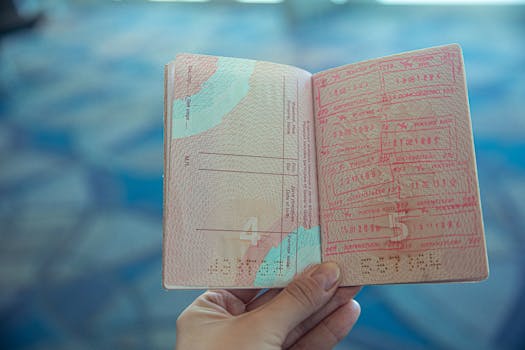
The air was thick with frustration. I remember it like yesterday – a sweltering afternoon at a major European hub, the line for non-EU passports snaking through the terminal like a bewildered python. Hundreds of us, all tired, all just wanting to get to our hotels, staring enviously at the near-empty line for EU citizens. My phone battery was dying, my onward train ticket confirmation was buried deep in my emails, and my patience was wearing thinner than my favorite travel t-shirt. I vowed then and there: never again.
That moment was my turning point. It sparked an obsession: how do you beat the border bottleneck? How do you transform that dreaded customs gauntlet into a mere formality? After years of crisscrossing continents, experimenting with every tip and trick, and learning from fellow road warriors, I’ve compiled the ultimate guide to what’s trending right now in the world of expedited border crossings. These aren’t just old wives’ tales; these are actionable, modern strategies that genuinely save you hours. Ready to reclaim your precious travel time? Let’s dive in!
The Digital Nomad's Secret Weapon: Pre-Registration & Mobile Apps
Forget fumbling with paper forms on a cramped airplane. The biggest game-changer in modern border crossing is the rise of digital pre-registration and dedicated customs apps. Governments worldwide are embracing technology to streamline entry, and if you're not using it, you're literally standing in the slow lane.
My Story:
I once landed in Toronto, Canada, expecting the usual long queue. But thanks to a tip from a friend, I'd downloaded the ArriveCAN app before my flight. While others were filling out declaration cards, I simply showed my pre-generated receipt code, had a quick chat with the officer, and was through in under 15 minutes. The difference was astounding. The app had already collected all my crucial details, health declarations, and travel plans, essentially pre-approving my entry.
Actionable Tips:
- Identify Country-Specific Apps: Before every international trip, check the official government website of your destination country for any mandatory or optional pre-arrival apps or online forms.
- Examples:
- Canada: ArriveCAN (often mandatory for health/quarantine declarations, though requirements fluctuate, it still speeds up customs).
- United States: CBP One (for certain land border crossings and appointment scheduling for asylum seekers, but also useful for general info). ESTA/e-Visa applications are also crucial pre-arrival steps.
- Australia/New Zealand: Digital Passenger Declaration (DPD) or similar online health/visa forms.
- European Union (upcoming): The EES (Entry/Exit System) is rolling out, which will register non-EU citizens' entry/exit digitally, replacing passport stamps. While not an 'app' in the traditional sense for travelers to fill out, understanding its implications means having all your travel documents and biometrics ready for a seamless first registration.
- Many Asian countries: Often have online pre-arrival forms or health declarations (e.g., Thailand Pass during COVID-19, or specific e-visas).
- Fill Out Everything in Advance: Don't wait until you're at the gate. Complete all digital forms accurately and thoroughly days before your departure. This includes passenger locator forms, health declarations, and even customs declarations (if available digitally).
- Screenshot Confirmation Pages: Always, always, always screenshot or print your confirmation pages, QR codes, or reference numbers. Your phone might die, Wi-Fi might be spotty, or the app might glitch. Having a backup is vital. I keep them in a dedicated photo album on my phone and a cloud folder.
- Keep it Updated: If your travel plans change (e.g., new accommodation address), update the information in the app or online portal immediately. Outdated info can cause delays.
Biometrics & Trusted Traveler Programs: Your Fast Pass to Freedom
This is where the real magic happens, especially for frequent international travelers. Trusted Traveler Programs use pre-screening and biometrics to identify low-risk travelers, granting them access to expedited lines. It's like having a VIP pass to the customs hall.
My Story:
My first experience with Global Entry at JFK after a grueling 14-hour flight from Seoul was nothing short of miraculous. While hundreds shuffled into the regular lines, I walked straight to a kiosk, scanned my passport and fingerprints, glanced at the screen, and then walked past everyone to the exit. From plane door to curb in under 10 minutes. The $100 fee for five years suddenly felt like the best investment I'd ever made. It’s also often included with premium travel credit cards as a benefit.
Actionable Tips:
- Apply for Global Entry (US Citizens/Residents): If you're a US citizen or legal permanent resident and travel internationally even once a year, Global Entry is non-negotiable. It includes TSA PreCheck (expedited security at US airports) and significantly reduces wait times upon re-entry to the US.
- Process: Apply online via the CBP website, pay the fee ($100), schedule an interview at an enrollment center (often at major airports), and wait for approval. Some airports offer "Enrollment on Arrival" where you can complete your interview upon re-entering the US.
- Explore NEXUS (US/Canada): For frequent travelers between the US and Canada, NEXUS is even better. It grants expedited processing at land, air, and marine crossings for both countries. It's cheaper ($50 for five years) but requires interviews from both US and Canadian authorities.
- Consider SENTRI (US/Mexico): Similar to NEXUS but for US-Mexico land borders.
- EU ETIAS (European Travel Information and Authorization System - Upcoming): For non-EU citizens who currently don't need a visa to enter the Schengen Area, ETIAS will become mandatory by mid-2025. It's not a visa but an authorization, similar to the US ESTA. Applying in advance (online, small fee) will be crucial to avoid delays.
- Utilize e-Gates/Automated Kiosks: Many countries, like the UK, Australia, Singapore, and various EU nations, have e-gates for certain passport holders. If your passport is eligible (e.g., biometric, from a specific country), always opt for these. They typically use facial recognition or fingerprint scans and are far faster than officer-manned booths. Look for signs that say "e-Passport" or "Automated Border Control."
The Art of the Perfect Paperwork: Beyond Just Your Passport
Your passport is just the beginning. The biggest cause of delays, after long lines, is incomplete or incorrect documentation. Being meticulously organized with your essential papers isn't just a good habit; it's a border-breezing strategy.
My Story:
I once nearly missed my connection in Costa Rica because I couldn't quickly pull up proof of my onward flight. The immigration officer was friendly but firm: "Show me your exit plan, por favor." I spent five frantic minutes scrolling through emails while the line behind me grew. Lesson learned: proof of onward travel is often a requirement, not a suggestion.
Actionable Tips:
- Check Visa Requirements Religiously: This is non-negotiable. Use reputable sources like the IATA Travel Centre, the destination country's official embassy/consulate website, or a reliable visa service. Don't rely on hearsay or outdated blog posts. Apply for visas well in advance.
- Proof of Onward/Return Travel: Many countries require proof that you intend to leave. This could be a confirmed flight, bus, or train ticket. Have it readily accessible, both digitally (in a dedicated folder on your phone/cloud) and a printed copy.
- Accommodation Bookings: Especially for longer stays or in countries with stricter immigration policies, officers might ask for your accommodation details. Have your hotel, Airbnb, or hostel confirmations ready.
- Proof of Funds: Some countries want assurance you can support yourself during your stay. While rarely requested, it's wise to have access to bank statements (digital is usually fine) or credit card limits.
- Travel Insurance: Increasingly, countries are making travel insurance mandatory for entry (e.g., Schengen Area, some Caribbean nations). Have your policy details and emergency contacts handy.
- Vaccination Records/Health Certifications: Post-pandemic, many countries still require proof of certain vaccinations (e.g., Yellow Fever for specific regions) or health declarations. Keep these with your travel documents.
- Organize Digitally and Physically: Create a "Travel Docs" folder on your phone (saved offline), in your cloud storage, and as physical printouts in a small, waterproof pouch. This redundancy is your best friend.
Timing is Everything: Strategic Border Crossings
Sometimes, the trick isn't what you do, but when you do it. Border wait times fluctuate wildly depending on the day of the week, time of day, and even specific holidays. Being strategic about your arrival can save you hours.
My Story:
I learned this the hard way at the US-Mexico land border. Attempting to cross on a Friday afternoon was a rookie mistake. What should have been a 30-minute wait turned into a three-hour crawl. The next time, I crossed early on a Tuesday morning, and it was a ghost town.
Actionable Tips:
- Avoid Peak Hours:
- Airports: Generally, early mornings (before 8 AM), late nights (after 10 PM), and mid-day weekdays (10 AM - 3 PM) are less busy than rush hour, weekends, or major holiday periods. Flights arriving just after a cluster of international arrivals will inevitably face longer lines.
- Land Borders: Weekends, national holidays, and traditional commuting times (early morning and late afternoon) are usually the busiest. Aim for mid-week, mid-day crossings.
- Utilize Wait Time Apps/Websites:
- US Borders: The CBP Border Wait Times app and website provide real-time estimates for land border crossings.
- Airport Specific: Many major airports (e.g., Heathrow, LAX) or their respective government agencies (e.g., UK Border Force) publish expected wait times or historical data.
- Flight Tracking Apps: Use apps like FlightAware or FlightStats to see if a large number of international flights are scheduled to arrive simultaneously at your destination airport.
- Consider Alternative Entry Points: If you're crossing a land border, sometimes a smaller, less-known crossing point a few miles away can be significantly faster than the main highway crossing. Do your research!
- Factor in Local Holidays: Be aware of local holidays in your destination country, as these can drastically increase domestic and international travel, leading to longer waits.
The Power of Presentation: What to Wear, What to Say, What Not to Pack
While it might seem superficial, how you present yourself and what you carry (or don't carry) can subtly influence your border experience. Customs officers are looking for red flags; don't give them any reason to scrutinize you.
My Story:
I once traveled with a friend who had a notoriously messy backpack, full of unidentifiable items. At a particularly strict border, his bag was pulled for a thorough inspection, taking an extra 45 minutes, while my neatly packed, declared items sailed through. It taught me that perceived organization and intention matter.
Actionable Tips:
- Dress Respectfully and Neatly: You don't need a suit, but appearing well-groomed and dressed appropriately for travel (no offensive slogans, overly revealing clothing) conveys respect and responsibility. It's about looking like a genuine tourist, not someone trying to blend in or cause trouble.
- Be Confident, Polite, and Concise:
- Make eye contact.
- Answer questions truthfully and directly. Don't elaborate unnecessarily unless asked.
- Be polite, even if you're tired. A simple "Hello," "Thank you," and "Have a good day" goes a long way.
- Know your basic itinerary: "Why are you here?" "Tourism." "How long?" "Two weeks." "Where are you staying?" "Hotel [Name]."
- Declare EVERYTHING that Needs Declaring: This is crucial. If you're unsure if an item needs to be declared (e.g., certain foods, high-value goods, large amounts of cash), declare it. The penalty for not declaring something that should have been is almost always worse than declaring it. Be honest about souvenirs, gifts, or specific food items.
- Pack Smart:
- Prohibited Items: Double-check what's prohibited in your destination country. This includes certain foods, agricultural products, medications (especially prescription drugs – carry a doctor's note and original packaging), and even specific electronics.
- Organized Luggage: While officers might still inspect your bag, a well-organized suitcase or backpack makes the process quicker if they do. Avoid looking like you're trying to hide something.
- Keep Valuables Accessible (but Secure): If you're declaring a high-value item, have its receipt or proof of ownership ready.
Leveraging Technology: eSIMs, VPNs, and Digital Wallets for Seamless Entry
Beyond the direct customs apps, other tech tools can indirectly smooth your border experience, ensuring you're connected and prepared for any last-minute needs.
My Story:
Landing in Bangkok, I realized I needed to confirm a very specific detail about my hotel booking, which was tucked away in my email. Thanks to my pre-activated eSIM, I had instant data connectivity the moment I landed, allowing me to pull up the information right there at the immigration desk. No frantic search for airport Wi-Fi, no data roaming charges. It was a small detail, but it saved me potential hassle.
Actionable Tips:
- Pre-Purchase an eSIM: An eSIM (embedded SIM) allows you to download a local data plan before you even land. This means instant connectivity for navigation, confirming bookings, checking border updates, or even communicating with ground transport. Providers like Airalo, Holafly, or Nomad offer various plans. It's a lifesaver for immediate post-landing needs.
- Use a VPN for Privacy and Access: While not directly for customs, a VPN (Virtual Private Network) can be useful for securely accessing your documents from cloud storage over public Wi-Fi, or even accessing government websites that might be geo-restricted.
- Digital Wallet Readiness: Have your credit cards, loyalty cards, and even digital copies of your ID (if applicable and legally accepted) stored in your phone's digital wallet (Apple Pay, Google Pay). This ensures quick access to payment methods if you need to pay for a visa-on-arrival, a specific tax, or even a last-minute snack.
- Cloud Storage for Documents: Beyond local storage, keep copies of all essential documents (passport, visa, flight, hotel, insurance) in a secure cloud storage service (Google Drive, Dropbox, iCloud) that you can access from anywhere. Just ensure you have the means to access it (eSIM, Wi-Fi).
Conclusion: Travel Smarter, Not Harder
The days of simply showing up at the border with your passport and hoping for the best are long gone. In today's interconnected world, the savvy traveler is the prepared traveler. By embracing these trending customs tricks – from digital pre-registrations and trusted traveler programs to meticulous paperwork and strategic timing – you're not just saving time; you're investing in a smoother, less stressful, and ultimately more enjoyable travel experience.
My border frustrations are now a thing of the past, and yours can be too. So, next time you're planning an international adventure, don't just book your flight and hotel. Take an hour to implement these hacks. You'll thank yourself when you're breezing past those long lines, heading straight for your next adventure.
Now it's your turn!
Which of these tips are you most excited to try? Do you have any secret border hacks that have saved you time? Share your wisdom in the comments below, and let's help each other travel smarter! Don't forget to share this post with your fellow wanderlusters – because nobody wants to waste precious vacation time in a customs queue!
---