When and where
The aurora is most often seen from late August to April in the northern hemisphere, on clear, dark nights, in or near the auroral oval. The equinox months, September and March, often have strong activity, but nothing is guaranteed.
Places to consider
- Abisko, Sweden: Known for its dry, clear skies and the Aurora Sky Station.
- Tromsø and surroundings, Norway: Popular, but you can reach quieter spots away from city lights.
- Finnish Lapland: Glass igloos and cabins, with dark skies.
- Iceland: Easily reached, but weather is changeable. Drive away from Reykjavík lights.
- Yellowknife, Canada: A high success rate in winter, with dedicated viewing sites.
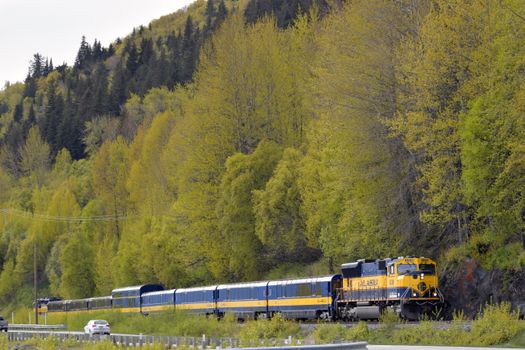
- Alaska, USA: Fairbanks offers good chances.
Improve your chances
- Stay at least three or four nights.
- Use aurora forecast apps and cloud forecasts.
- Get away from light pollution.
- Dress very warmly, and bring a hot drink.
- Learn camera basics: a tripod and a long exposure.
Be responsible
Do not trespass on private land or block roads. Drive carefully in winter conditions.
The aurora cannot be guaranteed, so allow flexible plans.