The Moment the World Reset
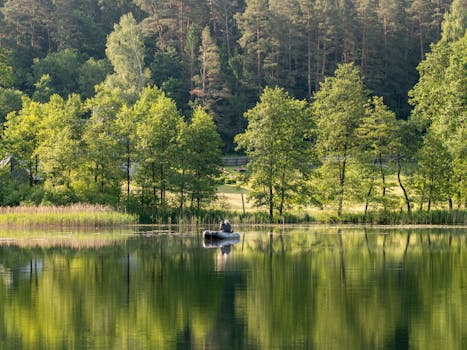
I stepped off the local diesel train into the crisp mist of the Bohinj valley, and the sound hit me before the cold did. It wasn’t the roar of city buses or the ping of notifications. It was the low, rhythmic rush of the Sava Bohinjka River cutting through damp glacial silt, accompanied by the smell of wet larch wood and crushed pine needles. After months locked in a cycle of Zoom calls and sterile indoors, that single breath of sub-alpine air felt less like a vacation and more like a tactical reboot for my nervous system.
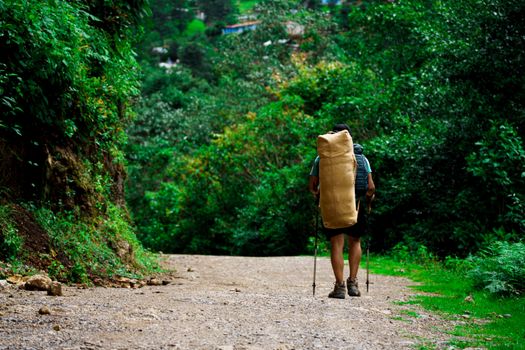
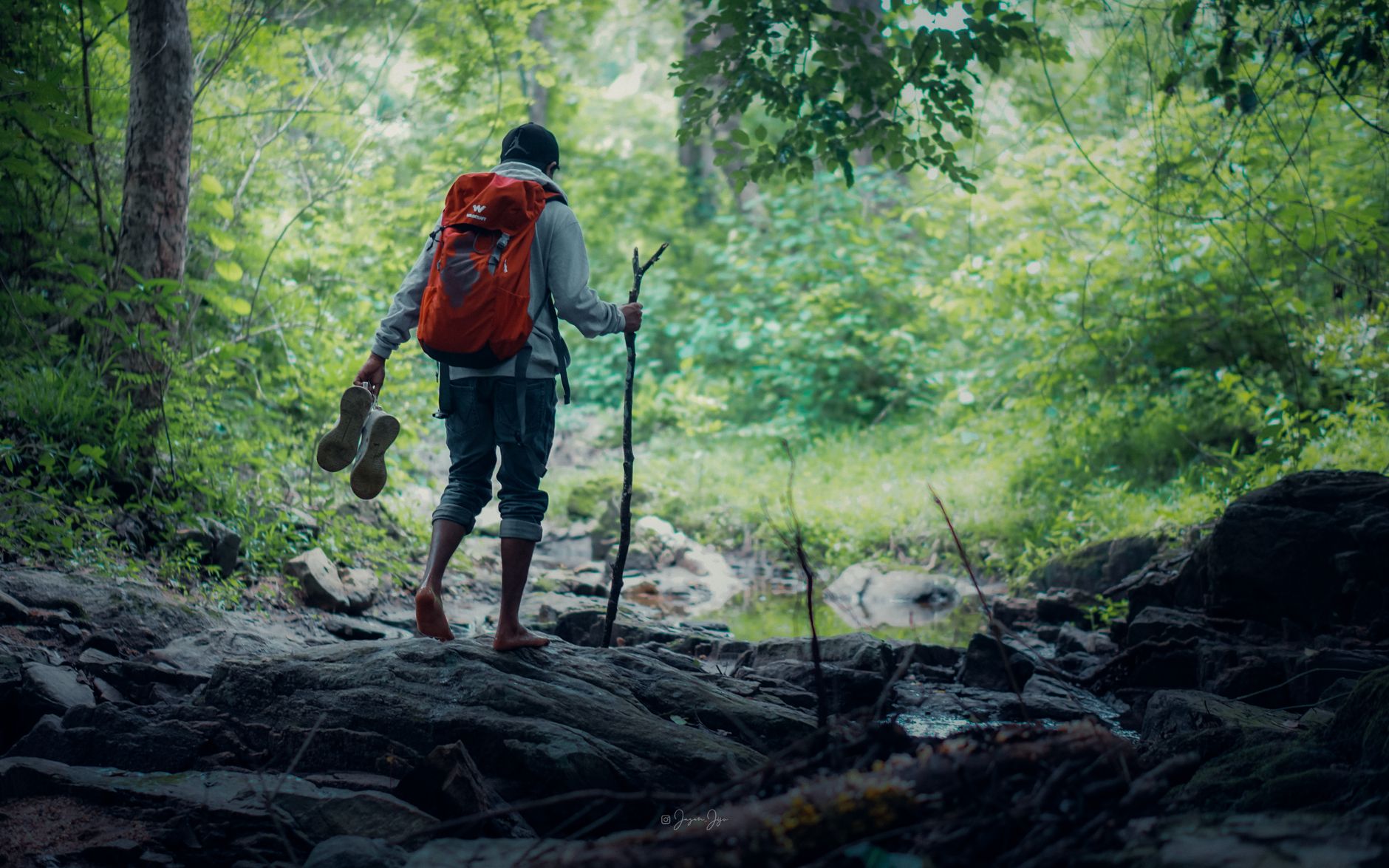
I wasn’t the only one standing on that quiet platform with a heavy pack and muddy boots.
Look around any major trail network, coastal path, or dark-sky park today, and the evidence is overwhelming: nature tourism is booming post-pandemic right now, and it isn’t a temporary fad. It is a fundamental, permanent realignment of how, where, and why human beings travel.
We spent two years staring at screens, trapped inside four walls. The collective response was an explosive shift toward open horizons, raw topography, and intentional isolation. But as millions rush into the wild, the way we travel off-grid has changed too. Here is the definitive breakdown of why this phenomenon is happening, where it’s heading, and how you can experience the world’s wildest spaces authentically without ruining them for everyone else.
---
1. The Great Outdoor Paradigm Shift: Why We Left Cities Behind
For decades, international travel was defined by high-density urban check-lists. You flew into a capital, bought a metro pass, queued for a famous gallery, and ate at a Michelin-recommended bistro surrounded by hundreds of other visitors doing the exact same thing.
Post-2020, that formula cracked. The psychological trauma of isolation created a counter-reaction: a desperate craving for wide-open space, silence, and physical exertion in natural settings.
```
PRE-PANDEMIC TRAVEL VALUES POST-PANDEMIC TRAVEL VALUES
--------------------------- ---------------------------
Urban Density & Nightlife ---> Wilderness & Dark-Sky Isolation
Packed Bucket-List Sights ---> Slow, Regenerative Exploration
Indoor Comfort & Luxury ---> Physical Exertion & Bio-Reset
Standardized Hotel Chains ---> Off-Grid Cabins & Eco-Lodges
```
From "Revenge Travel" to "Intentional Wandering"
Initial post-lockdown travel was chaotic—often dubbed "revenge travel." People booked flights purely because they could. But as the dust settled, that chaotic energy evolved into something deeper: intentional wandering.
Travelers no longer just want a break; they want a reset. Science backs this up. Exposure to phytonclides (the airborne chemicals produced by plants) lowers cortisol levels, reduces blood pressure, and boosts immune function. Modern travelers are treating wilderness trips not as a splurge, but as essential preventive healthcare.
---
2. Uncrowded Topographies: The New Frontier Destinations
As classic parks like Yellowstone and Zion hit historical capacity limits, smart outdoor travelers shifted their focus toward lesser-known, eco-resilient regions. If you want to experience the true spirit of this outdoor boom without fighting for parking, these three regions are setting the global standard.
```
[ WILDERNESS FRONTIERS ]
|
+----------------------------+----------------------------+
| | |
[ Julian Alps ] [ Carretera Austral ] [ Akan Mashu Park ]
Slovenia Chilean Patagonia Hokkaido, Japan
* Glacial Waters * Fjords & Icefields * Old-Growth Oak
* Alpine Huts * Unpaved Exploration * Volcanic Calderas
```
Slovenia’s Soča Valley & Julian Alps
Slovenia quietly positioned itself as Europe’s green heart. While Western Europe struggles with heatwaves and overcrowded coastal resorts, the Soča Valley offers emerald-green glacial rivers, towering limestone peaks, and a hyper-local culinary scene rooted in foraging and high-altitude cheesemaking.
- The Vibe: Alpine purity without the alpine pretension.
- The Experience: Hiking the Juliana Trail, a 270-kilometer circuit that purposefully bypasses major summits to take travelers through quiet, living valley communities.
Chile’s Carretera Austral (Route 7)
Patagonia’s northern stretch remains one of the world's last wild road trips. Running over 1,200 kilometers from Puerto Montt to Villa O'Higgins, this largely unpaved highway slices through temperate rainforests, fjords, and hanging glaciers.
- The Vibe: Raw, wind-scoured expedition energy.
- The Experience: Navigating the newly expanded Network of Parks in Patagonia—a massive, multi-million-acre conservation effort led by Tompkins Conservation and the Chilean government.
Hokkaido’s Akan Mashu National Park, Japan
While travelers flock to Tokyo and Kyoto, Japan’s northernmost island holds vast tracts of untamed volcanic landscape. Akan Mashu is a wonderland of ancient oak forests, steaming fumaroles, and deep blue caldera lakes.
- The Vibe: Mystical, geothermal silence.
- The Experience: Experiencing Indigenous Ainu culture, forest bathing under centuries-old canopy, and soaking in natural, roadside onsen after long ridge hikes.
---
3. The Rise of "Silent Travel" and Astrotourism
One of the most fascinating subsets of the nature tourism boom is the quest for sensory deprivation. In an era dominated by perpetual noise—slack notifications, traffic, background music—true silence has become the ultimate luxury commodity.
```
[ SENSORY RECOVER DYNAMICS ]
|
+------------------------+------------------------+
| |
[ ASTROTOURISM ] [ SILENT RETREATS ]
* Dark-Sky Sanctuaries * Acoustic Conservation Zones
* Milky Way Visibility * Zero-Tech Backpacking
* Stargazing Navigation * Natural Soundscape Audio
```
Dark-Sky Reserves
Astrotourism—traveling specifically to locations with zero light pollution to view the cosmos—has exploded. Organizations like DarkSky International have seen a massive surge in certified locations worldwide.
- The Greater Big Bend Region (Texas, USA): Encompassing Big Bend National Park, this is the largest contiguous dark-sky protected area in the world.
- Kerry International Dark Sky Reserve (Ireland): Nestled between the Atlantic Ocean and the Kerry Mountains, offering clear views of the Milky Way against rugged coastal cliffs.
> Pro-Tip: Time your dark-sky trips precisely around the New Moon phase. A full moon washes out 80% of faint stars and deep-sky objects, completely ruining an astrotourism itinerary. Use apps like PhotoPills or Stellarium to plan your shooting windows months in advance.
---
4. How to Navigate the Wilderness Surge Responsibly
With millions more people entering delicate ecosystems, the impact on natural environments can be severe if not managed correctly. Regenerative travel isn't just a buzzword—it's a set of concrete actions designed to leave a destination better off than you found it.
Beyond "Leave No Trace"
Traditional Leave No Trace (LNT) principles are the bare minimum. Today's nature travelers practice Regenerative Impact:
- Support Local Eco-Guiding Collectives: Always hire local, native, or resident guides. This keeps tourism dollars directly inside gateway communities, preventing displacement.
- Permit System Hacks: Major national parks now operate on strict permit lotteries to protect trail integrity. Set reminders for 6 months out on reservation portals (like Recreation.gov or national park databases).
- Micro-Budget Off-Season Visits: Visit fragile mountain or coastal ecosystems during "shoulder seasons" (e.g., late autumn or early spring). This spreads out economic impact and gives wildlife a break during peak breeding and migration windows.
---
5. Modern Wilderness Gear: What to Pack for Off-Grid Success
When heading into raw nature post-pandemic, the gear ethos has shifted away from cheap, disposable outdoor equipment toward hyper-durable, repairable, multi-functional gear.
```
+--------------------------+----------------------------------------------------+
| GEAR CATEGORY | ESSENTIAL FIELD SELECTION |
+--------------------------+----------------------------------------------------+
| Navigation & Safety | Garmin inReach Mini 2 (Two-Way Satellite Messenger) |
| Water Purification | Grayl UltraPress Purifier Bottle |
| Footwear | Wide-toe box trail runners (e.g., Altra Lone Peak) |
| Layering | 200g/m² Ethically-Sourced Merino Wool Mid-layer |
| Lighting | Red-light LED Headlamp (Preserves Night Vision) |
+--------------------------+----------------------------------------------------+
```
> Pro-Tip: If you are exploring deep wilderness without cell coverage, always download offline topological maps via Gaia GPS or AllTrails Pro before leaving your basecamp. Never rely on live cellular signal at trailheads.
---
6. Logistics & Budget Planning for Wild Escapes
Wilderness travel can range from hyper-budget backcountry camping to high-end, zero-emission eco-lodges. Below is a realistic breakdown of costs and logistics for planning a modern, high-value nature expedition.
Quick Facts: Global Nature Travel Logistics
- Average Daily Budget (Budget/Backpacker): $45 – $75 USD per day (Camping fees, self-cooked meals, regional transport).
- Average Daily Budget (Mid-Range/Eco-Lodge): $200 – $400 USD per day (Private eco-cabins, local guides, farm-to-table dining).
- Average Daily Budget (High-End Regenerative Safari/Retreat): $800 – $1,500+ USD per day (Fully catered, private conservation access, helicopter/charter transfers).
```
[ DAILY EXPENSE BREAKDOWN (MID-RANGE EXPEDITION) ]
Accommodation (Eco-Lodge/Hut) : ████████████████████ $180
Guided Excursions/Permits : ██████████ $80
Local Sustainable Food : ████████ $60
Regional Transport (EV/Train) : █████ $40
------------------------------------------------------
TOTAL : $360 / day
```
Transport Optimization Matrix
```
DISTANCE RECOMMENDED MODE CARBON/EXPERIENCE RATIO
--------------------------------------------------------------------------
< 300 miles Regional Electric Rail Ultra-Low Impact / High Visuals
300 - 800 miles EV Campervan Rental Flexible / Off-Grid Ready
> 800 miles Direct Flight + Local Bus High Impact (Offset Required)
```
- Best Time to Visit Alpine Zones: Late July to mid-September (High trails are clear of snow, alpine flowers in bloom, huts fully operational).
- Best Time to Visit Desert & Dark Sky Reserves: October to April (Manageable daytime temperatures, long crisp nights for clear astrophotography).
- How to Get There: Prioritize regional rail links where possible. For instance, Europe’s expanding overnight sleeper train network (like Nightjet) drops travelers directly at the foot of the Austrian and Swiss Alps, eliminating airport stress and car rentals entirely.
---
7. The Ultimate Nature Tourism Rules to Live By
If you are packing your bags to step into the quiet places of the world this year, memorize these rules before setting foot on the trail:
- Rule 1: Leave the Bluetooth speaker at home. Nobody hiked six miles into a pristine canyon to listen to someone else's playlist. Respect the acoustic integrity of wild places.
- Rule 2: Stick to the marked trail, even if it's muddy. Walking around mud puddles widens trails, crushes sensitive border vegetation, and accelerates soil erosion. Walk straight through the center of the mud.
- Rule 3: Keep geo-tags general. When posting photos on social media, tag the broad mountain range or region (e.g., "Julian Alps, Slovenia") rather than dropping pinpoint coordinates on fragile, unmaintained micro-locations.
- Rule 4: Pack out what you pack in—including organics. An apple core can take up to two years to decompose in an arid climate and attracts wildlife to busy trails, putting animals at risk.
- Rule 5: Slow down. The wilderness isn’t a list to be checked off; it’s a living space to be experienced. Five miles covered with complete awareness will always beat twenty miles rushed for a photo opportunity.
---
The Path Ahead
The surge in nature tourism isn't just a reaction to a global health crisis; it’s a long-overdue correction. We are realizing that the true luxury of travel isn’t gold-leaf fixtures or overcrowded infinity pools—it’s clean air, dark skies, quiet trails, and the grounding feeling of soil under our boots.
As we continue to venture farther out into the wild spaces of the world, let's do so with intention, respect, and a commitment to leaving these landscapes wilder than we found them.
Pack your pack, tie your boots, download your maps, and go step into the quiet. The wild is waiting.
---