The Moment Everything Changed: Why Mega-Cruises Lost Their Luster
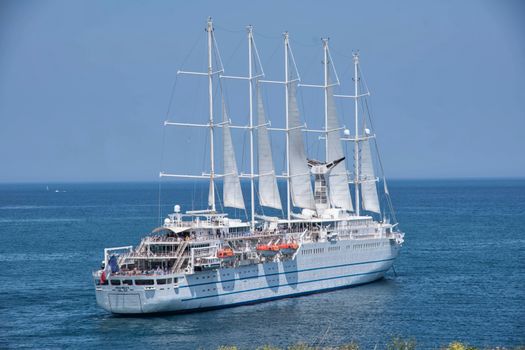
I stepped off the tender boat into the sweltering heat of Santorini’s Skala Harbor, surrounded by three mega-cruise ships belching diesel emissions into the Aegean sky. Over four thousand passengers were crammed into a single-file queue for the cable car, while speakers blared pop music across water that should have felt sacred.
That was the exact afternoon I swore off traditional ocean cruises for good.
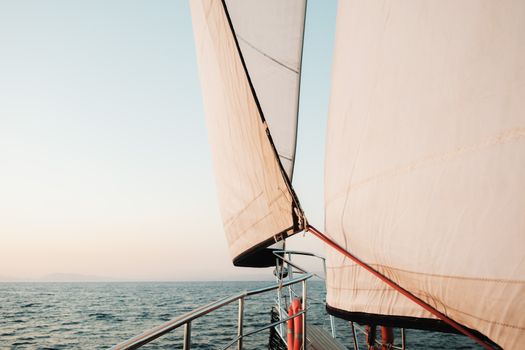
Three days later, I was standing at the helm of a 47-foot monohull off the coast of Sifnos. The sound of cranked winches replaced loudspeaker announcements. The air tasted of pure sea salt, crushed wild sage, and grilled octopus wafting from a shorefront taverna accessible only by water. As the wind caught our Genoa sail, the boat heeled gently into a sapphire-blue wave, gliding silently toward an uninhabited cove.
If you are craving true ocean freedom, zero crowds, and deep cultural immersion, you don't need a 20-deck mega-ship. You need a sailing adventure. Here are five world-class wind-powered itineraries—from beginner-friendly cabin charters to off-grid expeditions—that prove skipping the cruise ship is the single best decision a traveler can make.
---
1. The Greek Cyclades: Beyond the Tourist Trap Islands
While mega-ships unload thousands of visitors simultaneously into Mykonos and Santorini, small sailboats weave through the "Secret Cyclades"—islands like Kythnos, Serifos, Schinoussa, and Iraklia.
What Makes It Superior to a Cruise
Cruise ships dock miles offshore or dump crowds at generic ports for four hours. On a 45-to-50-foot yacht, your captain drops anchor directly inside shallow, secluded inlets like Kolona Beach on Kythnos—a narrow strip of golden sand washed by the sea on both sides. You swim to the beach, eat fresh sea urchin harvested by your skipper, and sleep under a sky devoid of light pollution.
```
+-------------------------------------------------------------------+
| ROUTE HIGHLIGHT: Athens (Lavrio) -> Kythnos -> Serifos -> Sifnos |
| VESSEL TYPE: 45ft Monohull or 40ft Catamaran |
| BEST FOR: Swim stops, ancient ruins, sea-side taverna dining |
+-------------------------------------------------------------------+
```
Pro-Tips for Sailing Greece
* Avoid the Meltemi: The Meltemi winds blow hardest in July and August (often reaching Force 7 or 8). Book in May, June, or September for gentle 12–18 knot breezes, warm water, and lower charter rates.
* The Hidden Taverna: When anchored in Faros Bay on Sifnos, skip the beach-front tourist hubs. Walk up the stone path behind the white chapel of Chrisopigi to find To Sarakiniko, a family-run spot where the owner serves goat baked in a clay pot (mastelo) paired with local orange wine.
---
2. Croatia’s Dalmatian Coast: Secret Coves and Ancient Konobas
Croatia’s coastline features over 1,200 islands, making it one of the most sheltered, clear, and rich sailing grounds on the planet. Giant cruise ships are increasingly restricted in Dubrovnik and Split, but small sailboats hold the ultimate key to the Adriatic.
The Experience
Imagine waking up anchored in a pine-scented bay on the island of Vis. You dive off the stern into turquoise waters so clear you can see your anchor lying 30 feet below on the white sand. In the evening, your skipper ties the bow to an old pine tree on shore and hands you a glass of chilled Pošip white wine.
Unlocking Local Gastronomy
In Croatia, sailing allows access to konobas—traditional rustic restaurants in remote bays that offer free mooring buoys if you dine with them.
- Pro-Tip: Call ahead to Konoba Stončica on Vis Island and order the Peka—lamb or octopus cooked under a heavy bell-shaped iron dome covered in hot charcoal embers—at least 4 hours before you arrive.
```
~ CROATIA SAILING ITINERARY ~
Split Harbour ---> Šolta (Maslinica) ---> Vis (Stiniva Cove) ---> Hvar (Pakleni Islands) ---> Korčula
```
---
3. San Blas Islands, Panama: Pure Off-Grid Bliss
For travelers seeking a complete escape from modern development, the San Blas Archipelago (Guna Yala) offers 365 pristine coral islands off Panama’s Caribbean coast, governed independently by the indigenous Guna people. Cruise ships are strictly prohibited from visiting these outer cays.
Why It’s the Ultimate Cruise Alternative
There are no high-rise hotels, no wifi networks, no paved roads, and no port facilities. You travel from island to island on a liveaboard catamaran, sleeping in well-ventilated private cabins cooled by steady trade winds.
- Daily Rhythm: Wake up to the sound of soft surf, kayak through crystalline lagoons, and trade directly with local Guna artisans paddling up to your yacht in wooden dugouts (molas) laden with freshly caught spiny lobster and coconut water.
- Logistics: Most San Blas sailings operate on an all-inclusive charter model (skipper, private chef/hostess, meals, and beverages included).
Pro-Tips for San Blas
* Bring Cash: The Guna Yala territory does not accept credit cards or digital payments. Bring small USD denominations ($5, $10, and $20 bills) to purchase hand-woven textiles and pay island entry taxes.
* Best Season: Visit between December and April during the dry season when trade winds provide natural air conditioning and clear underwater visibility for snorkeling.
---
4. The Whitsundays, Australia: Sailing the Coral Sea
Located in the heart of the Great Barrier Reef Marine Park, Queensland's 74 Whitsunday Islands offer world-class tropical sailing protected by the outer reef.
The Small Vessel Advantage
While massive tour boats unload hundreds of day-trippers onto Whitehaven Beach during peak hours, small sailboat charters allow you to adjust your schedule around the tides and crowds.
```
CRUISE SHIP vs. SMALL SAILBOAT EXPERIENCE
+----------------------------------+----------------------------------+
| FEATURE | MEGA CRUISE | SMALL SAILBOAT CHARTER |
+------------------+---------------+----------------------------------+
| Passenger Count | 3,000 - 6,000 | 4 - 12 guests |
| Shore Access | Standard Ports| Secluded beaches & hidden reefs |
| Carbon Footprint | High (Diesel) | Extremely Low (Wind-powered) |
| Daily Schedule | Rigid | Flexible (Tailored to weather) |
| Local Culture | Staged tours | Direct, authentic interactions |
+------------------+---------------+----------------------------------+
```
Pro-Tips for Whitsundays
* Beating the Crowds at Hill Inlet: Tell your skipper you want to land at Hill Inlet Lookout at 7:00 AM, just as the tide shifts. You will witness the swirling white sands and turquoise waters in dead silence, hours before commercial ferries arrive.
* Vessel Selection: Book a performance catamaran over a monohull if you are prone to seasickness; the dual-hull construction provides exceptional stability both under sail and at anchor.
---
5. Norwegian Fjords: Expedition Sailing Under the Midnight Sun
Sailing isn't limited to warm tropical waters. Expedition sailing in Northern Norway offers a rugged, intimate alternative to the industrial cruise ships cruising the Arctic coast.
The Arctic Wilderness Experience
Aboard a steel-hulled expedition sailboat or a modern 50-foot ice-strengthened yacht, you navigate deep glacial fjords like Hjørundfjord and Trollfjord. The sheer granite walls tower thousands of feet above your deck, while waterfalls cascade directly into the ocean around you.
- Wildlife & Eco-Impact: Small sail vessels move silently under canvas, allowing you to observe white-tailed eagles, puffins, porpoises, and sea otters without disrupting their habitats with engine noise.
- Active Exploration: Instead of viewing the fjords through a glass deck window, you pull on drysuits, drop kayaks directly from the stern, and paddle into narrow side-arms where big ships physically cannot fit.
---
Understanding Your Options: Bareboat, Skippered, or Cabin Charter?
You don't need to be a seasoned sailor or hold a skipper's license to enjoy sailing adventures as an alternative to cruises worth considering. Ocean sailing offers flexible trip styles tailored to your skill level:
1. Cabin Charters (Ideal for Singles and Couples)
* How it works: You reserve a private cabin with an en-suite bathroom on a professionally crewed yacht (usually 45–55 feet).
* Why choose it: It offers the social atmosphere of a small boutique tour without the hassle of organizing a full group. A professional skipper handles navigation, while a host prepares meals.
2. Skippered Charters (Best for Families and Friend Groups)
* How it works: You rent the entire vessel for your group and hire a professional local skipper (and optional cook).
* Why choose it: Complete itinerary flexibility. Want to stay an extra day in a deserted bay? Just discuss it with your skipper over morning coffee.
3. Flotilla Sailing (Best for Novice Captains)
* How it works: You skipper your own boat, but travel in a group of 5 to 10 yachts led by a lead boat with an experienced engineer and skipper.
* Why choose it: Social fun, daily navigation briefings, assistance with docking, and a built-in safety net.
---
Quick Facts & Logistics Comparison
| Destination | Best Time to Visit | Est. Cost (Per Person / Week) | Entry Point | Highlight Experience |
| :--- | :--- | :--- | :--- | :--- |
| Greek Cyclades | May – June, Sept | $1,200 – $2,400 (Skippered) | Athens (Lavrio/Kalamaki) | Swimming at Kolona Double Beach |
| Croatia (Dalmatia) | June – Sept | $1,400 – $2,800 (Catamaran) | Split or Dubrovnik | Peka dinner at remote Konoba |
| San Blas, Panama | Dec – April | $1,800 – $3,200 (All-Inclusive) | Panama City (Water taxi/Air) | Trading with Guna Yala locals |
| The Whitsundays | May – Nov | $1,500 – $3,000 (Charter/Cabin) | Hamilton Island / Airlie Beach | Hill Inlet at low tide sunrise |
| Norway Fjords | June – Aug (Midnight Sun) | $2,200 – $4,000 (Expedition) | Tromsø / Ålesund | Kayaking into silent fjord arms |
---
What to Pack: The Rules of the Sea
Leaving the mega-ship behind means rethinking your luggage. Soft-sided duffel bags are non-negotiable; hard suitcases are impossible to store in yacht cabins.
- Soft Duffel Bag: Folds completely flat when emptied into your cabin wardrobe.
- Deck Shoes / Non-Marking Soles: Boat decks require rubber-soled, non-marking shoes to prevent slipping and scuffing teak wood.
- Reef-Safe Sunscreen: Chemical sunscreens damage marine ecosystems and stain boat gelcoat. Opt for non-nano zinc formulas.
- Quick-Dry Microfiber Towel: Saves space and dries rapidly in the sea breeze.
- Dry Bag (10L–20L): Essential for keeping cameras and phones dry during dinghy rides to shore.
---
The Verdict: Unfurl Your Canvas
Large cruise liners offer convenience, but sailing adventures deliver genuine travel magic. Standing at the bow of a sailboat, feeling the heel of the hull, and watching an unpopulated island appear on the horizon is an experience no mega-ship balcony can match.
Trade the cruise terminal lines for wind, salt spray, and real adventure. Your ocean journey awaits.
---