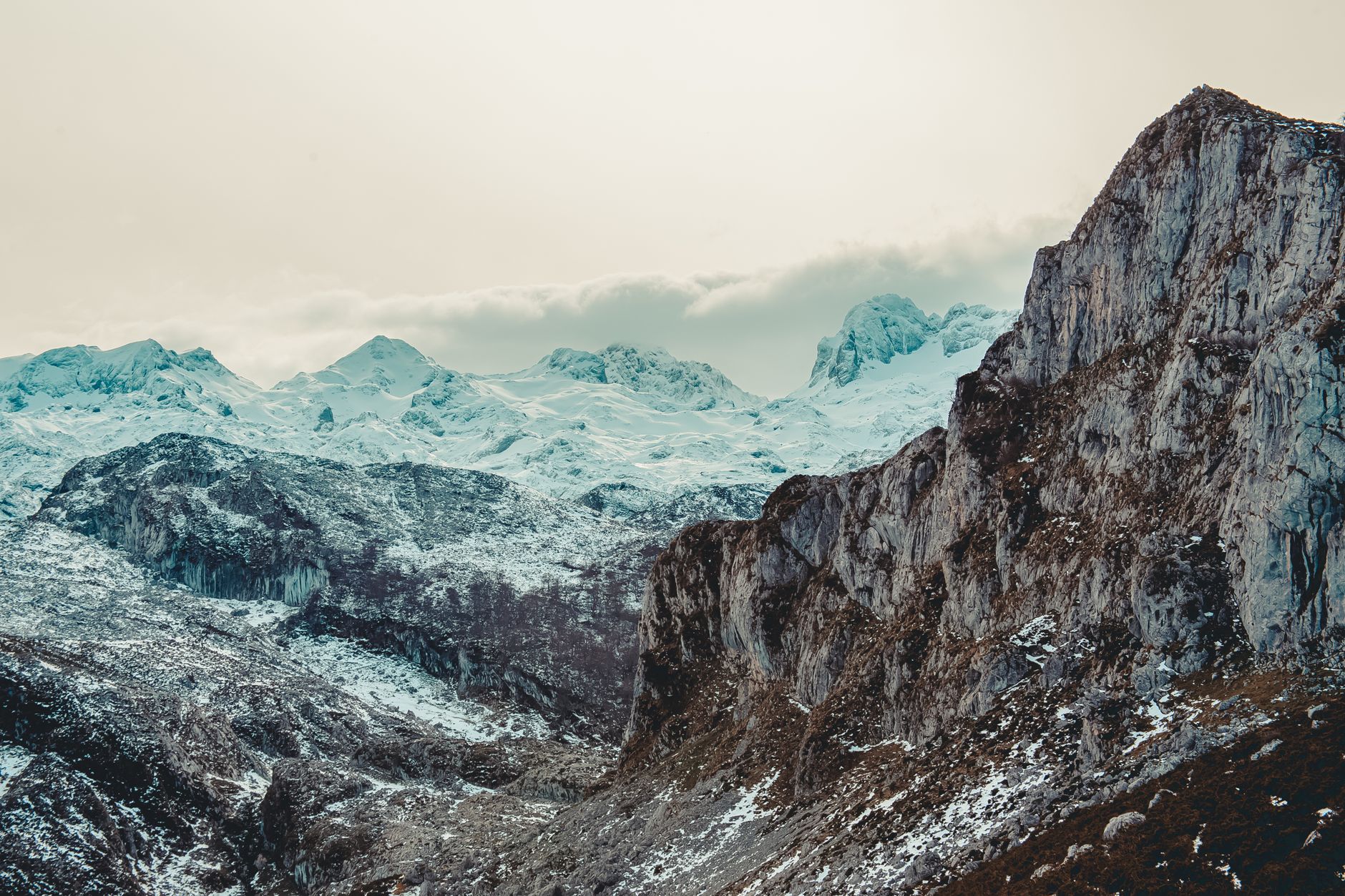
I stepped off the rack-and-pinion train in Wengen, and the first thing that hit me wasn’t the sub-zero temperature—it was the smell of burning pine needles and melted Gruyère drifting from a nearby chalet. There were no car engines roaring, no exhaust fumes choking the air. Just the soft clatter of wooden sleds and the deep, resonant ring of cowbells echoing off the sheer rock faces of the Lauterbrunnen Valley below.
As a travel journalist who has spent a decade hunting down the world’s most evocative high-altitude sanctuaries, I’ve learned a hard truth: the magic of a mountain village doesn't truly wake up until the last day-tripper boards the afternoon train back to the city.
When the tour buses leave, the locals reclaim the taverns, the mist rolls into the narrow alleys, and the mountains seem to lean in a little closer. If you want to experience this transformation, you need to stay the night.
Here are six mountain villages perfect for overnight trips worth considering for your next escape.
---
1. Wengen, Switzerland: The Car-Free Alpine Dream
Perched on a sunny terrace high above the Lauterbrunnen Valley, Wengen is the quintessential Swiss alpine fantasy. Because it is entirely car-free, the only way to access it is via the historic Wengernalpbahn railway. During the day, tourists stream through on their way to the Jungfraujoch, but by 5:00 PM, the village settles into a tranquil, hushed rhythm.
Why It’s Worth the Overnight
Staying overnight allows you to experience the dramatic transition of the Bernese Alps from golden hour to twilight. The towering peaks of the Eiger, Mönch, and Jungfrau turn a brilliant, bruised violet as the sun dips below the horizon. Dinner here is a slow, sacred affair. Head to a local tavern and order Älplermagronen—a decadent Swiss alpine macaroni tossed with potatoes, caramelized onions, and melted Emmental cheese, served with a side of sweet applesauce.
- Pro-Tip: Skip the crowded main viewpoint near the train station. Instead, walk 15 minutes north past the local church to a solitary wooden bench at Schönegg. At dusk, you’ll have an unobstructed, silent view of the Staubbach Falls plunging into the misty valley below.
---
2. Albarracín, Spain: The Pink-Hued Canyon Citadel
Often voted the most beautiful village in Spain, Albarracín is suspended over a dramatic crescent-shaped gorge carved by the Guadalaviar River in the rugged Sierra de Albarracín mountains. Its medieval architecture is unlike anything else in Europe; the houses are built from local gypsum, giving the entire town a unique reddish-pink hue (rodeno) that glows like embers under the Spanish sun.
Why It’s Worth the Overnight
During the heat of the day, Albarracín's steep, labyrinthine alleys can feel exhausting. But as the mountain air cools in the evening, the village becomes incredibly romantic. The street lamps flicker on, casting long shadows across the stone arches and hanging wooden balconies. For dinner, seek out a rustic mesón and order slow-roasted mountain lamb seasoned with wild rosemary and thyme, paired with a bold Aragon red wine.
- Pro-Tip: The hidden entrance to the ancient Moorish defensive walls is located just behind the Portal de Molina. Slip through this stone gate at 7:00 AM. You can hike the steep path along the top of the stone walls completely alone, watching the morning mist rise from the canyon floor.
---
3. Shirakawa-go, Japan: The Misty Valley of Thatch and Whispers
Located in the heavy-snow region of the Gifu Prefecture, Shirakawa-go is famous for its UNESCO-listed gassho-zukuri farmhouses. These wooden homes feature incredibly steep thatched roofs designed to withstand some of the heaviest snowfall in the world. The name gassho-zukuri translates to "constructed like hands in prayer."
Why It’s Worth the Overnight
By day, Shirakawa-go is packed with selfie sticks. By night, it is a silent, mystical wonderland. To truly experience it, you must book an overnight stay at a traditional minshuku (a family-run guesthouse). You’ll sleep on tatami mats, bathe in hot spring water, and gather around an open irori (hearth) for a traditional dinner of Hida beef grilled on a magnolia leaf with sweet, earthy miso paste (Hoba Miso).
- Pro-Tip: Most minshuku bookings cannot be made on global travel sites. You must book months in advance directly through the local Shirakawa-go Tourist Association website. Ask your host for a paper lantern at night and walk down the unlit gravel paths; the chorus of frogs in the surrounding rice paddies is unforgettable.
---
4. Ushguli, Georgia: The Wild, Untamed Outpost of the Caucasus
At 2,200 meters above sea level, Ushguli is one of the highest continuously inhabited settlements in Europe. Located at the foot of the monumental, snow-capped Mount Shkhara in the Svaneti region, this collection of four tiny hamlets feels like a place frozen in the Middle Ages. The landscape is dominated by 9th-century stone defensive towers (koshkebi) built to protect families from avalanches and invaders alike.
Why It’s Worth the Overnight
Getting to Ushguli requires surviving a bumpy, three-hour 4x4 ride from Mestia along precipitous dirt roads. Day-trippers rush in, take a few photos, and rush back before dark. By staying overnight, you get to experience the raw, hospitable soul of Svan mountain culture. You’ll hear the wind howling off the glaciers and enjoy a home-cooked feast of Kubdari—a traditional Svaneti flatbread stuffed with beef, pork, and wild blue fenugreek.
- Pro-Tip: Avoid the tourist-centric cafes near the entrance of the village. Instead, walk up to the tiny, unmarked stone house near the 12th-century Lamaria Church. Here, an elderly Svan woman named Darejan serves homemade Chacha (a fiery grape pomace brandy) and fresh, salty Sulguni cheese directly from her wood-fired stove.
---
5. Jiufen, Taiwan: The Misty, Lantern-Lit Mountain Maze
Clinging to the side of a steep mountain overlooking the Keelung Outer Harbor, Jiufen was once a prosperous gold-mining town. Today, it is famous for its narrow, vertical alleyways, historic teahouses, and the glowing red lanterns that line its stone staircases, evoking the mystical atmosphere of Miyazaki's Spirited Away.
Why It’s Worth the Overnight
Jiufen's main drag, Shuqi Road, can become a claustrophobic bottleneck of tourists during the day. But when the day-trippers head back to Taipei around 6:30 PM, the atmosphere shifts from chaotic market to moody, cinematic dreamscape. Take a slow walk through the misty alleyways, listen to the rain dripping from the eaves, and duck into a traditional teahouse to warm up.
- Pro-Tip: While the iconic Amei Tea House is the most photographed spot, it is often overcrowded. Head instead to Jiufen Teahouse, the oldest teahouse in the village. Ask for a low wooden table near the open charcoal fireplace, where water is boiled in heavy cast-iron kettles, and order the high-mountain Alishan Oolong tea.
---
6. Hall in Tirol, Austria: The Medieval Alternative to Hallstatt
While nearby Hallstatt suffers under the weight of extreme overtourism, Hall in Tirol remains one of Austria's best-kept secrets. Located just a short train ride from Innsbruck, this pristine medieval town features a beautifully preserved historic center that is actually larger than Innsbruck's, set against the dramatic, jagged limestone peaks of the Karwendel Alps.
Why It’s Worth the Overnight
Hall in Tirol is a living, breathing Austrian town, not a tourist museum. Staying overnight allows you to wander through quiet, winding cobblestone alleys lined with pastel-colored Gothic and Baroque buildings. In the evening, the town’s squares fill with locals enjoying a glass of Grüner Veltliner. For dinner, try a local gasthof and order Tiroler Gröstl—a hearty pan of fried potatoes, bacon, and onions topped with a runny fried egg.
- Pro-Tip: Climb the spiral staircase of the Hasegg Castle Mint Tower just before closing time. The stone window arches frame a breathtaking, panoramic view of the Inn Valley and the surrounding peaks, completely free of tourist crowds.
---
Quick Facts & Logistics for Your Overnight Trip
| Mountain Village | Best Time to Visit | Est. Overnight Cost (USD) | How to Get There |
| :--- | :--- | :--- | :--- |
| Wengen, Switzerland | Jan–March (Skiing), June–Sept (Hiking) | $180 – $350 | Train from Interlaken Ost to Lauterbrunnen, then transfer to the Wengernalpbahn. |
| Albarracín, Spain | May–June, Sept–October | $80 – $150 | Bus from Teruel, or rent a car from Valencia (2-hour drive). |
| Shirakawa-go, Japan | Jan–Feb (Snow light-up), Oct–Nov | $120 – $220 (includes meals) | Nohi Bus from Kanazawa or Takayama (reservation required). |
| Ushguli, Georgia | July–September | $40 – $80 | 4x4 Delica shared taxi from Mestia (negotiate price in town square). |
| Jiufen, Taiwan | October–December (cooler, less rain) | $70 – $140 | Express train from Taipei to Ruifang, then a short taxi or local bus up the mountain. |
| Hall in Tirol, Austria | May–September, December (Christmas Market) | $100 – $190 | Direct 10-minute regional train from Innsbruck Hauptbahnhof. |
---
The Verdict: Why the Overnight Trip Wins Every Time
In our rush to tick destinations off a bucket list, we often forget that travel is about connection, not just collection. Day trips give you a postcard; overnight trips give you a story.
By choosing to stay the night in these mountain villages, you are supporting local guesthouses, eating at family-run taverns, and experiencing these fragile alpine ecosystems at their most authentic. Pack your bags, leave the city behind, and let the mountain silence show you what you've been missing.
---