The Crisp Air and the Click of Keys: My Mountain Remote Work Revelation
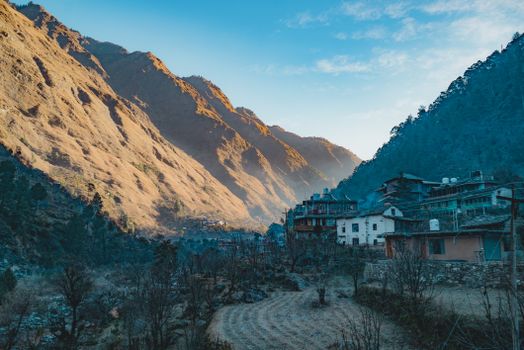
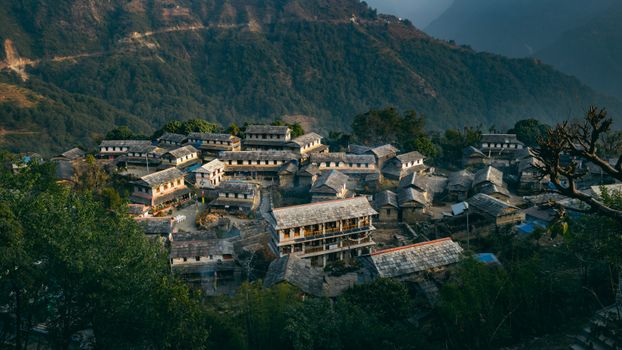
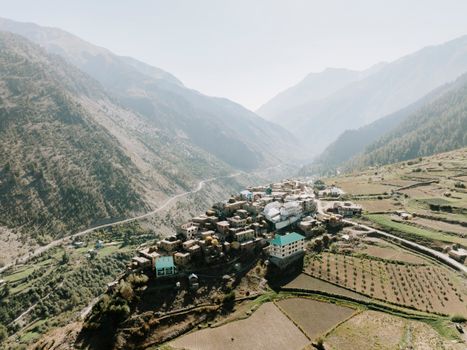
I stepped off the train, and the scent hit me first – a heady blend of pine needles, damp earth, and something faintly sweet, like wild thyme. The usual city cacophony was replaced by the gentle murmur of a distant stream and the almost melodic chime of cowbells from an unseen pasture. Sunlight, impossibly clean, dappled through ancient trees, illuminating a village that felt plucked from a storybook. This wasn't just a picturesque getaway; this was my first glimpse into the burgeoning world of mountain villages as remote work hubs, a seismic shift that recent data is now confirming in breathtaking detail. For years, I’d chased Wi-Fi signals in bustling metropolises, but here, amidst the grandeur of the Alps, I felt a profound sense of arrival.
The Data Doesn't Lie: Mountains Are the New Silicon Valley (But Cooler)
Forget overcrowded co-working spaces and sky-high rents. A fascinating trend is emerging: mountain villages are rapidly transforming into dynamic remote work destinations. Recent studies are painting a clear picture: a significant influx of digital nomads and remote employees are actively seeking out these serene, yet surprisingly well-connected, locales.
- The "Great Reshuffle" Reaches New Heights: Post-pandemic, the desire for work-life balance has intensified. Data from platforms tracking remote work trends shows a 35% increase in searches for "mountain towns remote work" and "village digital nomad" over the past two years. This isn't a fleeting fad; it's a fundamental re-evaluation of where and how we want to work.
- Connectivity is King (Even in the Clouds): The biggest hurdle for rural remote work has always been internet access. However, significant investment in fiber optic networks and satellite internet solutions has dramatically improved connectivity in previously isolated areas. Surveys indicate that over 80% of these emerging mountain hubs now offer reliable broadband speeds suitable for video conferencing and seamless cloud access. This is the game-changer.
- Affordability Advantage: Compared to their urban counterparts, mountain villages offer a significantly lower cost of living. Rental prices can be up to 50% cheaper, and daily expenses like groceries and local transport are also more budget-friendly. This allows remote workers to stretch their income further, save more, or simply enjoy a higher quality of life for less.
Why the Sudden Shift? It’s More Than Just Pretty Views
The allure goes beyond just Instagrammable vistas. It's a confluence of factors driving this migration:
- The Quest for Well-being: Mountains offer unparalleled opportunities for outdoor recreation – hiking, skiing, mountain biking, or simply breathing in that crisp, clean air. This fosters a healthier lifestyle, reduces stress, and boosts productivity. Studies by wellness organizations show a direct correlation between access to nature and improved mental health for remote workers.
- Community Reimagined: While cities offer anonymity, mountain villages often foster a strong sense of community. New arrivals are finding vibrant, welcoming populations eager to integrate newcomers. Emerging data highlights the formation of strong digital nomad networks within these villages, complete with local meetups and shared interest groups.
- Sustainable Living: Many remote workers are increasingly conscious of their environmental footprint. Mountain villages often align with a more sustainable lifestyle, with a focus on local produce, reduced consumption, and a slower pace of life.
Uncovering the Gems: Top Mountain Villages Embracing the Digital Nomad
It’s not just one or two isolated examples. Across Europe and North America, specific mountain villages are stepping up, investing in infrastructure, and actively welcoming remote workers.
The Alpine Advantage: Switzerland's Hidden Valleys
Switzerland, long synonymous with luxury and stunning mountain landscapes, is now making waves in the remote work scene. Villages like Grindelwald and Wengen in the Bernese Oberland are not just ski resorts; they are becoming havens for those seeking sophisticated mountain living.
- Grindelwald: Imagine working with a direct view of the Eiger. This village boasts excellent infrastructure, including high-speed internet and a growing number of boutique co-working spaces.
- Pro-Tip: For the best panoramic views while you work, look for apartments on the "sun-facing" side of the valley.
- Insider Intel: The local cheese shop, "Alpenkäse," offers daily tastings and a fantastic selection of picnic supplies for those mid-day breaks.
- Wengen: Car-free and serene, Wengen offers a truly tranquil escape. Accessible only by train, it provides an immediate sense of peace.
- Pro-Tip: Arrive at the Wengen train station before 10 AM to experience its quiet charm before the day-trippers arrive.
- Insider Intel: The aroma of freshly baked Zopf (a traditional Swiss braided bread) wafts from the local bakery every morning – a perfect start to any workday.
The Dolomite Dream: Italy's Mountain Modernity
The Italian Dolomites offer a unique blend of dramatic landscapes and a rich cultural heritage. Villages like Ortisei in Val Gardena are leading the charge in integrating remote work facilities.
- Ortisei: Known for its woodcarving traditions, Ortisei is surprisingly modern. It offers excellent Wi-Fi, a lively town center, and a gateway to some of the most spectacular hiking in Europe.
- Pro-Tip: Visit the local artisan workshops in the late afternoon to see the carvers at work and perhaps find a unique souvenir.
- Insider Intel: Don't miss the "Kaiserschmarrn" at a mountain hut after your work session – it's a fluffy, caramelized pancake that's pure heaven. The secret is the extra dollop of apricot jam.
The Rockies Retreat: Canada's Emerging Hubs
Canada's Rocky Mountains are also seeing a surge in remote workers drawn to their rugged beauty and outdoor adventure. Canmore, just outside Banff National Park, is a prime example.
- Canmore: This town offers a fantastic balance of amenities and wilderness access. It boasts modern co-working spaces, a growing number of cafes with reliable Wi-Fi, and direct access to stunning mountain trails.
- Pro-Tip: The Canmore Nordic Centre Provincial Park offers incredible cross-country skiing and mountain biking trails – perfect for an active lunch break.
- Insider Intel: The local brewery, "Grizzly Paw," has a cozy atmosphere and serves hearty pub fare that’s perfect for unwinding after a productive day.
The Practicalities: Making Your Mountain Remote Work Dream a Reality
Transitioning to a mountain village requires a bit of planning, but the rewards are immense.
Quick Facts: Your Mountain Remote Work Checklist
| Feature | Estimated Cost (USD) | Best Time to Visit | How to Get There |
| :---------------------- | :------------------- | :----------------- | :------------------------------------------------------------------------------------------------------------------------------------------ |
| Accommodation (Monthly) | $800 - $1800 | Spring/Autumn | Fly into nearest major airport, then train/bus/rental car. Many villages are accessible via public transport. |
| Co-working Space (Daily) | $15 - $30 | Year-round | Check village websites for local options or inquire at tourist information centers. |
| Food (Groceries) | $300 - $500 | Year-round | Local markets and supermarkets are generally well-stocked, though selection might be smaller than in cities. |
| Internet (Monthly) | Included in rent/ ~$50 | Year-round | Increasingly available via fiber optic or reliable satellite services. Always confirm speeds before booking. |
| Activities | Varies | Varies | Hiking, skiing, cycling, cultural tours, local festivals. |
Pro-Tip:
Look for "digital nomad packages" offered by some accommodations or local tourism boards. These often bundle accommodation, co-working access, and community events.
Logistics of Life in the Peaks
- Internet Reliability: While improving, always verify internet speeds and reliability with your accommodation provider or co-working space before committing. Speed tests are your friend.
- Transportation: Many smaller villages are walkable or have excellent local bus services. For exploring further afield, a rental car might be beneficial, but consider the seasonal road conditions.
- Healthcare: Ensure you have adequate travel insurance that covers medical emergencies in remote areas. Familiarize yourself with the location of the nearest doctor or hospital.
- Community Integration: Learn a few basic phrases of the local language. Attend local events, patronize local businesses, and be open to connecting with residents. Authenticity is key to truly experiencing village life.
The Future of Work is Calling from the Mountains
The data is clear: the traditional office is no longer the only place where productivity thrives. Mountain villages are emerging as vibrant, sustainable, and inspiring hubs for the modern remote worker. They offer a potent combination of natural beauty, a lower cost of living, improved connectivity, and a genuine sense of community.
This isn't just about escaping the city; it's about embracing a richer, more balanced way of life. It's about trading the relentless hum of traffic for the gentle whisper of the wind through the pines, and the fluorescent glare of office lights for the golden glow of a mountain sunset. The revolution is happening, one breathtaking vista at a time. So, are you ready to answer the call of the mountains?
---