The High-Altitude Shift: Why Mountains Are the New Beaches
I stepped off the narrow-gauge Rhodope railway train in Bansko, Bulgaria, and the first thing that hit me wasn't the crisp, sub-zero Balkan air. It was the rich, earthy scent of burning pine wood mixed with the savory aroma of kapama—a slow-cooked pork and sauerkraut stew bubbling away in clay pots down the street.
It was 4:00 PM on a Tuesday. Instead of the usual rush-hour sirens of London or Berlin, the only sounds were the crunch of dry snow under my boots and the distant, rhythmic hum of mechanical keyboards coming from an open-windowed stone tavern.
```
[The Beach Nomad Era] --> [The Alpine Nomad Era]
- Glare on screens - Crisp mountain air & clear views
- Sticky, humid air - Thermal baths & wood-fired saunas
- Transient party crowds - Community-driven, focused builders
```
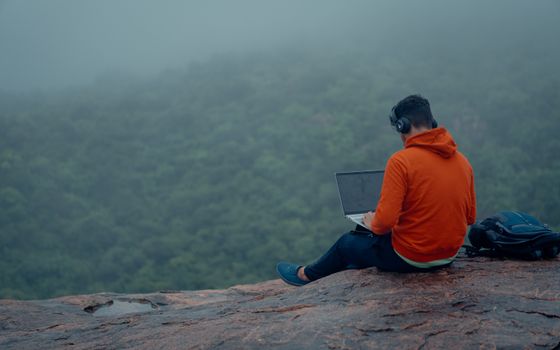
For years, the digital nomad playbook was predictable: fly to Bali, rent a scooter, drink coconuts, and complain about the Wi-Fi. But a quiet migration is happening. Creative professionals, software engineers, and founders are trading humid coastal plains for rugged peaks.
Why? Because mountain towns offer something tropical beaches rarely can: deep focus, crisp air, seasonal sports, and highly organized, community-centric coliving spaces.
But not every mountain village is ready for your 9:00 AM Zoom calls. To separate the true remote work havens from the dead zones with dial-up speeds, I spent months living, working, and hiking through Europe’s rising alpine hubs. Here is the honest, unfiltered truth.
---
1. Bansko, Bulgaria: The Bootstrapped Nomad’s Alpine Mecca
If you’ve spent more than five minutes researching remote work, you’ve heard of Bansko. Once a sleepy Bulgarian ski resort known mostly for cheap lift passes and half-finished apartment blocks, it has transformed into the undisputed capital of European digital nomad culture.
```
+-----------------------------------------------------------------+
| BANSKO AT A GLANCE |
| - Internet Speed: 100 - 300 Mbps (symmetric fiber) |
| - Key Spaces: Coworking Bansko, Altspace, Nestwork |
| - Vibe: Community-heavy, entrepreneurial, budget-friendly |
+-----------------------------------------------------------------+
```
The Infrastructure and Vibe
Bansko’s magic lies in its community, originally ignited by Coworking Bansko. The town has a flat 10% income tax rate (for those who establish residency), an incredibly low cost of living, and a social calendar packed with board game nights, hot spring runs to nearby Banya, and backcountry ski trips.
The architecture is an eccentric mix of grand stone-and-timber houses from the Bulgarian National Revival era and slightly weathered post-Soviet apartment complexes. Walk through the old town, and you’ll dodge free-roaming street cats while walking alongside developers building the next big Web3 project.
The Realities & Downside
Let's be honest: Bansko in the winter has an air quality issue. Because many locals still heat their homes using wood and coal, a thick layer of smog can settle over the valley on cold, windless days. If you have sensitive lungs, pack an air purifier or plan your visit for the spectacular, crystal-clear summer and autumn months.
> Pro-Tip: Skip the long, agonizing queue at the main Gondola station at 8:30 AM. Instead, walk to the parking lot behind the base station and grab a shared shuttle taxi for 10 BGN (~$5 USD). It gets you to the top tracks in 20 minutes flat, saving you hours of standing in the cold.
---
2. Briançon, France: Sun-Drenched Fortress Living in the Hautes-Alpes
Perched at 1,326 meters in the French Alps, Briançon is the highest city in France, but it feels like a medieval village frozen in time. Surrounded by 18th-century fortifications designed by the famous military architect Vauban, this UNESCO World Heritage site is now home to a thriving community of outdoor-loving remote workers.
```
+-----------------------------------------------------------------+
| BRIANÇON AT A GLANCE |
| - Internet Speed: 200 - 500 Mbps (Fiber-to-the-home) |
| - Key Spaces: Cloud Citadel Coliving |
| - Vibe: Active, historic, French alpine charm |
+-----------------------------------------------------------------+
```
The Infrastructure and Vibe
The beating heart of Briançon’s remote work scene is Cloud Citadel, a beautifully renovated coliving space housed in a former military building. Here, your lunch break consists of stepping out of the stone-walled workspace and immediately climbing up to the historic Fort des Têtes or skiing down the slopes of the Serre Chevalier valley.
Briançon boasts over 300 days of sunshine a year. The local culture is fiercely active; if you aren't skiing, trail running, or gravel biking, you’ll find yourself in the minority.
The Realities & Downside
The cobblestone streets of the Cité Vauban (the old town) are incredibly steep and can turn into absolute sheets of ice during winter. If you aren't wearing shoes with decent grip, you will slip. Additionally, many local restaurants close during the shoulder seasons (May and November), leaving you with limited dining options.
> Pro-Tip: For the ultimate midday break, walk down the Grande Rue (locally known as la Gargouille because of the medieval water channel running down its center) and grab a freshly baked tourte de seigle (traditional rye bread) at Boulangerie Allemand. Eat it warm on the steps of the Notre-Dame-et-Saint-Nicolas church.
---
3. LAAX, Switzerland: High-Design and High-Speed for the Premium Professional
If your budget is a bit more flexible and you appreciate sleek Swiss design and world-class snowboarding, LAAX is the gold standard of mountain work hubs.
```
+-----------------------------------------------------------------+
| LAAX AT A GLANCE |
| - Internet Speed: up to 1 Gbps |
| - Key Spaces: Bridge Coworking, rocksresort |
| - Vibe: Premium, design-forward, freestyle snowboard culture |
+-----------------------------------------------------------------+
```
The Infrastructure and Vibe
LAAX has consciously positioned itself as a tech-forward mountain destination. The Bridge coworking space, located right at the base station in Mulin, offers ergonomic Herman Miller chairs, soundproof phone booths, and high-speed connections that would make Silicon Valley offices jealous.
The crowd here is a mix of tech founders, creative directors, and professional freestyle snowboarders. The architecture is ultra-modern, featuring minimalist exposed concrete, local larch wood, and clean geometric lines.
The Realities & Downside
Switzerland is notoriously expensive. A simple lunch of Capuns (a traditional Swiss dish of chard leaves stuffed with spätzle dough and dried meat) and a coffee can easily run you $40 USD. If you're bootstrapping a startup, this is not the place to do it.
> Pro-Tip: You don't have to work from the valley. Grab your laptop and take the cable car up to the Crap Sogn Gion mountain station at 2,252 meters. The station features a designated high-speed workspace with panoramic windows overlooking the snowpark. It is easily one of the most inspiring places on earth to send emails.
---
4. Ordino, Andorra: The Pyrenean Safe Haven
Andorra is a tiny, mountainous principality sandwiched between France and Spain. While its capital, Andorra la Vella, is a bustling, duty-free shopping hub, the parish of Ordino has retained its quiet, rustic Pyrenean charm while quietly becoming a haven for remote workers.
```
+-----------------------------------------------------------------+
| ORDINO AT A GLANCE |
| - Internet Speed: 1 Gbps (Andorra has 100% fiber coverage) |
| - Key Spaces: Mountain Coworking, local cafes |
| - Vibe: Peaceful, pristine, tax-efficient |
+-----------------------------------------------------------------+
```
The Infrastructure and Vibe
Andorra has a massive technological advantage: it was one of the first countries in the world to install fiber-optic internet in 100% of its territory. Even if you rent a 300-year-old stone borda (traditional barn) high up in the valleys of Ordino, you will get symmetrical gigabit speeds.
The village of Ordino itself is stunning, characterized by slate-roofed stone houses, window boxes overflowing with red geraniums, and narrow alleys that lead directly to mountain trailheads.
The Realities & Downside
Andorra is not part of the EU or the Schengen Zone, which makes visa logistics slightly different (though they do offer a highly attractive passive residency and active digital nomad visa program). Public transport within the valley can be slow and infrequent; you’ll definitely want to rent a car if you plan to explore the surrounding peaks.
> Pro-Tip: Skip the crowded mountain restaurants for lunch. Instead, hike 20 minutes up the Ruta del Ferro (Iron Route) to the tiny village of Llorts and eat at Era de la Cortinada. Order the trinxat—a local Pyrenean dish made of mashed potatoes, cabbage, and crispy salt pork.
---
5. Cortina d’Ampezzo, Italy: Dolomite Drama Meets Italian Dolce Vita
The Dolomites are arguably the most visually striking mountains on earth, with their vertical pale limestone walls glowing pink during sunset (a phenomenon locals call enrosadira). Cortina, historically the playground of the Italian elite, is undergoing a quiet shift to accommodate the modern remote worker.
```
+-----------------------------------------------------------------+
| CORTINA AT A GLANCE |
| - Internet Speed: 100 - 200 Mbps |
| - Key Spaces: Cortina Digital Academy, local luxury colivings |
| - Vibe: Elegant, dramatic scenery, culinary-focused |
+-----------------------------------------------------------------+
```
The Infrastructure and Vibe
Cortina is gearing up to host the 2026 Winter Olympics, which has triggered a massive influx of public funding to upgrade its digital infrastructure. High-speed fiber-optic connections are now standard in most central apartments.
The lifestyle here is unbeatable. You can spend your morning drafting proposals on high-speed Wi-Fi, your lunch break skiing the iconic Faloria slopes, and your evening enjoying a glass of local Lagrein wine paired with fresh casunziei (beetroot-filled pasta topped with poppy seeds and melted butter).
The Realities & Downside
During the peak summer (August) and winter (Christmas to February) seasons, Cortina becomes incredibly crowded and expensive. Traffic on the single-lane roads leading into the valley can grind to a halt, and booking a desk or apartment requires planning months in advance.
> Pro-Tip: Avoid the noisy tourist cafes on the main Corso Italia pedestrian street. Head instead to Bar Sport at 7:30 AM. It’s where local mountain guides gather for their morning espresso. Grab a corner table, order a macchiato and a fresh cornetto alla crema, and enjoy the quietest, fastest internet hour of the day.
---
The Logistics Playbook: Comparing the Hubs
To help you plan your transition from sea level to the summits, here is a direct, data-backed comparison of these five rising mountain hubs.
| Destination | Est. Monthly Cost ($ USD) | Best Time to Visit | Primary Airport Hub | Internet Reliability |
| :--- | :--- | :--- | :--- | :--- |
| Bansko, Bulgaria | $1,200 - $1,800 | June to October (Summer) / Jan to March (Skiing) | Sofia Airport (SOF) - 2 hours by car | Exceptional (Dedicated backup lines in most coworking spaces) |
| Briançon, France | $2,200 - $3,200 | June to September / January to April | Turin Airport (TRN) - 1.5 hours by car | High (Fiber is widely deployed in the historic center) |
| LAAX, Switzerland | $4,500 - $6,500 | January to April (Snowboarding) | Zurich Airport (ZRH) - 1.5 hours by train/bus | Flawless (Swiss precision infrastructure) |
| Ordino, Andorra | $2,500 - $3,500 | May to October / January to March | Barcelona El Prat (BCN) - 3 hours by bus | Exceptional (100% fiber country-wide coverage) |
| Cortina, Italy | $3,000 - $4,500 | September to October (Golden Autumn) / Jan to March | Venice Marco Polo (VCE) - 2 hours by bus | Moderate to High (Rapidly improving for the 2026 Olympics) |
---
What to Pack for an Alpine Workation
Working from a mountain village requires a slightly different gear set than working from a beach shack in Koh Phangan. Here are the non-negotiables:
- A Solid Laptop Stand & Ergonomic Keyboard: Mountain cafes often have rustic, uneven wooden tables. A portable setup like the Roost Stand will save your neck.
- Merino Wool Layers: The temperature in the mountains can drop by 15°C (27°F) the moment the sun dips behind a peak. Merino wool keeps you warm without holding onto odors, meaning you can go straight from a hike to a video call.
- Microspikes / Crampons: If you are traveling in winter, keep a pair of slip-on rubber microspikes in your laptop bag. They take up zero space and prevent embarrassing slips on icy cobblestone streets.
- A Matte Screen Protector: The alpine sun is incredibly bright. If you want to work outside on a wooden balcony, a high-quality matte screen protector is essential to cut down glare.
---
The Verdict: Which Village is Right for You?
The era of the beach-only digital nomad is drawing to a close. As remote workers prioritize focus, health, and outdoor activity over cheap cocktails and humid climates, mountain villages are stepping up to provide the infrastructure they need.
- If you are bootstrapping, love community, and want your dollar to stretch, book a one-way ticket to Bansko.
- If you want sun-drenched historical charm, incredible food, and steep lines, head to Briançon.
- If you have the budget and want to ride the best snowparks in Europe with elite tech infrastructure, choose LAAX.
- If you want total safety, pristine nature, and blazing-fast fiber internet in every valley, make Ordino your home.
- If you want dramatic mountain vistas, world-class food, and classic Italian style, base yourself in Cortina.
Whichever you choose, just remember to close your laptop when the sun hits the peaks. The mountains are calling, and unlike the beach, they don't require you to brush sand out of your charging port.
---