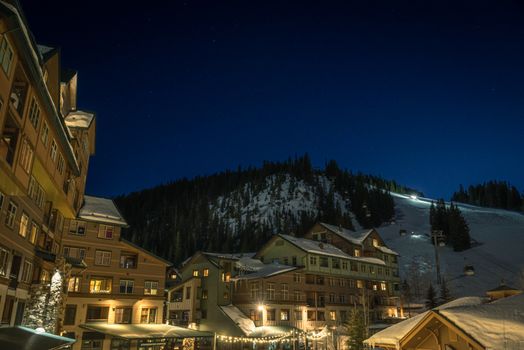
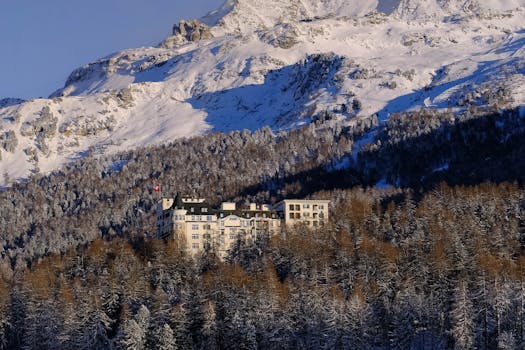
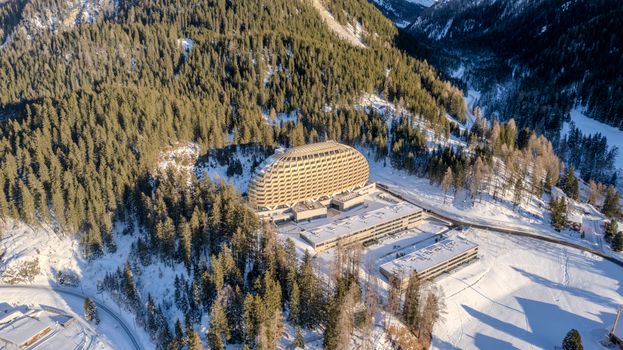
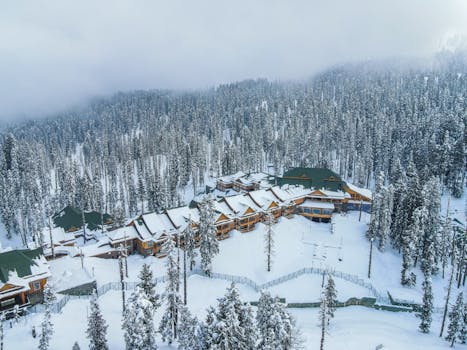
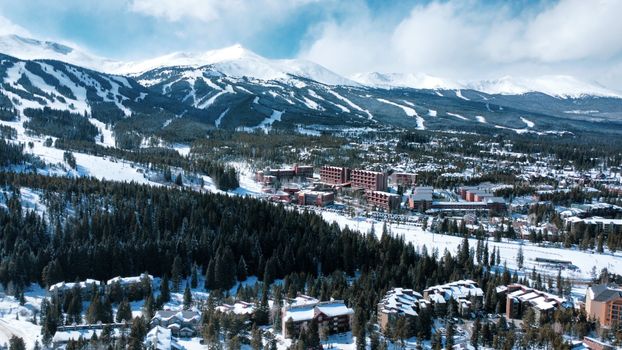
Aspen is often cited as a model for the mountain resort town, combining skiing, arts, dining and a compact historic centre. Many other mountain towns offer some of the same qualities, often with different costs, crowd levels and atmospheres. Some are established resorts, while others are smaller communities that have developed tourism gradually. Comparing them is easier when you use clear criteria rather than relying on reputation or social media images. This guide explains the factors that matter most and how to research mountain towns before you visit or consider relocating.
Defining what Aspen-style appeal means
Different travelers mean different things by an Aspen-style town. For some, it is the ski access and high-end amenities. For others, it is the cultural calendar, galleries, live music and restaurants. Others value a walkable historic centre, a small-town feel and easy access to hiking and cycling in summer. Write down your priorities before comparing destinations. You may find that a mid-sized town with excellent transport meets your needs better than a famous name with heavy crowds.
Access, transport and airports
Mountain towns can be reached in different ways, and access often shapes the experience. Some have regional airports with seasonal flights, while others require a long drive or train connection. Check the frequency of services in both winter and summer, as flight schedules and road conditions can change. Consider how easy it is to get around once you arrive, including whether a car is essential, whether free or local shuttle buses operate and how parking works in busy seasons.
Seasons and their effects
Mountain towns are shaped by their seasons. Winter often brings skiing and snow sports, which can increase prices and crowds. Summer may bring hiking, cycling, festivals and outdoor concerts. Shoulder seasons can be quieter and more affordable, but some services may close for maintenance or seasonal breaks. Look at how the town functions across the full year, particularly if you are considering a longer stay.
Costs, housing and community
Accommodation in popular mountain towns can be expensive, and short-term rentals may limit availability for residents. Local workers often face high housing costs and long commutes, which can affect community life. When comparing towns, look at the mix of long-term residents, seasonal workers and visitors, and consider how local services are funded and staffed. Being a considerate visitor or resident means respecting local priorities and avoiding excessive pressure on infrastructure.
Outdoor access and safety
Mountain environments bring specific safety considerations. Avalanche risk, changing weather, altitude and remote trails all require preparation. Check local avalanche advisories and guidance from mountain rescue services, and do not assume that resort-area trails are managed for all conditions. Ensure you have appropriate clothing, navigation tools and knowledge of your routes. Consider taking a lesson or guided session if you are new to skiing, snowshoeing or backcountry travel.
Researching destinations carefully
Use a range of sources to compare towns. Official tourism websites and municipal planning documents can provide information about services, events and development. Local newspapers and community groups can reveal recent issues, such as housing debates or infrastructure projects. Independent travel reviews and visitor surveys may offer additional perspective, though they should be read critically. Visiting in different seasons, if possible, will give the clearest picture of daily life.
Practical tips
- List your priorities, such as skiing, culture, dining, hiking or budget, and score each town against them.
- Check transport options in both winter and summer, including road closures and seasonal flights.
- Look at accommodation availability and typical seasonal price ranges on current booking platforms.
- Review avalanche and weather advisories from official sources before any winter outdoor activity.
- Visit in at least one shoulder season to see the town at a quieter time.
Common mistakes to avoid
Choosing a town mainly for its reputation is an easy error, since a famous name can come with crowds and prices that do not match your plans. Visiting only in peak season can give a distorted view of daily life, which may be far quieter in other months. Many travelers also assume that a mountain town offers the same services year-round, when clinics, shops or buses may reduce their hours. Underestimating drive times on winter roads is another frequent problem, as is booking accommodation far from the services you plan to use. Some visitors overlook the local workforce entirely and then find that restaurants or lifts are short-staffed. Finally, relying on promotional images can hide practical issues such as road noise, limited parking or steep walking routes between the centre and the lodging.
Who this suits and who it doesn't
A mountain town with an Aspen-style character suits people who enjoy a combination of outdoor activity, cultural events and good dining, and who can accept higher costs in return. Those who want a walkable centre with a lively calendar may find it rewarding, particularly if they plan to stay several days. It is less suitable for people who want quiet, low-cost living, for those who depend on frequent public transport, and for anyone who finds crowded resorts stressful during holiday periods. Travelers who are new to snow sports may prefer a town with good instruction and gentle terrain, while experienced skiers might value more challenging routes. Remote workers or prospective residents should research housing and community life in detail before deciding that a town fits their long-term needs.
Frequently asked questions
Does a famous name guarantee a better trip?
No. A reputation reflects a particular audience and period, so it may not match your priorities.
How many towns should I compare?
Two or three is often enough for a focused decision. Score each on your top priorities, then visit the strongest candidate.
Is a single visit enough to judge a town?
A visit can show atmosphere but rarely shows the winter or off-season reality. Return in another season if the decision matters.
Mountain towns with an Aspen-style appeal vary widely in character, cost and access. Comparing them on clear criteria, such as transport, seasonality, community and outdoor safety, helps travelers and prospective residents make decisions based on evidence rather than reputation. With careful research and respectful behaviour, a mountain town can offer a rewarding balance of nature, culture and comfort.