The Hook: Stepping Into the 22nd Century
I stepped off the hyper-loop tram in Doha’s Msheireb district and immediately halted. Expecting the intense, bone-dry July heat to hit me like a brick wall, I was met instead by a crisp, subterranean cool breeze. Below my leather boots, light-toned travertine stone absorbed zero thermal heat. Above me, sculpted cantilevered roofs threw shade across wide pedestrian lanes, channeling coastal breezes through smart-designed wind towers. The air smelled crisp—a mix of cold ozone, freshly ground cardamom from a nearby third-wave coffee lab, and damp limestone.
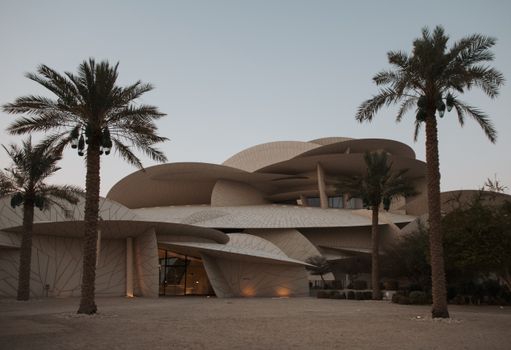
For years, summer travel in the Gulf meant darting between air-conditioned SUVs and mega-malls. But this summer, a quiet revolution is happening across Saudi Arabia, Qatar, and the UAE. A new breed of ultra-modern, eco-futuristic infrastructure is shifting the paradigm. We are witnessing a seismic pivot toward biophilic urban planning, architectural optical illusions, and hyper-modern artistic enclaves that make parts of Europe look stuck in the 20th century.
If you want to experience the future before the rest of the world catches on, pack your linen suits and high-protection sunblock. Here is how modern Middle Eastern innovation is completely rewriting the summer travel playbook.
---
1. Doha’s Msheireb Downtown: The World’s First Sustainable Regeneration District
Forget concrete jungles. Msheireb Downtown Doha is an absolute masterclass in neo-traditional urban planning. Instead of building taller, Qatar built smarter. The entire 31-hectare district is designed around passive cooling principles drawn from ancient Arabian architecture, scaled up with modern engineering.
Walking through the streets, you will notice the buildings are clustered closely together to generate natural shading. More than 6,400 solar panels are integrated into the building facades and rooftops, powering an underground network that moves waste, water, and logistics out of sight.
```
[Sunlight/Heat]
│
▼
┌─────────────────────┐ <-- Solar-paneled roofs generate energy
│ Cantilevered Canopy │ <-- Blocks direct sunlight, creates deep shade
└──────────┬──────────┘
│
┌──────────▼──────────┐
│ Travertine Walkways │ <-- Reflects heat, chilled by underground airflow
└─────────────────────┘
```
What Surprises Visitors Most
The sheer walkability in mid-summer. The district utilizes underground cold-air induction vents alongside barjeel (traditional wind towers) fitted with industrial cooling coils. You can comfortably sip a cold brew outside at 11:00 AM while temperatures elsewhere reach triple digits.
- Architectural Detail: Look closely at the window screens. They aren't decorative plastic; they are hand-milled, geometric bronze mashrabiya panels configured via algorithmic software to maximize light while completely blocking radiant heat.
- Pro-Tip: Head to Cafe 999 inside the Fire Station annex at 8:00 AM. Order the saffron-infused iced latte, then walk to the underground entrance of the Msheireb Tram located next to the Mandarin Oriental. The tram is completely free, driverless, and fully climate-controlled.
---
2. AlUla’s Maraya: An Optical Mirage in the Ashar Valley
Rising out of the crimson sandstone canyons of Saudi Arabia’s Ashar Valley sits Maraya—the world’s largest mirrored building. Covered in 9,740 custom-built, heat-resistant glass panels designed to withstand extreme desert expansion, this structure is a brilliant testament to architectural camouflage.
From a distance, the 500-seat concert hall and art space disappears entirely into the surrounding cliffs. As you approach, the desert dances across its mirrored walls, creating an eerie, surreal landscape where ancient geological formations meet hyper-sleek structural minimalism.
```
+-----------------------------------------------------------+
| PRO-TIP: ACCESSING MARAYA |
| Access to the interior of Maraya is strictly controlled |
| to protect the valley's ecosystem. |
| |
| 1. Secure a dining reservation at Maraya Social (run by |
| Michelin-starred chef Jason Atherton) 3 weeks ahead. |
| 2. Arrive precisely at 5:15 PM during golden hour. |
| 3. Drive up via the south gate; present your digital QR |
| code to bypass the security check. |
+-----------------------------------------------------------+
```
What Surprises Visitors Most
The temperature shift inside. The building acts as a massive thermal barrier; inside, the air-handling systems maintain a cool 20°C (68°F), housing world-class contemporary art exhibitions, private galleries, and a rooftop restaurant serving citrus-glazed lamb with local dates.
- Insider Secret: Stand at the southeast corner of the building right as the sun dips below the canyon rim. The transition from golden reflections to deep indigo shadows happens in less than six minutes, offering an incredible photography opportunity.
---
3. Riyadh’s VIA Riyadh: Neo-Najdi Aesthetics Meet High-Tech Luxury
Riyadh is undergoing one of the fastest urban transformations on Earth. While project mega-developments like NEOM capture headlines, VIA Riyadh is where hyper-luxury modernity meets tangible reality right now.
Built using Salmani architecture—a design language that pairs ancient Najdi mud-brick motifs with sleek cantilevered stone and glass—this complex feels like a futuristic oasis. It features a subterranean luxury cinema complex with plush velvet recliners, personal butler service, and private dining rooms curated by internationally renowned chefs.
```
Ancient Najdi Design Hyper-Modern Infrastructure
┌───────────────────────────────┐ ┌───────────────────────────────┐
│ • Mud-brick color tones │ │ • Subterranean climate zones │
│ • Geometric triangular cuts │ + │ • Acoustic dampening stone │
│ • Heavy timber accents │ │ • Smart lighting algorithms │
└───────────────────────────────┘ └───────────────────────────────┘
│
▼
[ SALMANI ARCHITECTURE ]
```
What Surprises Visitors Most
The acoustic engineering. Despite being adjacent to one of Riyadh’s busiest arterial roads, the interior courtyards of VIA Riyadh are dead silent. Sound-dampening waterfalls, layered travertine walls, and acoustic canopy installations create a calm, subterranean micro-climate.
- The Local Flavor: Skip standard espresso and head straight to Over Jar. Order the cardamon-cardamom iced soft serve topped with crushed pistachios and warm date molasses.
- Pro-Tip: Book a ticket for an evening screening at the Indulgence Cinema. The venue entrance is concealed behind a faux art gallery wall near the main valet bay.
---
4. Sharjah’s House of Wisdom: The Digital Oasis of the UAE
While neighboring Dubai pushes for altitude records, Sharjah is leaning heavily into ultra-modern cultural spaces. Designed by the renowned architectural firm Foster + Partners, the House of Wisdom redefines what a 21st-century library and community hub can be.
The building features a massive, floating roof cantilevered 15 meters over transparent glass facades. Outside, a futuristic 36-meter high sculpture called The Scroll spins gracefully into the sky like a modern minaret. Inside, human librarians work alongside high-speed book-printing robots.
```
┌─────────────────────────────────────────────────────────────┐
| HOUSE OF WISDOM: THE HIGHLIGHTS |
├─────────────────────────────────────────────────────────────┤
| • The Scroll Sculpture: 36m laser-cut steel spiral |
| • Book-on-Demand Machine: Prints & binds books in 5 mins |
| • Suspended Pods: Private, soundproof air-conditioned spaces |
| • Biophilic Courtyard: Indoor fig & olive trees |
└─────────────────────────────────────────────────────────────┘
```
What Surprises Visitors Most
The zero-gravity feel of the space. The roof is supported by almost invisible steel columns, giving the impression that a giant shade canopy is floating mid-air. Indoors, fully air-conditioned, glass-enclosed courtyards house native fig and olive trees, blurring the line between nature and hyper-modern interior design.
- Pro-Tip: Rent one of the suspended private reading pods on the upper level via the House of Wisdom app. They feature touch-screen controls for micro-lighting, ambient white noise, and climate settings.
- How to Get There: It’s a 20-minute drive from Dubai International Airport (DXB). Take an Uber Comfort straight down the E11 highway; cross the border into Sharjah before 10:00 AM to miss morning commuter traffic.
---
5. Dubai’s Eco-Futurism: Terra at Expo City & Museum of the Future
Dubai’s shift toward sustainable, eco-futuristic spaces is best experienced at Terra (The Sustainability Pavilion) in Expo City. Topped with a 130-meter-wide canopy covered in 1,055 solar panels, Terra is designed to be entirely self-sufficient for energy and water.
Surrounding the main pavilion are 18 "Energy Trees" (e-trees) that rotate throughout the day to track the sun, generating off-grid power while throwing massive geometric shadows across the pedestrian gardens below.
```
[ 130m Wide Solar Canopy ]
│
┌─────────────────────┼─────────────────────┐
▼ ▼ ▼
[ 1,055 Solar Panels ] [ Water Recycling ] [ Subterranean Cool Rooms ]
│ │ │
└─────────────────────┼─────────────────────┘
│
▼
[ 100% Net-Zero Self-Sustaining ]
```
What Surprises Visitors Most
The immersive subterranean experience. Below the massive canopy lies a multi-level underground world where visitors walk through recreated subterranean ecosystems, touch deep-sea hydrothermal vents, and experience interactive climate simulations—all while surrounded by chilled concrete walls built using recycled industrial aggregate.
- Insider Tip: Visit Terra at 4:30 PM. The ticket covers entry to the surrounding e-tree gardens, which light up in ambient neon tones right at dusk.
- Nearby Hidden Gem: Stop by Al Wasl Plaza nearby to witness the world's largest 360-degree projection surface in action after sun-down.
---
Logistics & Quick-Facts Blueprint
Plan your itinerary effortlessly using this quick logistics overview:
| Destination | Best Time for Summer Visits | Est. Daily Budget (USD) | Primary Transport | Key Highlight |
| :--- | :--- | :--- | :--- | :--- |
| Msheireb, Doha | 8:00 AM – 11:00 AM / 6:00 PM – Midnight | $150 – $350 | Msheireb Underground Tram | Passive-cooled streets & travertine design |
| AlUla, Saudi Arabia | 5:00 PM – 10:00 PM (Golden Hour) | $400 – $900 | Private SUV / Shuttles | Maraya Mirror Architecture |
| VIA Riyadh, KSA | 7:00 PM – 2:00 AM (Late Night) | $250 – $600 | Careem / Uber Lux | Salmani Modern Architecture |
| House of Wisdom, Sharjah| 10:00 AM – 4:00 PM (Mid-day escape)| $50 – $150 | Car / Taxi from Dubai | Modernist library & The Scroll |
| Expo City, Dubai | 4:00 PM – 9:00 PM | $100 – $250 | Dubai Metro (Red Line) | Terra Solar Canopy & E-Trees |
---
Final Thoughts: Why Summer in the Gulf is Winning Over Travelers
The narrative around summer travel in the Middle East is shifting fast. What used to be considered an off-season hiatus has transformed into a showcase for climate-resilient architecture, high-tech urban planning, and forward-thinking cultural spaces.
By blending ancient, time-tested desert design with cutting-edge materials, engineering, and digital integration, these destinations offer a fascinating look at how cities will adapt to a changing planet. It’s dynamic, visually striking, and full of incredible surprises for those curious enough to explore.
---