The first time I heard the jungle truly wake up, I wasn't in a tent on the forest floor, nor was I tucked away in a comfortable eco-lodge. No, I was suspended thirty feet above the ground, gently swaying in a robust tree tent, the morning mist still clinging to the emerald canopy around me. A chorus of howler monkeys started their guttural calls, quickly joined by the chirps of unseen birds and the buzzing hum of a million insects. I peeled open my eyes to a view that stole my breath – a vibrant tapestry of green stretching as far as the eye could see, bathed in the soft, nascent light of dawn. It was, without a doubt, one of the most profound and exhilarating mornings of my life.
This wasn't just camping; this was canopy camping, an experience that elevates you, quite literally, into the heart of the rainforest. For years, jungle treks have been a staple for adventure seekers, but the latest, most thrilling trend is taking it to the next level: sleeping in the canopy. Forget glamping; this is about full immersion, raw connection, and an unparalleled perspective on one of Earth's most biodiverse ecosystems.
Why is it trending? Because in a world saturated with filtered experiences, this is the real deal. It’s an intimate encounter with nature, a challenge, and a reward all rolled into one. If you're yearning for an adventure that will reset your senses and fill your Instagram feed with envy-inducing shots, then pack your bags (and your courage!) because we're about to explore the most incredible jungle treks where you sleep in the canopy right now.
What Exactly Is Canopy Camping? The Magic Unveiled
At its core, canopy camping means spending the night suspended above the jungle floor. But don't picture a flimsy hammock tied between two trees (unless that's your chosen experience, and some truly are that rustic!). Modern canopy camping has evolved, offering a range of elevated sleeping arrangements that prioritize safety, comfort, and immersion.
The most common setups include:
- Tree Tents (Tentsile-style): These ingenious, portable tents are designed to be suspended between three anchor points (trees). They create a taut, comfortable sleeping platform that keeps you off the damp ground, away from creepy crawlies, and offers incredible panoramic views. They're often surprisingly spacious and come with mosquito netting and waterproof covers.
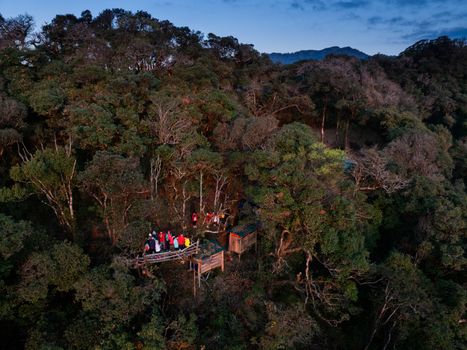
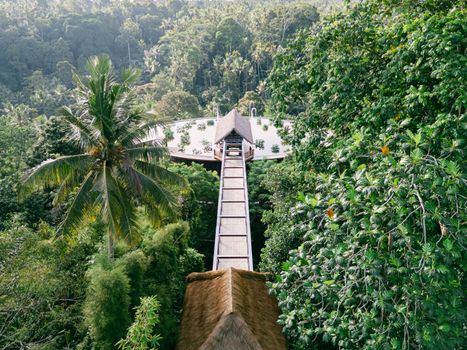
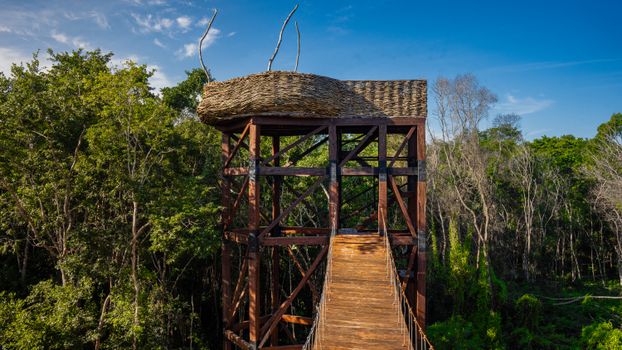
- Suspended Platforms: More permanent or semi-permanent structures, these are sturdy wooden or metal platforms built into the trees, often accessed by rope bridges, ladders, or even ziplines. They can host anything from a simple mattress to a full-blown treehouse-style room.
- Elevated Hammock Camps: For the truly adventurous, some expeditions utilize specialized hammocks with integrated mosquito nets and tarps, suspended high up. This is often part of more remote, deep-jungle expeditions where minimal impact and quick setup are key.
What makes it so magical? It's the symphony of the night – the chirps, croaks, and rustles that become your lullaby. It's the feeling of vulnerability and exhilaration, knowing you're truly a guest in the wild's grandest hotel. And it's waking up to the most spectacular sunrises you'll ever witness, often eye-level with curious monkeys or colorful birds. This isn't just a place to sleep; it's a living, breathing observation deck.
Top Destinations for Your Treetop Adventure (Where to Go Now!)
Ready to swap your bed for a branch? These destinations are currently leading the charge in offering unforgettable canopy camping experiences.
1. The Gibbon Experience, Laos: Zipline into Your Treehouse Dream
- Location: Bokeo Nature Reserve, Huay Xai, Laos (near the Thai border).
- The Experience: This isn't just a trek; it's an aerial ballet. The Gibbon Experience is renowned for its network of ziplines – some stretching over 500 meters – that transport you through the lush canopy. Your accommodation? Gigantic, multi-story treehouses, some of the tallest in the world, built high in ancient trees. You reach them by zipline, and once there, you're rewarded with breathtaking views and the chance to spot the elusive Black Gibbon.
- Why it's trending: It perfectly blends adrenaline-pumping adventure with unique, comfortable canopy sleeping. It's a pioneer in sustainable tourism, directly supporting local communities and gibbon conservation efforts. Plus, imagine telling your friends you ziplined to your bedroom!
- Details: They offer 2-day/1-night and 3-day/2-night packages. Prices typically range from $150-$250 USD per person, including guides, food, and accommodation. Book well in advance, especially during peak season (November-February).
- Tripsora Tip: While the treehouses are sturdy, they are rustic. Expect basic amenities, shared bathrooms (sometimes on the ground or a lower level), and cold showers. Embrace it! The views and the experience are worth every bit of roughing it.
2. Costa Rica: Eco-Luxury & Sustainable Treetop Stays
- Location: Osa Peninsula, Pacuare River, Monteverde Cloud Forest.
- The Experience: Costa Rica, a global leader in eco-tourism, offers various ways to sleep in the canopy. While some are luxurious treehouse lodges, others are part of multi-day adventure treks, particularly along the Pacuare River (famous for whitewater rafting) or deep in the biodiverse Osa Peninsula. Here, you might find operators utilizing advanced tree tents or suspended platforms as part of a guided expedition focused on wildlife spotting, conservation, and adventure activities like rappelling or canyoning.
- Why it's trending: Costa Rica's commitment to sustainability means these experiences often have a strong educational component, focusing on the incredible biodiversity. It’s perfect for those who want adventure with a conscience, and the chance to see sloths, monkeys, and vibrant birds right from your elevated perch.
- Details: Specific operators vary widely. For Pacuare River trips, look for rafting companies that include an overnight stay in a riverside treehouse or elevated platform. In the Osa Peninsula, some eco-lodges offer tree tent experiences as add-ons to multi-day jungle treks. Prices can range from $300-$800+ USD for multi-day packages depending on luxury and activities.
- Tripsora Tip: Look for certified "Bandera Azul Ecológica" (Blue Flag Ecological) operators, ensuring they meet high environmental and safety standards. The Osa Peninsula is particularly wild – be prepared for serious insect repellent!
3. The Amazon Rainforest (Peru/Ecuador): Raw Immersion in the World's Lung
- Location: Pacaya Samiria National Reserve (Peru), Yasuni National Park (Ecuador).
- The Experience: This is where canopy camping gets truly wild and rugged. While luxury lodges with canopy walkways are common, finding genuine sleeping in the canopy experiences often means opting for more specialized, deeper jungle expeditions. Some operators in Peru's Pacaya Samiria, for example, offer multi-day treks where you might sleep in basic suspended hammocks with mosquito nets, or on elevated, open-air platforms, providing a truly raw and immersive experience. In Ecuador, some community-based tourism projects near Yasuni National Park also offer similar rustic canopy options.
- Why it's trending: For the ultimate adventurer, the Amazon offers unparalleled biodiversity and a profound sense of remoteness. Sleeping high above the river, listening to the cacophony of the world's largest rainforest, is a spiritual experience. It’s less about comfort and more about connection.
- Details: These are typically part of 5-7 day jungle expeditions. Prices can range from $800-$2000+ USD, often including transfers from major cities (e.g., Iquitos in Peru, Coca in Ecuador), guides, food, and activities. Research operators meticulously for safety and ethical practices.
- Tripsora Tip: Be prepared for high humidity and heat. Pack light, quick-drying clothing. This is not for the faint of heart; expect basic facilities and an abundance of insects! A good pair of binoculars is non-negotiable for wildlife spotting from your elevated position.
4. Borneo (Malaysia): Wildlife Wonders from Above
- Location: Danum Valley Conservation Area (Sabah, Malaysia), Kinabatangan River region.
- The Experience: Borneo is synonymous with incredible wildlife, particularly orangutans, pygmy elephants, and proboscis monkeys. While luxury treehouses exist, the true "sleep in the canopy" experiences here are often more bespoke, tied to conservation efforts or specific research stations. For instance, in Danum Valley, you might find elevated platforms or basic tree tents available for researchers or very small, specialized tour groups as part of a deeper jungle trek. The focus is on early morning wildlife observation from an unrivaled vantage point.
- Why it's trending: The sheer abundance of unique wildlife makes Borneo a magnet for nature lovers. Sleeping in the canopy here offers an intimate chance to wake up with the forest's most iconic inhabitants, contributing to their preservation through responsible tourism.
- Details: Access to places like Danum Valley can be more challenging and expensive, often requiring internal flights and specific permits. Multi-day treks with canopy sleeping options might cost $1000-$3000+ USD, reflecting the remoteness and conservation efforts.
- Tripsora Tip: Borneo is a prime destination for wildlife photography. Bring a zoom lens! Be aware that leeches are common on jungle treks here, so gaiters or long socks are highly recommended.
Planning Your Ultimate Treetop Escape (Practicalities & Preparation)
Embarking on a canopy camping trek requires careful planning. Here’s what you need to know:
Choosing the Right Operator
This is paramount. Look for:
* Safety Records: What are their emergency protocols? Is their equipment regularly inspected? Are guides certified in first aid and rope techniques?
* Reviews: Check platforms like TripAdvisor, Google Reviews, and travel forums for authentic feedback.
* Sustainability: Do they practice Leave No Trace principles? Do they support local communities and conservation? Avoid operators that exploit wildlife or clear-cut forests.
* Guide Expertise: Experienced, knowledgeable local guides are invaluable for safety, wildlife spotting, and cultural insights.
Fitness Level & Health Considerations
Most canopy treks require a moderate to good level of fitness. You’ll be hiking, potentially climbing ladders or ropes, and navigating uneven terrain. If you have any health conditions, consult your doctor and disclose them to your tour operator. Insect repellent is crucial, and talk to your doctor about necessary vaccinations (e.g., yellow fever) and anti-malarial medication for certain regions.
What to Pack: Essential Gear for Elevated Living
Less is more, but essentials are crucial:
* Lightweight, Quick-Dry Clothing: Long sleeves and pants are best for sun and insect protection. Earth tones blend in better.
* Sturdy Hiking Boots: Broken-in and waterproof.
* Small Backpack: For day trips and carrying essentials to your canopy sleep spot.
* Reusable Water Bottle: Hydration is key! Many operators provide filtered water.
* Headlamp or Small Flashlight: With extra batteries.
* Biodegradable Toiletries: To minimize environmental impact.
* Insect Repellent: High DEET content or natural alternatives like picaridin.
* Sun Protection: Hat, sunglasses, sunscreen.
* Binoculars: For unparalleled wildlife viewing from your treetop perch.
* Camera: With waterproof protection and extra batteries/power bank.
* Small First-Aid Kit: Personal medications, blister treatment, antiseptic wipes.
* Rain Gear: A lightweight rain jacket and pack cover.
* Small, Quick-Dry Towel:
Best Time to Go & Cost Expectations
- Dry Season: Generally preferred for jungle treks as trails are less muddy, and wildlife viewing can be easier (animals congregate around water sources). However, the "wet season" often means fewer tourists, lower prices, and lush, vibrant landscapes, with rain usually coming in intense, short bursts.
- Cost: Canopy camping treks are premium experiences. Expect to pay anywhere from $150-$250 USD per person per night for basic, multi-day experiences (like Gibbon Experience) to $500-$1000+ USD per person per night for more remote, longer, or more luxurious options (like some Amazon or Borneo bespoke tours). This usually includes guides, food, equipment, and permits.
The Experience: From Trek to Treetop (What to Expect)
So, you've planned, packed, and arrived. What happens next?
Your adventure typically begins with a guided trek through the jungle. Your expert guide will point out incredible flora and fauna, teach you about medicinal plants, and share fascinating insights into the ecosystem. The air will be thick with humidity and the scent of damp earth and blooming flowers. You'll hear the rustle of leaves, the distant calls of monkeys, and the constant hum of insect life.
As you near your canopy camp, the excitement builds. Often, there's a final ascent – a ladder climb, a rope system, or even a zipline – to reach your elevated haven. After a thorough safety briefing and getting settled, you'll have time to soak it all in. Watch the sunset paint the canopy in fiery hues, listen as the jungle transforms from day to night, and feel the gentle sway of your tree tent or platform.
Sleeping high above the ground is an experience like no other. The sounds of the jungle at night are amplified, creating a mesmerizing symphony. On clear nights, stargazing from your elevated position, far from light pollution, is simply breathtaking. You'll drift off to sleep feeling utterly connected to the wild.
Waking up is arguably the best part. The morning chorus is often even more vibrant than the night sounds. Imagine sipping a hot coffee (often prepared by your guides) while watching a troop of monkeys swing through the trees at eye level, or spotting a toucan fly past. Days are filled with further exploration – more trekking, wildlife tracking, swimming in pristine rivers, or other adventure activities like rappelling or ziplining. Meals are usually simple, delicious, and locally sourced, often cooked over an open fire.
Beyond the Thrill: The Deeper Connection (Sustainability & Impact)
While the thrill of sleeping in the trees is undeniable, these experiences offer something far more profound: a deeper connection to nature and a powerful lesson in sustainable travel.
- Eco-Tourism at its Best: Reputable canopy camping operators are often at the forefront of eco-tourism. They understand the delicate balance of the rainforest and strive to minimize their footprint. This includes using sustainable building materials, managing waste responsibly, and relying on renewable energy sources.
- Supporting Local Communities: Many of these treks employ local guides, cooks, and porters, providing essential economic opportunities. By choosing these experiences, you're directly contributing to the well-being of communities that often live in harmony with the jungle.
- Conservation Through Awareness: Spending time immersed in the canopy fosters a profound appreciation for these vital ecosystems. You'll learn firsthand about the threats they face and become an advocate for their protection. It’s hard to ignore the importance of conservation when you’ve slept among the very trees that need saving.
- Leave No Trace: Canopy camping inherently promotes Leave No Trace principles. Everything you bring in, you take out. It's a powerful reminder that we are guests in nature's home and must respect it.
This isn't just a vacation; it's an education, an adventure, and a commitment to responsible travel.
Ready to Swap Your Bed for a Branch?
My first canopy camping experience wasn't just a trip; it was a revelation. It taught me about resilience, about the incredible power of nature, and about my own place within it. There’s something truly transformative about stepping outside your comfort zone and embracing the wild in such an intimate way.
The trend of jungle treks where you sleep in the canopy is more than just a fleeting fad; it's a testament to our innate desire for authentic connection and breathtaking adventure. It’s an invitation to experience the jungle not just from the ground, but from its very heart, high among the branches.
Are you ready to trade the drone of city life for the symphony of the rainforest? To wake up to monkeys instead of an alarm clock? To feel the pulse of the jungle beneath you? This is your sign. Start researching, start planning, and get ready for an adventure that will redefine your understanding of travel.
Which canopy dream destination is calling your name? Share your thoughts and tag a friend you'd bring along for this incredible treetop escape!
---