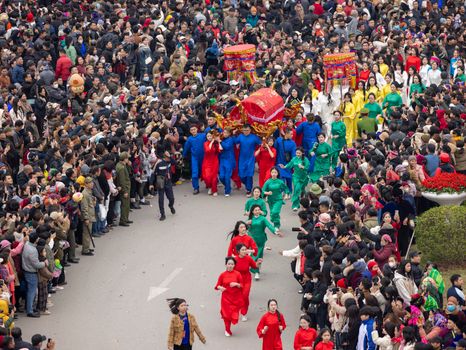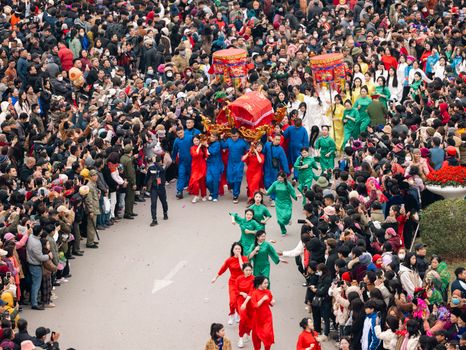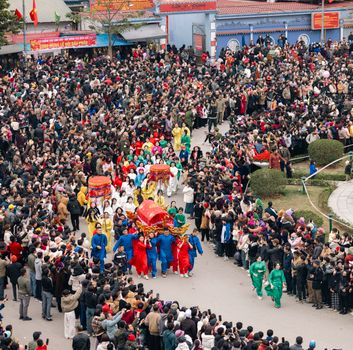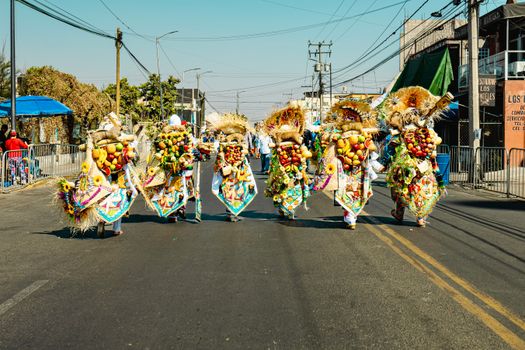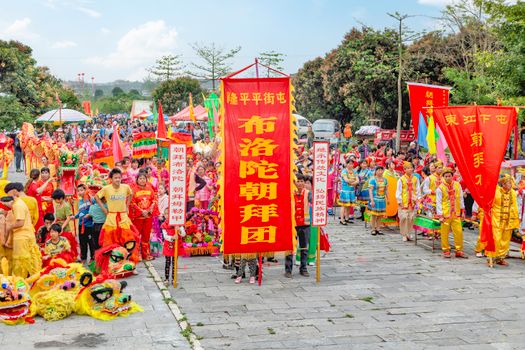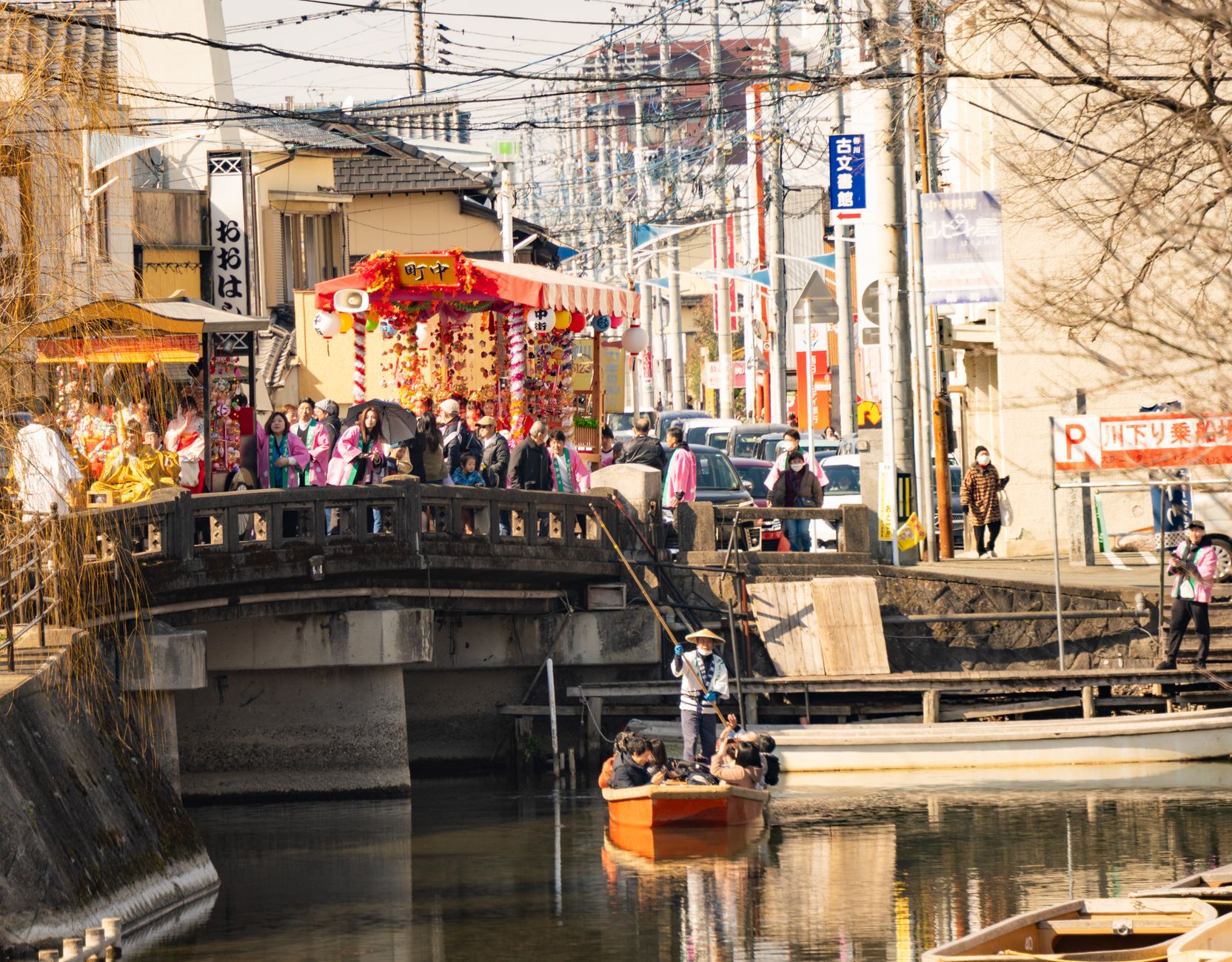
There’s a certain magic to spring, isn't there? The world shakes off winter’s chill, bursting forth in a riot of color and life. For most travelers, spring means cherry blossoms in Japan, tulip fields in Holland, or perhaps the bustling streets of Rome. Beautiful, iconic… and undeniably crowded. But what if I told you there's another spring? A secret spring, celebrated in hidden corners of the world with traditions so ancient, so authentic, they feel like stepping into a living history book?
My journey to uncovering these hidden gems started quite by accident. Years ago, I found myself stranded in a remote Bulgarian village during what I thought was just a layover. Suddenly, the streets erupted with monstrous, fur-clad figures clanging bells, chasing away evil spirits with primal screams. It was the Kukeri Festival, an electrifying spectacle I’d never heard of, a raw, unfiltered slice of culture that changed my entire approach to travel. That day, I realized the most profound experiences aren’t found on the covers of glossy magazines, but in the heartbeats of communities celebrating their heritage, often far from the tourist gaze.
That's the spirit of Tripsora, and it's the spirit of this guide. We're not just about seeing the world; we're about feeling it, living it, breathing it. So, put away your guidebooks, forget the well-trodden paths, and prepare to dive deep into spring festivals so unique, so captivating, that the locals probably wish I wasn’t sharing them with you. But hey, some secrets are just too good not to share, especially when they promise an adventure of a lifetime.
---
1. The Primal Roar of Spring: Kukeri Festival, Pernik Region, Bulgaria
My first "secret" festival remains one of my most vivid memories. I was on a rather aimless road trip through the Balkans, veering off the main highways, when I found myself in a small Bulgarian town near Pernik in late February/early March. The air was thick with anticipation, and then, the drums began.
Suddenly, the streets filled with creatures straight out of a medieval dream. Men, often over six feet tall, adorned in elaborate, shaggy goat hair costumes, their faces hidden behind terrifying wooden masks with horns and long snouts. They wore huge bells strapped to their waists, creating a deafening, rhythmic clang that vibrated through my very bones. This was the Kukeri Festival, an ancient pagan ritual meant to scare away evil spirits and usher in a fertile spring.
I remember standing wide-eyed, a bit intimidated but utterly mesmerized, as these "Kukeri" danced, stomped, and leaped, their movements both grotesque and graceful. They’d playfully "attack" spectators, gently tapping them with their staffs – a blessing of good health and prosperity. The energy was palpable, a mix of primal fear and joyous celebration. Locals offered me homemade rakia (fruit brandy) and banitsa (cheese pastry), sharing stories of their grandfathers who had worn the same masks. It wasn't just a spectacle; it was a deeply ingrained part of their identity.
Why it's a secret:
While the main festival "Surva" in Pernik is somewhat known, countless smaller villages across Bulgaria hold their own Kukeri celebrations, often even more authentic and intimate. These are not tourist-centric events; they are for the community, by the community.
Practical Tips:
* When to Go: Late February to early March. Dates vary slightly each year based on Orthodox Easter and local traditions. Research specific village dates in the Pernik or Stara Zagora regions.
* Getting There: Fly into Sofia (SOF), then rent a car or take a local bus to smaller towns like Breznik or Radomir. Public transport can be infrequent, so a car offers flexibility.
* Accommodation: Expect guesthouses or small family-run hotels. Book well in advance as options are limited. Prices are very reasonable, often €30-€50 per night.
* Blending In: Dress warmly, as it's still cold. Be respectful, ask permission before taking close-up photos (though many are happy to pose). Embrace the local hospitality – accept food and drink offers!
* Instagram Moment: A close-up of a Kukeri mask, or a wide shot of the costumed figures dancing in the village square, bells clanging against a snowy backdrop. #KukeriMagic #BulgarianSecrets
---
2. The Fury and Faith: Bisket Jatra, Bhaktapur, Nepal
After the serene beauty of the Himalayas, I craved something different, something raw. A local guide in Kathmandu whispered about "Bisket Jatra," Bhaktapur’s New Year festival, warning me it was "a bit wild." Intrigued, I took a local bus to the ancient city of Bhaktapur, a UNESCO World Heritage site frozen in time, and arrived just in time for the madness.
Bisket Jatra
, celebrated mid-April (the start of the Nepali New Year), is unlike any other festival. It's not just a celebration; it's a fierce, almost violent, tug-of-war between the eastern and western halves of the city, centered around a massive, multi-tiered chariot. Imagine a wooden chariot, several stories high, being pulled through narrow, ancient streets by hundreds of frenzied devotees. The goal? To pull the chariot into their part of town.
I stood amidst the crowd, pressed shoulder to shoulder with locals, feeling the ground tremble as the chariot lurched forward, then backward. The air was thick with dust, sweat, and the roar of the crowd. Later, the festival culminates with the erection of a towering wooden pole, the Lingo, into a stone yoni. The entire process is a chaotic, exhilarating spectacle of faith, strength, and community spirit. It's loud, it's intense, and it's absolutely unforgettable.
Why it's a secret:
While Bhaktapur itself is a tourist destination, Bisket Jatra is not an event tailored for foreign visitors. It’s a deeply religious and fiercely local affair, attracting pilgrims and devotees from across the Kathmandu Valley, not package tourists. The sheer intensity and lack of "tourist infrastructure" around the event itself keeps many away.
Practical Tips:
* When to Go: Mid-April. The festival lasts for nine days, with the main chariot pulling and Lingo erection on the Nepali New Year's Day.
* Getting There: Fly into Kathmandu (KTM). Bhaktapur is about an hour's drive from Kathmandu, easily accessible by local bus (very cheap, about 50 NPR) or taxi (around 1000-1500 NPR).
* Accommodation: Bhaktapur has charming guesthouses and boutique hotels within its ancient squares, ranging from $30-$80 USD per night. Book well in advance.
* Blending In: Dress modestly. Be prepared for crowds, dust, and a lot of pushing. Keep your valuables secure. Hydrate frequently. Embrace the chaos and the raw energy.
* Instagram Moment: The towering chariot being pulled through ancient streets, surrounded by a sea of people, or the moment the Lingo is erected against a dramatic sky. #BhaktapurJatra #NepaliNewYear #AncientTraditions
---
3. Whispers of the Earth: Festival de la Tierra Viva, Quechua Highlands, Peru
My quest for authentic spring experiences led me high into the Peruvian Andes, far from the Inca Trail crowds. A local contact, an elder woman named Mama Rosa, had hinted at a "Festival de la Tierra Viva" – a celebration of Pachamama (Mother Earth) and the first harvests of spring. It wasn't on any calendar I could find, but her eyes twinkled with a promise of something special.
I arrived in a tiny, nameless Quechua village nestled in a verdant valley, accessible only by a bumpy, hours-long collective taxi ride from a small regional town. It was late March, and the air was crisp but filled with the scent of damp earth and blooming wildflowers. The festival itself was less a spectacle and more a series of intimate rituals. Villagers, dressed in their vibrant traditional textiles, gathered in a central clearing. Offerings were made to Pachamama: coca leaves, corn, chicha (fermented corn beer), and small, intricately woven bundles of herbs.
I participated in a despacho ceremony, where a shaman blessed our offerings, asking for fertility, health, and abundance for the coming season. We shared a communal meal of pachamanca, food cooked in a pit oven beneath hot stones, its smoky aroma mingling with the mountain air. Children laughed as they chased lambs, and women sang ancient songs, their voices echoing through the valley. It was a profound connection to the land and its people, a gentle rhythm that reminded me of humanity's deep roots.
Why it's a secret:
This festival, and many like it, are deeply personal and localized. They are not advertised to tourists because they are not for tourists. They are sacred community events, passed down through generations, focused on their spiritual connection to the land. Access is often through local connections or by genuinely immersing yourself in a rural community.
Practical Tips:
* When to Go: Late March to early April, coinciding with the spring equinox and early harvests. Dates are highly localized and often decided by village elders.
* Getting There: Fly into Cusco (CUZ), then take a regional bus or shared taxi (colectivo) to smaller towns. From there, you'll likely need to arrange local transport (another colectivo or a private car) or even hike to remote villages. Be prepared for high altitudes!
* Accommodation: Very basic guesthouses or homestays, if available. Don't expect luxury. Prices might be as low as $10-$20 USD per night. Consider bringing a sleeping bag.
* Blending In: Learn basic Quechua phrases (hello, thank you). Bring small, thoughtful gifts (e.g., school supplies for children, coca leaves for elders). Dress respectfully, with layers for changing mountain weather. Always ask permission before photographing people.
* Instagram Moment: A close-up of a despacho offering, vibrant textiles against the backdrop of the Andes, or a candid shot of children playing during the communal meal. #PachamamaLove #AndeanSpring #QuechuaCulture
---
4. Sweet Nectar of Spring: Sucrerie du Printemps, Rural Quebec, Canada
For a taste of spring that's utterly delicious and deeply rooted in local tradition, look no further than the humble Sucrerie du Printemps (Spring Sugar Shack) festivals scattered across rural Quebec. Forget the over-commercialized maple syrup farms; I’m talking about the small, family-run operations where the sap boils day and night, and the air is thick with the sweet scent of maple.
My discovery came during a late March road trip through the Eastern Townships. I was directed to a small, unpainted shack down a winding dirt road, nestled deep within a maple forest. Inside, a roaring fire heated a large evaporator pan, transforming clear sap into golden syrup. The family running it, the Dubois, welcomed me with open arms. The "festival" was essentially a communal meal: endless pancakes, crispy pork rinds, baked beans, and, of course, generous dollops of fresh maple syrup poured over everything. The highlight was "tire sur la neige" – hot maple syrup poured onto fresh snow, quickly hardening into a chewy taffy on a stick.
We ate at long communal tables, sharing stories and laughter. Children ran around, sticky with syrup, while the adults chatted in rapid-fire French. It wasn't a grand spectacle, but a warm, genuine celebration of the season's bounty and the hard work of turning sap into liquid gold. It's a taste of authentic Québécois culture that few tourists ever experience.
Why it's a secret:
While sugar shacks are a known part of Quebec's culture, the truly authentic, small-scale ones are often word-of-mouth. They don't have websites or big marketing budgets. They cater to their local community and families, offering an intimate experience far removed from the tourist buses.
Practical Tips:
* When to Go: Mid-March to late April, depending on the weather and sap flow. The season is short, typically 4-6 weeks.
* Getting There: Fly into Montreal (YUL) or Quebec City (YQB). Rent a car and explore rural regions like the Eastern Townships, Lanaudière, or Laurentides. You’ll need to ask locals for directions to the best, most authentic "sucreries."
* Accommodation: Charming bed & breakfasts or small inns are common in these regions, often $80-$150 CAD per night.
* Blending In: Practice your French! Even a few phrases will go a long way. Be prepared for hearty, rustic food. Bring a big appetite and don't be afraid to get a little sticky.
* Instagram Moment: A close-up of "tire sur la neige" being made, steam rising from the evaporator in the sugar shack, or a cozy interior shot of families sharing a meal. #MapleSeason #QuebecoisTradition #SugarShackLife
---
5. The Scent of Spring: Moussem of Roses, El Kelaâ M’Gouna, Morocco
My final secret spring festival takes us to the heart of Morocco’s "Valley of Roses," a place that bursts into fragrant bloom every May. I’d heard whispers of the Moussem of Roses in El Kelaâ M’Gouna, a small town nestled between the Atlas Mountains and the Sahara. It sounded enchanting, but finding concrete information was like trying to catch mist.
I took a grand taxi from Ouarzazate, the "door to the desert," arriving in a town transformed. The streets were adorned with garlands of fresh roses, and the air was intoxicatingly sweet. For three days, the town celebrates the harvest of the Damask rose, used to make rosewater, oils, and cosmetics. It's a vibrant, sensory overload.
I witnessed traditional Berber music and dance performances, watched women meticulously sort rose petals, and wandered through stalls selling everything from rose-infused pastries to intricate carpets. The highlight was the procession of the "Queen of Roses," a local woman chosen for her beauty and grace, showered with petals as she passed. The entire town, dressed in their finest, joined in the festivities, their hospitality as warm as the Moroccan sun. It wasn't just a festival; it was a deeply ingrained part of their agricultural and cultural identity, a joyful thanksgiving for the year's fragrant bounty.
Why it's a secret:
While the festival is growing in popularity, it's still largely a local affair, attracting Moroccans from across the region rather than international tourists. Its remote location and the lack of extensive English-language promotion keep it off most mainstream travel radars.
Practical Tips:
* When to Go: Usually the second or third weekend of May, but dates depend on the rose harvest. Confirm locally or through specialized Moroccan tour operators.
* Getting There: Fly into Marrakech (RAK) or Ouarzazate (OZZ). From Ouarzazate, take a grand taxi (shared taxi) to El Kelaâ M’Gouna (about 2 hours, 50-70 MAD). The drive through the Dades Valley itself is stunning.
* Accommodation: Limited guesthouses and small hotels in El Kelaâ M’Gouna or nearby Boumalne Dades, ranging from €30-€70 per night. Book far in advance, as the town fills up quickly.
* Blending In: Dress modestly. Learn a few basic Arabic or Berber phrases. Be prepared for crowds, especially during the main procession. Embrace the local food and haggle respectfully at the souk.
* Instagram Moment: A street vendor selling fresh rose garlands, a close-up of intricate Berber jewelry, or a wide shot of the "Queen of Roses" procession, showered in petals, against the backdrop of the Atlas Mountains. #MoroccanRoses #ValleyOfRoses #BerberCulture
---
Your Journey Off the Beaten Path: General Tips for Secret Festival Travel
Venturing into the world of secret festivals requires a different mindset than typical tourism. Here’s how to make the most of your adventure:
- Do Your Homework (But Not Too Much): The beauty of these festivals lies in their obscurity. Research regional calendars, local news outlets (use translation tools!), and specialized cultural blogs. Don't expect detailed itineraries; often, information is only available in the local language or through word-of-mouth.
- Embrace Flexibility: Dates can shift based on weather, lunar cycles, or local decisions. Be prepared to adapt your plans. This isn't a trip for rigid schedules.
- Learn Basic Phrases: "Hello," "thank you," "please," "delicious," and "where is the toilet?" in the local language will open doors and hearts.
- Dress Respectfully: When attending cultural or religious events, err on the side of modesty. Observe what locals are wearing and try to blend in.
- Be an Observer, Not a Spectator: You're not there to be entertained; you're there to witness and respectfully participate in a living tradition. Ask permission before taking photos, especially of people.
- Support Local: Stay in local guesthouses, eat at family-run eateries, and buy crafts directly from artisans. Your money makes a direct impact on the community.
- Pack Smart: Comfortable walking shoes are a must. Layers are always a good idea for spring weather. A good camera (and extra batteries!), a portable charger, and a water bottle are essential.
- Expect the Unexpected: Things might not go according to plan. Transport might be delayed, food might be unfamiliar, and communication might be challenging. That's part of the adventure!
- Travel Insurance: Always, always have comprehensive travel insurance.
- Go with an Open Heart and Mind: These experiences are transformative precisely because they challenge your comfort zone and expose you to different ways of life.
---
Ready to Unearth Your Own Spring Secret?
The most unforgettable travel moments aren't always found where everyone else is looking. They're hidden in plain sight, woven into the fabric of local communities, waiting for curious souls like you to discover them. These spring festivals offer more than just beautiful sights; they offer a chance to connect, to learn, and to truly feel the pulse of a culture.
So, this spring, dare to go off the map. Seek out the whispers, follow the local scents, and let serendipity guide you. You might just stumble upon a secret so profound, so utterly authentic, that it changes the way you see the world forever.
Have you ever stumbled upon a hidden festival? Share your stories and tips in the comments below! Let's inspire each other to explore beyond the obvious. And if this post sparked your wanderlust, don't keep it a secret – share it with your fellow adventurers!
#TripsoraAdventures #SpringTravel #HiddenGems
---