My Jungle Awakening: The Night I Slept Among the Stars (and Howler Monkeys)
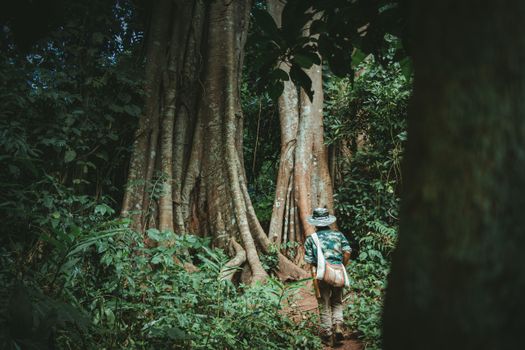
My heart pounded, not from the exertion of the day's trek, but from a mix of anticipation and a healthy dose of awe. Below me, the dense emerald tapestry of the Amazon stretched into an inky blackness, punctuated by the rhythmic chirps and buzzes of unseen insects. Above, a million stars glittered, undimmed by city lights, framed by the silhouettes of giant trees. I was strapped into a suspended platform, a simple hammock-like bed hanging dozens of feet above the jungle floor, and for the first time in my life, I truly felt like part of the rainforest.
I remember the guide, a wiry man named Mateo with eyes that held the wisdom of generations, whispering, "The jungle truly comes alive at night. Listen." And listen I did. The rustle of a passing creature, the distant roar of a howler monkey, the gentle sway of my perch in the breeze – it was a symphony unlike any I had ever experienced. That night, I didn't just sleep in the jungle; I slept with it. And trust me, dear Tripsora readers, it blew my mind.
Forget glamping; this is next-level immersion. If you’re yearning for an adventure that pushes boundaries, connects you deeply with nature, and offers bragging rights beyond your wildest dreams, then a jungle trek where you sleep in the canopy is calling your name.
What Exactly Is a Canopy Sleep Trek? It's More Than Just a Treehouse!
Let's clarify. When I talk about "canopy sleep treks," I'm not just referring to fancy treehouse hotels (though those are amazing in their own right!). I'm talking about a multi-day expedition into the heart of a rainforest, where your journey culminates in a night or several nights spent high above the jungle floor, often in specially designed suspended tents, platforms, or even secure hammocks.
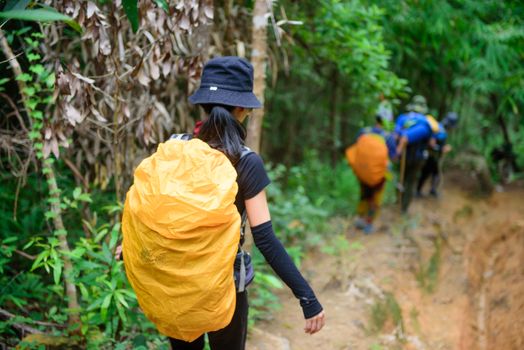
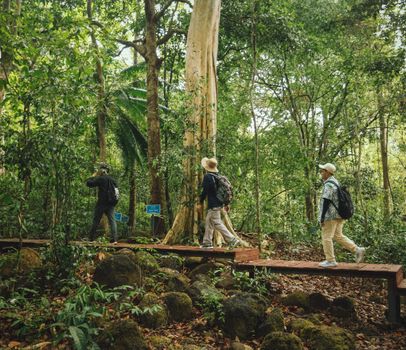
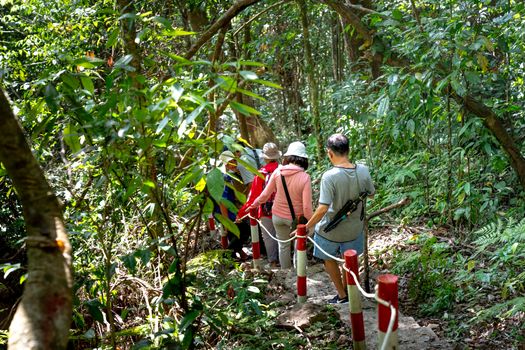
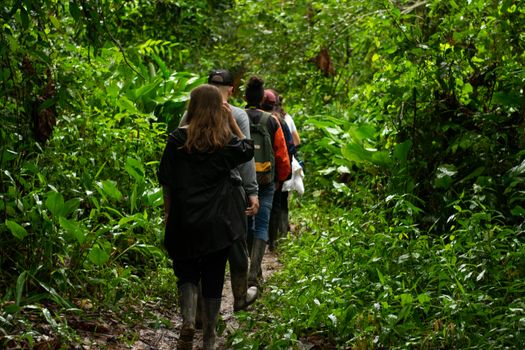
This isn't a permanent structure with Wi-Fi and room service. This is raw, authentic, and utterly exhilarating. You'll trek through challenging terrain, learn about the flora and fauna from expert local guides, and then, as dusk settles, ascend to your elevated sleeping quarters. It's about experiencing the jungle from a completely different perspective – a bird's-eye view during the day, and an intimate, immersive encounter with its nocturnal secrets by night.
The experience varies wildly. Some operators offer sturdy, semi-permanent platforms accessed by ropes and ladders. Others might have you rigging up your own suspended tent after a day of climbing. What remains constant is the thrill of being truly embedded in the canopy, listening to the jungle breathe around you.
Why Trade Your Bed for a Branch? The Unforgettable Magic of the Treetops
So, why go to all this effort? Why forgo the comfort of a lodge bed for a suspended perch among the branches? The reasons, my friends, are as numerous and diverse as the creatures of the rainforest itself:
- Unparalleled Wildlife Viewing: The jungle is a different beast at night. Many of its most fascinating inhabitants are nocturnal. From your elevated vantage point, you have a front-row seat to the secret lives of sloths, monkeys, civets, and countless bird species. I once saw a slow loris silently navigating the branches just a few feet from my platform in Borneo – a moment I'll never forget.
- A Symphony for the Senses: The sounds are amplified. The croaking of frogs, the chirping of cicadas, the distant growl of a jaguar, the rustle of leaves as a creature moves nearby – it's a constant, mesmerizing concert. The air is thick with the scent of damp earth, exotic flowers, and unseen life. It's an overwhelming, beautiful sensory experience that ground-level camping simply can't replicate.
- A Shift in Perspective: Seeing the jungle from above offers a profound new understanding of its intricate ecosystems. You appreciate the layers, the density, the sheer scale of it all. It’s like stepping into a nature documentary, but you’re the star.
- Deep Eco-Connection: Sleeping in the canopy often means minimal impact. These experiences are typically run by eco-conscious operators dedicated to conservation. You become acutely aware of your place within this delicate environment, fostering a deeper respect for nature.
- Pure Adventure & Bragging Rights: Let's be honest, how many people can say they've slept 50 feet up in a rainforest canopy? It’s a challenge, an accomplishment, and an epic story to tell for years to come. The feeling of waking up to a misty jungle sunrise, with the world stretching out below you, is truly indescribable and utterly Instagram-worthy.
Preparing for Your Ascent: Practical Tips for a Tree-Top Dream
Embarking on a canopy sleep trek requires a bit more planning than a typical resort stay. Here’s what you need to know to make your adventure smooth and safe:
- Physical Fitness: While you don't need to be an Olympic athlete, a moderate level of fitness is essential. You'll be trekking, potentially climbing ladders or using harnesses, and carrying a daypack. Be prepared for humidity and uneven terrain.
- Packing Essentials (Less is More!):
- Lightweight, Quick-Dry Clothing: Long sleeves and pants are crucial for sun protection and insect bites. Think breathable fabrics.
- Sturdy Hiking Boots: Waterproof is a bonus.
- Headlamp with Red Light Option: Indispensable for navigating at night without disturbing wildlife.
- Insect Repellent (DEET or Picaridin): Do not skimp on this. Mosquitoes and other biting insects are part of the deal.
- Binoculars: A must-have for spotting wildlife from your perch.
- Camera Gear: Protect it from moisture with dry bags. A good zoom lens will be your best friend.
- Small First-Aid Kit: Blister plasters, pain relievers, anti-itch cream, any personal medications.
- Reusable Water Bottle: Many operators provide purified water.
- Dry Bags/Waterproof Backpack Cover: To protect all your essentials from sudden downpours.
- Biodegradable Toiletries: Be mindful of the environment.
- Lightweight Sleeping Bag Liner: Even if bedding is provided, a liner adds comfort and hygiene.
- Mental Prep: Embrace the unknown! Be ready for basic facilities, humidity, bugs, and the occasional fear of heights (most operators are incredibly safe and reassuring). A positive attitude goes a long way.
- Choosing a Tour Operator: This is critical. Research thoroughly! Look for:
- Safety Records: What are their protocols? What equipment do they use? Are guides certified?
- Eco-Credentials: Do they practice sustainable tourism? Do they support local communities? Are they transparent about their impact?
- Reviews: Check independent travel forums and trusted review sites.
- Small Group Sizes: Often means a more intimate and less impactful experience.
- Travel Insurance: Absolutely non-negotiable. Ensure it covers adventure activities and emergency evacuation.
Mind-Blowing Destinations: Where to Find Your Tree-Top Dream
The world's rainforests offer incredible opportunities for canopy sleep. Here are some of the most iconic and accessible regions:
1. The Amazon Rainforest (Peru, Ecuador, Brazil)
The undisputed king of biodiversity, the Amazon offers some of the most profound canopy experiences.
- Peru (Tambopata National Reserve/Manu National Park): This region is a hotspot for canopy walkways and elevated platforms.
- Inkaterra Reserva Amazónica (Tambopata): While primarily a lodge, they boast an incredible canopy walkway system (100 feet high, 1/4 mile long) which you can access. While not "sleeping" in the canopy, it provides an unparalleled daytime perspective and some operators in the area offer more rustic overnight stays.
- Specific Treks: Look for smaller, specialized eco-tour operators in areas like Puerto Maldonado (Peru) or Yasuni National Park (Ecuador) that offer dedicated multi-day treks culminating in suspended tent camps. Prices for these immersive treks can range from $800 - $2000+ USD for 3-5 days, typically including guides, meals, equipment, and transfers.
- My Anecdote: Waking up in a suspended hammock in a remote corner of the Peruvian Amazon, the air thick with mist, and hearing the guttural roar of howler monkeys signaling dawn. It felt prehistoric, primal, and utterly exhilarating.
2. Borneo (Malaysia & Indonesia)
Home to orangutans, pygmy elephants, and an incredible array of endemic species, Borneo's ancient rainforests are a prime location for canopy adventures.
- Danum Valley Conservation Area (Sabah, Malaysian Borneo): This pristine primary rainforest is a wildlife paradise.
- Borneo Rainforest Lodge: Again, a lodge, but they have fantastic canopy walkways. For true canopy sleep, you'll need to seek out specialized expedition companies that arrange permits for more rustic, elevated camp setups within or near the conservation area. These are often multi-day research-focused or adventure-focused treks.
- Sepilok Forest Reserve (Sabah): While known for its orangutan rehabilitation center, some areas offer opportunities for elevated camping.
- Specific Treks: Several tour operators in Sabah (e.g., in Kota Kinabalu or Sandakan) can arrange bespoke treks into more remote areas that include suspended platforms or tree hammocks. Expect prices for a 4-7 day immersive trek to be in the $1200 - $3500+ USD range, depending on exclusivity and amenities.
- My Anecdote: Spotting a family of proboscis monkeys from my elevated platform in the Kinabatangan Wetlands, their comical noses silhouetted against the setting sun. Later, a tiny, wide-eyed tarsier stared back at me from a nearby branch under the beam of my headlamp.
3. Costa Rica (Monteverde & Corcovado)
Costa Rica, a pioneer in eco-tourism, offers a blend of adventure and conservation, often with stunning cloud forest backdrops.
- Monteverde Cloud Forest Biological Preserve: Famous for its misty forests, incredible birdlife (like the Resplendent Quetzal), and extensive canopy bridge systems.
- While many "treehouse hotels" exist, for a true canopy sleep trek, you'd look for specialized guides who can arrange permits for elevated camping within protected areas or on private reserves.
- Corcovado National Park (Osa Peninsula): One of the most biodiverse places on Earth. Treks here can be intense but incredibly rewarding. Some eco-lodges or guides bordering the park offer elevated platforms or even simple tree-tents.
- Specific Treks: Look for small, local operators in areas like Drake Bay or Uvita that offer multi-day jungle expeditions with an emphasis on unique sleeping arrangements. Prices for a 3-4 day trek can range from $600 - $1500+ USD, often including park fees, guides, and basic meals.
- My Anecdote: The sound of the cloud forest rain on my suspended tent in Monteverde was incredibly soothing. Waking up to the calls of exotic birds and the mist swirling around my perch felt like I was floating in the clouds.
4. Laos (The Gibbon Experience)
While slightly different, The Gibbon Experience in Bokeo Nature Reserve, Laos, is a fantastic example of multi-day canopy living.
- The Gibbon Experience: This unique project combines conservation with adventure. You zipline between gigantic trees to reach incredible treehouses (some are the highest in the world!) where you sleep. While more "treehouse resort" than a rustic suspended tent, the zipline access and remote location make it an authentic canopy immersion.
- Costs: A 2-night/3-day experience typically costs around $350 - $400 USD, including guides, food, and accommodation.
- My Anecdote: Ziplining over a vast valley, feeling the wind in my hair, and then arriving at a multi-story treehouse high above the forest floor. It was a childhood fantasy come to life, and the chance to spot gibbons in their natural habitat was truly special.
The Nitty-Gritty: Costs, Safety & Sustainability
Costs:
As you've seen, prices vary significantly. A truly immersive, multi-day canopy sleep trek will likely cost anywhere from $500 to $3500+ USD per person. This usually includes expert guides, all meals, necessary equipment (harnesses, ropes, suspended tents), and permits. It's an investment, but one that delivers unparalleled value in terms of experience.
Safety First:
This is paramount. Always choose reputable, experienced operators with certified guides. They will provide all necessary safety equipment, thorough briefings, and maintain strict protocols. Listen to your guides – they know the jungle best. Accidents are rare when proper procedures are followed.
Sustainability & Responsible Tourism:
Your choice of operator directly impacts the local environment and communities.
* Support Eco-Friendly Operators: Look for companies that actively engage in conservation efforts, minimize waste, and use sustainable practices.
* Respect Wildlife: Maintain a respectful distance, never feed animals, and avoid disturbing their natural behavior.
* Leave No Trace: Pack out everything you pack in. Do not leave any rubbish behind.
* Support Local Communities: Choose operators that employ local guides and staff, contributing directly to the economic well-being of the region.
Are You Ready to Climb to the Clouds?
That night in the Amazon, as the first hint of dawn painted the sky in hues of purple and gold, I felt a profound connection to the world around me. The jungle hummed with new life, and from my lofty perch, I was a silent observer, privileged to witness its awakening. Sleeping in the canopy isn't just a trip; it's a journey into yourself, a challenge to your comfort zone, and an unparalleled immersion into the raw, breathtaking beauty of our planet.
It’s an experience that will redefine your understanding of adventure, nature, and perhaps even yourself. So, are you ready to trade your bed for a branch? To swap city lights for starlight, and alarm clocks for howler monkeys? The jungle is calling, and its treetops await.
Which canopy destination is calling your name? Share your dream tree-top adventure in the comments below!
---