The Hook: A Wake-Up Call at 160 Kilometers per Hour
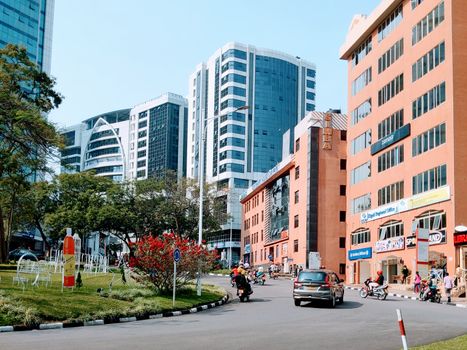
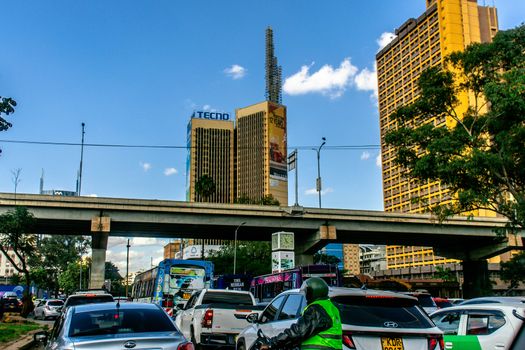
I stepped off the high-speed Al Boraq train at Casablanca’s Casa-Port station, and for a second, I forgot which continent I was on. The station’s soaring concrete columns, hyper-minimalist glass facades, and spotless platforms felt miles away from the cramped, soot-stained terminals of Paris Gare du Nord or London Euston. My smartphone automatically connected to the station's ultra-fast, free 5G network. Within seconds, I had booked a hybrid taxi using a local app, paid via a frictionless digital wallet, and was sweeping past palm-lined boulevards toward the Atlantic coast.
```
[ Outdated European Travel Advice ]
vs.
[ The Frictionless Reality ]
- "Carry bundles of physical cash" -> Cashless tap-to-pay & mobile wallets
- "Expect unpaved, chaotic roads" -> Multi-lane expressways & high-speed rail
- "Prepare for constant blackouts" -> Smart-grid green energy initiatives
```
For decades, European travel advisors have recycled the same tired tropes about African travel: pack a water purifier, carry stacks of physical cash, prepare for infrastructure collapse, and stick to guided tour buses.
This outdated advice is not just wrong—it is lazy.
While parts of Europe struggle with crumbling, century-old train networks and bureaucratic cash-only restaurants, several African urban hubs have leapfrogged traditional development phases entirely. They have built cashless economies, integrated smart-city grids, and constructed transit systems that put Western cities to shame.
Here is the definitive, boots-on-the-ground guide to the African cities that are quietly outdeveloping the West.
---
1. Kigali, Rwanda: The Spotless, Cashless Silicon Valley of Africa
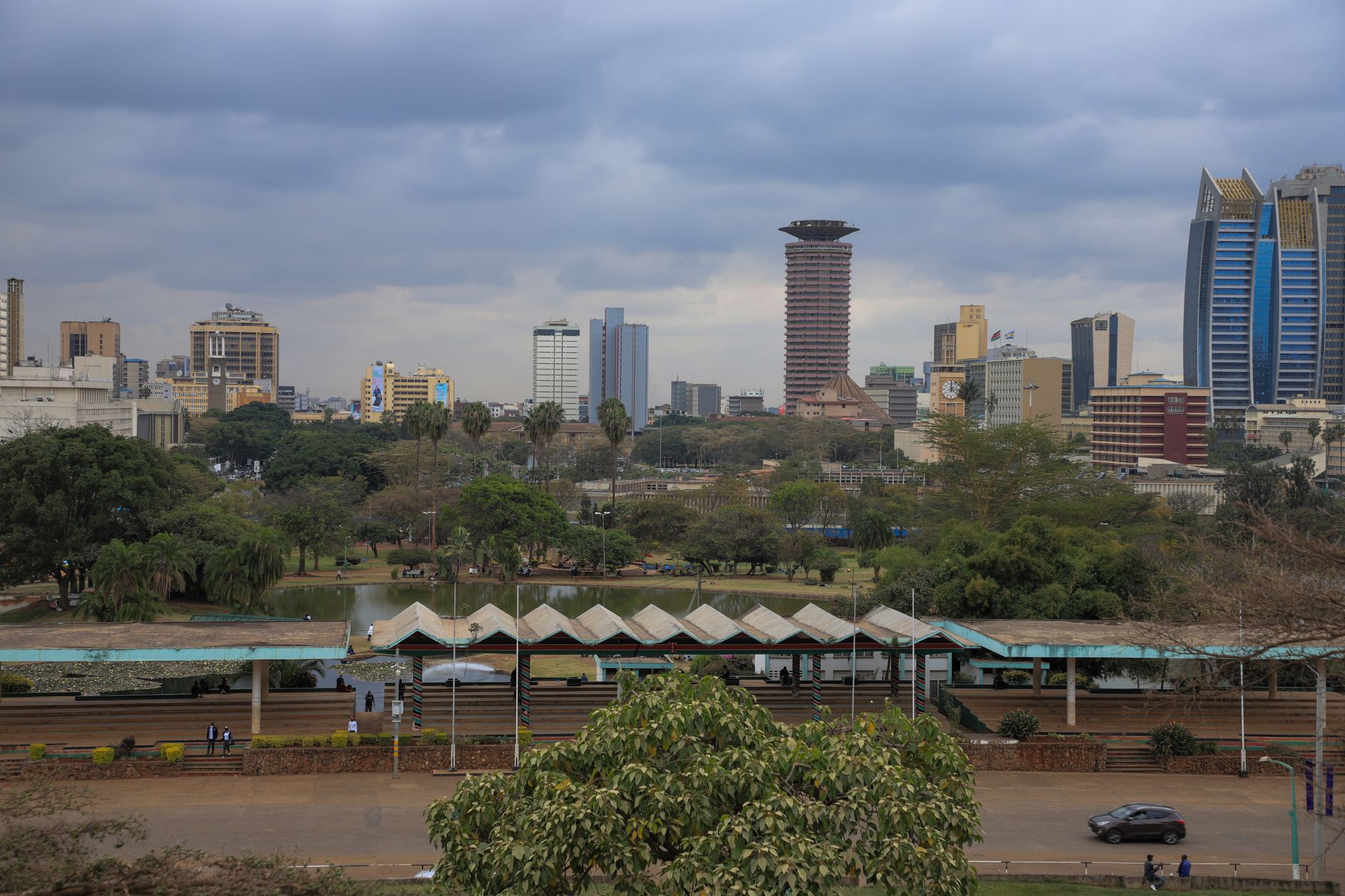
If you tell a European travel advisor you are visiting Kigali, they might still give you a patronizing lecture on safety. The reality? Kigali is statistically safer than almost every major city in Europe, including London, Paris, and Rome.
```
Safety Index Comparison (Higher = Safer)
┌──────────────────────────────────────────┐
│ Kigali: 74.2 │
│ Munich: 71.5 │
│ London: 46.1 │
│ Paris: 42.8 │
└──────────────────────────────────────────┘
```
I noticed the difference the moment I crossed into the city limits. There is no litter. None. Thanks to Umuganda—a monthly community civic practice—and a strict nationwide ban on single-use plastics, Kigali's streets look like they have been scrubbed with a toothbrush.
The Infrastructure Reality
Kigali operates almost entirely on a cashless micro-economy. From the sleek, high-end boutiques of Kigali Heights to the independent vegetable vendors in the Kimironko Market, payments are handled instantly via mobile money (MoMo) or tap-and-go cards.
The city’s transit is equally forward-thinking. A fleet of quiet, locally assembled electric motorcycle taxis (Yego motos) zips through the hilly terrain, guided by GPS meters and booked via local apps.
*