Europe on $50 a Day: The Life-Changing Adventure I Never Knew I Needed
I remember standing on the Pont Neuf in Paris, gazing at the Seine, a croissant in one hand and a coffee in the other. It was my first European trip, a whirlwind of iconic sights, delicious food, and... rapidly dwindling savings. Every meal, every museum ticket, every train ride felt like a luxury tax on my wanderlust. I loved it, but the constant financial anxiety gnawed at me. "There has to be another way," I thought, watching a group of backpackers laughing as they shared a baguette by the river. That moment was a seed. A seed that grew into a radical idea: what if I could travel Europe for under $50 a day? And what if, in doing so, I unlocked a deeper, more authentic travel experience than any luxury tour could offer?
That question led me to a three-month journey across a continent I thought I knew, from the sun-drenched coasts of Portugal to the ancient streets of Romania, and yes, I did it for less than $50 a day. It wasn't just a trip; it was a revelation. It stripped away my preconceived notions of what travel "should be" and replaced them with a profound appreciation for connection, resourcefulness, and the sheer joy of discovery. This isn't just a guide; it's an invitation to a life-changing adventure that proves you don't need a fat wallet to explore the world – you just need an open mind and a few smart strategies.
1. The Mindset Shift: Why Budget Travel Isn't About Sacrifice, It's About Freedom
Before we dive into the nitty-gritty, let's talk mindset. Many people hear "budget travel" and picture deprivation, ramen noodles, and missing out. I used to be one of them. But I quickly learned that traveling Europe for under $50 a day isn't about sacrificing experiences; it's about prioritizing them. It’s about choosing a local street food vendor over a Michelin-starred restaurant, a scenic hike over an expensive cable car, and a lively hostel common room over a sterile hotel room.
This shift in perspective was, for me, the most life-changing aspect of my journey. I realized that the richest experiences often come free or cheap. It's the conversation with a local shopkeeper, the breathtaking view from a free hilltop, the shared meal with new friends in a hostel kitchen. These moments aren't on any tourist itinerary, and they certainly aren't priced. By embracing a budget, I was forced to step outside my comfort zone, to interact more, to observe more, and to truly live in the places I visited, rather than just pass through them. This freedom from financial pressure allowed me to be more present, more curious, and ultimately, more connected to the world around me.
Actionable Tip:
Before you even book a flight, sit down and list your travel priorities. Is it food? Art? Nature? Meeting people? Knowing what truly excites you will help you allocate your precious $50 wisely and cut out the "fluff" you don't truly value.
2. Mastering the Art of Affordable Transportation: Getting Around Europe for Less
Transportation is often one of the biggest budgetbusters. But with a bit of planning and flexibility, you can traverse Europe without emptying your wallet.
Flights:
My golden rule for flights: be flexible with dates and destinations. I used Skyscanner's "Everywhere" feature, setting my departure city and seeing where I could fly for cheap. Low-cost carriers like Ryanair, Wizz Air, and EasyJet are your best friends. Yes, they often fly into smaller, more distant airports, but a cheap bus ride into the city usually negates the difference. Always book well in advance if your dates are fixed, and use incognito mode to avoid dynamic pricing. I once snagged a flight from Milan to Budapest for €15! The trick? I was open to either city and chose the cheaper option.
Inter-City Travel:
Forget expensive high-speed trains (mostly). My go-to was the bus. FlixBus is a lifesaver, connecting hundreds of European cities for a fraction of the train price. I remember a 12-hour FlixBus journey from Berlin to Krakow that cost me just €29 – it wasn't luxurious, but the savings were massive, and I got to see so much countryside. For shorter distances, regional trains can be surprisingly affordable, especially if booked in advance. Night trains, where available, are also a fantastic option as they double as accommodation, saving you a night's hostel fee. I took a night train from Budapest to Bucharest for €45, which included a bunk bed – two birds, one stone! Omio is a great platform to compare bus, train, and flight options across Europe.
Local Transport:
Once in a city, walk everywhere you can. It’s free, great exercise, and the best way to stumble upon hidden gems. For longer distances, public transport (trams, buses, metros) is usually efficient and affordable. Consider a multi-day pass if you plan to use it frequently, but often, individual tickets or a 24-hour pass are sufficient. I rarely used taxis or ride-sharing apps; they're budget killers. Renting a bike in cities like Amsterdam or Copenhagen is also a fantastic, budget-friendly way to explore.
Personal Anecdote:
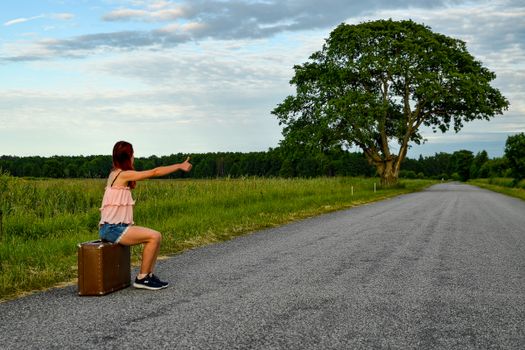
I was once stranded in a small Italian town after missing my last bus to a bigger city. Instead of panicking, I found a local farmer heading in the same direction and hitched a ride (after confirming it was safe, of course!). We communicated with gestures and broken English, and he offered me fresh figs from his farm. It was an unexpected, charming, and free experience that a rigid itinerary would never have allowed.
3. Smart Stays: Sleeping Soundly on a Shoestring
Accommodation can quickly devour your $50 daily budget if you're not careful. But with a bit of savvy, you can find comfortable, safe, and even social places to rest your head.
Hostels: Your Home Away From Home:
Hostels are the backbone of budget travel. Expect to pay anywhere from €12-€30 per night for a dorm bed, depending on the city and country (Eastern Europe is generally cheaper). Look for hostels with good reviews, central locations, and amenities like free breakfast, a common kitchen, and social events. The common kitchen is crucial – it allows you to cook your own meals, saving a fortune (more on that later). Some of my favorite hostel memories involve cooking pasta with fellow travelers in Rome, sharing stories and cheap wine. My absolute favorite was "Home Hostel" in Lisbon; it genuinely felt like a family, and they offered free walking tours and cheap dinner every night.
Couchsurfing: Free Stays & Cultural Exchange:
If you're open to a deeper cultural immersion, Couchsurfing is invaluable. It connects you with locals offering a spare couch or room for free. It’s not just about saving money; it’s about experiencing a destination through the eyes of a local, sharing stories, and making genuine connections. I Couchsurfed with a local artist in Florence who showed me hidden galleries and the best aperitivo spots – experiences money couldn't buy. Always check references and trust your gut when choosing a host.
Camping & Volunteering:
For longer stays or nature lovers, camping can be incredibly cheap. Many European countries have well-maintained campsites that are a fraction of hostel prices. If you're willing to commit a few weeks, platforms like Workaway or WWOOF (World Wide Opportunities on Organic Farms) allow you to exchange a few hours of work for free accommodation and often meals. This is an incredible way to slow travel, dive deep into local culture, and make lasting connections. I spent two weeks volunteering at a eco-farm in rural Portugal, learning about sustainable living and feasting on fresh produce – it reset my perspective on food and community.
Actionable Tip:
Always book your accommodation a few days in advance, especially in popular cities or during peak season. Use Hostelworld or Booking.com, and filter by price and review score. Look for free cancellation policies.
4. Feasting Like a Local: Eating Well for Less
Food is one of the greatest pleasures of travel, and thankfully, you don't need to spend a fortune to eat well in Europe. In fact, eating on a budget often leads to more authentic culinary experiences.
Supermarkets & Hostel Kitchens:
This is your number one budget-eating strategy. Hit up local supermarkets like Lidl, Aldi, Carrefour, or local chains. Stock up on essentials: bread, cheese, deli meat, fruit, vegetables, pasta, and sauces. Many hostels have fully equipped kitchens, allowing you to cook your own breakfast, lunch, and dinner. A simple pasta dish, a fresh salad, or sandwiches can cost just a few euros. I often made a big batch of pasta and shared it with fellow travelers, turning a simple meal into a social event.
Local Markets & Street Food:
Immerse yourself in the local food scene without breaking the bank. Visit local markets (like Lisbon's Mercado da Ribeira, though the Time Out Market section is pricey, the surrounding stalls are not!) for fresh, seasonal produce, local cheeses, and delicious baked goods. Street food is a revelation: pierogi in Poland, currywurst in Germany, gyros in Greece, pastel de nata in Portugal, trdelník in Prague – these are often incredibly tasty and cost just a few euros. My favorite was a hearty goulash from a small stall in Budapest for €4.
Lunch Deals & Picnics:
Restaurants are generally cheaper at lunchtime. Look for menu del día (Spain), plat du jour (France), or similar lunch specials that offer a fixed-price meal for significantly less than dinner. Another fantastic option: pack a picnic! Grab some fresh bread, cheese, olives, and local wine from a supermarket, find a beautiful park (like Berlin's Tiergarten or Paris's Luxembourg Gardens), and enjoy an unforgettable meal with a view. It’s free entertainment and delicious.
Hydration Hack:
Carry a reusable water bottle. Most European cities have safe tap water, and many public places have fountains. This saves you several euros a day on bottled water.
5. Free (and Nearly Free) Adventures: Experiences Over Expenses
You might think that traveling on a budget means missing out on culture and attractions. Quite the opposite! It forces you to seek out the truly enriching experiences that don't come with a hefty price tag.
Free Walking Tours:
These are an absolute must. Available in almost every major city, these tip-based tours (usually run by companies like Sandemans New Europe or local groups) are led by passionate guides who offer an incredible introduction to a city's history, culture, and hidden gems. I always tipped €5-€10, which felt more than fair for the invaluable insights I gained. My free walking tour in Berlin, delving into its complex history, was more impactful than any paid museum visit.
Parks, Cathedrals & Public Squares:
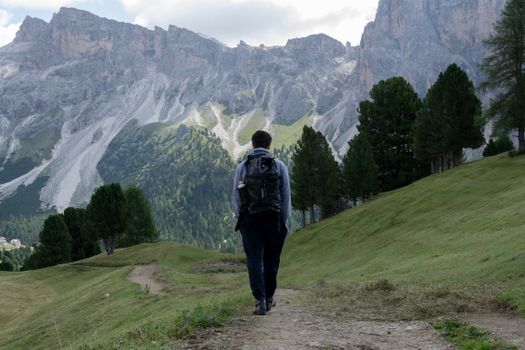
Europe is full of stunning public spaces that are completely free to enjoy. Wander through grand cathedrals (entry to the main nave is usually free, though some special exhibits or towers may charge), relax in beautiful parks, and soak up the atmosphere in bustling town squares. People-watching in Rome's Piazza Navona or Barcelona's La Rambla is an activity in itself. Hiking in national parks (like the Dolomites or Cinque Terre, though Cinque Terre trails have a small fee, often worth it) offers breathtaking scenery for the cost of a packed lunch.
Free Museum Days & Events:
Many museums offer free entry on specific days, evenings, or the first Sunday of the month. Do your research! For example, many state museums in Italy are free on the first Sunday of the month. Some cities also have "culture nights" or festivals with free performances and exhibitions. Keep an eye out for local flyers and online event listings.
Street Art & Views:
Europe is a canvas of incredible street art, from the murals of Berlin to the vibrant graffiti of Lisbon. Exploring these open-air galleries is free and fascinating. For panoramic views, skip the expensive observation decks. Find a natural viewpoint, a hilltop park, or even a tall building with a free-to-enter lobby or cafe. The views from Lisbon's miradouros (viewpoints) are absolutely stunning and cost nothing but a walk.
Personal Anecdote:
One evening in Prague, I stumbled upon a free open-air concert in a small park near the Charles Bridge. A local jazz band was playing, and people were dancing, sharing drinks, and simply enjoying the warm summer night. It wasn't advertised in any guidebook, but it became one of my most cherished memories – a spontaneous moment of pure European magic, completely free.
6. The Daily Budget Breakdown: Making $50 Work
So, how does it all add up to under $50 a day? Here’s a sample breakdown, keeping in mind that prices vary wildly between Western and Eastern Europe (the latter being much more budget-friendly). My $50/day rule thrived in countries like Portugal, Spain, Hungary, Czech Republic, Poland, Romania, and the Balkans.
Daily Budget Example (Eastern/Southern Europe Focus):
- Accommodation (Hostel Dorm): €15-€20 (e.g., Budapest, Krakow, Lisbon)
- Food (Supermarket/Street Food/Lunch Deal): €15-€20 (Breakfast: €3-€5, Lunch: €5-€7, Dinner: €7-€8)
- Local Transport (1-2 tickets/day): €2-€5
- Activities (Free/Tip-based): €0-€5 (e.g., Free walking tour tip, small museum entry)
- Buffer/Miscellaneous (Coffee, Postcards): €0-€5
Total: €32 - €55
(roughly $35 - $60 USD, depending on exchange rates)
You'll notice this is a range. On some days, I might have spent €35, cooking every meal and walking everywhere. On others, I might have splurged on a delicious local dinner or a specific museum, pushing it closer to €55. The key is balance. If you have a €60 day, aim for a €40 day next. Average it out.
Crucial Money-Saving Hacks:
* Travel Slower: Moving less frequently saves on inter-city transport. Staying 3-5 nights in each place gives you time to explore deeply without constantly spending on travel.
* Travel Off-Season: Avoid peak summer (July-August) for better prices and fewer crowds. Shoulder seasons (April-May, September-October) are ideal.
* Travel Card: Get a travel-friendly debit card (like Revolut or TransferWise/Wise) that offers good exchange rates and low/no ATM fees.
* Track Everything: Use an app like TravelSpend or a simple spreadsheet to track every euro. It's eye-opening and helps you stay accountable.
Conclusion: Your Life-Changing Adventure Awaits
My journey through Europe for under $50 a day was more than just a budget trip; it was a profound lesson in resourcefulness, connection, and the true value of experience over expenditure. It taught me that the world is far more accessible than I ever imagined, and that true travel isn't about luxury, but about immersion. I learned to speak basic phrases in half a dozen languages, cooked meals with strangers who became friends, navigated bustling cities with a map and a smile, and saw more breathtaking beauty than I could have ever dreamed.
This way of traveling stripped away the superficial and revealed the heart of each place, and in doing so, it revealed a deeper part of myself. It changed my life forever by showing me that my wildest travel dreams were not only possible but infinitely richer when pursued with intention and an open spirit.
Now it's your turn. Stop dreaming and start planning. The magic of Europe, in all its affordable glory, is waiting for you. What hidden gems will you uncover? What life-changing stories will you create?
What are your best budget travel secrets for Europe? Share your tips and favorite affordable destinations in the comments below! Let's inspire each other to explore more, for less.
---