Beyond the Bratwurst: Uncovering Europe's Best Christmas Markets for 2025 (That Aren't German!)
I remember my first German Christmas market. The twinkling lights, the scent of gingerbread and sizzling bratwurst, the sheer joy radiating from every stall. It was magical, no doubt. But I also remember the sheer crowds. Elbow-to-elbow, shuffling through ancient streets, sometimes struggling to even catch a glimpse of the handcrafted ornaments. Don't get me wrong, Germany does Christmas markets spectacularly. But what if I told you that some of Europe's most enchanting, authentic, and often less crowded festive experiences await just a short flight or train ride away, well beyond the Rhine?
For years, I've made it my personal mission to seek out these hidden (and not-so-hidden) gems. I've discovered places where the mulled wine tastes a little different, the carols have a unique lilt, and the local crafts tell a whole new story. And let me tell you, friends, December 2025 is your year to venture off the well-trodden path.
Forget the FOMO of missing out on Nuremberg or Dresden. This guide is your golden ticket to a truly unforgettable festive season, packed with personal anecdotes, practical tips, and all the Instagram-worthy moments you could ever wish for. Let’s dive into the magic!
---
1. Prague, Czech Republic: A Fairytale Frost in the Heart of Bohemia
Oh, Prague! If ever a city was built for Christmas, it's this one. My first visit during Advent felt like stepping into a real-life storybook. The gothic spires, the cobblestone streets, and the mist rising from the Vltava River create an atmosphere so genuinely festive, it's almost overwhelming in the best possible way.
The Markets:
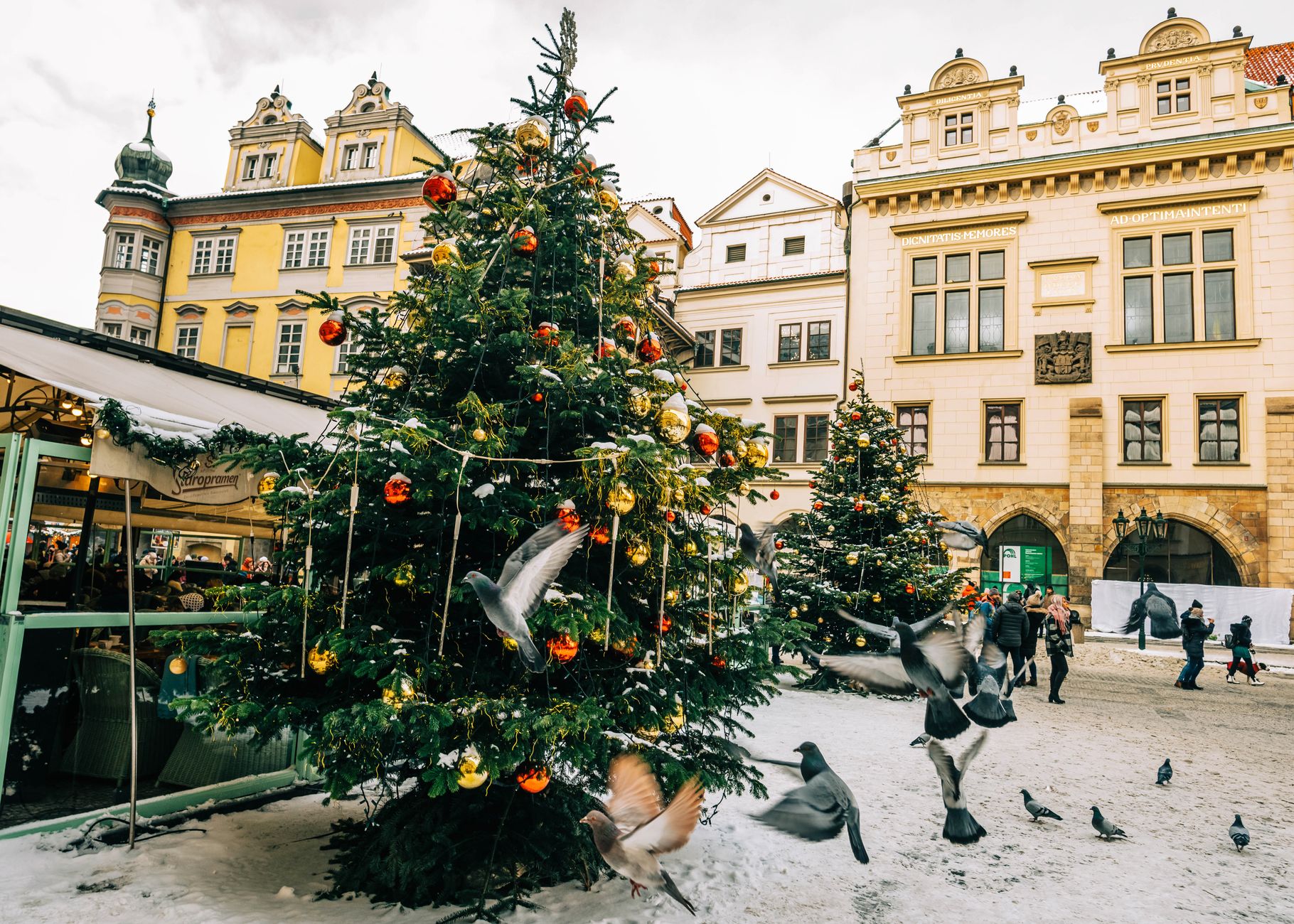
The main markets are concentrated in Old Town Square (Staroměstské náměstí) and Wenceslas Square (Václavské náměstí), easily walkable and buzzing with energy. Old Town Square, with the magnificent Týn Church as its backdrop, is the quintessential postcard scene. I remember the first time I saw the giant Christmas tree here, illuminated against the ancient architecture – it took my breath away. It’s a sensory overload of twinkling lights, the scent of cinnamon, and the distant sound of carol singers.
What to Eat & Drink:
Forget the conventional! Here, you must try a Trdelník – a sweet pastry cooked over an open flame, often filled with Nutella or ice cream. I still dream about the warm, sugary dough on a chilly evening. And of course, svařené víno (mulled wine) flows freely, often with a hint of rum. For something savory, grab a klobása (grilled sausage) or some langos (fried dough with garlic, cheese, and ketchup – surprisingly delicious!).
Shopping & Souvenirs:
Look out for beautifully handcrafted wooden toys, intricate Bohemian crystal, delicate straw ornaments, and traditional Czech puppets. I still have a tiny hand-painted wooden angel from my first visit, a cherished reminder.
Practical Tips for 2025:
* Best Time to Visit: Markets usually run from late November to early January. Weekdays are less crowded, but evenings are truly magical when everything is lit up.
* Getting Around: Prague is incredibly walkable, especially around the market areas. Public transport (trams, metro) is excellent and affordable.
* Budget: Prague is generally more affordable than Western European capitals. Expect mulled wine for around 80-120 CZK (€3-5) and a Trdelník for 100-150 CZK (€4-6). Handicrafts vary widely but offer great value.
* Instagram Spot: The view of Old Town Square from the Old Town Hall Tower is unparalleled, especially at dusk. Charles Bridge at dawn, dusted with frost, also makes for an epic shot.
---
2. Vienna, Austria: Imperial Grandeur Meets Festive Cheer
While geographically close to Germany, Vienna's Christmas markets offer a distinctly imperial and elegant experience. It’s less rustic, more refined, with a grandeur that only a former empire can provide. My visit to Vienna during Advent was a whirlwind of classical music, horse-drawn carriages, and some of the best pastries I’ve ever tasted.
The Markets:
Vienna boasts several stunning markets, each with its own character. The largest and most famous is the Christkindlmarkt at Rathausplatz (City Hall Square). The City Hall itself transforms into a gigantic advent calendar, and the park in front becomes a wonderland of twinkling trees and charming stalls. Another favorite is the market in front of Schönbrunn Palace, offering a more traditional, almost regal experience with the stunning Baroque palace as a backdrop. Don't miss the smaller, more artistic market at Spittelberg or the elegant one at Maria-Theresien-Platz.
What to Eat & Drink:
Vienna is a paradise for sweet tooths. Indulge in classic Sachertorte or Apfelstrudel. For market treats, try Kaiserschmarren (shredded pancake with fruit compote) or roasted chestnuts (Maroni). The drink of choice is Punsch (punch), which comes in various fruit flavors and is often stronger than traditional Glühwein. My personal favorite was the Beerenpunsch (berry punch) – so warming!
Shopping & Souvenirs:
You'll find exquisite glass ornaments, handcrafted wooden toys, traditional Austrian ceramics, and beautiful woolen goods. Keep an eye out for local beeswax candles and gourmet food items like artisanal jams.
Practical Tips for 2025:
* Best Time to Visit: Markets typically open mid-November and run until Christmas Eve, with some staying open into early January. Weekdays are generally less crowded.
* Getting Around: Vienna has an excellent public transport system (U-Bahn, trams, buses). A Vienna City Card can be good value for unlimited travel and discounts.
* Budget: Vienna can be a bit pricier than Prague or Budapest. Expect Punsch for €4-6, and food items like Kaiserschmarren for €6-10.
* Instagram Spot: The illuminated Rathausplatz from a slightly elevated position, capturing the majestic City Hall and the festive market below. Also, the Schönbrunn Palace market at night is simply breathtaking.
---
3. Budapest, Hungary: Thermal Baths, Chimney Cakes, and Danube Dreams
Budapest during Christmas is a revelation. It offers a unique blend of grand architecture, a vibrant culinary scene, and a cozy, welcoming atmosphere. My most vivid memory from a December trip was soaking in the Szechenyi Thermal Baths with snow flurries dancing above, then heading straight to a market for a warm chimney cake. Pure bliss!
The Markets:
The two main markets are at Vörösmarty Square and in front of St. Stephen's Basilica. Vörösmarty Square is the oldest and most traditional, with a strong focus on Hungarian folk art and gastronomy. The market at St. Stephen's Basilica is perhaps more visually stunning, with a light show projected onto the basilica's facade every evening and a small ice rink at its center. Both offer a fantastic, lively atmosphere.
What to Eat & Drink:
You cannot visit Budapest's Christmas markets without trying Kürtőskalács (chimney cake). These sweet, cylindrical pastries are baked over an open flame and rolled in sugar, cinnamon, or nuts. They are truly addictive! Also, try lángos (fried dough topped with sour cream and cheese), hearty goulash soup, and various sausages. Wash it all down with forralt bor (mulled wine) or a shot of warming pálinka (fruit brandy).
Shopping & Souvenirs:
Look for traditional Hungarian embroidery, handcrafted leather goods, intricate pottery, and delicate lace. Paprika products, artisanal honey, and local spirits also make great gifts.
Practical Tips for 2025:
* Best Time to Visit: Markets usually open mid-November and close around New Year's Day. Evenings are most atmospheric, but daytime allows for easier browsing.
* Getting Around: Budapest has an efficient metro, tram, and bus system. The main markets are within walking distance of each other.
* Budget: Budapest is very budget-friendly compared to many Western European cities. Kürtőskalács typically costs 1500-2500 HUF (€4-7), and mulled wine 1000-1800 HUF (€3-5).
* Instagram Spot: The light show on St. Stephen's Basilica, or a panoramic shot of the Danube River at night with the Parliament Building illuminated. A close-up of a freshly made Kürtőskalács is also a must!
---
4. Krakow, Poland: Medieval Charm and Pierogi Perfection
Krakow's Christmas market, set in the magnificent Main Market Square (Rynek Główny), feels like stepping back in time. Surrounded by the historic Cloth Hall and St. Mary's Basilica, with its hourly trumpet call, the medieval atmosphere is simply captivating. I remember the crisp air, the scent of wood smoke, and the sound of horse-drawn carriages clip-clopping across the square – it felt utterly timeless.
The Markets:
The entire market is centered around the vast Main Market Square. It's a single, sprawling market, making it easy to navigate. The sheer scale of the square, combined with the towering Christmas tree and the historic architecture, creates a truly grand and festive spectacle.
What to Eat & Drink:
Polish cuisine is hearty and perfect for winter. Indulge in classic pierogi (dumplings, often filled with potato and cheese, meat, or cabbage and mushrooms). My personal favorite was the oscypek, a smoked sheep cheese grilled and served with cranberry jam – surprisingly delicious and unique! Of course, grzane wino (mulled wine) will keep you warm, often spiced with cloves and orange.
Shopping & Souvenirs:
Krakow is famous for its amber jewelry, and you’ll find stunning pieces here. Also look for traditional wooden crafts, hand-painted glass ornaments, intricate lace, and sheepskin products. I bought a beautiful carved wooden box that still sits on my mantelpiece.
Practical Tips for 2025:
* Best Time to Visit: The market usually runs from late November until December 26th, sometimes extending until early January. Go during the week for fewer crowds.
* Getting Around: Krakow's Old Town is pedestrian-friendly. Trams and buses connect to areas outside the center.
* Budget: Krakow is very affordable. Expect mulled wine for 15-25 PLN (€3-6) and a plate of pierogi for 25-40 PLN (€6-9).
* Instagram Spot: The Cloth Hall (Sukiennice) illuminated at night, or a wide shot of the entire Main Market Square with St. Mary's Basilica in the background. Capture the horse-drawn carriages for extra fairytale vibes.
---
5. Tallinn, Estonia: A Snowy Fairytale in the Baltics
If you dream of a truly white Christmas, Tallinn is your best bet. This Estonian capital transforms into a winter wonderland straight out of a storybook, especially when dusted with snow. My visit to Tallinn was like stepping into a medieval fairytale, complete with fortified walls, cobblestone streets, and the enchanting atmosphere of its main market.
The Markets:
The main market is located in the beautiful Town Hall Square (Raekoja plats), surrounded by colorful medieval buildings. It’s considered one of Europe's most picturesque markets, and for good reason. The central Christmas tree, which has been erected here since 1441, is a focal point, surrounded by charming wooden huts.
What to Eat & Drink:
Tallinn's market offers hearty Estonian fare. Try black pudding (verivorst) with sauerkraut, various smoked meats, and warming soups. Gingerbread (piparkook) is a staple, and you'll find it in all shapes and sizes. The local mulled wine, or glögi, is often spiced with cardamom and raisins, and sometimes fortified with Vana Tallinn liqueur – a local specialty. It packs a punch!
Shopping & Souvenirs:
Look for traditional Estonian woolens (gloves, hats, sweaters), intricately carved wooden bowls, handcrafted ceramics, and unique marzipan creations. Amber is also popular here.
Practical Tips for 2025:
* Best Time to Visit: The market typically opens in mid-November and runs until early January. Weekdays are quieter, but the market is small enough that it rarely feels overwhelmingly crowded.
* Getting Around: Tallinn's Old Town is compact and best explored on foot. Public transport covers the rest of the city efficiently.
* Budget: Tallinn is moderately priced. Glögi costs around €4-6, and food items like black pudding or soup are €6-10.
* Instagram Spot: The entire Town Hall Square, especially at night when the snow is falling and the lights are twinkling. Capture the medieval architecture and the cozy atmosphere of the wooden stalls.
---
6. Zagreb, Croatia: Advent's Award-Winning Surprise
Zagreb might not be the first city that comes to mind for Christmas markets, but it has repeatedly won the "Best European Christmas Market" award, and for good reason! It’s vibrant, creative, and spread across multiple charming locations, offering a different kind of festive magic. My trip to Zagreb for Advent was a delightful surprise – a refreshing take on the traditional market experience.
The Markets:
Zagreb's Advent isn't just one market; it's a series of interconnected festive zones. Key spots include Ban Jelačić Square (the main square), European Square (with live music and a younger vibe), Zrinjevac Park (known for its romantic atmosphere, old music pavilion, and stalls selling unique crafts), and the Ice Park at King Tomislav Square (a fantastic open-air ice skating rink). Each area has its own distinct feel and offerings.
What to Eat & Drink:
Croatian market food is delicious! Try fritule (mini doughnuts, often dusted with powdered sugar or drizzled with chocolate), various kinds of kobasice (sausages), and hearty stews. Kuhano vino (mulled wine) is the drink of choice, often with a hint of local spices. Don't miss the štrukli, a traditional Croatian cheese pastry, served sweet or savory.
Shopping & Souvenirs:
You'll find unique local handicrafts, including wooden toys, traditional Licitar hearts (gingerbread cookies often used as decorations), handmade jewelry, and Croatian delicacies like truffle products and olive oil (though less traditional for Christmas, they make great gifts!).
Practical Tips for 2025:
* Best Time to Visit: Zagreb Advent usually kicks off in late November and runs until the first week of January. Weekday evenings are perfect for soaking in the atmosphere without the biggest crowds.
* Getting Around: The main market areas are all within walking distance in the city center. Trams are excellent for connecting different parts of the city.
* Budget: Zagreb is very reasonably priced. Mulled wine generally costs 20-30 HRK (€2.5-4), and fritule are around 20-35 HRK (€2.5-5).
* Instagram Spot: The Ice Park at King Tomislav Square, especially at night with the lights and ice skaters. Also, the tunnel under the city (Grič Tunnel) often has a magical Christmas light installation – a truly unique photo opportunity!
---
Essential Tips for Your Beyond-Germany Christmas Market Adventure 2025
Planning your festive escape is half the fun! Here are some tried-and-true tips to make your December 2025 trip seamless and magical:
- Book Early, Especially for 2025: Flights and accommodation for December, especially around the market opening dates and weekends, book up fast. Start looking for deals as early as spring 2025 to secure the best prices and availability.
- Dress in Layers: European winters can be chilly! Think thermal underwear, warm sweaters, a waterproof outer layer, a hat, gloves, and comfortable, waterproof boots. Trust me, cold feet can ruin even the most magical market experience.
- Cash is King (Sometimes): While many stalls accept cards, having small denominations of local currency is always a good idea for smaller purchases or for markets that are cash-only.
- Embrace the Local Delicacies: Be adventurous! Every market has its unique treats. Don't just stick to what you know. Ask vendors for recommendations.
- Go on Weekdays/Early Evenings: For a more relaxed experience, try visiting the markets on a weekday or in the early evening before the biggest crowds arrive. The magic of the lights is best enjoyed after dusk.
- Stay Hydrated (and Warm!): While mulled wine and punch are delicious, remember to drink water too. And consider bringing a small thermos with hot tea or coffee for chilly mornings.
- Protect Your Valuables: Like any popular tourist spot, pickpockets can be an issue in crowded market areas. Keep your wallet and phone secure, ideally in a front pocket or a cross-body bag.
- Sustainable Travel: Try to minimize waste. Bring a reusable shopping bag for your souvenirs and consider a reusable cup if the market allows (some offer deposits for their cups, which is a great system!).
- Learn a Few Local Phrases: A simple "hello" (Dobrý den, Guten Tag, Jó napot, Dzień dobry, Tere, Dobar dan) and "thank you" (Děkuji, Danke, Köszönöm, Dziękuję, Aitäh, Hvala) goes a long way in showing respect and often earns you a warmer welcome.
---
The Unforgettable Magic Awaits
Stepping beyond Germany for your Christmas market fix in 2025 isn't just about avoiding crowds; it's about discovering new traditions, tastes, and tales. It’s about experiencing the festive season through a different cultural lens, creating memories that are uniquely yours. From the medieval charm of Krakow to the imperial elegance of Vienna, the fairytale frost of Tallinn to the vibrant energy of Zagreb, each city offers a distinct flavor of Christmas magic.
So, ditch the predictable, embrace the adventure, and prepare to be utterly enchanted. Which market will you choose for your December 2025 escape?
Ready to swap your traditional German market experience for something truly unique and unforgettable? Share this post with your travel buddies, start planning your December 2025 adventure, and tell us in the comments: which non-German Christmas market is calling your name?