The sun dipped below the horizon, painting the sky in fiery oranges and purples over the ancient temples of Bagan, Myanmar. I sat atop a dusty pagoda, surrounded by a handful of other travelers, each lost in their own silent reverence. It was breathtaking, yet a familiar pang of solitude pricked at me. I’d been solo traveling for weeks, and while I cherished my independence, I longed for someone to share this exact moment with, to swap stories with, to simply connect with beyond a fleeting "hello."
That night, back at my guesthouse, I scrolled through my phone, seeing endless social media posts of group trips and shared adventures. Was I doing solo travel wrong? Was I doomed to spectacular views experienced in isolation? It was a crossroads moment. I realized then that my approach to meeting people needed a radical overhaul. I wasn't looking for fleeting acquaintances; I craved genuine, meaningful connections that enriched my journey and outlasted the trip itself. I wanted to make friends, yes, but not in the mainstream, often superficial ways I'd seen others attempt. I wanted to find my people before the world found them.
And so began my quest to master the art of making friends when traveling alone, not by joining crowded pub crawls or sticking to the common rooms, but by delving into the authentic pulse of each destination. What I discovered transformed my solo adventures from beautiful solitary experiences into a tapestry woven with shared laughter, deep conversations, and bonds that span continents. If you're ready to move beyond the tourist bubble and forge connections that feel truly special, then welcome, my friend. This is your guide to making friends on the road before everyone else catches on.
The Solo Traveler’s Mindset Shift: From Tourist to Temporary Local
Before you even think about where to meet people, you need to adjust your internal compass. The biggest barrier to making genuine connections isn't your destination; it's your mindset. When you see yourself as merely a tourist, you often create a subconscious wall. To truly connect, you need to shed that skin and embrace the spirit of a temporary local.
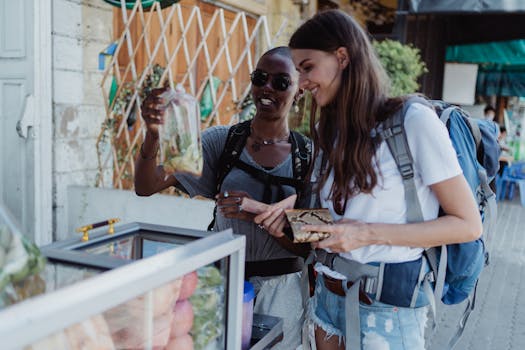
This means being open, approachable, and genuinely curious. It means understanding that vulnerability is a strength, not a weakness. Forget the fear of rejection; most people, locals and travelers alike, are inherently good and often curious about you too. Practice open body language – uncrossed arms, a warm smile, direct eye contact. I remember landing in Hoi An, Vietnam, feeling shy and a bit overwhelmed. Instead of rushing to my hostel, I sat at a small street food stall, watching the world go by. A local woman, selling fresh spring rolls, caught my eye and smiled. Instead of looking away, I smiled back, and that simple exchange blossomed into a recommendation for the best coffee shop and a brief, but heartwarming, conversation. It was a small moment, but it taught me the power of just being present and open.
Your mission isn't just to see a place, but to experience it, and that experience is always richer when shared. Ask yourself why you want to connect. Is it just to avoid loneliness, or is it to learn, to grow, to share perspectives, and to build bridges across cultures? When your intention is genuine, your efforts will naturally gravitate towards more authentic interactions.
Beyond the Hostel: Unconventional Meeting Grounds for Deeper Bonds
Hostels are great, don't get me wrong. But relying solely on the common room or organised events can sometimes lead to superficial connections, or worse, feeling left out if you don't instantly click with the existing clique. To find friends before they become mainstream, you need to think outside the box and venture into spaces where people gather around shared interests, not just shared accommodation.
- Local Workshops & Classes: This is my absolute favourite. Instead of just observing a culture, immerse yourself! I once joined a traditional pasta-making class in Bologna, Italy, for about €70. Not only did I learn to make tagliatelle from scratch, but I spent four hours laughing, kneading, and sharing stories with a handful of other travelers and a delightful local instructor. We ended up sharing a meal we'd cooked, exchanging numbers, and even met up for aperitivo later that week. The shared experience, the hands-on learning, and the delicious reward create an instant bond far stronger than any "where are you from?" conversation. Think cooking classes, pottery workshops, language lessons, or even traditional dance classes.
- Volunteer Experiences (Short-Term): Dedicating even a day or two to a local cause is a fantastic way to meet like-minded, compassionate individuals. Whether it's helping at an animal shelter in Costa Rica (many accept short-term volunteers for free or a small donation) or participating in a beach clean-up in Thailand, you're instantly bonded by a shared purpose. I spent a weekend helping at a dog rescue near Manuel Antonio, Costa Rica, and ended up forming a deep friendship with another solo traveler from Germany. Our shared love for animals and the rewarding work created an immediate, powerful connection.
- Specialized Tours & Niche Activities: Ditch the generic city bus tour. Instead, opt for a photography walk, a bird-watching excursion, a historical deep-dive tour led by a local expert, or a street art tour. These activities attract people with specific interests, meaning you already have common ground. In Oaxaca, Mexico, I joined a small mezcal tasting tour (around $50 USD) that went beyond just drinking; it explored the history, production, and cultural significance. The group was small, and by the end, we were all sharing our travel stories and plans, leading to a spontaneous dinner outing.
- Co-working Spaces & Cafes: If you're a digital nomad, this is obvious. But even if you're not, spending an afternoon working on a personal project or reading in a vibrant co-working space (day passes often cost $10-$20) or a bustling, local-frequented cafe can spark connections. People in these environments are often open to conversation, especially during breaks. I've met fascinating people this way in Chiang Mai, Lisbon, and Medellin – sometimes just by asking for a charger or commenting on their laptop sticker.
Harnessing Technology (Wisely): Apps & Platforms for Deeper Connections
In a world saturated with screens, it's ironic that technology can be a powerful tool for offline connection. But the key is using it wisely, to facilitate real-world meetups, not just virtual interactions.
- Meetup.com & Eventbrite: These platforms are goldmines for local interest groups. Whether you're into hiking, board games, photography, or even specific language exchange groups, you'll find events organized by locals for locals (and savvy travelers). I've joined a weekly hiking group in Vancouver, a board game night in Berlin, and a book club discussion in London, all through Meetup. These aren't tourist traps; they're genuine communities, and participating instantly integrates you.
- Local Facebook Groups: Search for "Expats in [City Name]," "Digital Nomads [Region]," or even specific hobby groups like "Tai Chi in [City Name]." Join them before you arrive. Introduce yourself, ask for recommendations, or even offer to help with something. I've seen travelers find roommates, travel buddies, and even jobs through these groups. In Lisbon, I posted in an "Expats & Locals" group asking for recommendations for a fado house, and two different people messaged me, one offering to join me!
- Couchsurfing (Hangouts Feature): While known for free accommodation, Couchsurfing's "Hangouts" feature is brilliant for meeting locals and other travelers for casual meetups. You can post what you're up to ("Grabbing coffee at X cafe," "Looking for someone to explore the market with") or join an existing hangout. I've used it multiple times, including meeting a local student in Budapest for coffee (cost: €3) and a small group of travelers for a sunset walk along the Danube. It's designed for spontaneous, low-pressure connections.
- Bumble BFF & Vina: These apps are specifically designed for platonic friendship. Bumble BFF works similarly to its dating counterpart, but you're matched with people looking for friends. Vina is another app focused on female friendships. While I haven't personally used these extensively abroad, I know many who have found success, especially in larger cities, for finding someone to grab a meal or explore with.
- Language Exchange Apps (e.g., Tandem, HelloTalk): If you're keen to practice a new language, these apps connect you with native speakers. After chatting online, it's often natural to suggest meeting up for a coffee to practice in person. This is a fantastic way to meet locals who are genuinely interested in cultural exchange. Just remember to always meet in a public place and let someone know your plans.
The Art of the Approach: Authentic Conversation Starters
You've put yourself in the right places; now, how do you actually talk to people? Forget cheesy pickup lines. The secret is authenticity, observation, and open-ended questions.
- Observe & Comment Genuinely: Look around. Is someone reading a book you love? "Excuse me, is that 'Shantaram'? I absolutely adored that book!" Is someone struggling with a map? "Looks like you're trying to find something specific. Can I help?" Or, the classic: "That coffee smells amazing, what do you recommend?" In a small cafe in San Miguel de Allende, Mexico, I noticed a woman sketching. I simply said, "Your artwork is beautiful. Do you mind if I ask what you're drawing?" This led to a two-hour conversation about art, travel, and life.
- Ask for Recommendations (Beyond Tourist Spots): Instead of "Where's the nearest ATM?", try "I'm looking for a truly local spot for dinner tonight, something authentic, not too touristy. Any hidden gems you'd recommend?" This signals you're interested in their culture and insights, not just directions. Be specific. "I love spicy food/craft beer/live music – do you know anywhere that fits?"
- Offer Help or Share: Small acts of kindness go a long way. "Can I help you carry that?" "I have an extra [snack/water], would you like some?" This is particularly effective in shared activity settings.
- Be a Good Listener: When someone starts talking, truly listen. Ask follow-up questions. Show genuine interest in their story, their passions, their recommendations. People love to talk about themselves and their hometowns.
- The Power of a Smile & Eye Contact: These are universal invitations to connect. A genuine smile can break down barriers faster than any phrase.
Immersive Experiences: Go Where Locals Go, Do What Locals Do
To truly connect with people before these methods become saturated, you need to embed yourself in the local fabric. This means stepping away from the well-trodden tourist paths and seeking out the everyday rhythms of life.
- Local Eateries & Bars: Avoid the restaurants with English menus and glossy photos. Ask your Airbnb host, a shopkeeper, or a new friend for their favourite local haunt. Head to places where you see families, older couples, and groups of friends. Sit at the bar if you're alone; bartenders are often great conversationalists and connectors. In Buenos Aires, I found a tiny parrilla (steakhouse) recommended by my hostel owner. I sat at the counter, ordered my steak, and ended up chatting with the chef and a local couple next to me about football and Argentine culture. The food was incredible, and the company even better.
- Public Transport: Long train journeys, local buses, even shared taxis can be prime opportunities. People are often less guarded and more open to striking up conversations. I once spent a 12-hour train ride across Vietnam sharing snacks and stories with a local family, practicing my limited Vietnamese, and learning about their lives. It was an unexpected highlight of my trip.
- Parks & Public Spaces: Observe, relax, and be ready to engage. Join a casual game of football (soccer) in a park, watch a street performer, or simply sit on a bench and people-watch. Sometimes, just being present and open is enough for someone to approach you. In New York City's Central Park, I joined a spontaneous game of frisbee with a group of strangers, simply by asking if I could play.
- Religious or Cultural Events (Respectfully): If there's a local festival, a market day, a community gathering, or even a local church service (if you feel comfortable and can be respectful of the customs), attend it. These are places where communities come together, and your respectful presence can be an invitation for interaction. In Kerala, India, I stumbled upon a local temple festival and was welcomed with open arms, offered food, and invited to witness traditional rituals. It was a profound experience, connecting me with the heart of the community.
The Follow-Up: Nurturing New Connections
Making the initial connection is just the first step. To transform these encounters into genuine friendships, you need to nurture them.
- Exchange Contact Info: Don't be shy. "It was great chatting with you! Do you have WhatsApp or Instagram? I'd love to stay in touch/see your photos." This is standard practice among travelers.
- Suggest a Follow-Up Activity: If the conversation went well, be proactive. "I'm heading to the night market tomorrow, would you like to join?" or "I was thinking of checking out that museum we talked about, are you free?"
- Be Proactive, But Not Pushy: Send a quick message later that day or the next morning. "Hey, it was lovely meeting you yesterday! Hope you have a great day." This keeps the connection warm.
- Remember Details: If they mentioned something specific about their travels, their hometown, or their interests, bring it up later. "How was that hike you were planning?" or "Did you ever find that bookstore?" It shows you were listening and care.
- Embrace the Digital Age (for good): Share photos, comment on their posts, send a quick message checking in. Many of my deepest travel friendships have been maintained through WhatsApp messages, video calls, and even meeting up in entirely different countries years later.
My solo journey through Bagan eventually led to countless connections, not just in Myanmar but across the globe. That initial pang of solitude transformed into a profound appreciation for the human capacity to connect, to share, and to build bridges across cultures and distances. I learned that the most rewarding friendships aren't found on the busiest tourist streets, but in the quiet corners, the shared experiences, and the genuine curiosity we extend to one another.
So, pack your bags, open your heart, and step into the world with a new perspective. The most incredible friendships of your life are waiting, just beyond the mainstream, ready to be discovered. Go find them.
What's your most unconventional way you've made a friend while traveling? Share your stories in the comments below!