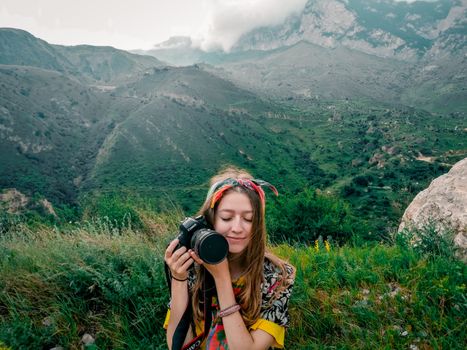
Ever Stood in Front of a Breathtaking View and Felt Your Brain Short-Circuit? You're Not Alone.
Let's be real. We've all been there. You're standing at the edge of the world, perhaps overlooking the cerulean caldera of Santorini, the majestic peaks of the Dolomites, or the bustling neon streets of Tokyo. The view? Absolutely jaw-dropping. The moment? Pure magic. Then, someone pulls out a camera, points it at you, and suddenly, your limbs forget how to limb. Your face contorts into a strange, half-smile, half-grimace. You feel like a poorly constructed mannequin, utterly incapable of looking "natural" or "cool."
That, my friends, was me, standing on a cliff in Portugal’s Algarve region, squinting into the setting sun, trying desperately to look windswept and profound. Instead, I looked like I was having an argument with a particularly strong gust of wind. The result? A series of photos that now reside in the deep, dark corners of my digital graveyard.
For years, my travel photos were a testament to my profound awkwardness. I'd scroll through Instagram, admiring the effortless grace of others, wondering how they managed to look so candid, so connected, so utterly themselves in every frame. I wanted that. I wanted to capture the true essence of my adventures, not just a stiff, posed version of me existing in front of a pretty backdrop.
Then, a revelation struck. What if the "awkwardness" wasn't a flaw, but a feature? What if the key to truly unique, scroll-stopping photos wasn't about perfectly replicating mainstream poses, but about embracing my quirks and finding new ways to interact with the camera and my surroundings? And, even better, what if I could discover these methods before they became the next big Instagram trend?
Welcome, fellow camera-shy adventurers, to your definitive guide on how to pose for travel photos when you're awkward – and how to do it so uniquely that you'll be setting trends, not following them. Forget the perfectly angled "look back at it" or the overly staged "coffee cup glance." We're diving into authenticity, spontaneity, and a little bit of playful rebellion.
1. Embrace Your Inner Awkward Turtle (and Turn it into a Swan of Authenticity)
The first, and arguably most crucial, step is to reframe your perception of "awkward." Instead of seeing it as a weakness, view it as your superpower. Authenticity is magnetic, and often, what feels awkward to you translates as relatable and endearing to others.
The Tripsora Takeaway:
Forget striving for perfection. Aim for genuine.
- Lean In (Literally): Instead of standing ramrod straight, try leaning against a wall, a tree, or even a lamppost. This immediately breaks the stiffness. I remember being in the vibrant streets of Cartagena, Colombia, feeling utterly overwhelmed by the kaleidoscope of colours. Instead of trying to pose, I just leaned against a bright pink wall, took a deep breath, and looked down at my feet, taking in the moment. My friend snapped a shot, and it perfectly captured my awe and slight bewilderment, far more interesting than a forced smile.
- The "Almost Candid" Glimpse: Instead of looking directly at the camera, try looking just past it, or slightly down, as if you've just noticed something fascinating on the ground or in the distance. This creates an air of mystery and thoughtfulness. Imagine you're in a bustling market in Marrakech (the Jamaa el-Fna, for example, where a delicious tagine might cost you around 70-100 MAD). You're genuinely taking in the sights, smells, and sounds. Your photographer catches you in that moment of absorption. It's not a pose; it's a captured emotion.
- Play with Your Hair/Clothes (Naturally): If you're someone who fidgets, use it! Adjust your hat, brush your hair back (even if it's not windy), or fiddle with your scarf. These small movements can look incredibly natural and add dynamic interest to an otherwise static shot. While exploring the ancient ruins of Pompeii (entry around €16), I found myself constantly adjusting my sun hat. Instead of stopping, I let the photographer capture me mid-adjustment, creating a series of shots that felt spontaneous and real.
2. The Environment is Your Unsung Co-Star: Interact, Don't Just Stand
One of the biggest mistakes awkward posers make is treating the backdrop as just that – a background. The secret to groundbreaking travel photos is to integrate yourself into the scene, making the environment an active participant in your story.
The Tripsora Takeaway:
Your surroundings aren't just scenery; they're props and conversation starters.
- Frame Yourself (Naturally): Look for natural frames like archways, doorways, or even tree branches. Position yourself within them, but don't just stand there. Lean on the frame, peek out from behind it, or use it to create depth. In the stunning hallways of the Vatican Museums (entry around €17 for adults), I found an ornate archway. Instead of standing squarely in it, I leaned against one side, looking out, letting the grandeur of the architecture frame my contemplative moment.
- Touch, Feel, Connect: Engage with elements of your environment. Run your hand along a textured wall, dip your toes in a stream, or lean your head against a cool stone pillar. This makes you look grounded and connected to the place. Strolling through a quiet Kyoto garden, I gently touched a moss-covered stone lantern. It was a fleeting, personal moment, but the resulting photo spoke volumes about the tranquility and my connection to the serene space.
- Look At Something Specific: Instead of just gazing "into the distance," find a specific point of interest off-camera and focus on it. It could be a distant mountain peak, a bird flying by, or even a detail on a nearby building. This gives your gaze purpose and makes it feel less vacant. On a boat trip through Halong Bay, Vietnam (a day trip can cost around $40-70 USD), I spotted a tiny fishing boat in the distance. My photographer captured me looking intently at it, adding a narrative layer to the scenic shot.
3. Movement Magic: Dynamic Shots Over Stiff Stances
Static, posed photos often scream "I'm trying too hard." To capture that coveted "before mainstream" look, introduce movement. It creates energy, tells a story, and often looks far more natural, especially for those of us who freeze up when asked to "just stand there."
The Tripsora Takeaway:
Motion creates emotion.
- The Walk-Away/Walk-Towards: This is a classic for a reason, but we're going to make it un-classic. Instead of a straight walk, try a slight turn, a slow saunter, or even a playful skip. The key is to be genuinely moving. I've used this effectively on countless beaches, like the black sands of Vik, Iceland (free access). Walking slowly away from the camera, head slightly turned, letting the wind catch my hair and coat, creates a sense of journey and wonder. It's simple, but effective for capturing the vastness of a landscape.
- Twirl, Spin, Dance (a Little): If the location allows, inject a bit of playful movement. A gentle twirl in a flowing dress, a small jump, or even a subtle sway can add incredible dynamism. In a field of lavender in Provence (entry to farms can be free or a few euros for a guided tour), I did a slow, almost dreamlike spin. The resulting photos were full of joy and movement, capturing the essence of the moment without a single stiff pose.
- Capture the "Before" and "After" of an Action: Don't just photograph the finished pose. Capture the moment leading up to it or just after it. Sipping coffee, adjusting a backpack, opening a map – these small, functional actions make for incredibly authentic shots. Imagine yourself at a quaint cafe in Lisbon, taking a first sip of your €1.50 espresso. The photographer captures the moment your eyes light up, or the subtle crinkle of your brow as you savor the flavour. That's real.
4. The Art of the "Un-Pose": Candids, Glimpses, and Genuine Moments
This is where you truly break free from the traditional Instagram mold. The "un-pose" is about letting your guard down and allowing the camera to capture you in moments of genuine interaction, thought, or simply existing. These are the shots that feel most authentic and often go viral because of their relatability.
The Tripsora Takeaway:
The best photos happen when you forget the camera is there.
- Engage with a Friend/Local: If you're traveling with someone, interact with them naturally. Laugh at their joke, listen intently, share a moment. These interactions are gold. My friend and I were sharing a plate of delicious pasta in Rome (around €12-18 per dish), deep in conversation. The photographer just kept shooting, and the photos of our genuine laughter and connection were priceless – far better than any forced "cheers" shot.
- Lost in Thought: Find a quiet spot and simply allow yourself to be contemplative. Look out a window, gaze at a painting in a museum (like the Louvre, entry around €17), or simply close your eyes for a moment of peace. These vulnerable, thoughtful moments are incredibly powerful. I did this at the top of the Eiffel Tower (entry around €17-28 depending on access), simply closing my eyes for a moment to absorb the city sounds. The photo captured a quiet introspection amidst the chaos, a stark contrast to the typical "look at me!" selfie.
- The "Behind-the-Scenes" Shot: Embrace the less glamorous moments. Looking at a map, waiting in line, or even struggling with a stubborn suitcase can make for a charmingly real photo. These are the details that tell the true story of travel. I once got a fantastic shot of myself in Berlin, intensely studying a subway map (a day pass is around €8.80), looking utterly determined. It wasn't "pretty," but it was real and conveyed the adventure of navigating a new city.
5. Props & Perspective Play: Your Secret Weapons for Trendsetting Shots
To truly stand out, you need to think beyond your own body. What unique elements of your travel experience can you incorporate? How can you use perspective to create a visually arresting image that no one else has?
The Tripsora Takeaway:
Use what's around you, and change your angle.
- Local Food & Drink as Your Best Friend: Forget holding a generic coffee cup. Grab a vibrant street food item, a uniquely shaped local pastry, or a regional beverage. Interact with it! Take a bite, sniff the aroma, or offer it to the camera. In Mexico City, holding a brightly coloured elote (corn on the cob, usually around 30-50 MXN) and taking a joyful bite created an instant, authentic connection to the local culture that was far more engaging than any standard pose.
- Maps, Books, & Souvenirs: These aren't just for practicality; they're narrative devices. Hold up a map as if you're genuinely lost, read a book in a picturesque spot, or interact with a quirky souvenir you just bought. While exploring the quirky shops of Shoreditch, London (many unique items are free to browse!), I bought a vintage camera. Posing with it, looking through the viewfinder, instantly added a layer of personality and storytelling to my photos.
- Play with Foreground & Background: Don't always be the star. Sometimes, it's about how you interact with the scene. Stand slightly behind an interesting foreground element (a flower, a railing, a cute cafe sign) and peek out. Or, use a wide-angle lens to make yourself a small, intriguing figure in a vast landscape. On the Cliffs of Moher in Ireland (entry around €8-10), I had my photographer shoot me from a distance, making me a tiny, silhouetted figure against the dramatic cliffs and ocean. It emphasized the sheer scale and my place within it.
- Ground-Level or High-Angle Shots: Most people shoot at eye level. Break the mold! Get down low and shoot upwards (makes you look powerful and the background epic), or shoot from above (creates interesting patterns and offers a unique perspective). A shot taken from above while I was sitting on a colourful tiled bench in Park Güell, Barcelona (entry around €10), captured the intricate details of the mosaic and my relaxed posture in a way an eye-level shot never could.
6. Mastering the "Thoughtful Gaze" & Intentional Disinterest
This is about conveying emotion and depth without direct eye contact with the lens. It's a powerful tool for the camera-shy, as it removes the pressure of "performing" for the camera.
The Tripsora Takeaway:
Your eyes don't need to meet the lens to tell a story.
- The Over-the-Shoulder Look (with a Twist): Instead of a full "look back at it," try a more subtle version. Turn your head slightly over your shoulder, but keep your gaze fixed on something in the distance. This creates intrigue and suggests you're captivated by something beyond the frame. While traversing the majestic rice terraces of Banaue in the Philippines (environmental fee around 50 PHP), I walked away from the camera, then subtly turned my head, gazing at the distant mountains. It felt natural and conveyed a sense of wonder.
- The Downward Gaze (with Purpose): Looking down doesn't have to mean shyness. It can mean contemplation, focus, or even admiration of your footwear in a cool location. Just ensure your body language supports the intention. I once got a fantastic photo in a bustling street in Ho Chi Minh City, Vietnam, looking down at my bowl of pho (around 30,000-50,000 VND), appreciating the steam and aroma. It was a moment of pure culinary bliss, captured perfectly.
- The "Caught Off Guard" Look: This requires a patient photographer. Ask them to just keep shooting while you're doing something else – walking, talking, adjusting your bag. The moments where you briefly glance at the camera, almost surprised, can be incredibly genuine and charming.
7. Storytelling Through Stance: What Does Your Body Say When You Don't Speak?
Your body language communicates volumes, even in a still photo. Learning to use your posture, hands, and even your feet can transform a flat image into a dynamic narrative. This isn't about rigid posing, but about understanding how subtle shifts create different impressions.
The Tripsora Takeaway:
Every limb has a role in your visual story.
- The Power of Triangles: Create natural triangles with your arms and legs. One hand on your hip, a bent knee, or arms crossed loosely can add visual interest and dimension. Avoid pressing your arms flat against your body, which can make you look wider and stiffer. While exploring the vibrant street art of Melbourne's laneways (free to explore!), I leaned against a colourful mural, one hand casually on my hip, creating a relaxed yet confident stance.
- Open vs. Closed Posture: Open postures (arms uncrossed, shoulders relaxed) convey approachability and confidence. Closed postures (tightly crossed arms, hunched shoulders) can convey shyness or defensiveness. Experiment with both to tell different stories. Standing at the Brandenburg Gate in Berlin (free access), I opted for an open, expansive posture, arms slightly out, conveying a sense of awe and openness to the historical significance.
- Use Your Hands (Expressively): Many people don't know what to do with their hands. Put them in your pockets, hold a prop (as discussed), gently touch your face or hair, or even gesture as if you're talking. Just avoid letting them hang lifelessly. In a small cafe in Paris, I was gesturing animatedly while chatting with a friend. The photographer caught a shot where my hands were mid-gesture, adding a lively, authentic touch to the photo.
- The "Rule of the Bent Knee": This is a simple trick. If you're standing, try to have one knee slightly bent. It instantly makes your stance look more relaxed and natural, breaking the stiff military-style posture. I use this constantly, whether I'm standing by a beautiful lake in Switzerland or waiting for a train in Italy. It makes a subtle but significant difference.
Ready to Be a Trendsetter?
The journey from awkward poser to authentic photo master isn't about mimicking others; it's about discovering your own unique visual language. It's about letting go of the pressure to be "perfect" and embracing the messy, beautiful reality of travel.
The next time you're faced with a camera in an incredible destination, remember these tips. Don't just stand there; interact. Don't just smile; feel. Don't just pose; live the moment, and let the camera capture the genuine, unscripted magic.
Your photos won't just be pretty; they'll be stories. They'll be raw, real, and utterly captivating. And who knows? Before you know it, that quirky little pose you invented while sipping a local brew in a hidden alley might just become the next big thing everyone tries to copy. Be the trendsetter.
Now, it's your turn!
We want to see your unique, "before mainstream" poses! Share your most authentic travel photos with us on Instagram, Facebook, or Twitter using #TripsoraPosingPro and tag us @TripsoraOfficial. Let's inspire a new wave of genuine travel photography!
---