The Silent Language of Threads: How Dressing Respectfully Unlocks the World
I remember standing at the entrance of Wat Arun in Bangkok, the Temple of Dawn, bathed in the golden glow of a late afternoon sun. My backpack was slung over one shoulder, a camera clutched in my hand, and a wide-eyed grin plastered on my face. I was ready to explore. Or so I thought.
A kindly Thai woman, her smile as warm as the tropical air, gently gestured towards my knees. My shorts, perfectly acceptable for the bustling streets of Khao San Road, were a silent faux pas in this sacred space. Before I could even mutter an apology, she handed me a vibrant, flowing sarong, its silk cool against my skin. "For respect," she whispered, her eyes twinkling.
That simple gesture, that borrowed piece of fabric, wasn't just about covering my knees; it was about covering a gap in my understanding, a moment of profound learning. It taught me that sometimes, the most powerful way to communicate respect in a foreign land isn't through words, but through the silent language of our threads.
In a world increasingly connected, where "mainstream" travel advice often focuses on the Instagrammable and the efficient, there's a deeper layer of cultural immersion waiting to be discovered. It’s about understanding the subtle, often unwritten, clothing customs that speak volumes, opening doors to genuine connections and richer experiences long before you even say "hello." This isn't just about avoiding an awkward moment; it's about embracing a philosophy of travel that honors local traditions and enriches your own journey.
Ready to pack your bags with not just clothes, but with cultural understanding? Let's dive into the sartorial secrets that turn travelers into welcomed guests.
1. Beyond the Tourist Trap: Why Clothing Customs Matter More Than You Think
Before we delve into specific garments, let's unpack the 'why.' Why do these customs exist, and why should we, as travelers, care? It goes far beyond simply "fitting in."
- Honoring Sacred Spaces: Many customs, especially regarding modesty, stem from religious beliefs. Whether it's covering your head in a mosque, your shoulders in a European cathedral, or removing shoes before entering a temple, these acts are not just rules; they are gestures of reverence towards deeply held spiritual traditions. Ignoring them isn't just disrespectful; it can disrupt the sanctity of a place for those who worship there.
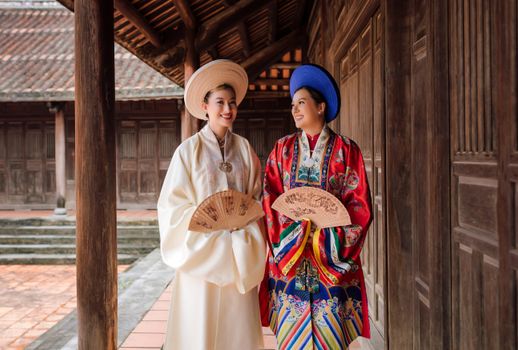
- Respecting Social Norms: In many cultures, clothing reflects social hierarchy, marital status, or simply a general sense of propriety. In more conservative societies, revealing clothing can be perceived as disrespectful, provocative, or even an invitation for unwanted attention. Adhering to local norms shows you value their way of life, even if it differs from your own.
- Building Bridges, Not Walls: My sarong moment in Bangkok wasn't about shame; it was about connection. The kind woman's gesture, and my willingness to adapt, forged an instant bond. When you make an effort to dress appropriately, locals notice. It communicates humility, curiosity, and a genuine desire to engage, often leading to warmer interactions, helpful advice, and even invitations you might not otherwise receive.
- Personal Safety and Comfort: In some contexts, dressing respectfully can also be a matter of personal safety. Blending in, even subtly, can make you less of a target for scams or unwanted attention. Furthermore, adhering to local dress codes can simply make you feel more comfortable and less self-conscious in unfamiliar surroundings.
Think of it this way: your clothing is your first introduction. What story do you want it to tell?
2. The Universal Truths: Ground Rules for the Global Citizen
While specific customs vary wildly, there are some overarching principles that serve as excellent starting points for respectful dressing, no matter where you are.
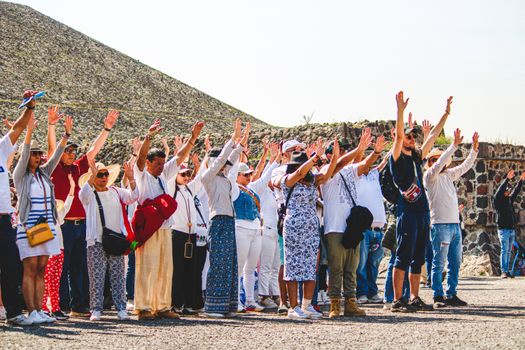
- Modesty is Often Key: This is perhaps the most widespread custom. For both men and women, covering shoulders and knees is a good rule of thumb in many religious sites and conservative communities worldwide. This doesn't mean you need to wear a full burqa or a monk's robe, but rather choosing longer shorts or skirts, and tops with sleeves.
- Actionable Tip: Always pack a lightweight scarf or pashmina. For women, it can instantly cover shoulders or hair. For men, it can be draped over shorts if you find yourself needing to cover knees unexpectedly. I carry a beautiful, versatile silk-blend scarf (bought for about $15 USD in a market in Marrakech) that has saved me countless times, from an unexpected mosque visit in Istanbul to a chilly evening in Cusco.
- Consider Fit, Not Just Coverage: Even if you're covered, overly tight or revealing clothing can still be considered inappropriate in some cultures. Opt for looser, flowing fabrics that allow for comfortable movement and don't accentuate the body.
- Footwear Finesse: In many Asian cultures (and some Middle Eastern homes), removing shoes before entering temples, homes, or even certain shops is mandatory. Always wear shoes that are easy to slip on and off.
- My Experience: In Japan, I quickly learned to check for shoe racks outside entrances. One time, rushing into a traditional inn in Kyoto, I almost forgot, only to be politely reminded by a bowing hostess. It’s a small detail, but a crucial one for showing respect for cleanliness and tradition.
- Head Coverings: For women, a head covering is often required in mosques, some churches, and specific religious ceremonies. Again, that versatile scarf comes in handy!
- Pro Tip: Practice tying a headscarf before you go. A simple knot under the chin or a loose drape can be done in seconds. I watched YouTube tutorials before my trip to Jordan, and it made me feel much more confident when visiting the King Abdullah Mosque in Amman.
3. Global Tapestry: Region-Specific Nuances and Hidden Gems
Now, let's get specific. While the universal truths are great, understanding regional differences can elevate your travel experience.
- Southeast Asia (e.g., Thailand, Cambodia, Laos):
- The Vibe: Generally relaxed, but deeply respectful of Buddhism.
- Customs: When visiting temples (wats), ensure shoulders and knees are covered. Avoid overly revealing clothing in general, especially in rural areas. White is often associated with purity and mourning, so be mindful during funerals.
- My Story: In Luang Prabang, Laos, witnessing the daily alms giving ceremony, I made sure to wear a modest long skirt and a t-shirt. The quiet respect shown by both locals and visitors, many of whom were also dressed modestly, created an incredibly poignant atmosphere. It felt less like an attraction and more like a shared spiritual moment.
- Practical Tip: Many major temples offer sarongs for rent (usually 20-50 THB, or about $0.60-$1.50 USD) if you forget, but it's always better to be prepared.
- The Middle East & North Africa (e.g., Morocco, Jordan, UAE):
- The Vibe: Conservative, with strong Islamic traditions influencing dress.
- Customs: Modesty is paramount. For women, loose-fitting clothing covering arms (at least to elbows, preferably wrists), legs (to ankles), and often a headscarf for mosque visits or in more conservative areas. Men should avoid shorts in many contexts, opting for trousers.
- My Story: Exploring the vibrant souks of Fes, Morocco, I initially wore a sleeveless top. The difference in how I was approached – or rather, not approached by overly persistent vendors – after I switched to a long-sleeved tunic was remarkable. I felt more comfortable, less harassed, and genuinely more a part of the bustling scene.
- Practical Tip: Pack lightweight linen trousers and long-sleeved shirts. They're breathable in the heat and ensure you're always appropriately covered. A beautiful, locally purchased headscarf (often available for $5-$15 USD) can also make a wonderful souvenir!
- Europe (e.g., Italy, Spain, Greece):
- The Vibe: Generally liberal, but with deep Catholic roots and respect for historical sites.
- Customs: While daily wear is casual, entry to churches, cathedrals (like St. Peter's Basilica in Vatican City or Sagrada Familia in Barcelona), and some monasteries often requires covered shoulders and knees for both men and women.
- My Story: I once saw a group of tourists turned away from the Pantheon in Rome because they were wearing tank tops and short shorts. A simple scarf or a long pair of trousers could have saved them the disappointment. Always carry a light layer for these unexpected moments.
- Practical Tip: A cardigan, light jacket, or a large scarf are perfect for layering when visiting religious sites. Many street vendors outside popular churches in Rome sell cheap scarves for a few euros if you're caught unprepared.
- South America (e.g., Peru, Bolivia, Ecuador):
- The Vibe: Diverse, with indigenous cultures often holding traditional dress in high regard.
- Customs: While cities are often modern, in indigenous communities (especially in the Andes), observing local dress, which is often colorful and layered, is a sign of respect. While you don't need to emulate it, avoiding overly revealing or flashy clothing shows humility.
- My Story: Trekking through the Sacred Valley in Peru, I noticed that the local Quechua women wore multiple layers of skirts, vibrant shawls, and distinctive hats. While my hiking gear was practical, I made sure my base layers were modest, and I often carried a simple poncho bought from a local market. It felt right, a subtle nod to their traditions.
- Practical Tip: When visiting markets or rural villages, observe what locals are wearing and try to align your style towards modesty and practicality rather than high fashion.
4. Beyond the Obvious: Subtle Gestures and Local Sensitivities
Sometimes, it's not just about what you cover, but the nuances of your clothing choices.
- Colors and Patterns: In some cultures, certain colors hold specific meanings (e.g., white for mourning in parts of Asia, red for celebration in China). While you don't need to become an expert in color semiotics, being mindful can be a subtle sign of respect. Avoid wearing camouflage patterns unless you want to be mistaken for military personnel in politically sensitive regions.
- Logos and Graphics: Be mindful of overt brand logos or graphics on your clothing. While usually harmless, controversial slogans or images could inadvertently cause offense.
- Swimwear Etiquette: What's acceptable at a resort pool might be completely inappropriate at a local beach or public bath. Always research local norms. In some places, a full swimsuit is expected even for women, while in others, a bikini is fine. In more conservative areas, a t-shirt and shorts over your swimwear might be necessary when not directly in the water.
- My Anecdote: In Bali, while tourist beaches are very relaxed, I noticed that locals swimming in public areas (especially outside of Kuta) often wore full t-shirts and shorts. I started doing the same when visiting less touristy beaches, feeling more comfortable and respectful.
- Undergarments: This might seem obvious, but visible undergarments are generally considered highly inappropriate in almost all cultures outside of specific fashion contexts.
5. The Savvy Traveler's Wardrobe: Packing for Respect and Comfort
So, how do you pack effectively without bringing your entire closet? It's all about versatility and smart choices.
- The Magic Scarf/Pashmina: Seriously, pack at least one, preferably two. They are your best friend for covering shoulders, heads, or even knees. They also double as sun protection, a makeshift blanket on a chilly bus, or a stylish accessory.
- Lightweight Layers: Think linen trousers, long skirts, breathable cotton t-shirts, and light cardigans or tunics. These can be mixed and matched, allowing you to adapt to different situations and temperatures.
- Convertible Clothing: Zip-off trousers (while not always stylish, they are incredibly practical), or dresses/skirts that can be worn long or cinched up are great for quick transitions.
- Comfortable, Slip-On Shoes: Essential for places where you'll be removing shoes frequently. Sandals, loafers, or easy-to-remove sneakers are ideal.
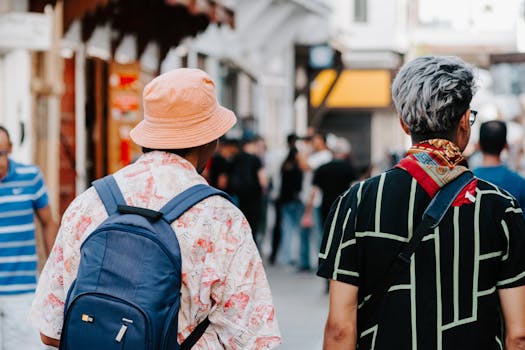
- A "Respectful Outfit" Go-To: Have one or two outfits in your bag that you know will be appropriate for almost any conservative setting – perhaps a long dress or skirt with a modest top for women, and long trousers with a collared shirt for men.
6. Decoding the Dress Code: Your Pre-Trip Research Toolkit
The best defense against cultural blunders is always preparation.
- Official Tourism Websites: Often have sections on local etiquette and dress codes, especially for religious sites.
- Travel Forums and Blogs: Sites like Tripsora (wink, wink!), Lonely Planet forums, or specific travel blogs often have firsthand accounts and practical advice. Search for "[Destination Name] dress code" or "[Specific Attraction Name] what to wear."
- Local Tour Operators/Guides: If you've booked a tour, don't hesitate to ask your operator about appropriate attire for specific excursions. They are a wealth of knowledge.
- Observe Upon Arrival: Once you land, take a moment to observe what locals are wearing, especially in public spaces, markets, and around religious sites. This is often the most authentic guide.
- When in Doubt, Ask: If you're genuinely unsure, a polite question to a local (e.g., "Is this appropriate for here?") asked with humility can go a long way.
The Ultimate Travel Accessory: Humility
My sarong moment in Bangkok was a small blip, but it taught me a huge lesson: travel isn't just about seeing new places; it's about learning, adapting, and connecting with people. When you dress respectfully, you're not just adhering to a rule; you're offering a gesture of humility, a silent acknowledgment that you are a guest in someone else's home.
This approach doesn't just prevent awkwardness; it actively enhances your journey. It opens doors to genuine smiles, deeper conversations, and experiences that are truly transformative. It allows you to become part of the tapestry, rather than just an observer.
So, on your next adventure, pack your sense of curiosity, your open mind, and a few versatile, respectful garments. You'll find that these threads weave a path to connections far richer than any souvenir.
---
What's your most memorable "dress code" moment while traveling? Share your stories and tips in the comments below! Let's build a community of respectful global citizens!
---