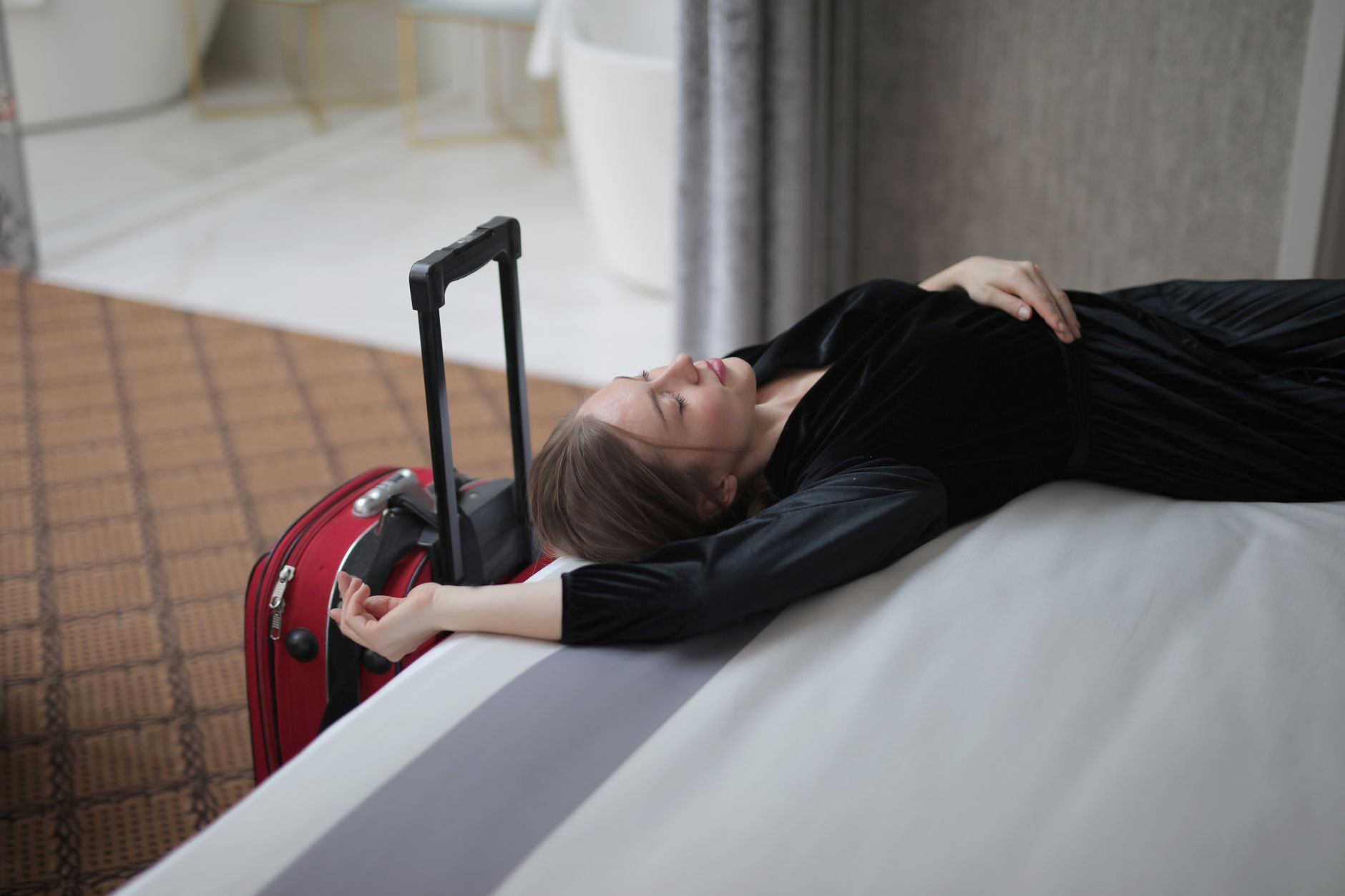
Remember that feeling? The one where you land in a breathtaking new city, the air buzzing with excitement, but your body feels like it's still stuck in yesterday's time zone? That heavy, disoriented blur that makes even the simplest decisions feel monumental, turning your dream trip into a zombie shuffle. I know it well. My first solo trip to Tokyo was a blur of 3 AM ramen cravings and 3 PM crashes, leaving me feeling like I’d wasted half my precious week just trying to feel human. I vowed never again.
That’s when I started watching, listening, and learning. Not from the travel guides, but from the locals themselves – the people who seamlessly cross time zones for work or family, yet always seem vibrant and ready for the day. They have an unspoken playbook, a series of subtle adjustments and ingrained habits that tourists often miss, dismissing them as mere cultural quirks. But these aren’t quirks; they’re a blueprint for rapid jet lag recovery. And today, I’m pulling back the curtain on their best-kept secrets, showing you how to beat jet lag in 24 hours and reclaim your adventure from the moment you land.
This isn't your average "drink water and sleep on the plane" advice. This is the good stuff, the actionable, insider wisdom that will have you feeling refreshed and ready to explore while other tourists are still battling their internal clocks. Get ready to unlock the secrets locals don't want you to know – because once you do, you'll be experiencing their city with their energy, their rhythm, and their joy.
The Pre-Flight Power Play: Stealthy Adjustments Locals Swear By
The battle against jet lag begins long before your plane even leaves the tarmac. Locals know this isn't just about packing your bags; it's about priming your body. Forget the all-nighter before a morning flight – that's a tourist trap for your circadian rhythm.
1. The Micro-Shift Method (2-3 Days Out):
This is where the magic begins. Instead of a drastic change, locals subtly shift their sleep schedule by just 30-60 minutes each night for two to three days leading up to their flight. If you're flying east, go to bed and wake up earlier. Flying west? Push those times back. It's a gentle nudge, not a jarring push, that eases your body into the new time zone without you even feeling it. I once used this before a trip to Rome, shifting my bedtime by 45 minutes for two nights. By the time I landed, I was already a full 1.5 hours closer to local time, making the final adjustment feel like a breeze.
2. Hydration, Elevated: The Electrolyte Edge:
Yes, drink water. Everyone says that. But locals take it a step further. They load up on electrolytes before and during the flight, not just plain water. Think coconut water, electrolyte-rich sports drinks (the less sugary, the better), or even homemade concoctions with a pinch of sea salt and lemon. Dehydration exacerbates jet lag symptoms, and airplane cabin air is notoriously dry. This isn't about chugging water; it's about ensuring your cells are optimally hydrated to handle the stress of travel. On my last flight to Bali, I packed small packets of an oral rehydration solution to mix with water – it made a noticeable difference in my energy levels upon arrival.
3. The "Light" Meal Strategy (Onboard & Before):
Forget the heavy airplane meals. Locals often bring their own light, easily digestible snacks. Think fresh fruit, nuts, lean protein bars, or a simple salad. They avoid processed foods, excessive sugar, and heavy carbs, which can lead to bloating and sluggishness, making jet lag worse. More importantly, they time their meals to roughly align with the destination's meal times. If it’s dinner time at your destination, have a light dinner on the plane. If it’s breakfast, opt for a small, healthy breakfast. This subtle trick helps signal your body about the upcoming schedule.
Landing Like a Local: Immediate Immersion & The Power of Light
You’ve landed. The temptation to collapse in your hotel room for a nap is immense. Resist it. This is the most crucial 3-4 hours of your 24-hour reset.
1. The "Sunrise" Chase (Even if it’s Midday):
Locals know the most potent weapon against jet lag is natural light. As soon as you clear customs, head straight for the outdoors. Find a park, a bustling square, or even just a sunny cafe patio. The goal is to expose yourself to as much natural light as possible, especially bright morning light if it's morning at your destination. This immediately starts recalibrating your circadian rhythm. In Lisbon, after an overnight flight, I skipped the taxi and took the metro straight to Praça do Comércio. The sheer expanse of the square, the brilliant morning sun reflecting off the Tagus River, and the bustling energy of people starting their day was an instant jolt. I grabbed a bica (espresso) and a pastel de nata from a nearby padaria (bakery) for about €2.50, sat outside, and simply soaked it all in. No dark hotel room, just pure, unadulterated daylight.
2. The Strategic Walk-About (No Naps Allowed!):
Forget the hotel nap. It's a trap! A short, deep nap can throw your body further out of sync. Instead, locals advocate for gentle activity. A leisurely walk, a visit to a local market, or even just exploring the immediate vicinity of your accommodation. The key is gentle, not strenuous. Avoid anything that will leave you exhausted. The movement helps blood flow, and the continuous exposure to the new environment reinforces the new time. In Kyoto, after landing, I checked into my ryokan, dropped my bags, and immediately headed for a walk through the quiet backstreets of Gion, observing the local life. The fresh air and gentle exercise were invigorating, and the cultural immersion was an immediate distraction from any lingering grogginess.
3. The Coffee/Tea Ritual (Timed to Perfection):
While tempting to mainline caffeine, locals use it strategically. If you land in the morning, a coffee or local tea (like a strong black tea or matcha in Asia) is acceptable to kickstart your day. But here's the secret: no caffeine after 2-3 PM local time. This is non-negotiable. Locals cherish their sleep, and they know caffeine too late will sabotage their first night's rest. If you need an afternoon pick-me-up, opt for a brisk walk or a refreshing sparkling water with lemon.
Fueling Your Reset: Eat Like a Local, Sleep Like a Baby
Food isn't just sustenance; it's a powerful tool for regulating your internal clock. Locals instinctively use their cuisine to help their bodies adjust.
1. The Power Breakfast & Lunch (Energize, Don't Overload):
Your first meals in a new time zone are critical. Locals opt for breakfasts that are energizing but not heavy. Think fresh fruits, lean proteins, and complex carbs. In France, a simple croissant and coffee might be their norm, but they’ll balance it with fruit later. In Brazil, it could be a vibrant açaí na tigela with granola and fruit, providing sustained energy without a crash. For lunch, choose light, fresh options. A crisp salad, a grilled fish dish, or a vegetable-heavy soup. Avoid anything that makes you feel sluggish or overly full, especially on your first day. I learned this the hard way in Italy – a heavy pasta lunch on day one sent me straight into a food coma. The next day, I opted for a simple Caprese salad and felt a world of difference.
2. The Strategic Snack: Mid-Afternoon Boost:
Around 3-4 PM, when the old time zone might be calling for a nap, locals have a strategic, light snack. This isn't about indulging; it's about maintaining stable blood sugar and energy levels to push through to dinner. Think a handful of nuts, a piece of fruit, or a small yogurt. This prevents the "hangry" crash that often leads to bad food choices or an early bedtime. In Spain, a small plate of olives or some jamón with a glass of water is a common, light mid-afternoon pick-me-up.
3. The Early, Light Dinner (The Sleep Signal):
This is arguably the most important culinary secret. Locals eat dinner early by their standards, and they keep it light. Forget the late-night feasts most tourists crave. A heavy meal too close to bedtime forces your digestive system to work overtime, disrupting sleep. Aim to eat dinner by 7 PM local time, and choose something easily digestible: grilled vegetables, a small portion of lean protein, or a clear broth. In Thailand, I observed locals opting for light curries or stir-fries with plenty of vegetables for their evening meal, often finishing by 7:30 PM. This allows your body ample time to digest before you hit the pillow, sending a clear signal that it's time to wind down.
Movement & Mindset: Embracing the Local Rhythm
Beyond food and light, how locals move and think about their day plays a huge role in their seamless transitions.
1. The Gentle Movement Mantra: Walk, Don't Rush:
Locals integrate gentle movement into their day, but they avoid intense workouts on day one. A brisk walk through a local neighborhood, a stroll through a less-crowded park, or simply taking the stairs instead of the elevator. This keeps the blood flowing, helps release endorphins, and exposes you to more natural light and the local environment without overtaxing your system. In London, instead of joining the throngs at Oxford Street, I’d head to Hampstead Heath – a sprawling, beautiful park where locals walk their dogs, jog, and simply enjoy nature. The fresh air and gentle inclines were far more restorative than fighting crowds in a museum.
2. The Power of "Mindful Observation":
Instead of constantly checking your phone or rushing from one landmark to another, take a cue from locals and practice mindful observation. Sit at a cafe, watch the world go by, listen to the local language, and absorb the atmosphere. This mental quietude helps ground you in the present time and place, reducing the mental fatigue that often accompanies jet lag. I found this particularly effective in Paris. Instead of rushing to the Eiffel Tower, I'd grab a coffee at a small cafe in Le Marais, people-watch, and just be. It calmed my mind and helped me feel more connected to the local rhythm.
3. The Strategic Power Nap (Only If Absolutely Necessary, And Short!):
I said no naps earlier, but there's a very specific exception. If you are truly struggling, and it's mid-afternoon, a "power nap" of no more than 20 minutes can be taken. The key is to set an alarm and stick to it. Locals know this isn't about deep sleep; it's about a brief mental reset. Any longer, and you risk falling into a deeper sleep cycle, which will leave you feeling worse. My rule of thumb: if I can't keep my eyes open during a critical afternoon activity, I'll find a quiet bench or even a park and set a 15-minute timer. It's a last resort, not a first-line defense.
The Evening Wind-Down: Mastering the Local Night
Your first night’s sleep is paramount. Locals have rituals that signal their bodies it’s time to truly rest.
1. The Digital Sunset: Ditching Screens Early:
This is a universal local secret, regardless of culture. Locals put away their phones, tablets, and laptops at least an hour before bed. The blue light emitted from these devices disrupts melatonin production, making it harder to fall asleep. Instead, they read a physical book, listen to calming music, or simply chat with family. In Japan, I noticed many people reading manga or paperbacks on their commute home, and then switching off screens once they were home. It’s a simple, yet incredibly effective habit.
2. The Warm Ritual: Bath, Tea, or Gentle Stretch:
Many cultures have evening rituals that promote relaxation. In some, it’s a warm bath or shower. In others, it’s a specific herbal tea (chamomile, lavender, valerian root, or local blends known for calming properties). In Vietnam, a small cup of warm trà gừng (ginger tea) is a common evening soother. In Scandinavian countries, it might be a sauna or a quiet read by candlelight. Whatever the local equivalent, adopt it. These gentle activities signal to your body that it's time to prepare for sleep. I often pack a small bag of my favorite calming herbal tea bags to ensure I have this ritual, no matter where I am.
3. Optimize Your Sleep Environment (The Local Dark & Quiet):
Locals prioritize sleep quality. That means making your room as dark as possible (use those blackout curtains!), cool, and quiet. If you're in a city, consider earplugs. If your hotel room has a bright alarm clock or indicator lights, cover them with tape or a cloth. This isn't about luxury; it's about creating a cave-like environment conducive to deep, restorative sleep. I always carry an eye mask and earplugs – they’re non-negotiable for my first night in a new place.
The 24-Hour Victory Lap: Waking Up Refreshed & Ready
You’ve done it. You followed the local playbook, resisted the tourist traps, and immersed yourself in the rhythm of your new destination. As the sun rises on your second day, you’ll feel it – that incredible sense of clarity, energy, and readiness.
The grogginess is gone. The disorientation has lifted. You wake up feeling genuinely refreshed, not just like you've powered through. This is the moment you realize the power of these 'secrets.' You haven't just beaten jet lag; you've gained an extra day of your trip, fully present and energized to explore.
Now, the key is to maintain this rhythm. Continue to seek natural light in the mornings, eat balanced meals, stay hydrated, and stick to your new sleep schedule. The first 24 hours are the hardest, but by successfully navigating them like a local, you’ve set yourself up for a truly unforgettable and vibrant travel experience. No more lost days, no more zombie walks – just pure, unadulterated adventure.
So, next time you're packing your bags for a long-haul flight, remember these insider tips. Don't just travel to a new place; become part of its rhythm from the moment you land. The locals might not explicitly tell you their secrets, but now you know. And trust me, your next trip will be all the better for it.
---
Ready to ditch jet lag for good? Share your favorite local tips or success stories in the comments below! And don't forget to tag #TripsoraJetLagHack on Instagram with your refreshed travel pics!
---