The sun, that ancient giver of life, has always held a special place in human hearts. For me, growing up, summer solstice was just... a Tuesday. A really long, sunny Tuesday, sure, but nothing more profound. Then, on a spontaneous trip years ago, I stumbled into a Midsommar celebration in rural Sweden, and my perception of summer, light, and community was utterly transformed. The sheer joy, the flower crowns, the midnight sun that never truly set – it was pure magic. It was then I realized: we’re missing out on something extraordinary if we don't actively seek out these moments.
The summer solstice, marking the longest day and shortest night of the year, isn't just an astronomical event; it's a profound cultural moment, a global beacon for celebration, renewal, and connection. From ancient pagan rituals to vibrant modern festivals, these celebrations are a testament to humanity's enduring fascination with the sun's power. And trust me, these aren't just events to observe; they are experiences to immerse yourself in. Here are some of the most spectacular summer solstice celebrations around the world that you absolutely need to add to your travel bucket list before you die.
1. Sweden's Midsommar: A Floral, Frolicking Fairytale
If there’s one solstice celebration that truly embodies pure, unadulterated joy, it's Swedish Midsommar. Imagine a day bathed in endless daylight, where entire communities come alive with laughter, song, and an almost childlike sense of wonder. I first experienced Midsommar in a small village outside Stockholm, and it felt like stepping into a storybook.
What to Expect:
Midsommar (Midsummer) is arguably Sweden's most important holiday after Christmas. It’s traditionally celebrated on the Friday between June 19th and 25th. The core of the celebration revolves around the maypole (Midsommarstång), a tall, decorated pole adorned with leaves and flowers. People dance around it, often performing the famous "Små Grodorna" (The Little Frogs) dance, which is as hilariously awkward as it sounds, but everyone joins in!
Women and children wear flower crowns (blomsterkransar) – a tradition I absolutely adore and have embraced ever since. You'll see fields of wildflowers being picked in the morning to craft these beautiful garlands. Food is central: expect a feast of pickled herring, new potatoes with dill, gravlax, meatballs, crispbread, and plenty of snaps (aquavit). Strawberry cake is the quintessential dessert.
My Personal Take:
The spirit of Midsommar is incredibly infectious. I remember feeling a bit self-conscious at first, not knowing the dances, but within minutes, a group of Swedes pulled me into their circle, patiently showing me the steps. The sense of community was overwhelming. We ate, drank, danced, and sang until the "midnight sun" cast a golden, ethereal glow over everything, never truly letting darkness descend. It was pure bliss.
Practical Tips:
* When: The Friday between June 19th and 25th.
* Where: Celebrations happen all over Sweden, from city parks to rural villages. For a truly authentic experience, head to the countryside. Dalarna region, particularly Leksand, is famous for its grand celebrations. Skansen Open-Air Museum in Stockholm also hosts a popular event.
* Cost: Mostly free to participate in public celebrations. Food and drink can add up, but picnic options are popular.
* Accommodation: Book way in advance, especially in popular rural areas.
* Dress Code: Casual, comfortable, and definitely make or buy a flower crown!
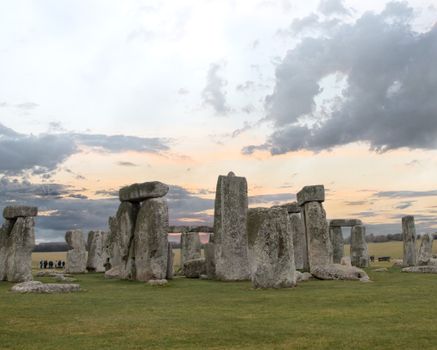
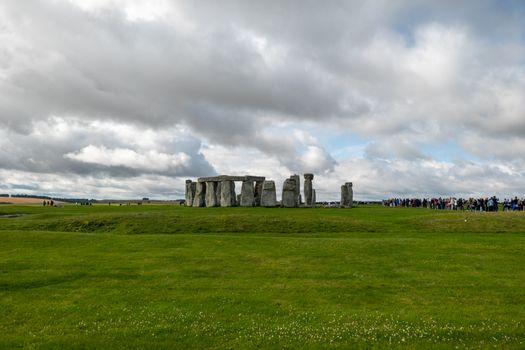
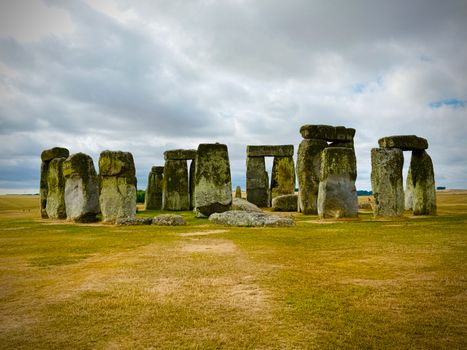
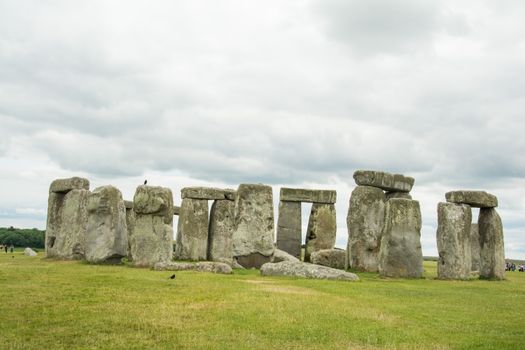
2. Stonehenge, UK: A Mystical Dawn with Ancient Echoes
From the vibrant joy of Sweden, we shift to the ancient, spiritual allure of Stonehenge. This prehistoric monument in Wiltshire, England, is aligned with the summer solstice sunrise, and witnessing thousands gather to greet the dawn at this iconic site is an experience that transcends time.
What to Expect:
On the morning of the summer solstice (around June 20th or 21st, depending on the year), Stonehenge becomes a pilgrimage site for pagans, druids, sun worshippers, and curious travelers. English Heritage, which manages the site, opens access to the stones for free during this special period, allowing visitors to walk among them, a privilege usually reserved.
The atmosphere is palpable. As the night slowly gives way to the first hints of light, anticipation builds. Chants, drumming, and quiet contemplation fill the air. Then, as the sun crests the horizon, perfectly aligning with the Heel Stone, a collective gasp and cheer often erupts. It's a moment of profound connection to ancient civilizations and the cosmos.
My Personal Take:
I went to Stonehenge for the solstice a few years ago, arriving in the dead of night to secure a good spot. It was cold, crowded, and required a lot of patience. But when that first sliver of sun appeared, painting the ancient stones in hues of orange and gold, a shiver ran down my spine. The energy was incredible – a mix of reverence, excitement, and a deep sense of history. It’s less about a party and more about a shared, spiritual awakening. Seeing robed druids perform their rituals amidst the crowd adds another layer of mystique.
Practical Tips:
* When: Dawn on June 20th or 21st. The site typically opens late on the eve of the solstice and closes a few hours after sunrise.
* Where: Stonehenge, Wiltshire, England.
* Cost: Free entry during the solstice period. Parking costs apply.
* Accommodation: Book hotels/B&Bs in nearby Salisbury or Amesbury well in advance. Many people camp or stay up all night.
* Logistics: Expect massive crowds. Public transport is limited; driving and parking early is recommended. Be prepared for potentially chilly weather, even in summer. Bring snacks, water, and a blanket. No alcohol or glass bottles are allowed inside the stone circle area.
3. Arctic Circle: The Surreal Splendor of the Midnight Sun
Imagine a world where the sun never truly sets. In the lands above the Arctic Circle, summer solstice means 24 hours of daylight, a phenomenon known as the Midnight Sun. It’s an otherworldly experience that messes with your internal clock in the most wonderful way.
What to Expect:
Countries like Norway, Sweden, Finland, Iceland, and parts of Canada and Alaska celebrate the Midnight Sun with various festivals and activities. It's less about a specific ritual and more about embracing the endless daylight. People hike, fish, golf, kayak, and socialize at all hours, energized by the constant light.
In places like Tromsø, Norway, or Rovaniemi, Finland, you'll find "Midnight Sun Festivals" with concerts, art exhibitions, and sporting events that run through the night. It's a surreal experience to see children playing outside at 1 AM or enjoying a round of golf under a bright, golden sky.
My Personal Take:
My journey to Tromsø, Norway, for the Midnight Sun was utterly disorienting yet exhilarating. I remember trying to go to bed at 11 PM, only to find my hotel room still bathed in sunlight, making sleep feel almost unnecessary. I ended up taking a "midnight hike" up Fjellheisen, the local mountain, around 1 AM. The views of the city and fjords, glowing under a sun that dipped to the horizon but never disappeared, were breathtaking. It felt like time had stopped, or at least, stretched infinitely. You develop a strange kind of energy, where every hour feels like prime time.
Practical Tips:
* When: Mid-May to late July, with the peak around the solstice (June 20th/21st).
* Where: Any location north of the Arctic Circle. Popular destinations include Tromsø (Norway), Rovaniemi (Lapland, Finland), and Reykjavík (Iceland, though not strictly Arctic Circle, it gets very long daylight).
* Cost: Varies greatly depending on activities and accommodation. Expect higher prices in Scandinavia.
* Accommodation: Book well in advance. Many hotels offer blackout curtains for a reason!
* What to Bring: Good sunglasses, an eye mask for sleeping, and be prepared for all types of weather, even in summer. Embrace the strange sleep schedule!
4. Spain's Noche de San Juan: Fire, Water, and Beach Parties
From the cool, ethereal light of the Arctic to the fiery passion of Spain, the Noche de San Juan (Night of Saint John) is a summer solstice celebration with a distinctly Mediterranean flair. While officially tied to St. John the Baptist, its roots are deeply pagan, celebrating fire as a purifying element and water as a symbol of healing.
What to Expect:
Celebrated on the night of June 23rd leading into the 24th, Noche de San Juan is an explosion of bonfires, fireworks, and beach parties across Spain, particularly in coastal regions like Catalonia, Valencia, and Andalusia. The tradition dictates building bonfires (hogueras) on beaches and in town squares. People write down their wishes or things they want to leave behind from the past year, and toss them into the flames, symbolizing purification and new beginnings.
As midnight strikes, many people brave the cool sea, jumping over the waves three or seven times to cleanse their souls and bring good luck for the year ahead. The air is thick with the smell of smoke, the sound of music, and the joyous shouts of revelers. It’s a night of magic, superstition, and pure fiesta.
My Personal Take:
I experienced Noche de San Juan in Barcelona, and it was an absolute sensory overload in the best possible way. The city's beaches became a massive open-air party. Families and friends gathered around their own small fires, sharing food and laughter. The sky was constantly lit up by amateur fireworks, and the energy was electric. At midnight, watching thousands of people rush into the Mediterranean Sea, shrieking and laughing, was an unforgettable sight. I joined them, feeling the cold shock of the water and a bizarre sense of renewal. It’s a celebration of community, tradition, and letting loose.
Practical Tips:
* When: Night of June 23rd, leading into June 24th.
* Where: Best experienced in coastal cities. Barcelona, Alicante (famous for its elaborate Hogueras de San Juan), Valencia, and Málaga are excellent choices.
* Cost: Largely free to participate. Budget for food, drinks, and potentially fireworks.
* Accommodation: Book well in advance, especially in popular beach cities.
* Safety: Be mindful of crowds and fire safety. Don't leave valuables unattended on the beach. Respect local regulations regarding bonfires and fireworks.
5. Austrian & German Alps: Alpine Bonfires and Mountain Magic
For a more traditional and breathtakingly scenic solstice experience, head to the Austrian and German Alps. Here, the summer solstice is celebrated with spectacular mountain bonfires, a tradition that dates back centuries, connecting communities with the dramatic landscape around them.
What to Expect:
Known as Sonnwendfeuer (solstice fires) or Johannisfeuer (St. John's fires), these celebrations typically take place on the Saturday closest to the solstice. As dusk falls, hundreds of bonfires are lit on mountain peaks and ridges, creating a mesmerizing spectacle of glowing dots against the darkening sky. These fires often form intricate patterns or symbols, like crosses or hearts, visible for miles.
The tradition is rooted in ancient beliefs, warding off evil spirits and celebrating the sun's power. Many communities will have small gatherings, often with local music, food, and drink, as they watch the fiery spectacle unfold across the valleys. It’s a quieter, more reflective celebration than some others, but no less powerful.
My Personal Take:
I had the privilege of witnessing the Sonnwendfeuer in the Tyrolean Alps, near Innsbruck. We hiked up a relatively easy trail in the late afternoon, found a cozy spot on a hillside, and waited. As the sun dipped, the first distant flickers of orange appeared on the opposing peaks. Soon, hundreds of fires ignited, outlining the majestic contours of the mountains. It was incredibly peaceful, with only the distant sound of cowbells and the hushed murmurs of fellow spectators. The air was crisp, and the view felt like something out of a fantasy novel. It truly felt like the mountains themselves were celebrating.
Practical Tips:
* When: Often on the Saturday closest to June 20th/21st. Check local tourism boards for exact dates.
* Where: Tyrol region in Austria (e.g., around Innsbruck, Seefeld, Wilder Kaiser) and parts of Bavaria in Germany.
* Cost: Mostly free to observe. Hiking to a good viewpoint is free. Budget for food and drinks if you attend a local gathering.
* Accommodation: Book hotels or guesthouses in alpine towns.
* What to Bring: Warm layers (mountain evenings get chilly!), sturdy hiking shoes, a headlamp or flashlight, and a camera with a good low-light setting to capture the glowing peaks.
Essential Tips for Your Solstice Adventure:
No matter which solstice celebration calls to you, here are some general tips to ensure your trip is smooth and unforgettable:
- Book Ahead, Way Ahead: Solstice celebrations are popular. Accommodation, flights, and sometimes even specific event tickets sell out quickly. Start planning and booking at least 6-9 months in advance.
- Embrace the Crowds: Some of these events, especially Stonehenge and San Juan, draw massive crowds. Patience is key. Adjust your expectations and focus on the shared experience.
- Respect Local Traditions: These are often deeply rooted cultural or spiritual events. Be mindful, respectful, and follow local customs. Ask before you photograph people, especially if they are participating in rituals.
- Dress for the Occasion (and Weather): From flower crowns to warm layers for chilly nights, research what's appropriate. Even in summer, evenings can get cool, especially in northern regions or mountains.
- Stay Hydrated & Nourished: Long days and nights of celebration can be exhausting. Keep water and snacks on hand.
- Go with an Open Mind: Let go of expectations and allow yourself to be immersed. The magic often lies in the spontaneous moments and the connections you make.
- Capture the Moment (Responsibly): These events are incredibly Instagram-worthy, but don't let your phone distract you from experiencing the moment fully. Take your photos, then put the camera down and soak it all in.
The Sun Awaits Your Arrival
Experiencing a summer solstice celebration is more than just a vacation; it's a journey into the heart of human culture, spirituality, and our ancient connection to the natural world. It's a chance to witness the longest day of the year transformed into something truly magical, a shared moment of wonder that transcends language and borders.
Whether you're dancing around a flower-decked maypole in Sweden, marveling at the midnight sun in the Arctic, or watching bonfires light up the Spanish coast, these experiences will leave an indelible mark on your soul. They remind us to celebrate light, life, and the sheer joy of existence.
So, what are you waiting for? The sun is peaking, and the world is calling. Which solstice celebration will you chase first? Share your dreams in the comments below, and let's inspire each other to make these bucket-list adventures a reality!
---